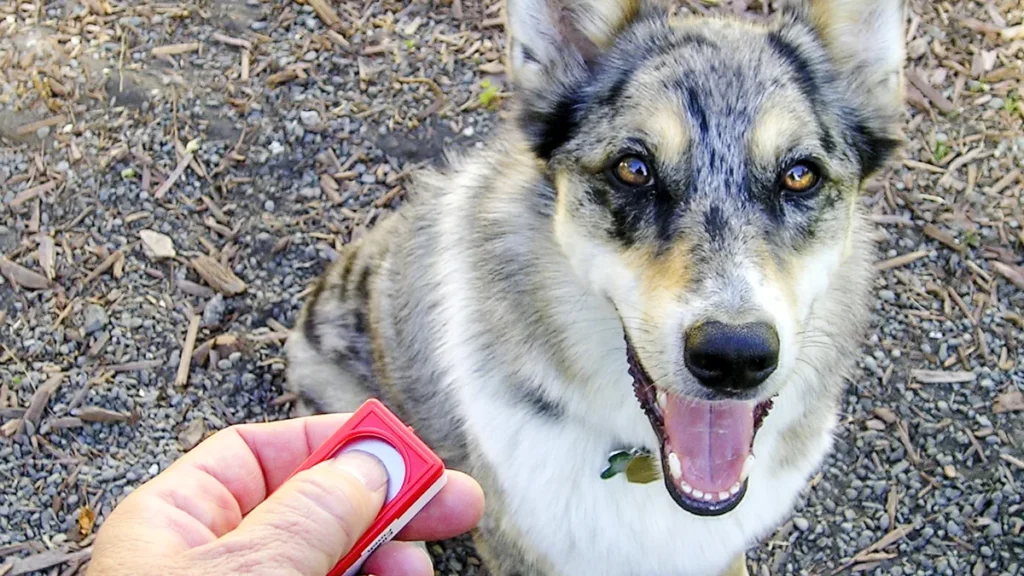
If you love dogs and you are good at teaching them, dog training can become a real income, not just a hobby. Owners happily pay for help with barking, pulling on the lead, recall and manners, and many of them keep coming back for more.
Below are the best ways to make money as a dog trainer, from the classic one-on-one session to digital products that earn while you sleep. You do not need to do all of them at once. Pick two or three that fit your skills and add more as your reputation grows.
1. Offer One-on-One Private Sessions
Private sessions are the backbone of most dog training businesses. You visit the owner at home or meet at a park, watch the dog in its normal environment and build a plan around its exact problems. Because the attention is personal, owners expect to pay more than they would for a group class.
Charge by the session or sell a block of four to six sessions at a small discount. Packages work well because behaviour change takes time, and they give you income you can count on. A six-session package can be worth several hundred dollars from one client.
2. Run Group Training Classes
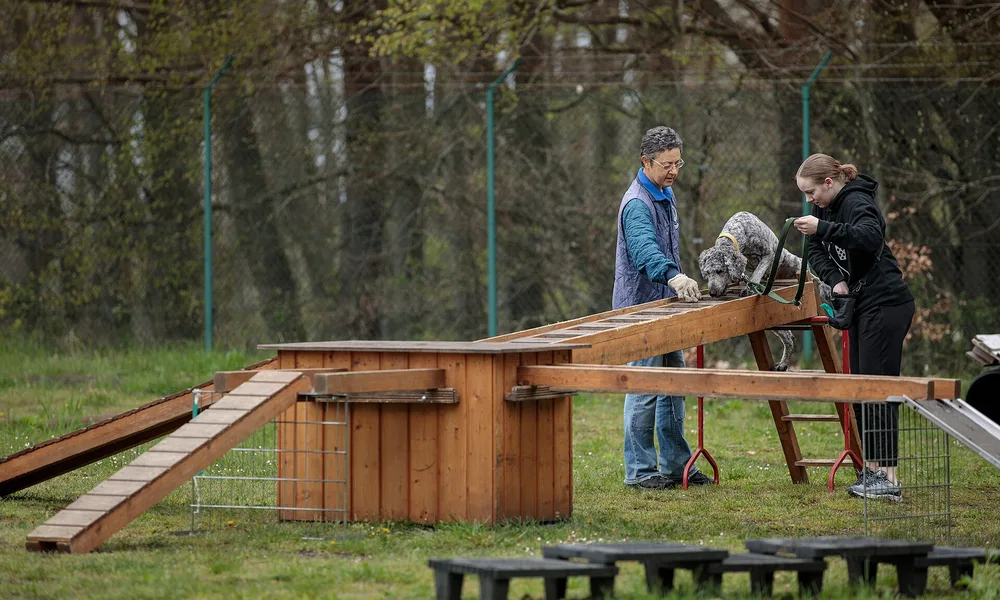
Group classes let you earn from several dogs at once. Classes also create a natural pipeline: graduates often move on to private sessions or advanced courses.
Split classes by level, such as puppy basics, intermediate obedience and advanced recall, and run them on a rolling schedule so new owners can join every few weeks.
3. Sell Puppy Training Packages
New puppy owners are some of the easiest clients to win. They are motivated, a little overwhelmed and willing to pay for a good start. A puppy package covering toilet training, crate training, bite inhibition, socialisation and first commands is an easy sell.
Bundle four to six short sessions with a simple written plan and follow-up messages between visits. Parents of new puppies talk to other puppy owners constantly, so one happy client often brings two more.
4. Run Board-and-Train Programs
Board-and-train means the dog stays with you for one to three weeks while you do intensive daily training. Owners pay a premium because the work is concentrated and they get a calmer, better-mannered dog back.
It is also the most demanding. You need space, a safe setup and clear rules about which dogs you accept. Always finish with handover sessions so the owner learns to keep the training going at home.
5. Teach Online Courses and Video Lessons
Online training removes the limit on how many clients you can serve. Record a structured course on puppy basics, loose-lead walking or recall, and sell it again and again. You can host it on a course platform or sell it from your own website.
Keep lessons short and practical, film with a real dog, and include downloadable checklists. A course will not replace your in-person income overnight, but it adds a stream that keeps earning even on weeks when you take time off.
6. Offer Behaviour Consultations
Some dogs have serious problems: aggression, fear, separation anxiety or resource guarding. Owners facing these issues are often willing to pay for a specialist, and a proper consultation with a written behaviour plan can command a higher fee than standard training.
Only take on cases you are qualified to handle, and be honest when a dog needs a veterinary behaviourist instead. A thorough consultation, a clear plan and a follow-up call a few weeks later will set you apart from trainers who simply sell more sessions.
7. Specialise in a Profitable Niche
General trainers compete with everyone. Specialists can charge more. Service dog training, scent work, agility, gun dog work and therapy dog preparation are all niches where demand is strong and skilled trainers are scarce.
Pick a niche you genuinely enjoy, get the right certification, and let your marketing speak directly to that audience. A trainer known as the local expert in recall training or reactive dogs will win work that generalists never hear about.
8. Sell Digital Products and Training Guides
Digital products are a low-cost way to earn from your knowledge. A step-by-step recall guide, a puppy checklist, a loose-lead walking workbook or a set of training plans can all be sold as downloads. You write them once and sell them many times.
Price them low enough to be an easy yes, and use them as a first step that leads buyers toward your courses or private sessions.
9. Partner With Vets, Groomers and Shelters
Other pet businesses meet your ideal clients every day. A vet who recommends you, a groomer who hands out your card or a shelter that sends new adopters your way can fill your diary without any advertising spend. These partnerships work best when they go both ways, so return the favour whenever you can.
Learning how to start a dog grooming business shows how closely grooming and training overlap, and many owners book both services for the same dog. If you work near a grooming salon or a vet clinic, introduce yourself in person and offer a free taster session for their staff so they can recommend you with confidence.
10. Teach Workshops and Community Events
Weekend workshops are a great way to earn in a single day. A three-hour recall workshop, a puppy socialisation morning or a reactive-dog seminar can bring in the same money as a week of private sessions. They also put you in front of dozens of owners at once.
Team up with a pet shop, a rescue or a local council to host the event, and collect email addresses from everyone who attends. That list becomes your audience for future classes, courses and seasonal offers. If you are thinking wider about pet services, our guide on how to start a pet grooming business is a useful look at how a related business is built.
How Much Can a Dog Trainer Earn?
Income varies a lot by location, experience and the services you offer. A new trainer doing part-time private sessions might earn a useful side income, while an established trainer with group classes, board-and-train and an online course can earn a full-time living. The trainers who earn most are rarely the ones who charge the highest hourly rate. They are the ones with packages, repeat clients and more than one income stream.
Keep your costs low at the start. You need insurance, basic equipment, a simple website and a way to take bookings. Track which service brings in the most profit per hour, not just the most revenue, and spend your time there.
Getting Your First Clients
Your first clients usually come from people you already know. Tell friends, family and local dog owners what you do, and ask happy clients for a short review and a referral. Short before-and-after videos of real training sessions on social media will do more than any paid advert.
Local search matters too. Make sure your business appears on maps and local listings, and ask every satisfied client to leave a review. Dog training is a trust business, and a page full of genuine reviews is the fastest way to win a stranger’s confidence. If you are building this alongside other work, these ideas fit well with the best ways to make money in your spare time, and you can grow the training business gradually until it can stand on its own.
Final Thoughts
Making money as a dog trainer comes down to three things: real skill with dogs, services that solve problems owners actually have, and a steady flow of new clients. Start with private sessions and one group class, add a package or a course when you are ready, and build partnerships that send clients your way.

Keep what speaks to you.
Leave room for your own perspective.