A tour guide gets paid for something most people do for free: showing visitors around a place they love. If you know your town’s streets, stories, and shortcuts better than anyone else, that knowledge is worth real money. You do not need a degree or a big investment to start. You need a route, a clear offer, and a way for travellers to find you.
Guiding is different from the travel jobs people often confuse it with. Travel agents earn money by booking trips, arranging flights, hotels, and packages from a desk. A tour guide earns money in person, on foot, leading a group through a real place in real time. The better the experience, the more you earn per hour.
How Tour Guides Actually Get Paid
Most guides earn through a mix of four streams. The first is a set fee per tour, either a flat rate from a tour company or a ticket price you set yourself. The second is tips, which can add a large share on top of the base fee when the tour goes well. The third is a small cut when guests buy something you recommend, such as a museum ticket or a meal stop. The fourth is repeat work: private bookings, return visitors, and referrals. The guides who earn the most combine several of these streams.
1. Lead Paid Walking Tours
Walking tours are the simplest way to start making money as a tour guide. Pick a route you can walk in about two hours, choose five or six strong stops, and build a story around each one. Set a ticket price, usually between $15 and $40 per person, and list the tour on a booking platform so travellers can find it. Keep groups under fifteen. Rehearse your stops out loud until the facts flow naturally and the jokes land.
2. Offer Private Tours for Higher Rates
Private tours pay far more per hour than group tours because the guest is buying your full attention. A family, a couple, or a small group of friends will often pay $150 to $400 for a half day with a guide who shapes the experience around them. Ask what they care about first: history, food, photography, or a relaxed pace. Then plan the route to match. Even two or three private tours a week can become a solid part-time income.
3. Run Themed Tours That Stand Out
General sightseeing tours compete with every free guidebook and audio guide in the city. Themed tours compete with almost nobody. A food tour that visits family bakeries, a ghost tour after dark, a street art walk, or a film locations tour all attract people who want something specific. Themed tours also let you charge more, because the guest is paying for a specialist, not a generalist. Test it free with friends first, then start charging.
4. Earn More From Tips
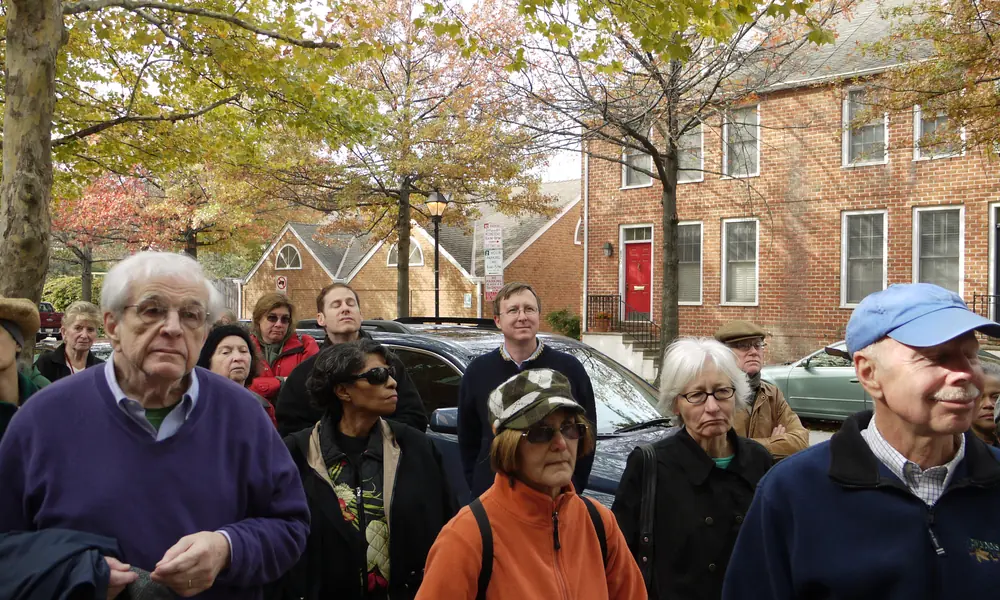
Tips are a major part of a tour guide’s income, and they are mostly earned in the last ten minutes of the tour. End every tour with a strong finish: a great viewpoint, a surprising story, or a hidden spot guests would never find alone. Then make tipping easy and natural. On free walking tours, where tips are the whole income, guides often earn $10 to $25 per person from a happy group. Thank the group warmly and mention that tips are how guides are paid.
5. Work the Seasonal Peaks
Tourism is seasonal almost everywhere, and smart guides plan their year around the peaks. Summer, school holidays, festivals, and cruise ship days bring the biggest crowds and the highest demand. During peak weeks, run two tours a day instead of one, add evening tours, and raise prices slightly when demand is high. In the quiet season, use the time to build new routes, learn a second language, or get a licence for a museum or historic site. Many guides also move with the seasons.
6. Guide for Tour Companies and Cruise Lines
You do not have to find every customer yourself. Tour companies, cruise lines, hotels, and travel operators hire local guides every day and pay a reliable daily or per-tour rate. This work is steadier than running your own tours . The pay is usually lower per guest than running your own tour, but there is no empty day and no advertising cost. Be reliable, show up early, and handle difficult guests calmly. Operators call the guides they can trust first when a busy week needs extra hands. Seasonal outdoor work follows the same pattern, as these ways to make money as a lifeguard show.
7. Add Food Tastings and Local Experiences
Food is one of the easiest ways to raise what a tour earns. A tasting stop at a bakery, a market stall, or a family-run cafe gives guests something to remember and gives you a reason to charge a higher ticket price. Arrange a fixed deal with the food sellers in advance, so you pay a set price per guest and keep a margin on the ticket. Keep the group small and the quality high: three excellent tastings beat six average ones. Guests leave full and happy.
8. Sell Your Own Tours Online
Once your route is proven, put it on the big booking platforms where travellers already search for tours. A clear title, honest photos of the real route, and a short description of what guests will see and do will bring bookings while you sleep. Ask every happy guest for a review on the same platform, because reviews push a new listing up the search results. The strongest setup is both: platform listings for discovery and direct bookings for repeat guests.
9. Become a Specialist Guide
Specialists earn more than generalists in almost every city. A guide who knows one museum deeply, one historic period, or one neighbourhood can charge premium rates that a general city guide cannot. Specialisation also brings work generalists never see: school groups, university trips, conference groups, and film crews all want an expert. Pick a subject that matches what your city is known for, study it properly, and build a tour no one else offers. Talk to local historians and keep adding fresh details.
10. Turn One Tour Into Repeat Bookings and Referrals
The cheapest booking is the one you already have. A guest who loved your tour is the easiest person to sell a second tour to and the most likely to send friends your way. End every tour by mentioning your other routes: the food walk, the evening tour, or the private option for their next visit. Offer a small thank-you, such as a discount on a second tour, for every friend they send who books. Guiding also suits people who want flexible work later in life, and it sits naturally among the best side hustles for seniors.
Start With One Good Route
You do not need ten tours to start making money as a tour guide. You need one good route, one clear price, and one place where travellers can book it. Run that route until the stories are smooth and the reviews are strong, then add a second route or a private option. Pick your route, walk it tomorrow, and start getting paid for knowing your own town better than anyone else.

Keep what speaks to you.
Leave room for your own perspective.