
Zookeeping is one of those careers people assume is all passion and no pay. The truth is more interesting: keepers who treat animal care as a profession can build a solid, steadily growing income. The money rarely comes from one source. It comes from combining a keeper salary with specialisation, public-facing work, teaching, and skills other animal organisations will pay for. Here are the best ways to make money as a zookeeper.
What Zookeepers Actually Earn
Keeper pay varies widely by country, zoo size, and experience. Entry-level keepers usually start on a modest wage, because zoos receive far more applications than they have openings. But pay rises with responsibility: a keeper who runs a section, manages a breeding programme, or trains junior staff earns noticeably more than one who only does daily husbandry. Large zoos, aquariums, and safari parks tend to pay better than small collections, and overtime and weekend shifts add up over a year. The keepers who earn the most keep learning and keep saying yes to extra responsibility.
1. Climb the Keeper Ladder
The most reliable way to earn more is also the most straightforward: move up. Most zoos run a clear ladder from trainee keeper to keeper, senior keeper, head keeper, and then team leader or curator. Each step brings a pay rise and wider responsibility, from running an animal section to managing budgets and rotas. The climb takes years, but it is the foundation of a good keeper income. Keep a record of the species you work with and the courses you complete: that record is what gets you promoted.
2. Specialise in a High-Demand Species
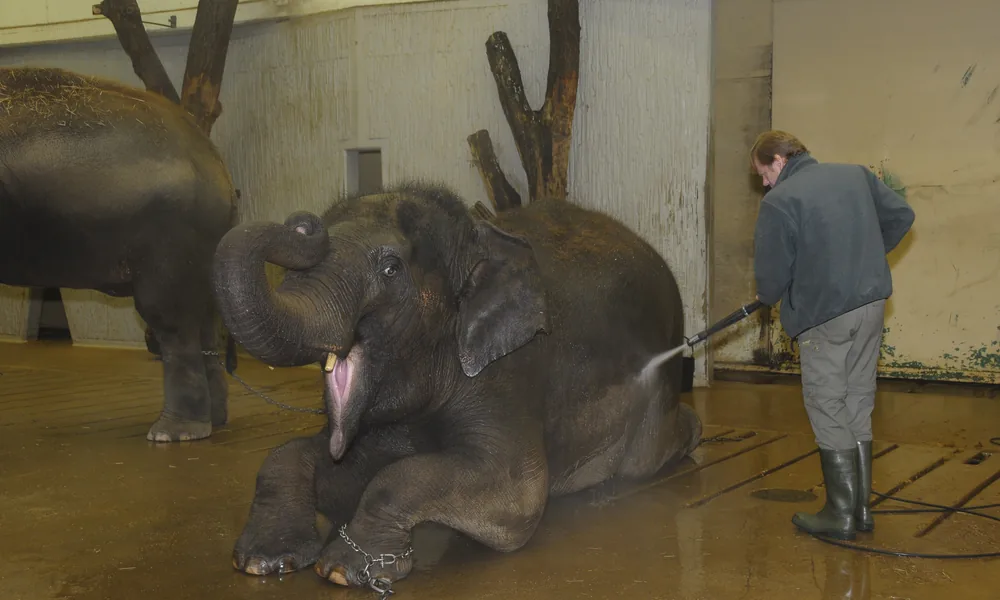
General keepers are essential, but specialists earn more. Elephants, great apes, big cats, marine mammals, and venomous reptiles all need keepers with deep, specific knowledge, and there are far fewer of them. A keeper who can manage an elephant herd, run a primate breeding group, or handle a venomous snake collection is hard to replace, and zoos pay accordingly. Choose a group that genuinely fascinates you, then build expertise through courses, conferences, and placements at other collections.
3. Lead Keeper Talks and Feeding Demonstrations
Visitors love hearing from the person who actually cares for the animals, and zoos know it. Keepers who present talks, lead feeding demonstrations, and host behind-the-scenes tours are the zoo’s most visible staff. Many zoos pay extra for public-facing duties, and regular presenting builds a reputation that follows you. If you are comfortable speaking to a crowd, this is one of the fastest ways to add income to a keeper salary while doing work you already enjoy.
4. Run Education Programmes and School Workshops
Education is a huge part of a modern zoo’s work, and keepers make the best teachers. School groups, holiday clubs, and family workshops all need staff who can explain animal behaviour, conservation, and habitats in a way children remember. Keepers who design and deliver these sessions often earn extra pay or move into dedicated education roles, which usually come with better hours and a higher salary band.
5. Train in Animal Training and Enrichment
Modern zoos train animals for voluntary medical behaviours, from presenting a foot for a health check to stepping onto scales. Keepers who master positive reinforcement training are in demand everywhere, because trained animals mean safer, less stressful veterinary care. Enrichment design is equally valuable: building puzzle feeders, scent trails, and habitat features that keep animals active and curious. It is hands-on, creative work, and it pays better than routine husbandry alone.
6. Become a Relief or Freelance Keeper
Zoos always need cover. Staff fall ill, go on leave, or leave suddenly, and a reliable relief keeper who can step into any section is worth their weight in gold. Experienced keepers can register with agencies or build direct contacts with several collections and pick up short contracts between permanent roles. Relief work usually pays a higher daily rate than a salaried post, and it lets you work with species you would never meet at one zoo.
7. Work in Conservation and Field Projects
Many zoos fund field conservation, and keepers are often the staff sent to help. Tracking released animals, monitoring wild populations, and supporting breeding centres abroad all need practical animal skills that only keepers have. Fieldwork usually comes with allowances and expenses on top of salary, and it builds a CV that opens doors to conservation charities and wildlife organisations.
8. Build an Income From Animal Content
Keepers see things the public never sees, and that perspective has real value. Animal photography, short-form video, and writing about zoo life can all earn money once an audience grows. The keepers who succeed here share what they genuinely know: how enrichment is designed, what a vet check involves, or why a species behaves a certain way. This works best as a second stream alongside a keeper job, and it grows steadily if you post consistently and keep the animals’ welfare first at all times.
9. Take On Seasonal and Event Work
Zoos are busiest at predictable times: school holidays, summer weekends, Halloween, and Christmas events. Keepers who volunteer for seasonal programmes, evening events, and special experiences like animal encounters and photography days often earn overtime or event pay on top of their salary. These extra shifts add up over a year.
10. Move Into Management and Curatorial Roles
The biggest keeper pay rises come with management. Head keepers, section leaders, and curators plan collections, manage teams, oversee budgets, and make decisions about breeding and acquisitions. These roles need years of hands-on experience plus skills in leadership, record keeping, and planning. It is the clearest route from a modest starting wage to a genuinely comfortable salary while staying close to the animals.
How to Get Started
Most zoos look for a relevant qualification, such as a degree or diploma in zoology, animal management, or conservation, plus hands-on experience. Volunteering, internships, and work placements are the usual way in, and they also show you whether the early starts, physical work, and weekend shifts suit you. Once you are in, keep learning: first aid, animal training courses, and specialist workshops all strengthen your earning power. Similar animal-care careers follow the same pattern, and the best ways to make money as a vet tech show how clinical animal skills can raise income too. The best ways to make money as a veterinary assistant are another useful comparison if you are weighing up different animal-care paths.
Frequently Asked Questions
Do you need a degree to become a zookeeper? Many zoos prefer one, but practical experience can matter just as much. A strong mix of a relevant qualification and hands-on volunteering is the most common route in.
Can zookeeping pay well? Yes, with experience and specialisation. Entry pay is modest, but senior keepers, specialists, and managers earn a comfortable living, especially when they add education, presenting, or relief work.
What is the best-paid area of zookeeping? Management and curatorial roles pay the most, followed by scarce specialisms such as elephants, great apes, and marine mammals. Public-facing and education work also adds useful extra income.
Zookeeping rewards patience, curiosity, and a willingness to keep learning. The keepers who earn the most are rarely the ones chasing a single big pay rise. They are the ones who build a broad set of skills, take on responsibility, and turn their knowledge into value for visitors, schools, and other zoos. Start with the daily work, specialise in what fascinates you, and let the income grow with your expertise. For another animal-care income idea close to home, the best ways to make money as a pet sitter show how everyday animal care can become a steady business.

Keep what speaks to you.
Leave room for your own perspective.


