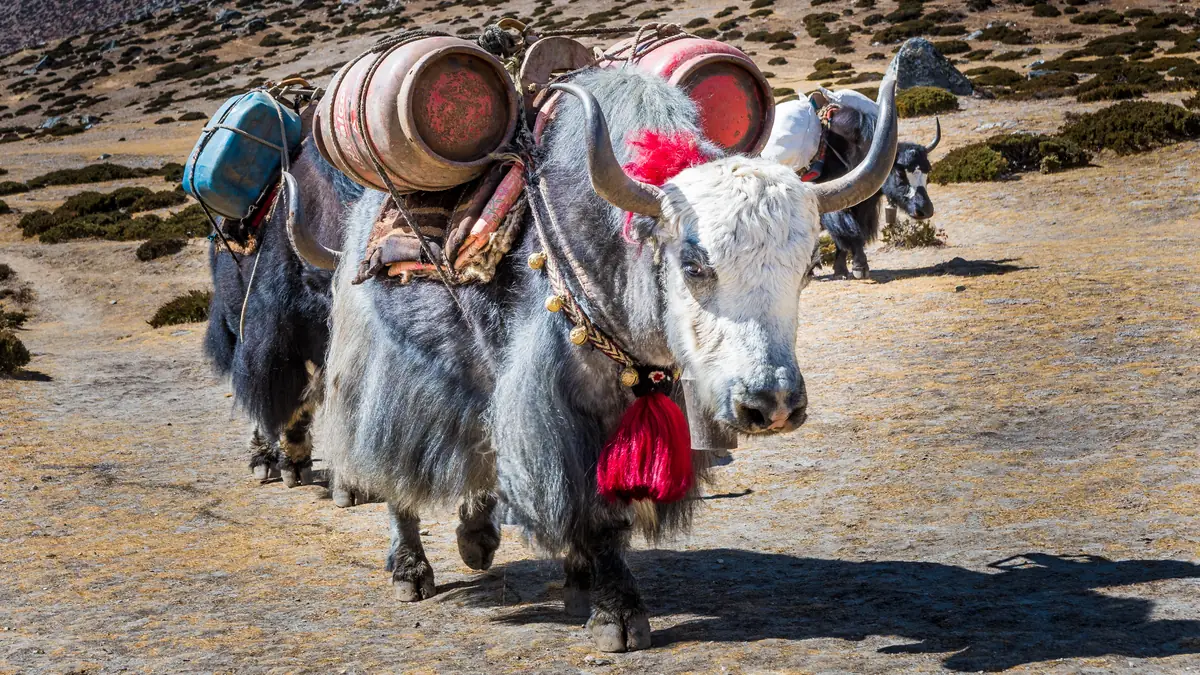
A yak barn is a barn-scale building for a high-altitude herd animal that most builders never meet. The yak is a domesticated bovine kept for milk, fibre and meat in the high mountains of Central Asia, and a startup that installs yak barns is building pens, feeding systems and shelter for an animal that lives where the air is thin, the winters are long and the wind cuts through ordinary farm buildings. The work is closer to fitting out a mountain livestock barn than to putting up a garden shed, and the tools that help a new business plan it have to understand the animal first.
Yaks are hardy in a way that changes every decision in the barn. A thick double coat and a slow metabolism let a yak stand out in snow that would send most cattle looking for cover, so the barn is built to break the wind and keep bedding dry rather than to hold heat. Yaks are also strong and heavy, with a habit of leaning on fences and pushing through weak gates, so the penwork has to be yak-proof rather than merely cattle-strong. Feeding runs through a long cold season when pasture is buried, fibre is harvested once a year from the soft undercoat, and milk comes in modest daily amounts from animals that calve on high ground. Every part of the build, from the pen layout to the feed store, follows from those facts.
The nine tools below cover the whole job, from the first site survey to the final invoice. They plan pens and fencing, balance winter rations, model wind and snow load on the shelter, track fibre and milk, watch herd health at altitude, and keep the startup’s quotes and books in order. If your background is in ordinary cattle sheds, start by reading how cattle barn installation startups plan a domestic herd building, then note where the yak job diverges: colder ground, stronger animals, longer winters and a fibre harvest that no cattle barn ever has to handle.
Key takeaways
- A yak barn shelters a hardy high-altitude animal from wind and wet, not from cold alone — plan for draught-free lying areas and dry bedding first.
- Penwork and fencing must be yak-proof: heavy gates, deep-set posts and rails a strong animal cannot lean apart.
- Winter feeding is the longest job in the barn — size the feed store and the ration plan before you size the pens.
- One barn can serve milk, fibre and meat, but the three outputs need different pen, handling and storage space.
- Price the job with yak-specific costs — altitude transport, heavy materials and cold-weather working days — or the quote will be wrong.
Plan the pens, fencing and shelter
The first decisions in a yak barn are the shape of the pens, the strength of the fences and the way the building stands up to mountain weather. Get these wrong and every later job, from feeding to milking, fights the building. The three tools in this section work on the shell of the barn before a single animal walks in, and they are the ones to buy first.
1. YakPen Planner AI
YakPen Planner AI draws the pen layout for a yak herd, and it starts from the animal rather than from a standard cattle template. A yak needs more lying space than its body weight suggests because the long outer coat and the thick undercoat spread out when the animal settles, and a pen drawn for cattle of the same weight ends up cramped once a dozen yaks lie down together. The tool takes the herd size, the split between milking animals, dry animals and young stock, and the way the herd moves between the barn and the high pasture, then lays out pens with gates wide enough for a yak to turn without catching its horns on the frame.
The planner also thinks about flow. Yaks move slowly and dislike being rushed through narrow races, so the tool keeps the passages between pens short and straight, puts the handling area where the animals already want to walk, and keeps the milking pen close to the feed store so the daily round is a short loop rather than a long haul across the yard. It flags pens that would force a yak to back out of a dead end, and it marks the corners where a heavy animal leaning on a rail would put the most strain on the posts. For a startup, the value is that the layout arrives as a drawing a client can walk through on screen before any timber is ordered, which cuts the long arguments about pen sizes that otherwise eat the first week of a job.
Best for: the first drawing a client sees. Use it on every job, even a small one, because a pen plan that the herder trusts is what turns a quote into a signed contract. Pair it with a site visit in bad weather, since wind direction on a calm day tells you nothing about where the snow will drift in February.
2. YakProof Fence AI
YakProof Fence AI specs the fencing and gates for a yak barn, and its whole job is to stop a strong animal from treating the fence as a suggestion. Yaks lean. They rub against posts, push at gates with their heads and test any rail that gives even slightly, and a fence that would hold cattle for years can be spread apart by a yak herd in a single winter. The tool works out post depth, rail spacing and gate hanging for the ground on the site, and it sizes the fixings for the weight of an adult yak pressing on a rail rather than for a polite animal standing beside it.
The tool also plans the fence lines around the barn, not just inside it. The yard fence, the lane to the pasture and the holding pen by the road all get the same treatment, and the tool marks the stretches where the ground is soft after the thaw and posts need to go deeper. A yak barn is a domestic herd building, not a wild-animal handling yard, so the handling is calm and the fences are built for a strong domestic animal rather than for wild stock — the contrast is clear if you read how bison barn installation startups plan chutes and wild handling, which is a different job from the yak barn’s quiet penwork.
Best for: any job where the client has kept yaks before and knows what they can do to a fence. If the client says the old fence lasted ten years, ask what animal it held; a fence that held sheep will not hold yaks, and this tool makes that difference visible in numbers.
3. YakShelter Sense AI
YakShelter Sense AI models the shelter itself: how the wind moves across the site, where the snow will drift against the walls, and which parts of the barn stay dry when the weather turns. A yak barn does not need to be warm, and heating one is wasted money, but it does need to be dry and draught-free where the animals lie. The tool maps the prevailing wind, the slope of the ground and the height of the roof, then shows where a gap in the cladding will drive rain onto the bedding and where a low eave will pile snow against the door.
The model covers the roof as well as the walls. Snow load on a mountain barn is a real structural question, and the tool estimates the load for the site’s altitude and exposure, then checks it against the roof pitch and the spacing of the rafters. It also looks at ventilation, which matters more than most first-time builders expect: a barn full of yaks gives off a lot of moisture, and without a steady flow of air through the ridge the bedding stays damp and the animals breathe stale air all winter. The tool balances the vents so the air moves without creating a cold draught across the lying area, which is the difference between a barn that works and a barn that makes animals cough.
Best for: the structural conversation with the client and the builder. Bring its wind and snow maps to the first site meeting, because they settle arguments about which way the barn should face faster than any amount of talk.
Feed, milk and fibre: the working side of the barn
Once the shell stands, the barn has to work every day. Feed has to reach the animals through the winter, milk has to be collected cleanly, and the soft fibre undercoat has to be harvested, stored and graded without getting mixed into the bedding. The three tools in this section run the daily working side of the barn, and they are what make the building pay for itself.
4. YakFeed Mix AI
YakFeed Mix AI builds the winter ration for a yak herd, and it works from the fact that yaks eat less than cattle of the same size but need that feed to last longer. The cold season at altitude can run for months, and the pasture under the snow gives nothing, so the barn’s feed store has to hold the whole winter’s hay and concentrate before the first snow closes the road. The tool takes the herd’s weight, the number of milking animals, the expected cold and the feed already in store, then works out the daily ration and the date the store runs out.
The ration itself is built around what yaks actually eat: coarse hay, alpine grasses cut and dried in summer, and a small amount of concentrate for milking animals and growing young stock. The tool flags rations that are too rich, because a yak fed like a dairy cow will put on fat it does not need and lose condition in other ways, and it flags rations that are too thin for a milking animal in deep winter. It also plans the feeding routine inside the barn, spacing the troughs so every animal can eat at once without the stronger ones pushing the weaker ones aside, and it works out the labour of feeding so the herder knows how long the morning round takes.
Best for: sizing the feed store before the barn is built. A feed store that is too small is the most expensive mistake in a yak barn, because buying hay in midwinter at altitude costs far more than building a bigger store in the summer.
5. YakMilk Flow AI
YakMilk Flow AI plans the milking side of the barn, from the pen where the animals wait to the room where the milk is cooled and stored. Yak milk is rich and comes in modest amounts, which changes the equipment: the volumes are smaller than a dairy herd, the fat content is higher, and the milk has to be kept clean and cool in a building that may sit far from a mains supply. The tool lays out the milking area so the animals walk in calmly, the milker works without bending double, and the milk moves from the animal to the cooler in the shortest clean line.
The tool also plans the daily routine. It works out how many animals one person can milk in a morning, where the calves wait while their mothers are milked, and how the milk store stays cold through a warm afternoon. It keeps the milk room separate from the feed store and the bedding store, because milk picks up smells fast, and it marks the water points the milker needs for washing down. For a startup fitting out a barn for a milking herd, this tool turns a vague idea of a milking area into a measured plan with troughs, rails, drainage and a cooler that all fit the space.
Best for: any barn where milk is a real income rather than an afterthought. If the client milks ten animals or more, the milking area deserves its own plan, and this tool is the fastest way to draw one that the herder can work in every day.
6. YakFibre Track AI
YakFibre Track AI follows the fibre harvest, which is the part of the yak business that no other barn animal shares in quite the same way. Once a year the soft undercoat, the down, is combed out, and it is worth far more than the coarse outer hair. The two must never be mixed, and the barn needs a clean space where the combing happens, the down is bagged, and the coarse hair goes elsewhere. The tool plans that space and tracks the harvest from each animal through grading to the bag.
The tracking matters because down is sold by quality and weight, and a bag that mixes grades loses money. The tool records which animals were combed, how much down each gave, and which grade each bag holds, so the herder can show a buyer exactly what is in the store. It also plans the storage: down must stay dry and clean, away from dust and from the feed store, and the tool marks the shelf space and the bags needed before the harvest begins. Fibre animals are a different business from meat animals, and the closest comparison is the alpaca trade, so it is worth seeing how alpaca barn installation startups plan their own fibre handling and storage before you draw the yak version.
Best for: herds where fibre is the main income. Even a small herd benefits, because one mixed bag can spoil a season’s grading, and the tool pays for itself the first time a buyer asks what is in the store.
Keep the herd healthy at altitude
A yak barn is a health building as much as a housing building. The animals live high, work hard in thin air and spend the winter in close quarters, so small problems spread fast and a sick animal at altitude is harder to treat than one on low ground. One tool in this section watches the herd, and it earns its place by catching trouble early.
7. YakAltitude Health AI
YakAltitude Health AI watches herd health with altitude in mind, and that changes what it looks for. Yaks are adapted to thin air, but they still suffer when the barn is damp, the feed is short or the herd is crowded, and the tool tracks the signs that matter at height: feed intake, lying time, coughing, coat condition and the slow weight loss that shows up before any obvious illness. It builds a baseline for each animal from the first weeks in the barn, then flags the ones that drift away from their own normal.
The tool also plans the health jobs inside the barn. It marks the isolation pen where a sick animal can be kept apart without being cut off from the herd’s sight and smell, it schedules the routine checks through the winter when the vet may be days away, and it keeps the treatment records so the herder knows what was given and when. The barn layout and the health plan work together here: a barn with a proper isolation pen and a handling area that does not stress the animals is a barn where health problems get caught and treated instead of spreading through the herd.
Best for: herds kept far from a vet. At altitude the herder is the first responder, and a tool that turns daily observation into a clear flag is the difference between treating one animal and treating the whole herd.

Price the job and run the books
A yak barn startup is a business, and the last two tools keep the business honest. Yak barns are built in difficult places, and the costs that sink a job are the ones a builder forgets to price: the road up the mountain, the days lost to weather, and the materials carried further than expected. These tools put those costs on the page before the quote goes out.
8. YakQuote AI
YakQuote AI builds the quote for a yak barn job, and it prices the mountain into the job rather than treating it as an afterthought. Transport up a high road costs more per tonne than transport on the flat, heavy timber and steel cost more to carry, and a crew working at altitude works slower and needs more rest. The tool takes the pen plan, the fence spec and the shelter model from the other tools and turns them into a line-by-line quote with materials, labour, transport and a realistic allowance for weather days.
The quote also shows the client where the money goes, which matters when the price looks high next to a lowland barn. The tool breaks out the cost of the yak-proof penwork, the feed store and the shelter separately, so the client can see that the barn is not expensive for the sake of it but expensive because the site and the animal demand it. It keeps a record of past quotes too, so the startup can see which jobs made money and which ones were priced too low, and the next quote learns from the last one.
Best for: every quote, without exception. A yak barn job priced like a lowland cattle shed is a job that loses money, and this tool is the simplest way to make sure the mountain is in the price.
9. YakLedger AI
YakLedger AI runs the books for the startup itself: invoices, expenses, supplier payments and the cash flow between jobs. A barn installation business has lumpy income, with big payments arriving when a job finishes and long quiet stretches between jobs, and the tool keeps the cash position visible so the business never orders materials for the next job with money it has not yet been paid. It tracks each job separately, so the profit on a yak barn can be compared with the profit on any other job the business takes on.
The ledger also tracks the costs that are easy to lose: fuel for the high road, overnight stays for the crew, wear on tools used at altitude, and the small consumables that add up across a job. It files the receipts against the job they belong to and produces the simple reports a small business needs at the end of the month and the end of the year. For a new startup, that discipline is what turns a run of good jobs into a business that lasts.
Best for: the business behind the building. The best pen plan in the world will not save a startup that cannot tell whether its last job made money, and this tool answers that question in one page.
Compare the tools at a glance
| Tool | Best for | The yak-barn job | Use it |
|---|---|---|---|
| YakPen Planner AI | First drawing | Pen layout for the herd | Every job |
| YakProof Fence AI | Fences and gates | Yak-proof posts and rails | Every job |
| YakShelter Sense AI | Wind and snow | Shelter, roof and vents | Before building |
| YakFeed Mix AI | Winter feeding | Rations and feed store size | Before building |
| YakMilk Flow AI | Milking herds | Milking area and milk room | Milking barns |
| YakFibre Track AI | Fibre herds | Down harvest and grading | Fibre barns |
| YakAltitude Health AI | Remote herds | Health flags at altitude | Every herd |
| YakQuote AI | Pricing | Quotes with mountain costs | Every quote |
| YakLedger AI | The business | Invoices and cash flow | Every month |
Your first yak barn: a six-step checklist
- Walk the site in bad weather and mark where the wind drives snow against the ground — that is where the barn must not face.
- Draw the pen plan for the real herd, split by milking, dry and young animals, with gates a yak can turn through.
- Spec the fences and gates for a strong animal that leans, and set the posts deeper where the ground softens after the thaw.
- Size the feed store for the whole winter before you size the pens, and work out the ration that lasts until the road opens.
- Plan the milk room and the fibre store as clean, separate spaces away from feed dust and bedding.
- Price transport, altitude working days and weather delays into the quote, and keep the job’s books apart from the next job’s.
Frequently asked questions
How much does a yak barn cost to install?
There is no single figure, because the site sets the price. A small barn for a dozen animals on an accessible site costs far less than the same barn at the end of a long mountain road, and transport, altitude labour and weather days are usually the largest part of the difference. A realistic quote prices the penwork, the feed store, the shelter and the transport separately, so the client can see where the money goes and what could be trimmed without weakening the barn.
Do yaks need a heated barn?
No. Yaks are built for cold, with a thick double coat that handles temperatures far below anything a barn needs to hold off. What they need is shelter from wind and driving rain, a dry lying area and bedding that stays dry. Heating a yak barn wastes money and can make the air damp, which is worse for the animals than the cold outside. Spend the budget on draught-free lying areas, a sound roof and ventilation that keeps the air fresh without chilling the animals.
How strong does yak fencing need to be?
Stronger than cattle fencing of the same height. Yaks lean on fences, rub on posts and push at gates with their heads, and a fence that holds cattle can be spread by a yak herd in one winter. Posts need to go deep, rails need to be fixed so they cannot be lifted off, and gates need hinges and latches rated for a heavy animal pressing on them. The fence around the yard and the lane to the pasture needs the same strength as the pens, because that is where escapes happen.
Can one barn serve milk, fibre and meat herds?
Yes, but the three outputs need different space inside it. Milking needs a clean milking area and a milk room, fibre needs a clean combing and storage space where the down stays separate from coarse hair, and meat animals mainly need sound pens and a good feed store. One barn can hold all three if the plan separates the clean jobs from the dusty ones and gives each its own store. Trying to do all three in one undifferentiated space is where quality is lost.
What makes a yak barn different from a cattle barn?
The animal and the site. A yak is a high-altitude bovine kept for milk, fibre and meat, and it is stronger, hardier and longer-coated than lowland cattle, so the pens must be roomier, the fences stronger and the shelter built for wind and snow rather than heat. The site is usually higher, colder and further from supply, so the feed store must hold a longer winter and the quote must carry transport and weather costs a lowland barn never sees. The building looks similar from the outside, but every measurement inside follows from a different animal.
Do I need permission to build a yak barn?
It depends on the place. Rules for farm buildings, high ground and protected landscapes vary widely, and a barn on mountain land can fall under more than one set of rules at once. Check the local planning and land rules before ordering materials, and keep the drawings and the site survey with the application, because a clear plan with pen sizes, drainage and access is much easier to approve than a sketch. If the site is in a protected landscape, allow extra time.
The bottom line
A yak barn installation startup succeeds by respecting the animal and the mountain in equal measure. Plan the pens for a strong, long-coated herd, build the fences to hold it, keep the bedding dry and the air fresh, size the feed store for the whole winter, and give milk and fibre their own clean spaces. The nine tools above cover that job from the first site survey to the last invoice, and a startup that uses them together will quote honestly, build soundly and leave behind barns that work through the hardest winters. That is the whole business: a dry, strong, well-planned barn for an animal that asks for little and gives milk, fibre and meat in return.

Keep what speaks to you.
Leave room for your own perspective.