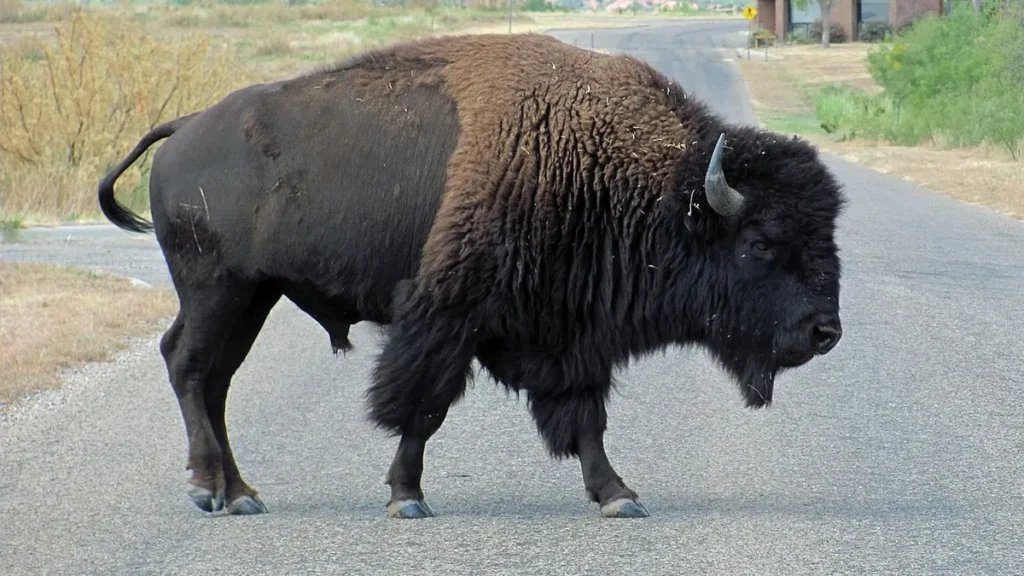
A bison barn is not a bigger cattle shed. A mature bull can weigh close to a tonne, charge at forty kilometres an hour, and lean on a gate until the hinges give way. A barn that holds bison has to be drawn, priced and built around that animal from the first sketch, because every weak point — a low rail, a light gate, a blind corner in the handling race — becomes the place where the job fails and somebody gets hurt.
That is why a bison barn installation startup needs its own set of AI tools. The software has to size pens for animals that need far more room than cattle, specify fencing that a bison cannot push through, lay out handling chutes that move a wild bovine without trapping it, and cost all of it honestly before the first post goes in the ground. Generic barn software will happily draw you a cattle shed and call it a bison barn. The tools below will not.
This guide compares the nine best AI tools for a bison barn installation startup in 2026. Each one is judged on the barn-scale bison build: heavy pens, bison-proof fencing, handling chutes, feeding and shelter. If a tool cannot tell a bison pen from a cattle pen, it does not make the list.
Key takeaways
- A bison barn is a barn-scale build for a wild bovine, so pens, gates and fences must be rated for animals near a tonne in weight.
- Handling chutes and curved races matter more than stalls, because bison are worked in groups and never tied up like cattle.
- Fencing is the most expensive line on most bison barn jobs, and it is where AI quoting tools earn their keep.
- Feeding and watering tools must plan for dust-bathing, wallowing and winter hardiness, not for a housed dairy herd.
- Buy the layout and fencing tools first, then add quoting and records once the first two jobs are priced.

What makes a bison barn different
A bison is a wild bovine, not a domestic one. It does not stand quietly in a stall, it does not tolerate being tied, and it does not forget a bad handling experience. A barn for bison is therefore built around movement and escape routes for people, not around restraint. Pens are large and few, gates swing the full width of the passage, and every pen has a way out for a handler that does not cross the path of the animals.
The contrast with a domestic cattle building is sharp. A cattle barn installation houses adult cattle in group pens with feed passages, ventilation and slurry handling, and the animals are used to daily human contact. Bison keep their distance, spook at sudden movement, and test fences with their full weight. Copying a cattle pen layout and adding taller rails is the most common mistake a new bison barn startup makes, and it is usually discovered the first time a bull leans on a gate.
Size drives everything else. A bison pen needs roughly twice the floor area per animal of a cattle pen, because bison need room to turn, separate and lie down without crowding each other. Feed passages are wider, water troughs are heavier and bolted down, and bedding stores are larger because bison barns use deep straw in winter. The tools in this guide all start from those numbers rather than from cattle standards.
The barn shell itself is part of the same problem. Doors must be tall and wide enough for a loaded tractor and for a bison on the move, roof heights must clear the handling equipment, and the straw store has to sit close enough to the pens that bedding a pen does not mean crossing the yard with a loaded trailer. A bison barn also needs a solid yard outside the pens where animals can stand, dust-bathe and wallow without churning the ground into mud. Software that only draws the inside of the barn misses half the job, which is why every tool below plans the yard, the races and the stores as part of the same drawing.
The 9 best AI tools for a bison barn installation startup
Each tool below covers one part of the barn-scale bison build. Together they take a startup from the first site visit to handover, with nothing left to guesswork.
The nine were judged on three tests. First, does the tool size its work from bison numbers rather than cattle numbers, so that pens, fences and chutes come out in the right class? Second, does it produce drawings and prices a fencing crew can actually build from, with steel sizes, post spacing and gate ratings stated plainly? Third, does it cover a part of the job no other tool on the list covers, so that buying all nine never means paying twice for the same drawing? Every tool below passes all three tests, and none of them repeats another tool’s work.
1. BisonYard Planner AI: The Best Tool for Barn-Scale Pen Layout
BisonYard Planner AI draws the whole yard before anything is built. You feed it the herd size, the ground shape and the way the animals will be moved, and it returns a pen layout with pen sizes, gate positions, feed passages and handler escape routes marked on the plan. It sizes pens from bison space standards, not cattle ones, so a pen for twenty bison comes out visibly larger than a cattle pen for twenty head.
What sets it apart is the way it tests the layout. The tool runs a simulated move of the herd from the holding pen to the handling area and flags every dead end, blind corner and gate that opens the wrong way. A new startup can catch a layout error on screen in ten minutes instead of discovering it with a tonne of bison pushing against a gate. It also prices the steel and timber per pen, so the layout and the quote stay in step.
Buy this one first. Every other tool on this list works better when the pen layout is already right, and most bison barn disputes trace back to a pen that was drawn too small or a gate that was put in the wrong place.
2. ChuteFlow AI: The Best Tool for Handling Chutes and Herd Flow
ChuteFlow AI designs the handling system: the curved race, the squeeze chute, the sorting gates and the loading ramp. Bison are worked in a flow, moving steadily forward through a curved race they cannot see around, and the tool models that flow pen by pen. It warns you when a race is too straight, too wide or too short for the herd size, and it suggests the curve radius that keeps animals moving without baulking.
Safety is built into every drawing. The tool places handler walkways above the race, marks the kick and crush zones around the chute, and checks that a handler can always reach an escape gate within a few steps. It also sizes the squeeze chute for a full-grown bull, which is the dimension most generic handling software gets wrong. A chute that fits a cow will not hold a bison, and a bison that feels trapped in a narrow chute is a dangerous animal.
The closest cousin to this build is a wild-deer handling system, and a deer barn installation shares the curved-race idea because deer are also tall, flighty animals that jump. But deer races are built for animals a third of a bison’s weight, with lighter gates and narrower chutes. ChuteFlow AI is drawn for bison weight from the start, so its steel sizes, gate latches and chute widths are in a different class.
3. BisonProof Fence AI: The Best Tool for Bison-Proof Fencing
BisonProof Fence AI specifies the fence line: post spacing, rail heights, steel sizes and gate frames for fencing that a bison cannot push through. It works from the ground up, taking soil type, slope and frost depth and returning a post and rail schedule that a fencing crew can build from without guessing. A typical bison fence in its plans stands close to two metres high with six rails, and every gate is framed in heavy steel with hinges rated for the load.
The tool also walks the fence line on the map and flags the weak spots: low ground where a bison could step over, corners where animals bunch and push, and gates that open into the wrong pen. It costs each section separately, which matters because fencing is usually the largest single cost on a bison barn job. A startup that prices fencing by the metre without separating corners, gates and water crossings will underprice the job.
High fencing is also the theme of the strongest large-animal barns, and an ostrich barn installation is planned around the tallest, strongest ratite and its own high fencing. But ostrich fencing is built to contain a tall bird that kicks, while bison fencing is built to contain a charging animal near a tonne in weight. BisonProof Fence AI sizes its posts and rails for impact and leaning load, which is a different engineering problem.
4. BisonFeed AI: The Best Tool for Feeding Rations and Feed Passages
BisonFeed AI plans what the herd eats and where the feed goes. It builds rations from hay, pasture and mineral supplements for bison of different ages and conditions, and it lays out the feed passages, hay racks and trough positions so that feeding does not mean entering the pen. Feed is delivered from outside the fence wherever possible, which keeps handlers safe and keeps the animals calm.
The tool also tracks the seasons. Bison eat heavily in autumn to lay down fat for winter, and they need far less in late winter when they are living off that condition. BisonFeed AI adjusts the ration month by month and warns when a herd is losing condition faster than the feed plan allows. It also sizes hay storage for the whole winter, because a bison barn that runs out of hay in February has no good options.
For a new startup, the practical value is the feed passage drawing. A passage that is too narrow for the tractor, a rack that a bison can reach over and pull down, or a trough placed where animals crowd and fight are all errors this tool flags before the concrete is poured.
5. BisonAir AI: The Best Tool for Barn Ventilation and Air Quality
BisonAir AI sizes ventilation for a barn full of very large animals. A bison gives off far more heat and moisture than a cow of the same height, and a barn that is warm in winter can turn damp and stale quickly. The tool calculates air changes from herd size and barn volume, places inlets and outlets to avoid draughts at animal level, and checks that ammonia stays low even when the barn is closed up in a cold snap.
It also plans for dust. Bison dust-bathe, and the fine dust they raise settles on every surface in the barn. BisonAir AI places fans and vents so that dust is carried out rather than recirculated, and it flags electrical fittings that need dust-proof covers. This is a small detail that saves a surprising amount of maintenance over the first year.
The tool is at its best on a retrofit, where an old cattle barn is being converted for bison. It will tell you honestly when the existing roof vents cannot move enough air for a bison herd, and what it would cost to add the capacity, rather than letting a startup discover the problem in the first winter.

6. BisonWater AI: The Best Tool for Water Lines, Troughs and Winter Supply
BisonWater AI plans the water system for a herd that drinks a lot and breaks light fittings. It sizes troughs from herd size and summer demand, places them where animals can drink without crowding, and specifies troughs that are bolted down and too heavy to tip. Water lines are routed outside the pens wherever possible, so a burst pipe can be fixed without entering with the herd.
Winter is the real test. Bison drink through the coldest months, and a frozen trough is a welfare problem within a day. The tool calculates heating demand for each trough, checks the power supply to the barn, and flags any trough that would freeze in a hard frost. It also plans for wallows and mud, because bison will turn any wet ground near a trough into a wallow within weeks.
A startup that gets water right rarely gets a call-back about it. A startup that gets it wrong gets the call in January, when the ground is frozen and the fix is expensive. BisonWater AI is cheap insurance against that call.
7. BisonHealth AI: The Best Tool for Herd Health Checks and Records
BisonHealth AI keeps the health record for the herd and reminds the startup what to check at handover. It logs vaccinations, parasite treatments, injuries and calving dates, and it flags animals that have missed a treatment or lost condition between visits. The record stays with the barn, so the owner and the vet can both see the same history.
The tool also helps with handling plans. Bison need health checks without being caught and tied, so the tool suggests which animals can be checked in the race and which need the squeeze chute, and it keeps a note of which animals are calm and which are not. That note is worth more than it looks: a handler who knows which bull is difficult will plan the move differently.
For the startup, the value is at handover. A barn handed over with a clean, complete health record and a schedule for the next checks is a barn the owner trusts, and a barn the owner trusts is a barn that brings the next job.
8. BisonQuote AI: The Best Tool for Priced Quotes and Job Costing
BisonQuote AI turns the drawings into a priced quote. It takes the pen layout, the fence schedule, the chute design and the feed and water plans, and prices materials, labour and plant hire line by line. Because it prices from the same drawings the crew will build from, the quote and the build cannot drift apart.
The tool is honest about the expensive parts. Fencing, gates and the handling system usually take the largest share of the price, and BisonQuote AI shows the client exactly where the money goes. That honesty wins work: a client who can see why a bison barn costs more than a cattle barn is a client who signs, while a client given a single unexplained number will shop around.
It also tracks the job as it runs. Materials ordered, hours worked and changes requested are logged against the quote, so the startup knows before the end of the job whether it is on budget or not, rather than finding out at the final invoice.
9. BisonLedger AI: The Best Tool for Job Records, Handover and Aftercare
BisonLedger AI is the record book for the whole job. It stores the drawings, the quotes, the material orders, the photographs of each stage and the handover notes in one place, tied to the barn rather than to a single person. When a gate needs adjusting six months later, the startup can open the record and see exactly what was fitted and why.
Aftercare is where this tool earns its place. Bison barns settle, gates drop, and fences need re-tensioning in the first year. BisonLedger AI schedules the aftercare visits, lists what to check at each one, and records what was found. A startup that turns up for the scheduled check without being asked is a startup that gets recommended.
It also closes the loop on the business side. Jobs are logged with their costs and margins, so the startup can see which kind of bison barn work pays and which kind does not, and can price the next job from real numbers rather than from hope.
Which bison barn tool should you buy first?
Start with layout and fencing, then add the rest as the work grows. This table ranks the nine tools by the order a new startup should buy them.
| Tool | Best for | Buy it |
|---|---|---|
| BisonYard Planner AI | Barn-scale pen layout | First |
| BisonProof Fence AI | Bison-proof fencing | First |
| ChuteFlow AI | Handling chutes and herd flow | First |
| BisonQuote AI | Priced quotes and job costing | Second |
| BisonFeed AI | Feeding rations and feed passages | Second |
| BisonWater AI | Water lines, troughs and winter supply | Second |
| BisonAir AI | Barn ventilation and air quality | Second |
| BisonHealth AI | Herd health checks and records | Third |
| BisonLedger AI | Job records, handover and aftercare | Third |
Before you price your first bison barn
Run through this checklist on every job. If any item is missing, the quote is not ready to send.
- Pen sizes checked against bison standards: confirm every pen gives each animal room to turn, separate and lie down without crowding.
- Fence line walked on the ground: check low ground, corners and gate positions in person, not only on the plan.
- Handling flow simulated: run the herd move from holding pen to chute and fix every dead end and blind corner first.
- Gates and hinges rated for bison weight: confirm the steel size and hinge rating, and never fit a cattle gate on a bison pen.
- Water and feed reachable from outside the pen: make sure feeding and watering never require entering with the herd.
- Handover pack prepared: drawings, health records, aftercare dates and the name of the person to call first.
Frequently asked questions
What is a bison barn installation startup?
It is a business that designs and builds barns, pens, fencing and handling systems for bison herds. The work covers the whole build: the pen layout, the barn shell, the bison-proof fencing, the curved race and squeeze chute, the feed and water systems, and the handover pack. It is a specialist trade because bison are wild, heavy animals that need stronger buildings and safer handling than domestic livestock.
How is a bison barn different from a cattle barn?
A bison barn is built for a wild bovine near a tonne in weight that keeps its distance from people and tests fences with its full weight. Pens are larger, fences are taller and heavier, gates are steel-framed, and handling is done through curved races and chutes rather than stalls and ties. A cattle barn is built for domestic animals that tolerate close handling, so its pen sizes, gate weights and handling systems are all lighter.
How high should bison fencing be?
A working bison fence usually stands close to two metres high with six rails, with posts set deep enough to hold against leaning and pushing. The exact height and rail spacing depend on the ground, the herd and the local rules, and the fence should always be specified by a tool or a fencing specialist rather than guessed. Corners and gates need heavier framing than straight runs.
How much does a bison barn cost?
There is no single price, because the cost depends on herd size, ground, fencing length and the handling system. Fencing, gates and the chute usually take the largest share of the budget. A startup should price each job from its own drawings with a quoting tool, and show the client the cost of each part, rather than quoting a flat rate per animal.
Do bison need shelter in winter?
Bison are winter-hardy animals that cope well with cold, wind and snow, and they spend much of the winter outdoors. The barn matters most as a sheltered handling and feeding base, a dry place for calving, and a windbreak in the worst weather. Ventilation and dry bedding matter more than heating, and a barn that is warm but damp is worse than a cold, dry, well-ventilated one.
Can AI tools really design a bison barn without a site visit?
They can draw the layout, size the pens, specify the fencing and price the job, but they cannot replace the site visit. Ground conditions, slopes, drainage and access all need to be seen in person, and the fence line should always be walked before the quote is sent. The tools make the visit faster and the drawings better, but the visit still has to happen.
The bottom line
A bison barn installation startup lives or dies on its first two jobs, and both will be judged on the same things: pens big enough for the animals, fencing strong enough to hold them, and a handling system safe enough to work with them. The nine tools in this guide cover that build from the first sketch to the aftercare visit, and the three to buy first are BisonYard Planner AI, BisonProof Fence AI and ChuteFlow AI. Get the layout, the fencing and the flow right, and the rest of the business follows.
Start small and price honestly. Take on one herd, walk the fence line yourself, and let the quoting tool show the client where every pound goes. A bison owner who sees a careful plan and a fair price will come back with the next barn, and will send the next bison owner to you as well.

Keep what speaks to you.
Leave room for your own perspective.


