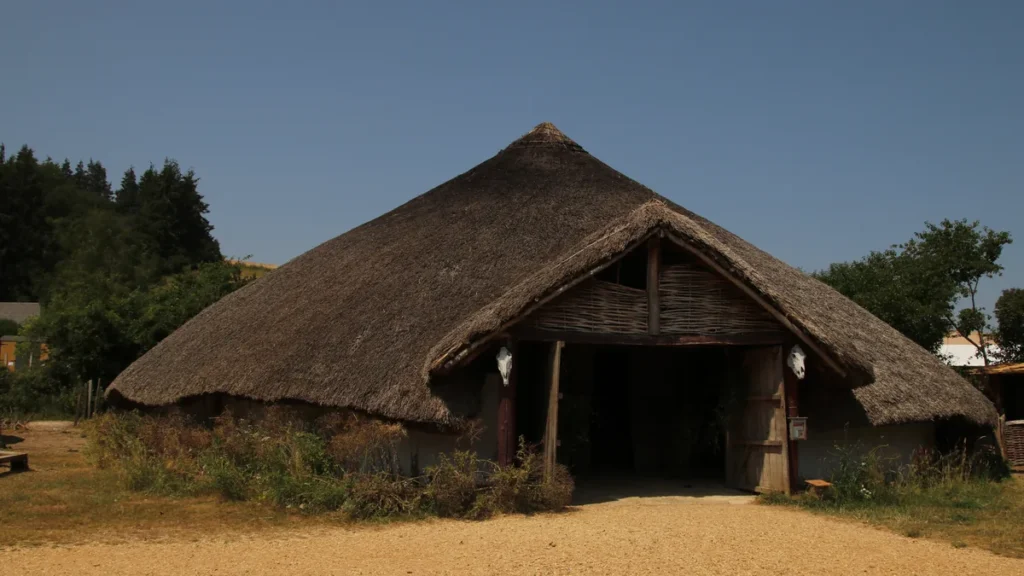
A cattle barn is the building where adult cattle live, eat and rest for most of the year, and a cattle barn installation startup is the small business that designs, builds and fits out that building for beef and finishing farms. The work is not about one animal at a time. It is about pens that hold a group of heavy adult cattle of a similar size, feed passages wide enough for a mixer wagon to turn in, air that stays fresh above a hundred warm bodies, bedding that stays dry under real weight, and slurry that has somewhere safe to go. A farmer who commissions a cattle barn wants cattle that stay healthy, gain weight steadily and move calmly through the building, and the startup that builds the barn is judged on exactly that.
That is a different build from the farm structures it is often confused with. A calf barn houses young calves only, in small group pens with shallow bedding and gentle draughts, and it is sized and ventilated for animals that weigh a fraction of an adult beast. A cattle crush is not a building at all: it is a single-animal steel handling chute, and the AI tools for cattle crush installation startups are about gates, squeeze pressure and floor grip, not roofs, pens and slurry. A dairy barn is built around a milking herd and the daily routine of milking, and the AI tools for dairy barn installation startups are sized for cows that leave the barn to be milked. A cattle barn for adult beef and finishing cattle has its own scale, its own materials and its own set of mistakes, and this guide stays on that build from the first survey to the final handover.
The nine tools below cover the whole job for a new cattle barn installation startup in 2026, from the first layout sketch to the final invoice. They were chosen because they fit a building for adult cattle: pen sizing for heavy animals, feed passages that work with real farm machinery, ventilation modelled for a full house, bedding budgets that match the tonnage a big herd actually uses, slurry storage sized to the regulations, and quotes that hold up when steel and concrete prices move. None of them is a calf-rearing app, a crush-design tool or a milking routine planner, because a cattle barn is none of those things. Each tool was chosen for one part of the build, and together they let a two- or three-person startup look organised from the very first job.
Key takeaways
- A cattle barn houses adult cattle in group pens, with feed passages, ventilation, bedding and slurry handling sized for heavy animals — not calves, not a handling chute and not a milking room.
- Pen size, feed passage width and ventilation are the three decisions that decide whether the barn works; get them wrong and no amount of smart software fixes the building.
- The nine tools below cover layout, pens, feed, air, bedding, slurry, stocking density, quoting and project tracking, with no overlap between them.
- Price the barn on measured quantities — steel, concrete, bedding tonnes and slurry cubic metres — and show the farmer the numbers before the first post goes in.
- Hand over records the farmer can use: pen plans, ventilation settings, bedding rates and a slurry plan, not just a set of keys.

What a cattle barn installation startup actually builds
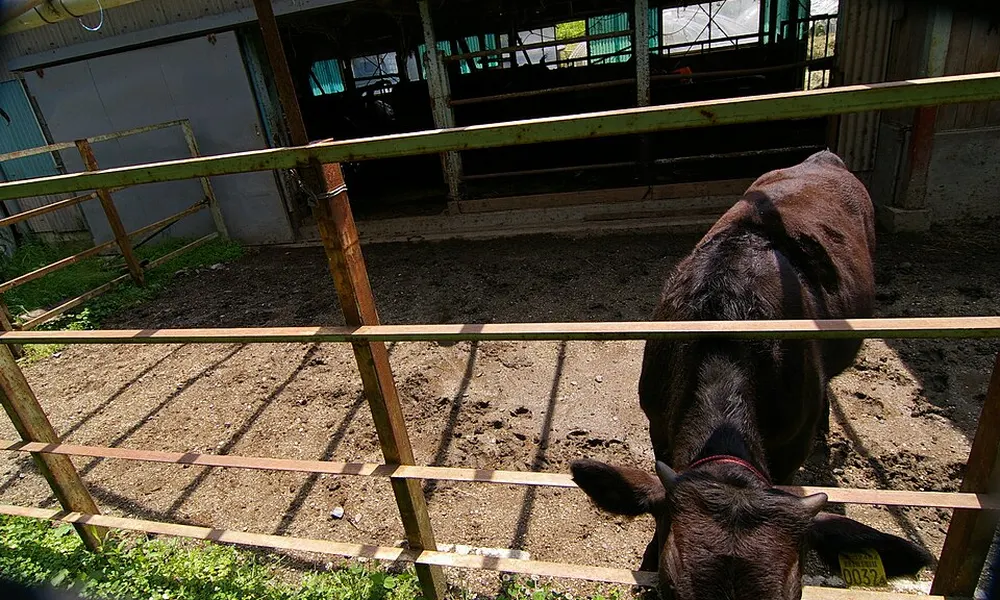
A cattle barn is a roofed, open-sided or partly enclosed building where a group of adult cattle lives between grazing seasons or through the finishing period. The animals are heavy — a finishing steer can weigh more than half a tonne — and everything in the building has to be built for that weight. Pen divisions are steel, not timber hurdles. Feed barriers are fixed to concrete, not propped on posts. Floors are grooved concrete or slatted, so cattle do not slip and slurry drains away. The roof has to clear a loader and a mixer wagon, and the ridge has to let warm, damp air out without letting driving rain in.
The inside of the barn is organised around four zones that repeat in every good design. The pens are where the cattle lie and stand, sized so every animal can lie down at the same time without crowding. The feed passage runs along the front of the pens, wide enough for the wagon and clean enough to scrape every day. The bedding area is where straw or sand is spread and topped up, and it needs dry storage close by. The slurry side is where dung and urine collect, in a tank or lagoon sized to hold months of output, because the law in most regions sets how long slurry must be stored before it can be spread.
Ventilation is the part of the build that new installers most often get wrong, and it is the part farmers complain about first. Adult cattle give off a great deal of heat and moisture, and a barn that holds a hundred of them needs a constant flow of fresh air. Too little air and the bedding stays damp, the cattle cough and pneumonia spreads through the pens. Too much draught at animal level and the cattle huddle, eat less and lose condition. The right design moves air above the animals, through ridge outlets and side openings, and keeps the pen floor dry. That is why the ventilation tool in this guide models the whole building rather than guessing at fan sizes.
How the nine tools were chosen
Each tool in this guide was picked for one job in a cattle barn build, and no two tools do the same job. The layout tool plans the building. The pen tool sizes the groups. The feed tool plans the passage and the bunks. The ventilation tool models the air. The bedding tool budgets the straw. The slurry tool sizes the storage. The stocking tool checks the density. The quoting tool prices the job. The tracking tool keeps the build on schedule. A startup that buys all nine has a tool for every stage, and a startup that buys three or four still has a working kit.
The tools were also picked because they fit adult cattle, not calves and not dairy cows in milk. Pen sizes, feed space per animal, bedding rates and slurry volumes are all different for a 600-kilogram finishing steer than for a 90-kilogram calf or a cow that leaves the barn twice a day to be milked. A tool that sizes pens for calves will under-size a cattle barn and leave the farmer with overcrowded pens by the second winter. The nine tools below work in adult-cattle numbers, and the guide says so where it matters.
The nine tools at a glance
| Tool | Main job | Best for | Starting point |
|---|---|---|---|
| BarnPlan AI | Whole-barn layout | First sketch to planning drawing | Site survey |
| PenLayout AI | Pen sizing and grouping | Group pens for heavy cattle | Herd size |
| FeedPass AI | Feed passages and bunks | Mixer wagon access | Feeding routine |
| VentBarn AI | Ventilation modelling | Fresh air without draughts | Building shape |
| BeddingPro AI | Bedding budgets | Straw and sand use | Pen area |
| SlurrySense AI | Slurry storage and handling | Tank and lagoon sizing | Herd numbers |
| HerdSpace AI | Stocking density checks | Comfort and compliance | Pen plan |
| BarnQuote AI | Quoting and costing | Honest fixed prices | Materials list |
| BuildTrack AI | Project tracking and handover | Small crews, tidy records | Build schedule |
The nine AI tools, in build order
1. BarnPlan AI
BarnPlan AI is the layout tool, and it is the first one to open on a new job. It takes the site measurements — the length and width of the yard, the slope of the ground, the position of the road and the existing buildings — and turns them into a plan of the barn: the roof span, the pen rows, the feed passage, the bedding store and the slurry tank. It draws in plan and in section, so the farmer can see the height of the roof and the width of the doors, and it flags the common mistakes early, such as a feed passage too narrow for the mixer wagon or a roof too low for the loader.
What makes BarnPlan AI useful for a cattle barn, rather than a general shed, is that it works in cattle-barn dimensions. It knows the feed space each adult animal needs at the barrier, the pen area per head for finishing cattle, and the turning circle of the machinery that will work inside the building. It also keeps the slurry side in the plan from the start, instead of leaving it as an afterthought that has to be squeezed in later. A layout that ignores slurry is a layout that will be redrawn, and redrawn layouts cost the startup time and the farmer confidence.
2. PenLayout AI
PenLayout AI sizes the pens and works out how the cattle are grouped inside them. Adult cattle need enough room to lie down all at once, to stand up without pushing a neighbour, and to reach the feed barrier without fighting. The tool takes the herd size and the average weight of the animals and works out how many pens are needed, how big each pen should be, and how the groups should be split so that animals of a similar size and temperament share a pen. That grouping matters more than most new installers expect: a pen of mixed sizes means the big animals push the small ones off the feed, and the small ones lose condition.
The tool also plans the pen divisions themselves. It works out the height and strength of the steelwork, the spacing of the rails, and where the gates should go so cattle can be moved in and out without a struggle. Good gates save hours over a winter, because cattle have to be moved for weighing, treatment and sale, and a gate in the wrong place turns a ten-minute job into an hour of shouting and chasing. PenLayout AI shows the gate positions on the plan, so the farmer can see how the cattle will move before the steel is ordered.
3. FeedPass AI
FeedPass AI plans the feed passage and the feed bunks, which is where the cattle eat every day of the winter. The feed passage has to be wide enough for the mixer wagon to drive through and turn at the end, with room for the driver to see the bunks and for the cattle to reach the feed without stretching. The tool works out the width from the size of the wagon the farmer actually uses, not from a standard figure, and it checks the turning circle at the end of the passage, which is where narrow designs fail.
The tool also sizes the feed space per animal. Adult cattle need a set length of barrier each, and a barn that short-changes the feed face will have cattle pushing and bullying at feeding time. FeedPass AI works out the total barrier length from the herd size, checks it against the pen plan, and flags any pen where the feed face is too short for the group it holds. It also plans the height of the barrier and the depth of the bunk, so feed stays in front of the cattle instead of being pushed through onto the passage floor.
4. VentBarn AI
VentBarn AI models the air moving through the building, and it is the tool that stops the barn from becoming damp, stale and unhealthy. Adult cattle produce a large amount of heat and moisture, and the tool works out how much air the building needs to move, where the inlets should go, and how big the ridge outlet should be. It models the barn in summer and in winter, because the two seasons ask for different things: in summer the barn needs maximum air movement to keep the cattle cool, and in winter it needs steady air movement without cold draughts at animal level.
The tool shows the airflow on a section drawing, so the installer and the farmer can see where fresh air enters, how it moves across the pens, and where the warm, damp air leaves through the ridge. That picture is worth more than a page of numbers, because it makes the design easy to explain. A farmer who can see the air path understands why the ridge needs to be open and why the side sheets need gaps, and is less likely to block the openings later because the barn feels draughty on a cold morning.
5. BeddingPro AI
BeddingPro AI budgets the bedding, which is one of the largest running costs of a cattle barn and one of the easiest to underestimate. The tool works out how much straw or sand a pen of adult cattle will use in a week, a month and a full winter, based on the pen area, the number of animals, and the type of bedding. It also works out how much dry storage the farm needs, because bedding that gets wet in the store is bedding wasted, and a barn that runs out of straw in February is a barn with wet cattle.
The tool lets the installer compare bedding options honestly. Straw is cheap to buy and easy to spread, but it needs a lot of storage and a lot of labour. Sand drains well and keeps cattle clean, but it is heavy to move and hard on slurry equipment. BeddingPro AI puts the costs side by side — purchase, storage, labour and disposal — so the farmer can choose with real numbers instead of habit. That comparison is often the most useful page in the whole handover pack, because bedding is a cost the farmer pays every week for years.
6. SlurrySense AI
SlurrySense AI sizes the slurry storage and plans how the slurry is handled, which is the part of a cattle barn build that carries the most regulation and the most risk. Adult cattle produce a large volume of slurry, and the tool works out the volume from the herd size, the housing period and the amount of water that enters the system from washing and rainfall. It then sizes the tank or lagoon to hold that volume for the storage period the rules require, with a margin for a wet winter.
The tool also plans the practical side: where the tank sits, how the slurry gets there from the pens, and how it is emptied for spreading. It checks the falls on the channels, the capacity of the pump or tanker, and the access for the spreading equipment. A tank that cannot be emptied easily is a tank that overflows, and an overflow is the kind of failure that brings inspectors, fines and a ruined reputation for the startup that built it.
7. HerdSpace AI
HerdSpace AI checks the stocking density of the finished plan, which is the final check that the barn is comfortable and compliant. It takes the pen plan and works out the floor area per animal, the feed space per animal, and the lying space per animal, and it compares those figures with the standards for adult beef cattle. If a pen is too tight, the tool says so plainly, and it shows which pens need to be bigger or which groups need to be split.
The tool matters because overcrowding is the quiet failure of cattle barns. A barn can look finished and still be too small for the herd it was built for, and the signs take a winter to show: cattle that never all lie down at once, feed intakes that fall, lameness that creeps up, and a farmer who quietly decides never to use that installer again. HerdSpace AI catches that failure on paper, before the concrete is poured, when fixing it costs a redraw rather than a rebuild.
8. BarnQuote AI
BarnQuote AI turns the materials list into a quote the farmer can trust. It takes the quantities from the layout, pen, feed, ventilation, bedding and slurry plans — the steel, the concrete, the roofing, the gates, the barriers and the tank — and prices them from a materials list the startup keeps up to date. It adds labour by the day, adds a margin, and produces a written quote that shows the quantities, so the farmer can see what the money is buying.
The value of the tool is in the quantities. A quote that says “one cattle barn, £60,000” tells the farmer nothing, and it leaves the startup exposed when the farmer asks what is included. A quote that lists the steel tonnage, the concrete volume, the number of gates and the length of feed barrier is a quote that can be checked, compared and defended. BarnQuote AI builds that list from the plans, so the numbers in the quote match the numbers in the drawings, and the crew builds what was priced.
9. BuildTrack AI
BuildTrack AI keeps the build on schedule and produces the handover records. It takes the build schedule — groundworks, steel, roofing, concrete, pens, feed barriers, slurry tank — and tracks each stage against the plan, so the startup knows whether the job is on time and the farmer knows when the cattle can move in. It logs deliveries, records who did what, and keeps photographs of each stage, which is useful when a question comes up months later about how a detail was built.
The tool is built for small crews. It runs on a phone, it works offline on a farm with no signal, and it takes a minute a day to update. That simplicity is the point: a tracking tool that takes half an hour a day will not be used, and a build with no records is a build with no defence if something goes wrong. BuildTrack AI keeps the records without getting in the way of the work, and it turns them into a handover pack at the end: the pen plan, the ventilation settings, the bedding rates, the slurry plan and the guarantee.
What a first cattle barn job looks like, week by week
The first week is the survey and the layout. The startup walks the yard with the farmer, measures the site, checks the access for lorries and the mixer wagon, and asks how many cattle the barn must hold and how they are fed. BarnPlan AI turns those measurements into a first layout, and PenLayout AI and FeedPass AI check the pens and the passage against the herd size. By the end of the week the farmer has a drawing and a rough price, and the startup knows whether the job is real.
The second and third weeks are the quote and the order. BarnQuote AI prices the steel, concrete, roofing and gates from the plans, and the startup sends a written quote with the quantities listed. When the farmer accepts, the materials are ordered and the groundworks are booked. This is also the week for the checks that cannot be skipped: the slurry rules for the region, the planning requirements, and the access for the concrete lorries. A barn that starts without those checks is a barn that stops halfway.
The build itself usually takes four to eight weeks, depending on the size of the barn and the weather. Groundworks and the slurry tank come first, then the steel frame, then the roof, then the concrete floors, and finally the pens, feed barriers and gates. VentBarn AI settings are fitted as the roof goes on, and BeddingPro AI figures are handed to the farmer so the bedding store is filled before the cattle arrive. BuildTrack AI keeps the schedule visible through all of it, so a delay in steel delivery is seen early rather than discovered on the day the crew arrives.
Pricing a cattle barn honestly
A cattle barn is priced on measured quantities, and the honest way to quote one is to show those quantities to the farmer. Steel by the tonne, concrete by the cubic metre, roofing by the square metre, gates by the number, feed barrier by the metre, and the slurry tank by its volume. A farmer who can see the quantities can see what the money buys, and can compare one quote with another without guessing. A startup that hides the quantities is asking the farmer to trust a single number, and trust is hard to earn on a first job.
The price also has to carry the costs that new installers forget. Groundworks cost more on sloping or wet ground. Access matters: a yard that a lorry cannot reach needs smaller loads and more trips. The slurry tank is a large cost on its own, and leaving it out of the quote to look cheap is the fastest way to lose money on a job. BarnQuote AI keeps those costs in the quote because it builds the price from the full materials list, including the tank, the drainage and the gates, rather than from a headline figure.
Checklist: six checks before you hand over the keys
Run through these six checks on every cattle barn before the farmer moves the cattle in. They take an afternoon, and they catch the mistakes that cost a reputation.
- Pens: every pen holds its group with room for all the cattle to lie down at once, and the gates open, close and latch cleanly.
- Feed passage: the mixer wagon drives the full length of the passage, turns at the end, and reaches every metre of feed barrier.
- Ventilation: the ridge outlet is open, the side inlets are clear, and air moves above the cattle without a draught at their backs.
- Bedding: the bedding store is dry and full, the first spread is down, and the farmer has the weekly bedding rates in writing.
- Slurry: the channels run to the tank, the tank holds the volume in the plan, and the farmer has the slurry plan in writing.
- Records: the pen plan, ventilation settings, bedding rates, slurry plan and guarantee are printed, in a folder, and handed to the farmer.
Frequently asked questions
What is a cattle barn installation startup?
It is a small business that designs, builds and fits out barns where adult cattle live, eat and rest. The startup surveys the site, draws the layout, prices the steel and concrete, manages the build, and hands the finished barn over with records. It is a building business for beef and finishing farms, not a calf-rearing service and not a machinery supplier.
How is a cattle barn different from a calf barn?
A cattle barn houses adult cattle in group pens sized for heavy animals, with feed passages for a mixer wagon, ventilation for a full house, and slurry storage for large volumes. A calf barn houses young calves only, in small group pens with shallow bedding and gentle air movement. The two buildings differ in scale, materials and cost, and a tool that sizes one will not size the other. The guide to AI tools for calf barn installation startups covers the calf building in full.
How is a cattle barn different from a cattle crush?
A cattle crush is a single-animal steel handling chute used for tagging, weighing and veterinary work, and it has no roof, no pens and no bedding. A cattle barn is a roofed building where a whole group of cattle lives for months. The crush is a piece of equipment that may stand in the yard beside the barn, but it is not the barn, and the two need different tools, different steel and different skills to build.
How much does a cattle barn cost?
It depends on the size of the herd, the ground, the steel and concrete prices, and the slurry storage the rules require. A small barn for a modest herd costs far less than a large barn with a big tank, and groundworks on sloping or wet ground add a real amount. The honest answer is a written quote with the quantities listed — steel by the tonne, concrete by the cubic metre, gates by the number — so the farmer can see exactly what the money buys.
What size should the pens be?
Pen size depends on the number of cattle in the group and their average weight, and the rule is that every animal must be able to lie down at the same time. A pen that is too small leaves cattle standing, and standing cattle eat less, gain less and go lame more often. PenLayout AI and HerdSpace AI work the sizes out from the herd, and the checklist at the end of this guide gives the installer a way to check the finished pens before handover.
Do I need planning permission for a cattle barn?
In most regions a cattle barn needs some form of planning consent or notification, and the slurry store almost always has its own rules about size, location and storage period. The requirements differ by place, so check with the local planning authority before ordering steel. A startup that checks permission early saves the farmer a stopped build, and a stopped build is the most expensive delay in this business.
The bottom line
A cattle barn installation startup succeeds by getting the big decisions right: pens sized for adult cattle, a feed passage the wagon can actually use, air that moves without chilling the animals, bedding that stays dry, and slurry storage that holds what the rules require. The nine tools in this guide support those decisions, from the first layout to the final handover, and they do it in adult-cattle numbers rather than calf or dairy figures.
Start with the layout, price on measured quantities, check the pens and the air before the cattle move in, and hand over records the farmer can use. Do that on the first job, and the second job will come from the farmer who watched it happen. In cattle barn work, the building is the advertisement, and a dry, calm, well-ventilated barn full of contented cattle is the best one a startup can have.

Keep what speaks to you.
Leave room for your own perspective.