A tilapia farm is a warm-water food-production build, and that single fact shapes every tool a startup buys. Tilapia are fast-breeding warm-water cichlids, and a commercial farm grows them in tanks and raceways held at tropical temperatures, not in a garden pond and not in a cold mountain stream. The fish grow fast, breed constantly, and eat in the water column, so the whole farm is designed around warm-water control, all-male culture, regular grading, and a harvest that moves fish to market while they are still in prime condition.
That is why the nine tools in this guide look nothing like the tools for a trout farm or a salmon farm. Trout need cold, oxygen-rich raceways and a completely different temperature regime, salmon need sea pens and a fight against sea lice, and carp need cool, muddy ponds and a seine net dragged through still water. A tilapia farm is a controlled warm-water tank system: concrete tanks or lined raceways, heaters or a warm climate holding the water between 26 and 30 degrees, blowers keeping oxygen high, and a grading routine that keeps fast growers and slow growers apart so the fast ones are not held back and the slow ones are not starved out.
This guide compares the best AI tools for tilapia farm installation startups in 2026, from the first site survey to the first harvest. Each tool is judged on one question: does it help a new tilapia farm get tanks built, fish stocked, water kept warm and clean, and fish graded and harvested on schedule? Tools that answer a different trade’s question — a cold-water raceway, a sea pen, a shellfish trestle, or a home aquaponics loop — are left out, because a startup that buys the wrong toolset builds the wrong farm.
Key takeaways
- A tilapia farm is a warm-water tank and raceway build for a fast-breeding cichlid — not a cold-water raceway, a sea pen, a cool pond, or a home aquaponics loop.
- All-male culture is the single biggest decision: it stops uncontrolled breeding, keeps growth even, and makes grading and harvest dates predictable.
- Warm-water control comes first, before feeding or grading, because tilapia stop eating and start dying when the water drops below the mid-twenties.
- Grading is a routine, not a one-off job — tanks are sorted every few weeks so every cohort grows at the same pace and reaches market size together.
- Start with three tools — a site planner, a tank planner, and a warm-water monitor — and add feeding, grading, and harvest tools once the first tanks are stocked.
What a tilapia farm actually is — and what it is not
A tilapia farm grows tilapia for the table, and the fish dictate the build. Nile tilapia, the species most farms grow, is a warm-water cichlid that breeds readily, grows quickly in warm water, and tolerates a wide range of conditions — but only while the water stays warm. Drop the temperature and feeding stops, growth stalls, and disease follows. So a tilapia farm is built as a warm-water system first and a fish system second: tanks or raceways that hold heat, a reliable water supply, aeration that never switches off, and a layout that lets a small crew move fish between tanks without stressing them.
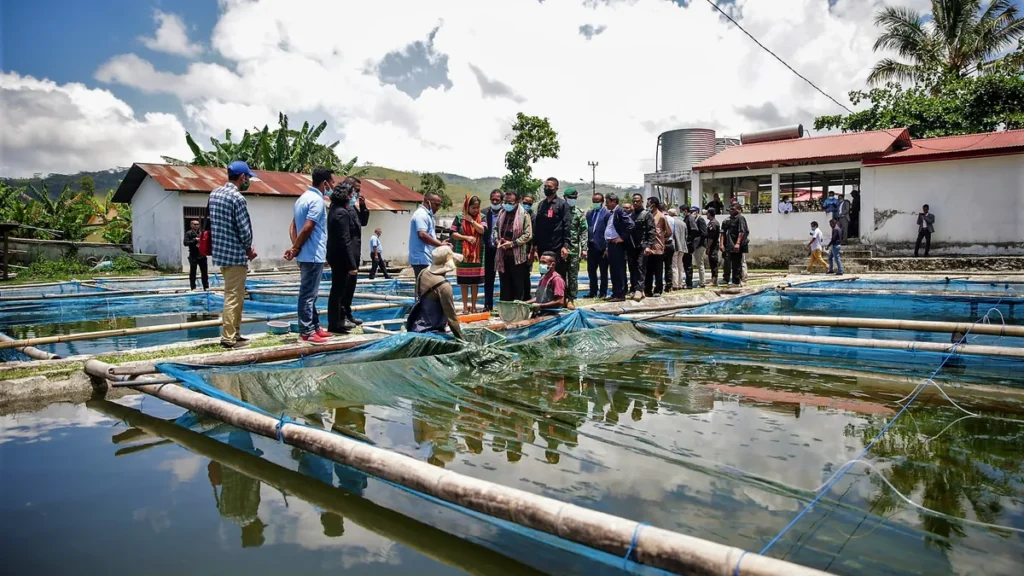
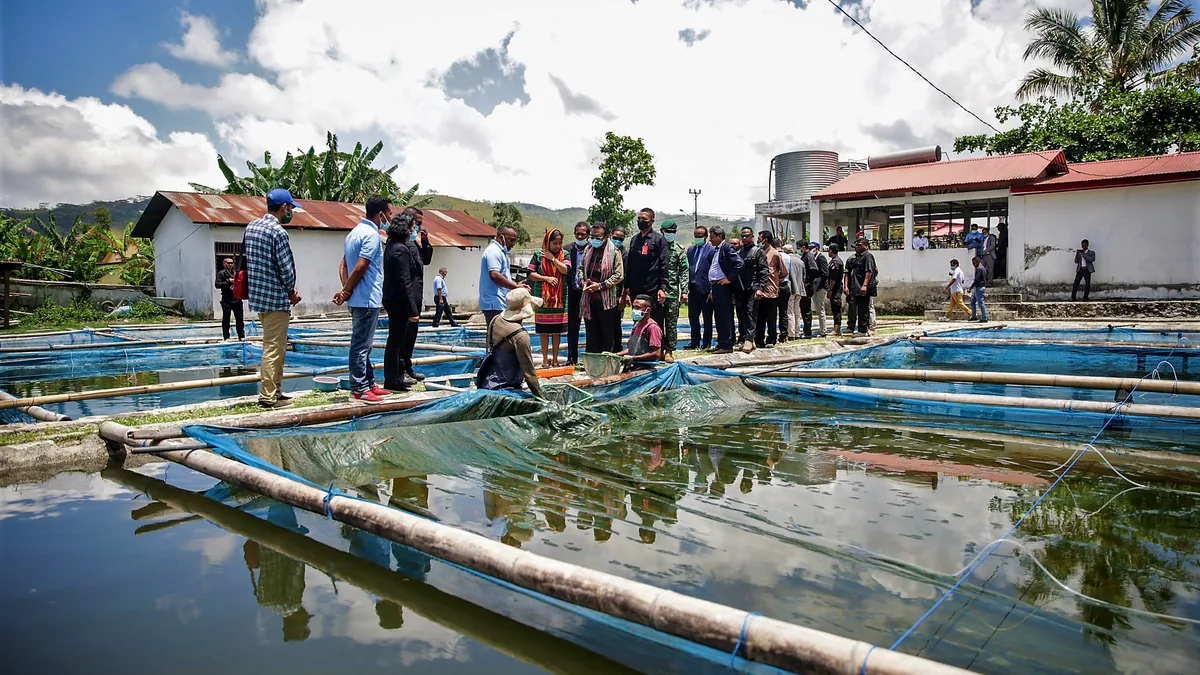
The tanks themselves are the heart of the farm. Most startups build concrete tanks or lined raceways in rows, each tank holding one cohort of fish at one size, with water flowing from tank to tank or recirculating through filters and back again. Raceways are long, narrow channels where water flows steadily past the fish, carrying waste away and bringing oxygen in; round or square tanks do the same job in a smaller footprint and are easier to grade from, because the whole tank can be crowded, netted, and sorted in one pass. Either way the point is control: the farmer decides the temperature, the oxygen, the feed, and the density, and the fish grow on a schedule the farmer can plan around.
That control is exactly what separates a tilapia farm from its nearest neighbours. A trout farm installation startup builds cold raceways, because trout are cold-water fish that suffocate in warm water; its tools watch dissolved oxygen in near-freezing flow and plan around snowmelt, not heaters. A salmon farm builds sea pens, because salmon grow in the sea; its tools track smolts, sea lice, and storms. A carp farm builds cool ponds, because carp are pond fish that root in the mud; its tools plan seine nets and pond drawdowns. A tilapia farm builds warm tanks, because tilapia are warm-water cichlids that breed in tanks; its tools plan heaters, all-male stocking, and grading. Same word, farm, four different builds, four different toolsets.
The other neighbour to keep separate is the home aquaponics loop. An aquaponics system pairs a fish tank with grow beds, so the fish feed the plants and the plants clean the water, and tilapia are often the stock fish in that loop because they grow fast and tolerate a wide range of conditions. That is a home system, sized for a household and balanced around vegetables. A tilapia farm is a commercial food-production build, sized for tonnes of fish a year, balanced around grading, harvest, and buyers. The aquaponics loop is a clever way to grow salad; the tilapia farm is a business that sells fish. The tools below are built for the business, not the salad.
The nine tools at a glance
| Tool | What it does | Buy it first if… |
|---|---|---|
| TilapiaSite AI | Site survey, water source, and permits | you have not chosen a site yet |
| TilapiaTank Planner AI | Tank and raceway layout and stocking | you are pouring concrete or lining raceways |
| WarmWater Sense AI | Temperature, oxygen, and heater control | your climate ever drops below 25 degrees |
| AllMale Sort AI | All-male culture and fry sex-sorting | you want even growth and no surprise fry |
| TilapiaFeed AI | Water-column feeding and feed conversion | feed is your biggest running cost |
| TilapiaHealth Watch AI | Disease and parasite watch | you have stocked your first tanks |
| TilapiaGrade AI | Size grading and cohort splitting | your fish are spreading across sizes |
| TilapiaHarvest AI | Harvest timing, live-haul, and buyers | your first cohort is near market size |
| TilapiaLedger AI | Quoting, costing, and the farm ledger | you need to know what each kilo costs |
Plan the farm before the first tank goes in
1. TilapiaSite AI: the best tool for choosing a warm-water site
TilapiaSite AI starts where every tilapia farm should start: the site. It maps water sources, tests borehole and mains supply against the volume a tank farm drinks every day, and flags sites where the water is too cold, too hard, or too unreliable to hold at 26 to 30 degrees. It layers in sun exposure, wind, and frost risk, because a tank row in a frost pocket will cost more in heating than the same row on a sheltered, south-facing slope. It also checks access for feed lorries and live-haul trucks, and it drafts the permit pack — water abstraction, discharge, and planning — so the startup is not pouring concrete it later has to dig up.
What makes it a tilapia tool, and not a generic farm planner, is the warm-water test it runs on every candidate site. The tool scores each site on how many days a year the water would need heating, how much that heating would cost, and how the farm would cope with a cold snap. A site that looks cheap on land price can be the most expensive site on the sheet once the heater bill is counted, and TilapiaSite AI puts that number in front of the founder before the lease is signed. It also maps the distance to the nearest hatchery, because all-male fry do not travel well over long distances, and a site two hours from the hatchery starts every batch with stressed fish.
2. TilapiaTank Planner AI: the best tool for tanks, raceways, and stocking
TilapiaTank Planner AI designs the tank farm itself. Give it the site boundary, the water supply, and the target harvest — say, ten tonnes a year — and it lays out the tank rows, sizes each tank, and sets the stocking density for every cohort. It plans the flow, whether that is a flow-through raceway with water running steadily past the fish or a recirculating system that filters and reuses the water, and it sizes the pumps, the biofilter, and the settling tanks to match. It also plans the grading route: which tanks the crew can reach with a net, where the sorting table goes, and how fish move from a nursery tank to a grow-out tank without being carried across the whole farm.
The stocking plan is where the tool earns its keep. Tilapia breed fast and grow unevenly if they are left alone, so the planner splits the farm into cohorts — one tank, one size, one age — and schedules stocking so a new cohort arrives as the previous one is graded and moved on. It calculates the feed demand for each tank, the oxygen demand at peak summer temperatures, and the waste load the filter must handle, so the farm is not built for the average day and then overwhelmed on the hottest day of the year. It also leaves room for a quarantine tank, because new fry should never go straight into a tank of growing fish.
3. WarmWater Sense AI: the best tool for warm-water control
WarmWater Sense AI is the tool that keeps the farm alive, because warm water is the one thing a tilapia farm cannot do without. It watches temperature, dissolved oxygen, pH, and ammonia in every tank, and it controls the heaters, the blowers, and the water exchange to hold the water in the narrow band where tilapia feed and grow. When the temperature drifts down toward 24 degrees, it raises the heat and cuts the feed, because cold fish that are fed will foul the water faster than they grow. When oxygen dips on a hot afternoon, it starts the backup blower before the fish start gasping at the surface, and it sends an alert to the farmer’s phone rather than waiting for the morning round.
The tool is built for warm-water fish, and that shows in its alarms. A trout farm’s monitor worries about water getting too warm; WarmWater Sense AI worries about water getting too cold, and it treats a heater failure in a cold week as the emergency it is — a tank of tilapia can be lost before anyone notices if the heat goes off overnight. It logs every reading, so the farmer can see which tanks run cold, which heaters cycle too often, and where insulation would pay for itself in a single winter. It also tracks the cost of heating against growth, so the farm can see whether holding a tank at 29 degrees is earning more in growth than it costs in power.
Grow the fish: all-male culture, feeding, and health
4. AllMale Sort AI: the best tool for all-male culture
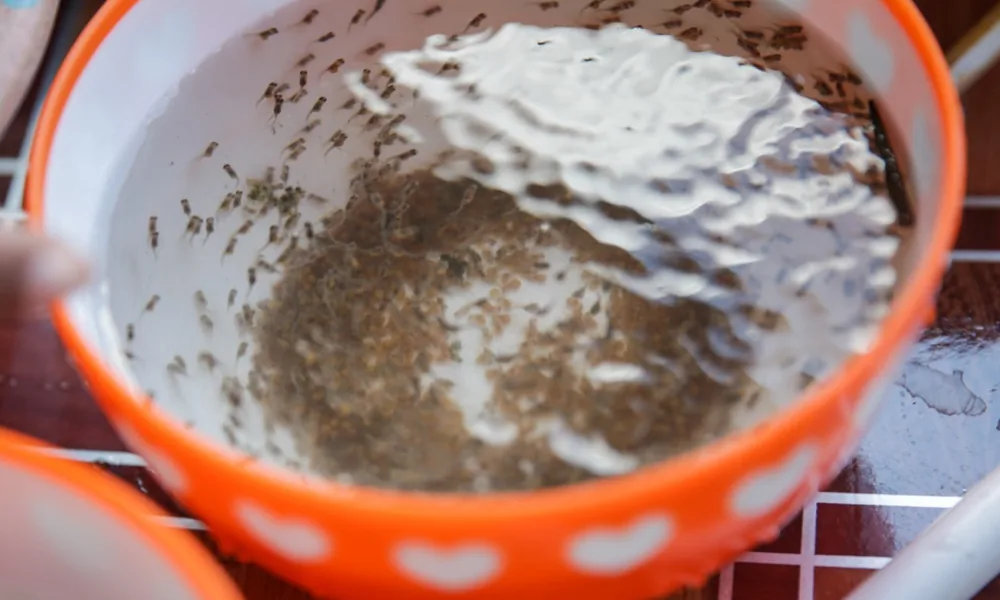
AllMale Sort AI manages the decision that shapes the whole farm: growing all-male tilapia. Male tilapia grow faster than females, and an all-male tank does not fill with fry, so the feed goes into growth instead of into breeding. The tool plans the fry supply — ordering sex-reversed all-male fry from the hatchery, checking the hatchery’s reversal rate, and scheduling deliveries so each cohort arrives as a tank is freed — and it tracks the sex ratio in every tank, flagging any tank where females are showing up and breeding is starting. A tank that starts breeding stops growing, and the tool’s job is to catch that before the tank is full of fry that nobody ordered.
The tool also plans the breeding control that sits behind the farm. If the startup keeps its own broodstock, AllMale Sort AI manages the brood tanks, the spawning schedule, and the fry collection, and it keeps the brood fish separate from the grow-out fish so the two jobs never contaminate each other. It records which brood pairs produce the fastest-growing fry, so the farm can select for growth over time rather than buying the same average fry forever. And it watches for the classic beginner mistake — mixing a batch of unsexed fry into a grow-out tank because the hatchery was late — and puts a hard stop on stocking until the batch is checked.
5. TilapiaFeed AI: the best tool for water-column feeding
TilapiaFeed AI plans the feed, which is the biggest running cost on any tilapia farm and the easiest place to lose money. Tilapia feed in the water column — they rise to pellets, take them in mid-water, and come back for more — so the tool sets the ration by water temperature, fish size, and the number of fish in the tank, and it splits the day’s feed into several small feeds rather than one big one. It cuts the ration on a cold morning, when the fish will not eat, and raises it on a warm afternoon, when they will, and it stops feeding altogether when oxygen is low, because uneaten feed rots and takes the oxygen with it.
The tool’s feed conversion tracking is what turns feeding from a habit into a number. Every kilo of feed that goes into a tank is logged against the growth that comes out of it, and the tool reports the feed conversion ratio for each cohort — how many kilos of feed it took to grow a kilo of fish. A cohort with a poor ratio is a warning: the water is too cold, the fish are stressed, or the feed is wrong, and the tool will say which it thinks it is. It also compares feed brands on price per kilo of growth, not price per bag, because the cheapest bag is often the most expensive feed once the conversion is counted.
6. TilapiaHealth Watch AI: the best tool for disease and parasite watch
TilapiaHealth Watch AI watches for the diseases that hit warm-water cichlids, and it watches early, because a warm tank spreads disease fast. It logs every mortality, every fish that stops feeding, and every fish with clamped fins, white spots, or swollen eyes, and it matches the pattern against the common tilapia problems — streptococcosis, columnaris, and the parasites that thrive in warm, crowded water. It will tell the farmer whether the pattern points at a water problem, a feed problem, or an infection, and it will say what to do first: raise the oxygen, cut the feed, isolate the tank, or call the vet.
The tool is built around the quarantine habit. New fry go into a quarantine tank, and the tool holds them there for the full observation period, logging their feeding and their mortality before it clears them for the grow-out tanks. It also manages the farm’s biosecurity routine — nets and boots that stay with one tank row, hands washed between rows, and no shared equipment between the quarantine tank and the rest of the farm — because most tilapia disease arrives on something the farmer carried in. It keeps the treatment record too, so the farm can show a buyer exactly what was used, when, and in which tank, and so the same mistake is not repeated next year.
Grade, harvest, and keep the books
7. TilapiaGrade AI: the best tool for grading and cohort splitting
TilapiaGrade AI runs the grading routine, which is the most hands-on job on a tilapia farm and the one that most directly decides the harvest date. Tilapia in one tank grow at different speeds, and the fast growers will outcompete the slow ones for feed if they are left together, so the tool schedules a grading every few weeks: the tank is crowded, the fish are passed over a grading table or through a grader, and they are split into two or three size groups, each going into its own tank. The tool records the size spread in each tank, predicts when each group will reach market size, and plans the tank moves so no tank is ever overcrowded and no group is ever held back by a faster sibling.
What makes it a tilapia tool is the breeding check built into every grading. Because tilapia breed so readily, a grading is also the moment when unexpected fry are found, and the tool logs any fry, any females in an all-male tank, and any fish that look like a different strain, so the farm knows whether its all-male supply is holding up. It also tracks the growth curve for each cohort, and it will flag a cohort that is falling behind the curve — the water may be too cool, the feed may be short, or the density may be too high — and suggest which of the three to fix first. Grading is not just sorting fish; it is the farm’s regular health check, and the tool treats it that way.
8. TilapiaHarvest AI: the best tool for harvest timing and live-haul
TilapiaHarvest AI decides when the fish leave the farm, and that decision is worth more than any other single call a startup makes. It tracks each cohort against its target market size — usually 500 grams to a kilo, depending on the buyer — and it calls the harvest when the most fish in the cohort are at size, not when the biggest fish are ready and not when the smallest have caught up. It books the live-haul truck, plans the fasting day before harvest so the fish travel clean, and schedules the crew so the tank is emptied, the fish are loaded, and the truck is on the road before the heat of the day.
The tool also manages the buyer side, which is where a tilapia startup either makes its margin or loses it. It holds the buyer list — markets, restaurants, processors, and retailers — with each buyer’s size preference, price, and payment terms, and it matches each cohort to the buyer who pays best for that size. It plans the harvest in waves, so the farm does not flood the market with a whole year’s fish in one week, and it tracks the cold chain from the tank to the buyer, because a fish that leaves the farm in prime condition and arrives warm is a fish the buyer will not pay full price for. The carp farm installation startup harvests by seining a pond and draining it down; the tilapia farm harvests by grading a tank and loading a truck, and the tool is built for the tank version.
9. TilapiaLedger AI: the best tool for quoting, costing, and the farm ledger
TilapiaLedger AI keeps the money visible, and on a tilapia farm the money hides in a dozen small places: fry, feed, power for the heaters, water, labour for grading, and the truck that takes the fish away. The tool logs every cost against the tank and the cohort it belongs to, so the farm knows what each kilo of fish actually cost to grow, not just what the feed bill said at the end of the month. It prices each cohort against its buyer, shows the margin per kilo, and flags any cohort that is heading for a loss before it reaches market size — a cohort that has been heated all winter and fed all spring may be worth harvesting small rather than growing large at a loss.
The tool also does the quoting, which is the startup’s first commercial job. It builds quotes for buyers, for restaurants that want a weekly supply, and for processors that want a set size at a set price, and it prices those quotes from the farm’s real costs rather than from a guess. It tracks invoices and payments, chases the late ones, and shows the cash position for the month ahead, so the founder knows whether the next batch of fry can be ordered or whether the next harvest has to come first. It also keeps the records a lender or a grant body will ask for: stocking, grading, mortality, feed, and sales, all in one place, all tied to dates and tanks.
The first-90-days checklist
- Choose the site with TilapiaSite AI and sign nothing until the heating cost and the permit list are on paper.
- Build the first tank row with TilapiaTank Planner AI, leaving marked-out ground for the second phase.
- Install WarmWater Sense AI sensors and run the empty tanks for a week to learn the heat loss and oxygen pattern.
- Order all-male fry from a hatchery that puts its reversal rate in writing, and quarantine the first batch.
- Set the feeding routine with TilapiaFeed AI, weigh every bag, and log the feed conversion for each cohort.
- Grade on schedule with TilapiaGrade AI, record every grading, and call the first harvest with TilapiaHarvest AI when the cohort hits market size.
That list is deliberately short. A tilapia startup that does those six things in its first ninety days has a warm farm, a stocked farm, and a farm that knows what its fish cost. Everything else — the second tank row, the second buyer, the broodstock programme — can wait until the first harvest is sold and the ledger has its first real numbers in it. The farm that tries to do everything in ninety days usually does none of it well, and the fish pay for the hurry.
Frequently asked questions
How much does it cost to start a tilapia farm?
A small tank-based tilapia farm typically starts with the tanks, the water system, the heaters, and the first batch of fry, and the heating bill is the cost founders most often underestimate. A warm climate or a well-insulated tank row can halve that bill, while a cold site can double it. Start with one tank row, price the feed and the power for a full growing cycle, and keep enough cash in reserve for one extra month of feed — the fish will still need eating while the first harvest is being sold.
Is a tilapia farm the same as a trout farm?
No. Trout are cold-water fish that need cold, oxygen-rich raceways, while tilapia are warm-water cichlids that need heated tanks and raceways held between 26 and 30 degrees. The buildings look similar from the outside, but the water, the feed, the grading, and the disease watch are all different, and a tool built for trout will give the wrong answers on a tilapia farm. The two farms share the idea of a raceway; they share almost nothing else.
Can I keep tilapia in a garden pond?
Tilapia will survive in a warm garden pond in summer, but a garden pond is not a tilapia farm. A farm controls temperature, oxygen, feed, and breeding, grades its fish on a schedule, and harvests to a buyer’s specification. A pond does none of that, and the fish in it will breed, overcrowd, and stay small. If the pond is the plan, the honest name for it is a hobby; if the farm is the plan, the tanks are the plan.
What is all-male culture, and do I need it?
All-male culture means growing only male tilapia, because males grow faster and an all-male tank does not fill with fry. It is done by buying sex-reversed fry from a hatchery, and it is the standard practice on commercial tilapia farms. A startup can grow mixed-sex tilapia, but the tank will breed, overcrowd, and produce small fish, and the grading bill will be higher. For a farm that sells by weight, all-male culture is the closest thing to a free lunch the trade offers.
How is a tilapia farm different from an aquaponics system?
An aquaponics system installation startup pairs a fish tank with grow beds, so the fish feed the plants and the plants clean the water — a home loop sized for vegetables, where tilapia are often the stock fish because they grow fast and tolerate a wide range of conditions. A tilapia farm is a commercial build that grows tonnes of fish for buyers, with grading, harvest, and a ledger. The aquaponics loop is a way to grow salad with fish in it; the tilapia farm is a business that sells fish.
Do I need all nine tools to start?
No. Start with a site planner, a tank planner, and a warm-water monitor, and add the feeding, grading, and harvest tools once the first tanks are stocked. The nine tools cover the whole farm from site to sale, but a startup that buys all nine before the first fry arrives has spent its working capital on software. Buy the tool that answers the next decision, use it well, and let the farm’s first harvest pay for the next tool.
The bottom line
A tilapia farm is a warm-water tank build for a fast-breeding cichlid, and the tools that launch it are the tools that keep the water warm, the culture all-male, the feeding measured, the grading regular, and the harvest timed to the buyer. Start with the site and the tanks, prove the warm-water control on empty tanks, stock all-male fry, and grade on schedule — and the farm will grow fish on a plan instead of on hope.

Keep what speaks to you.
Leave room for your own perspective.