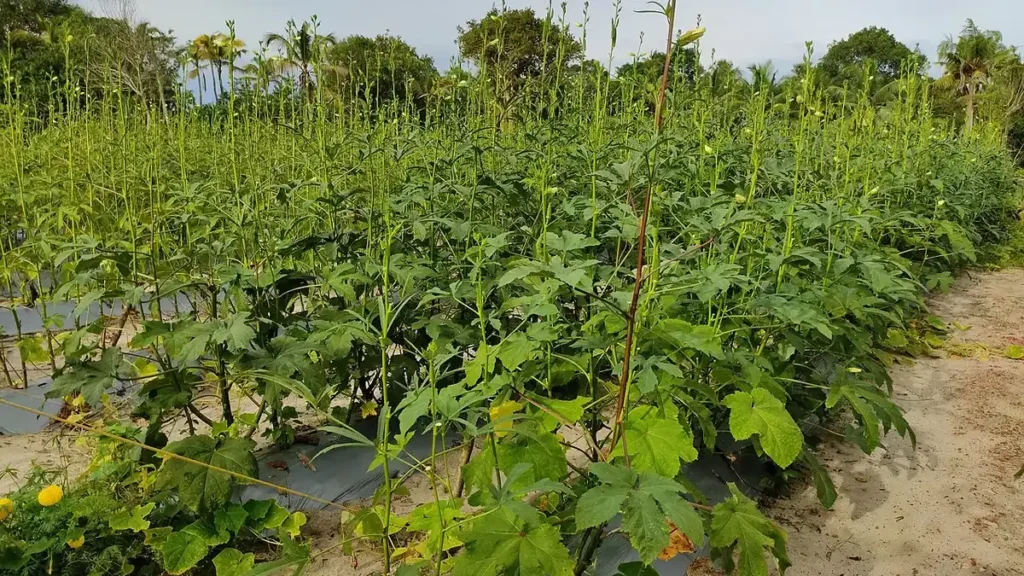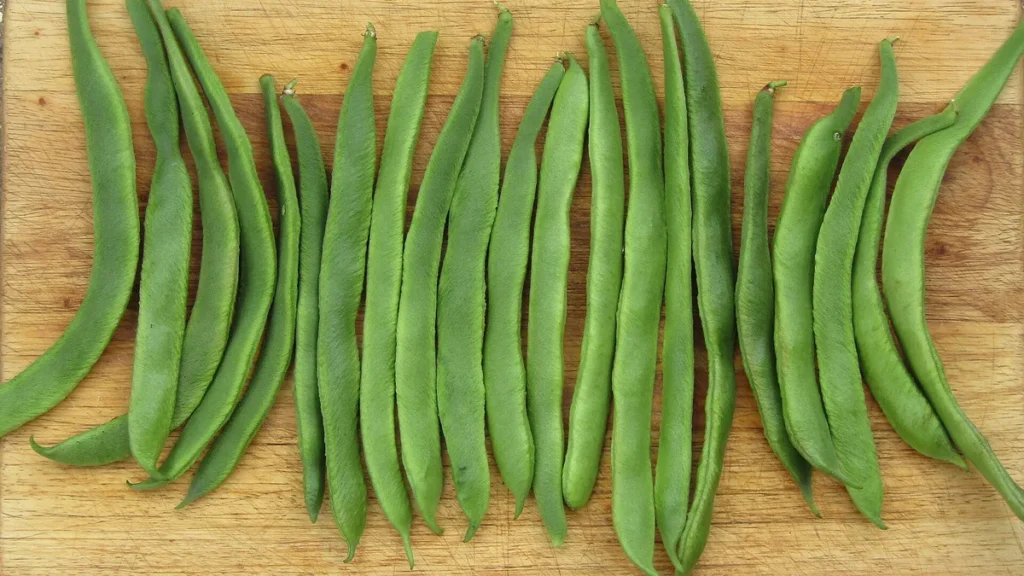
A runner bean farm starts with poles, not with paperwork. The crop is a climbing legume, and everything about the build follows from that one fact: tall poles or a trellis go into the ground first, the vines climb them, and the harvest is picked as long green pods, a few at a time, over weeks rather than in a single cut. A founder who gets the pole layout right, the watering right and the picking rhythm right has a farm that keeps producing; a founder who treats runner beans like a low bush crop ends up with tangled vines, pods that turn stringy on the plant and a picking round that takes twice as long as it should.
That is where the AI tools in this guide earn their place. They plan pole rows and spacing before a single pole is driven in, they watch vine growth and pod length from phone photos, they time watering at the base of each pole, and they turn the picking round into a short, repeatable job instead of a daily guess. None of them replaces the walk down the row with a trug in hand, but each of them removes one piece of guesswork from a build where the margins are set by pod quality, picking speed and how long the plants keep cropping.
This guide compares nine tools built for the runner-bean-growing build: poles, trellis, pods and picking. Runner beans are not shelled peas, so there is no shelling step anywhere in this guide — the pods themselves are the crop, picked young and tender. That distinction matters, because the closest legume cousin on this site, the pea farm startups guide, covers a crop that is grown to be shelled, while a runner bean farm is grown to be picked as whole pods. The tools below are chosen for poles and pods, not for shelling lines, and they stay clear of the nightshade and cucurbit builds that sit nearby in this batch.
Key takeaways
- Runner beans are a climbing legume: plan the poles and trellis first, because the whole farm hangs on that frame.
- Pick pods young and often — pod length and picking frequency decide quality more than any other single factor.
- Water at the base of the poles, not over the leaves, and let soil moisture data set the schedule.
- Nitrogen fixing is a real saving: runner beans feed the soil, so the fertiliser plan should count it, not ignore it.
- Cost every picking round, because labour is the largest running cost on a pod-picked farm.

Runner bean farm AI tools at a glance
The nine tools below cover the full build in order: the pole frame, the climbing vines, the pods, the picking, the water, the soil and the money. Use the table to shortlist, then read the full review of each tool before committing to a subscription.
| Tool | Best for | Runner-bean job | Standout strength |
|---|---|---|---|
| PoleRow Planner AI | New farms | Pole rows and spacing | Row layouts that fit the plot |
| RunnerClimb AI | Vine training | Training vines up poles | Climbing progress from photos |
| LongPod Scout AI | Pod quality | Pod length and maturity | Flags pods before they turn stringy |
| PickBean AI | Picking rounds | Picking lists and routes | Shortest picking route per row |
| BeanFix Sense AI | Soil and feeding | Nitrogen fixing | Counts the nitrogen beans add |
| PoleDrip AI | Watering | Drip water at pole bases | Waters roots, not leaves |
| StringTie AI | Tying and stringing | Strings and ties | Tie schedule by vine height |
| PodYield AI | Forecasting | Pod yield forecasts | Weekly yield by row |
| BeanLedger AI | Costs | Farm costs and margins | Cost per picking round |
Setting up the poles and trellis
The frame is the farm. Runner bean vines can climb three metres or more, and they need a pole or a trellis string that holds firm in wind and under the weight of wet foliage. The three tools in this section plan the frame, track the climb and keep the strings and ties in order, so the vines go up straight and stay up all season.
PoleRow Planner AI
PoleRow Planner AI plans the pole rows before anything is bought or driven in. The founder enters the plot shape, the slope and the direction of the prevailing wind, and the tool returns a row layout with pole spacing, row spacing and the number of poles needed, plus a materials list that matches it. For a runner bean farm this is the first decision that matters, because poles set too close together shade each other and poles set too far apart waste ground that could have carried another row of pods.
The tool works from a satellite view of the plot and a few measurements taken on foot, which keeps the setup honest: it does not assume flat ground, and it flags rows that would sit in a frost pocket or in the shade of a hedge for half the morning. It also plans the ends of the rows, where the bracing poles take the strain, and it spaces the rows wide enough for a picker carrying a trug to walk without brushing the pods off the vines on the next row. That walking width is easy to forget on paper and expensive to fix once the poles are in.
The main limit is that the tool plans the frame, not the plants. It does not track germination or vine growth, and it will not tell a founder whether a row is underperforming. Pair it with a growth tool from the next section and treat it as the planning half of the setup job. Used that way, it is the strongest starting point in this guide, and the one tool a new runner bean farm should set up before ordering a single pole.
RunnerClimb AI
RunnerClimb AI follows the vines once they start to climb. The founder photographs a row from the same spot each week, and the tool estimates how far the vines have climbed, which plants are lagging and where a vine has missed its string and is reaching for a neighbour instead. On a runner bean farm the climb is the crop in its early weeks: a vine that stalls at knee height will not carry many pods, and a vine that tangles with its neighbour makes picking slower for the rest of the season.
The tool is at its best in the first six weeks after sowing, when the difference between a strong plant and a weak one is still small enough to act on. It flags the lagging plants by row and pole, so the founder can check whether the cause is a dry pocket, a damaged string or a seed that simply never got going, and it keeps a weekly climb chart that shows whether the whole row is on pace. That chart is the honest version of the walk down the row: it remembers last week, while a founder relying on memory tends to remember the best plants and forget the weak ones.
The weakness is photo quality. In flat light or heavy shade the climb estimates get noisy, and the tool is honest about that, marking low-confidence rows rather than inventing a number. Founders should photograph in the same light each week and treat a low-confidence flag as a reason to walk the row, not as a reason to ignore it. Used with that discipline, RunnerClimb AI is the closest thing this guide has to a second pair of eyes on the vines.
StringTie AI
StringTie AI manages the strings and ties that hold the whole climbing system together. Every runner bean pole needs a string or a cane tie for the vine to climb, and every string needs checking as the season goes on, because strings stretch, ties slip and a vine that loses its support at two metres will not climb back up on its own. The tool keeps a schedule of what was tied, when, and with what material, and it builds the next tying round from the vine heights RunnerClimb AI reports.
The practical value is in the materials list. StringTie AI records which rows use which string, how much was used per row and how much is left in store, so the founder orders the right amount for the next planting instead of guessing and ending up short halfway down a row. It also flags the rows where ties are oldest and most likely to fail, which matters most in a windy week, when a single failed tie can drop a whole vine. For a farm that picks by hand, a dropped vine is not just lost pods: it is a vine that has to be lifted, retied and checked again, all while the picking round waits.
StringTie AI is a narrow tool, and it knows it: it does not plan poles, watch pods or cost anything. Its job is to keep the strings right, and it does that job well. For a runner bean farm, where the crop literally hangs on its strings, a narrow tool that never lets a tie slip is worth more than a broad tool that tracks everything and maintains nothing.
Growing, watering and picking the pods
Once the vines are up the poles, the farm becomes a picking farm. Pods must be picked young, before they grow stringy, and picked often, because a plant left with mature pods slows down and stops setting new ones. The three tools in this section watch pod length, organise the picking round and water the roots that keep the whole plant cropping.

LongPod Scout AI
LongPod Scout AI watches pod length, which is the single most important quality measure on a runner bean farm. The founder photographs pods against a simple scale card, and the tool estimates their length, flags the ones that are ready to pick and warns about the ones that are about to pass their best. A runner bean pod picked at the right length is tender all the way through; a pod left a few days too long turns stringy, and a stringy pod is a pod a buyer will not come back for.
The tool works pod by pod, which is how picking actually happens. It does not give a single average for a row, because an average hides the truth: a row can average the right length while half its pods are too young and half are already too old. Instead it sorts the row into ready, nearly ready and leave-for-now, so the picker takes the ready pods and leaves the rest to grow. That sorting is what keeps the picking round fast, because the picker is not stopping to judge every pod by eye and guessing wrong half the time.
The tool needs a scale card in the photo to work well, and founders who skip that step get rough estimates instead of good ones. Keep a card in the picking trug and the tool stays accurate. The other limit is that it watches length, not flavour or tenderness, so it cannot replace tasting a pod from each row now and then. Used as a length scout with a tasting check behind it, LongPod Scout AI is the quality tool this farm needs most.
PickBean AI
PickBean AI organises the picking round. It takes the ready-pod lists from LongPod Scout AI, the row plan from PoleRow Planner AI and the number of pickers available, and it turns them into a picking list: which rows to pick, in which order, and roughly how long each row should take. On a pod-picked farm the picking round is the working day, and a round without a list wastes time walking past rows that are not ready and doubling back to rows that were missed.
The route is the part founders notice first. PickBean AI orders the rows so the picker walks the shortest path that covers every ready row, and it groups neighbouring rows together so the trug is filled and emptied in a sensible order rather than carried half-empty across the farm. It also estimates the weight of pods each row should yield, which helps the founder plan crates and transport before the picking starts instead of scrambling for another crate halfway through the round.
PickBean AI does not pick anything itself, and it cannot fix a row that was never trained properly. Its value depends on the tools before it: if the pods are not scouted and the vines are not trained, the picking list is only as good as the guesswork behind it. Fed with good scouting data, though, it turns picking from a daily improvisation into a repeatable round, and on a runner bean farm that repeatability is what keeps pods picked on time all season.
PoleDrip AI
PoleDrip AI waters the roots at the base of each pole. Runner beans are thirsty plants, especially once the pods start setting, and they suffer quickly in a dry spell: flowers drop, pods stay short and the plants stop cropping. But water thrown over the leaves encourages disease and wastes most of what is applied, so the tool plans drip watering at the pole bases, where the roots actually are, and it sets the timing from soil moisture readings rather than from a fixed calendar.
The setup is straightforward: moisture sensors go in at the base of a sample of poles, and the tool reads them alongside the weather forecast to decide how much water each row needs and when. A row in full sun on light soil gets watered sooner than a row in partial shade on heavy soil, and the tool makes that difference explicit instead of watering every row the same. It also tracks how much water has been applied per row, which matters for a founder who pays for water or who needs to show a buyer that the farm is not wasting it.
The limit is the sensors themselves: a farm with too few sensors gets a coarse picture, and the tool is only as good as the ground it actually measures. Founders should place sensors across the driest and wettest parts of the plot, not just near the tap where it is convenient. With that placement, PoleDrip AI keeps the plants cropping through the dry weeks, which is exactly when runner bean pods are at their most valuable. The contrast with a fruiting crop that needs trellis work of a different kind is worth noting: the tomato farm startups guide covers a nightshade crop trained on trellis for fruit, while runner beans are legumes watered at pole bases for pods.
Soil, yield and the farm ledger
The last three tools look after the parts of the farm that do not show in a photograph: the nitrogen the beans leave in the soil, the yield the rows should produce next week, and the money the picking rounds actually cost. A runner bean farm that ignores these three will still grow pods, but it will not know whether it is making money or simply staying busy.
BeanFix Sense AI
BeanFix Sense AI counts the nitrogen that runner beans fix in the soil. Runner beans are legumes, and their roots carry nodules that take nitrogen from the air and leave it in the ground, which is a real input that a fertiliser plan should count instead of ignoring. The tool estimates how much nitrogen each row has fixed from the growth it has seen, the variety sown and the soil type, and it folds that estimate into the feeding plan for the current crop and the crop that follows it.
The practical saving is straightforward: a founder who knows how much nitrogen the beans have added buys less fertiliser, and buys it for the right rows. BeanFix Sense AI shows the nitrogen picture row by row, so a strong row that fixed plenty needs little extra feeding while a weak row gets the attention it needs. It also keeps the record for the next planting, because the nitrogen left behind by this year’s beans is next year’s starting point, and a farm that forgets it will overfeed the following crop and waste the saving.
The tool also helps with the rotation decision. It suggests which crop should follow the beans to make the most of the nitrogen they leave, and it warns when a row has been planted with beans year after year, which builds up soil problems even in a nitrogen-fixing crop. That warning is the kind of advice a founder tends to put off, because the poles are already there and moving them is work, but the tool makes the cost of staying put visible in numbers rather than in a vague feeling.
BeanFix Sense AI is an estimate, not a laboratory test, and the tool says so plainly: its nitrogen figures should be checked against a soil test at least once a season. Used with that check, it turns a hidden benefit of growing legumes into a number the founder can plan around, and it is the tool in this guide that most clearly separates a runner bean farm from a farm growing any other kind of crop. No nightshade, cucurbit or root crop leaves nitrogen behind in this way, and the feeding plan should show it.
PodYield AI
PodYield AI forecasts how many pods each row should produce, week by week. It takes the pod counts from LongPod Scout AI, the picking records from PickBean AI and the weather forecast, and it projects the yield for the coming weeks, so the founder knows how many crates to have ready and whether to promise a buyer a certain quantity. A runner bean farm that cannot forecast its yield either disappoints buyers or wastes pods that were picked with nowhere to go.
The forecast is most useful in the middle of the season, when the plants are cropping hard and the picking rounds are coming thick and fast. PodYield AI shows the peak week before it arrives, which lets the founder arrange extra picking hands in advance instead of discovering on a Monday morning that the weekend’s pods have gone stringy. It also shows the tail of the season, when the yield falls away, so the founder can wind down the picking rounds and the watering in step with the plants rather than carrying a full schedule for a crop that has nearly finished.
The tool also compares forecast against actual yield, row by row, and it learns from the gap. A row that always yields less than forecast is usually a row with a problem the founder has not spotted yet — poor soil, a dry pocket, or vines that were never trained properly — and the comparison points at it week after week until it is dealt with. That persistence is the tool’s real strength: it does not let a weak row hide behind a good farm average.
PodYield AI depends on honest picking records, and founders who estimate their yields instead of recording them get forecasts built on guesses. Record every round, even the small ones, and the forecast sharpens quickly. The tool will not make a bad season good, but it will make a good season plannable, and for a startup selling fresh pods to buyers who need to know what is coming, that planning is worth more than the forecast itself. A bushy squash crop picked in a different way faces a different forecasting problem, as the courgette farm startups guide shows, since courgettes grow low on beds with no poles to climb.
BeanLedger AI
BeanLedger AI costs the farm, picking round by picking round. It records poles, strings, seed, water, fertiliser and labour against each row, and it turns those records into a cost per kilo of pods and a margin per picking round. On a runner bean farm, labour is the largest running cost, because every pod is picked by hand, and a farm that does not cost its picking rounds does not know whether it is making money or paying for the privilege of growing beans.
The tool is built around the picking round as the unit of cost. Each round is logged with its hours, its weight of pods and its rows, and BeanLedger AI shows which rounds paid and which did not, so the founder can see whether a slow row or a distant row is eating the margin. It also separates the one-off setup costs — poles, trellis materials, the first strings — from the running costs, so the founder can see when the farm has paid back its setup and started to earn. That payback point is the number a startup founder needs most, and it is the number most founders guess at.
BeanLedger AI also keeps the farm’s paperwork in order. It produces a simple record of costs and sales that a founder can hand to an accountant or a lender without rebuilding it from notebooks, and it flags the costs that are creeping up — a string supplier that has raised its prices, a water bill that has doubled in a dry month — before they become a problem. That flagging is quiet and unglamorous, and it is exactly what a small farm needs, because small farms rarely fail on one big cost; they fail on a dozen small ones that nobody noticed.
The tool asks for regular entries, and founders who leave it for a month get a month of catching up to do. Ten minutes after each picking round is enough, and the habit pays for itself the first time the ledger shows a row that costs more than it earns. BeanLedger AI will not grow a single pod, but it will tell the founder whether the pods are worth growing, and on a startup farm that is the question that decides whether there is a second season.
Runner bean farm startup checklist
- Walk the plot and mark the pole rows, the wind direction and the wettest and driest ground before ordering anything.
- Set the poles and strings first, then sow — the vines need their frame ready the day they start to climb.
- Photograph the vines from the same spot each week so climbing progress is a record, not a memory.
- Pick pods young and often, and check pod length with a scale card on every picking round.
- Water at the pole bases from soil moisture readings, and keep a sensor in the driest part of the plot.
- Log every picking round in the ledger the same day, with hours, weight and rows, so the margin is always visible.
Frequently asked questions
Are runner beans the same as peas?
No. Peas are grown to be shelled, and the pods are opened to get the peas inside. Runner beans are grown to be picked as whole long pods and eaten pod and all, while they are still young and tender. The two crops share a trellis and a climbing habit, but the harvest is different: shelled peas versus whole pods, with no shelling step on a runner bean farm.
Do runner beans need poles or a trellis?
Yes, one or the other, and usually both: tall poles set in rows, with strings running between them for the vines to climb. Runner bean vines grow three metres or more, and without a frame they tangle on the ground, where the pods rot and picking becomes slow and wasteful. The poles are the farm’s main structure, so plan them before sowing.
How often should runner bean pods be picked?
Often, and little by little. Pick every two or three days through the cropping season, taking every pod that has reached picking length. Picking regularly keeps the pods tender and encourages the plant to set more, while leaving pods on the plant lets them turn stringy and slows new pod production down.
Do runner beans really improve the soil?
Yes. Runner beans are legumes, and their roots fix nitrogen from the air into the soil, leaving it richer for the next crop. The effect is real but not unlimited: it reduces the fertiliser the next crop needs rather than replacing it entirely, and it should be checked with a soil test rather than assumed.
Can a runner bean farm share tools with a cucumber farm?
Only at the edges. Both crops climb and both are picked by hand, but a cucumber is a climbing cucurbit picked as fruit for salads and packed fresh, while a runner bean is a climbing legume picked as long pods. The pole planning and the picking lists look similar, but the pod scouting, the nitrogen fixing and the picking rhythm are runner-bean work, not cucumber work.
What is the biggest cost on a runner bean farm?
Picking labour. Every pod is picked by hand, several times a week, for the whole season, so the hours add up faster than the cost of poles, strings or seed. Costing each picking round separately is the fastest way to see whether a row is earning its keep, and it is the habit that separates a farm that makes money from one that only stays busy.
The bottom line
A runner bean farm is a poles-and-pods business: tall poles, vines trained up strings, long pods picked young and often, and a soil that the beans themselves help to feed. The nine tools in this guide follow that build in order, from planning the pole rows to costing the last picking round, and none of them asks the founder to grow a different crop. Start with the pole plan, keep the pods scouted and the picking rounds logged, and the farm will tell you, week by week, whether it is working. That is the whole job, and these tools do it without pretending that runner beans are peas, cucumbers or anything else they are not.

Keep what speaks to you.
Leave room for your own perspective.