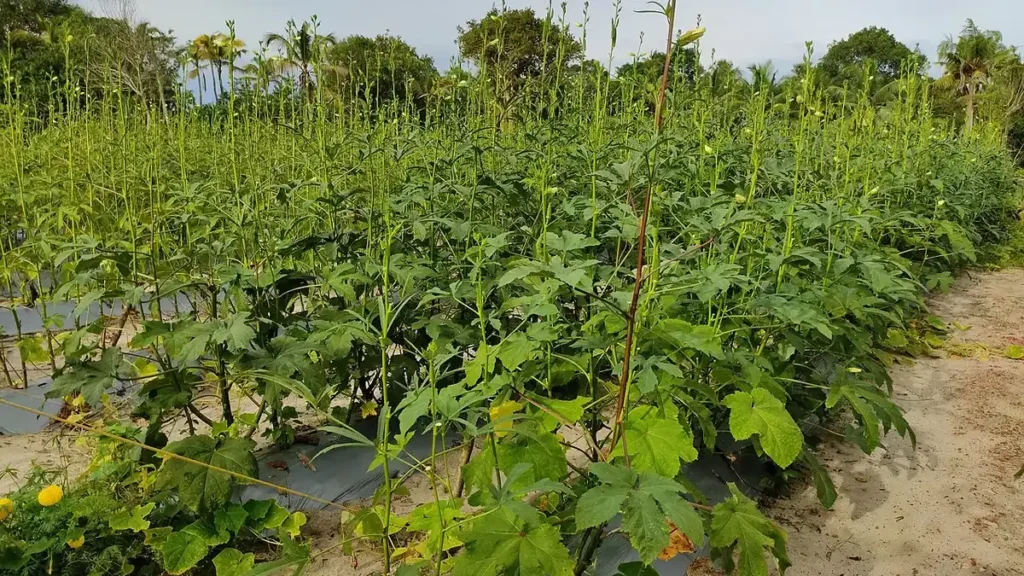
An okra farm installation startup begins with a simple promise and a demanding crop. Okra is a warm-climate pod vegetable of the mallow family, sown in rows and picked again and again through a long hot season. The plants grow fast once the soil warms, the flowers open for a single day, and a pod that is tender on Monday can be too long and woody by Thursday. That pace is the whole business: the startup that plans its seed, its rows and its picking round before the first sowing is the one that sells tender pods every week instead of clearing overgrown ones.
The work of setting up the farm is mostly field work. Beds are marked out, rows are spaced so pickers can walk them without snapping stems, water is planned for the hottest weeks, and the picking round is organised so no row is left for more than two or three days at the height of the season. Each of those jobs is small on its own, and each of them goes wrong quietly when it is guessed at. A seed rate that is too thick wastes seed and crowds the plants; rows that are too tight slow every picking round; a missed picking day turns saleable pods into stock that only suits seed saving.
This guide compares the nine AI tools that carry an okra farm installation startup from the first soil check to the first crate of pods. The tools below were chosen for the okra-growing build alone: warm soil, sowing in rows, flowers that signal the picking round, pods picked at the right length, and crates cooled quickly after picking. Runner bean farm installation startups also plan around repeated pod picking, and the same discipline applies here, only the crop is a heat-loving pod vegetable that keeps producing for months when it is picked on time.
Key takeaways
- Okra needs warm soil before sowing, so the sowing date matters more than the calendar date.
- Pods must be picked every two to three days in the hot season, or they grow past the tender size buyers want.
- Row spacing decides how fast a picking crew moves, so it should be planned before the first seed goes in.
- Flowers are the best early warning of the picking round, because each flower becomes a pod within days.
- Pods lose quality fast in the heat, so cooling and crating belong in the same plan as sowing and watering.
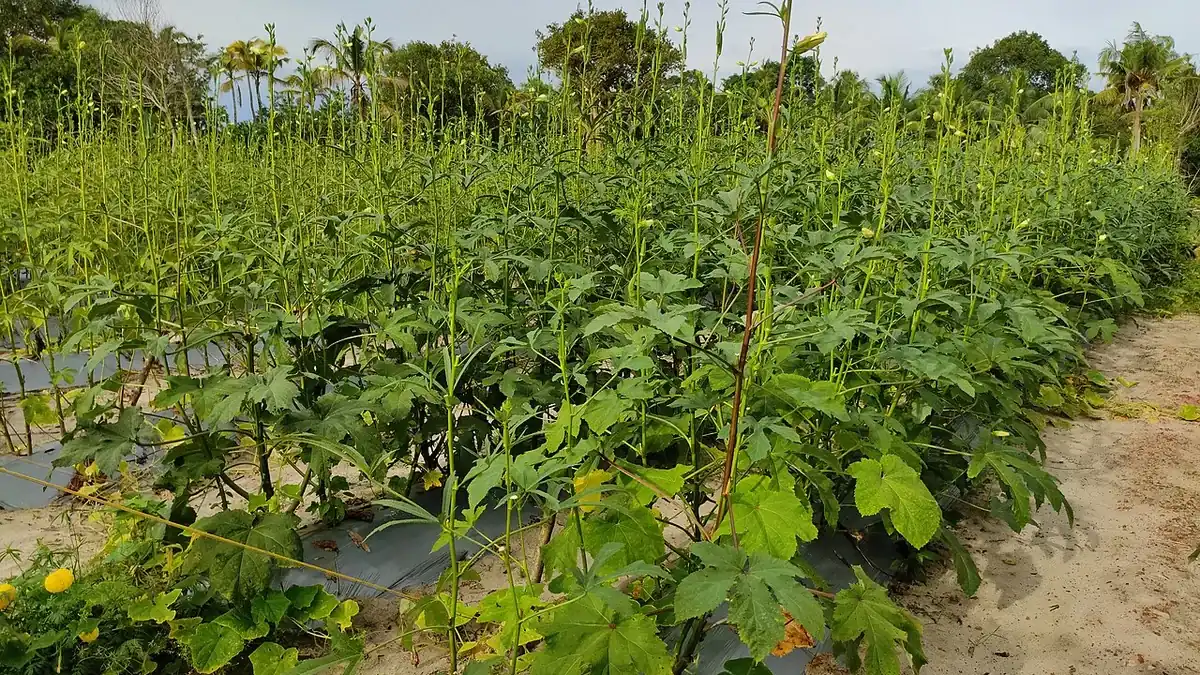
The nine AI tools that launch an okra farm
The nine tools below cover the full first season in the order a startup actually uses them. The first three plan the field, the next three run the picking round, and the last three handle the pods after they leave the plant. No single tool carries the farm on its own, and the cheapest way to start is to buy the planning tools first, add the picking tools once the plants are up, and bring in the cooling and costing tools before the first heavy picking week.
1. OkraSeed Rate AI: Best for seed rates and sowing dates
OkraSeed Rate AI sets the sowing plan: which okra variety to sow, how much seed each row needs, and which week to sow it. Okra seed is slow to start in cool soil, so the tool watches soil temperature rather than the calendar and holds the sowing date until the ground is warm enough for quick, even germination. It works out the seed rate from the row spacing and the target plant stand, so a startup neither wastes seed on rows that are sown too thickly nor ends up with thin, gappy rows that yield poorly all season.
The tool also staggers the sowing. Instead of sowing the whole field on one day and facing a single flush of pods that all need picking in the same week, it splits the field into sowing slots a week or two apart. That spreads the picking load, keeps the pods coming steadily, and gives a new startup a manageable first picking round rather than a frantic one. For a first season, that staggered plan is worth more than any single feature, because it turns a crop that can overwhelm a small crew into a crop that arrives in waves the crew can handle.
OkraSeed Rate AI keeps a record of what was sown where, so the startup can look back at the end of the season and see which sowing slot gave the best stand and the longest picking run. That record becomes the starting point for the second season, when the sowing plan is no longer a guess but a repeat of what worked. A startup should buy this tool first, before any seed is ordered, because every later decision about rows, water and picking rests on the sowing plan it produces.
2. OkraRow Planner AI: Best for row layout and picking access
OkraRow Planner AI draws the field. It sets the row spacing, the row length and the width of the walking paths between the rows, working from the size of the field and the number of pickers the startup expects to have. Okra plants grow tall and leafy as the season goes on, so rows that look generous in May can feel cramped by August, when pickers are reaching into the canopy for pods. The tool plans for the mature plant, not the seedling, and leaves enough room for a picker carrying a crate to walk a row without breaking stems.
The planner also marks where the water reaches and where it does not. Rows are grouped so that each block can be watered on its own, which matters in the hottest weeks, when some blocks need water sooner than others. It places the headlands and turning points where crates can be collected without carrying them the full length of the field, and it keeps the picking routes short enough that a full crate is never far from the collection point.
For a startup laying out its first field, the value of this tool is that it prevents the most expensive mistake in okra growing: a field that is hard to pick. Seed and water can be fixed in a week, but row spacing is fixed for the whole season once the plants are up. A field planned with OkraRow Planner AI is a field a small crew can pick quickly, day after day, without damage to the plants or to their own pace.
3. OkraHeat Sense AI: Best for soil warmth and heat planning
OkraHeat Sense AI reads the warmth of the field. It tracks soil temperature at sowing depth, daytime heat and night-time lows, and tells the startup when the field is genuinely warm enough for okra. Okra is a heat-loving crop, and seed sown into cold soil sits and rots instead of sprouting, so the tool’s main job is to stop a startup from sowing a week too early out of impatience. It also flags cold nights after sowing, when young plants may need a short delay before thinning or feeding.
Through the season, the tool follows the heat that drives pod growth. Hot spells push pods to grow fast, which shortens the gap between picking rounds, while cooler spells slow them down and give the crew breathing room. OkraHeat Sense AI turns that into a simple picking forecast: hotter this week means pick sooner, cooler means the round can wait a day. That forecast is what keeps pods at the tender length buyers want, because the picking round is timed to the weather rather than to a fixed day of the week.
The tool also keeps a heat log for the field, so the startup learns which parts of the field warm first and which stay cool. Low ground, shaded edges and windy corners all behave differently, and the log shows where the first sowing should go and where the later sowing belongs. Over two or three seasons, that log is the difference between sowing on a hunch and sowing on evidence.
4. OkraFlower Watch AI: Best for flowers and the picking signal
OkraFlower Watch AI watches the flowers. Each okra flower opens for a single day, and the pod that follows it is ready to pick within a few days, so the flower count on any row is the earliest signal of how many pods the next picking round will bring. The tool counts flowers from field photos, maps them row by row, and turns the count into a picking forecast for the coming week: which rows will be heavy, which will be light, and how many pickers the round will need.
That forecast changes how a startup organises its week. Instead of sending the same crew to every row on the same day, the crew goes first to the rows with the most flowers from three or four days earlier, and the lighter rows wait a day. Pods are picked at the right length instead of being picked too early for fear of missing them, and no row is left so long that its pods grow woody. The tool also spots rows where flowers are missing, which can mean the plants are stressed, short of water, or shaded, and that warning arrives while there is still time to act.
For a new startup, OkraFlower Watch AI is the tool that makes the picking round feel planned rather than frantic. The flowers are easy to see and easy to count, and the tool turns that simple observation into the week’s work plan. It is also the tool that teaches a new grower to read the crop: after one season of following the flower counts, the grower can look at a row and know, without any tool at all, whether the next round will be a light one or a heavy one.
5. OkraPod Gauge AI: Best for pod length and picking size
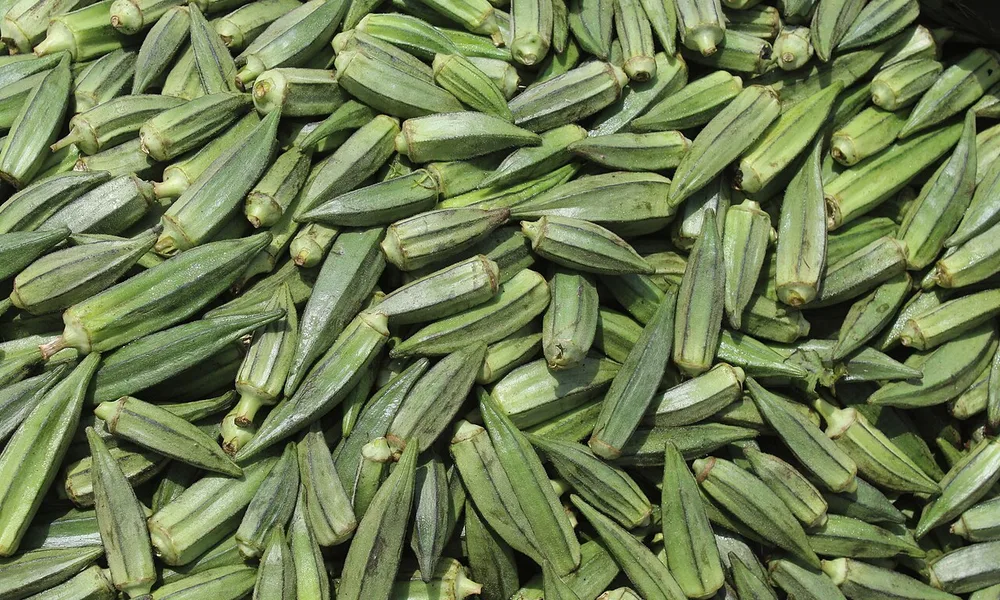
OkraPod Gauge AI judges the pods. It measures pod length from field photos and sorts the pods on each row into three groups: too small to pick, ready to pick, and already too long. That sorting is the heart of okra quality, because the difference between a tender pod and a woody one is only a few centimetres, and a picker working fast through a tall row cannot judge every pod by eye. The tool gives the crew a clear rule for the day: pick the pods in the ready group, leave the small ones, and take the overgrown ones off the plant so the plant keeps flowering.
The gauge also tracks how the pod size changes across the field. Rows in the warmest part of the field grow faster and need picking first, while rows in cooler ground can wait. That keeps the crates even: buyers get pods of a similar length, and the startup gets fewer complaints and fewer rejected crates. The tool records the size at picking for every round, so the startup can show a buyer exactly what size its pods are and can prove that the grading is consistent from the first crate to the last.
Over a season, OkraPod Gauge AI teaches the crew what the right pod looks like. New pickers learn the length by following the tool’s calls for a few weeks, and by the end of the season they can judge it by hand. That matters because the tool is a guide, not a replacement for a picker who knows the crop, and the best picking crews are the ones where the tool and the picker agree.
6. OkraPick Crew AI: Best for picking rounds and crew planning
OkraPick Crew AI runs the picking round. It takes the flower counts and the pod gauge readings, works out how many pods each block will give, and plans the crew for the day: how many pickers, which rows first, and how many crates to carry out. In the hot season, when pods need picking every two to three days, that plan is the difference between a round that finishes by midday and a round that drags into the hottest part of the afternoon, when both the pickers and the pods suffer.
The tool keeps the rounds even across the week. It stops the startup from picking the easy rows twice and leaving the far rows until their pods are overgrown, because it assigns rows in order and records which rows were picked on which day. It also tracks how fast each picker works, not to push the crew harder but to plan honestly: a startup that knows its true picking pace can promise a buyer a crate count it can actually deliver, and can take on a second buyer only when the crew can cover the extra rows.
OkraPick Crew AI also handles the small details that make a picking day run smoothly: crate counts, collection points, and the order in which full crates leave the field for cooling. A picking round is a chain of small jobs, and the tool keeps the chain in order so that pods move from the plant to the shade without sitting in the sun. For a startup with a small crew, that order is what turns hard work into a reliable weekly supply.
7. OkraCut Plan AI: Best for cutting pods cleanly and keeping plants productive
OkraCut Plan AI plans how pods are cut from the plant. Okra pods are cut with a short piece of stalk, and a clean cut matters: a torn stem invites disease and slows the plant, while a clean cut heals fast and the plant keeps flowering. The tool sets the cutting routine for the crew, including the blade to use, the length of stalk to leave, and the way to hold the pod so the stem is not pulled. It also plans the removal of overgrown pods, which must come off the plant even though they cannot be sold, because a plant left carrying old pods stops making new flowers.
The tool watches the plants as the season goes on. Lower leaves that yellow and die back are flagged for removal, so air moves through the rows and the plants stay healthy into the late season. It also tracks which rows are slowing down, so the startup knows when a block is nearing the end of its productive life and can plan the next sowing to take over. That handover matters: a field that is picked cleanly and cleared on time is a field that can be sown again without a long gap.
For a new startup, OkraCut Plan AI is the tool that protects the second half of the season. The first flush of pods is easy to get right, but the long tail of the season, when plants are tall and tired, is where yields fall away. A crew that cuts cleanly, removes old pods promptly and keeps the rows open will pick for weeks longer than a crew that does not, and those extra weeks are often the most profitable part of the year.
8. OkraCrate Cool AI: Best for cooling pods and keeping them fresh
OkraCrate Cool AI handles the pods after picking. Okra pods lose quality fast in the heat, going limp and dull within hours if they sit in the sun, so the tool’s job is to get them cool quickly and keep them cool. It plans the cooling step for each picking round: how soon the crates must reach the shade, how long they spend cooling, and what temperature they should be held at before they go to the buyer. It also tracks which crates were picked from which rows, so any quality problem can be traced back to the row it came from.
The tool sizes the cooling setup to the harvest. A light early-season round needs little cooling, but a heavy mid-season round can fill the cooling space in a single morning, and the tool warns the startup before the crates pile up. It also plans the crate rotation, so the oldest pods go out first and no crate sits at the back of the store while newer crates go out ahead of it. That rotation is a small detail that saves a startup from the embarrassment of delivering a crate that was picked days before the rest.
OkraCrate Cool AI also records the condition of every batch at the point of sale, which gives the startup a record it can show a buyer: the picking date, the cooling time and the grade of the pods. Buyers who buy okra every week remember which suppliers deliver pods that still look fresh on arrival, and that record is how a new startup earns a repeat order. Cooling is not the glamorous part of an okra farm, but it is the part the buyer notices first.
9. OkraBooks AI: Best for costing, quotes and buyer records
OkraBooks AI keeps the money straight. It records what each block cost to sow, water and pick, what each picking round yielded, and what each buyer paid, so the startup knows which blocks make money and which do not. Okra is picked over many weeks, and the costs and the income arrive in small pieces, so without a record it is easy to reach the end of the season unsure whether the farm made a profit. The tool turns those small pieces into a clear picture: cost per crate, income per buyer, and the weeks when the farm earned the most.
The tool also writes the quotes. When a buyer asks for a weekly supply, OkraBooks AI works out the price from the real picking cost and the expected yield, rather than from a guess, and it records the agreed price so there is no argument later about what was promised. It keeps the buyer list, the delivery days and the payment dates in one place, and it flags any buyer who is late paying, so the startup can follow up before the delay grows into a problem.
For a first season, OkraBooks AI is the tool that turns a busy summer into a business that can be repeated. A startup that ends its first season with clean books can plan its second season with confidence, order the right amount of seed, and say yes to the buyers it can serve well.
How the tools work together across one season
The nine tools form a chain that runs from the first warm week to the last crate. OkraSeed Rate AI and OkraHeat Sense AI decide when to sow; OkraRow Planner AI decides where the rows go; OkraFlower Watch AI and OkraPod Gauge AI decide when to pick; OkraPick Crew AI and OkraCut Plan AI run the picking day; OkraCrate Cool AI looks after the pods once they are off the plant; and OkraBooks AI records what it all cost and earned. No step is skipped, and each tool hands its result to the next, so the plan for the week is built from the field as it actually is, not from a plan written in spring and never updated.
That chain matters most in the middle of the season, when the picking rounds come every two or three days and there is no time to stop and replan from scratch. A startup that follows the chain can look at the flower counts on Monday, know the picking load for Wednesday, send the right number of pickers, and have the crates cooled and recorded by the evening. A startup without the chain spends the same week guessing, and guessing is what leaves pods overgrown on the plant and buyers waiting for crates that never arrive.
The same chain works for other pod crops, with the tools changed to fit the crop. Pea farm installation startups face a similar short picking window, and the habit of planning the round from flower counts and pod size transfers directly, even though the crop and the season are different. The discipline is the same: watch the crop, pick on its timing rather than on a fixed day, and keep a record of what each round cost and earned.
| Tool | Best for | When to buy it | First-season cost |
|---|---|---|---|
| OkraSeed Rate AI | Seed rates and sowing dates | Before ordering seed | Low |
| OkraRow Planner AI | Row layout and picking access | Before marking out the field | Low |
| OkraHeat Sense AI | Soil warmth and heat planning | Before the first sowing | Low |
| OkraFlower Watch AI | Flowers and the picking signal | When plants start flowering | Moderate |
| OkraPod Gauge AI | Pod length and picking size | Before the first picking round | Moderate |
| OkraPick Crew AI | Picking rounds and crew planning | Before the first heavy week | Moderate |
| OkraCut Plan AI | Clean cutting and plant health | With the first picking round | Low |
| OkraCrate Cool AI | Cooling pods and keeping them fresh | Before the first delivery | Moderate |
| OkraBooks AI | Costing, quotes and buyer records | Before the first sale | Low |
First-season checklist
- Check the soil warmth with OkraHeat Sense AI and do not sow until the ground is warm enough for quick germination.
- Set the seed rate and sowing slots with OkraSeed Rate AI, staggering the field so the pods arrive in waves rather than all at once.
- Mark out the rows with OkraRow Planner AI, leaving room for pickers carrying crates to walk the rows of tall, leafy plants.
- Start counting flowers with OkraFlower Watch AI as soon as the first flowers open, and use the counts to plan each picking round.
- Pick every two to three days in the hot season, using OkraPod Gauge AI to keep pods at the tender length buyers want.
- Cool every crate quickly with OkraCrate Cool AI, record the sale with OkraBooks AI, and review the books before planning the second season.
One more planning habit is worth borrowing from warm-season field crops generally. Sweetcorn farm installation startups plan their first season around heat in the same way, timing their work to the warmest weeks rather than to the calendar, and an okra startup that copies that habit will find its sowing dates and picking rounds fall into place more easily.
Frequently asked questions
How much does it cost to start an okra farm installation startup?
The cost depends on the size of the field, the water supply and the number of pickers, and the tools above are the smaller part of it. The planning tools cost the least and should be bought first, while the picking and cooling tools are worth adding once the plants are up and the first heavy picking week is in sight. A startup should budget for the tools in the table above, then add the cost of seed, water and crates, and keep a reserve for the first month, when the plants are growing but nothing is being sold yet.
Which AI tool should an okra farm installation startup buy first?
Buy OkraSeed Rate AI first, with OkraHeat Sense AI alongside it. Those two decide when to sow and how much seed to use, and every later decision about rows, water and picking rests on the sowing plan they produce. OkraRow Planner AI should follow before the field is marked out, because row spacing is fixed for the whole season once the plants are up.
How often do okra pods need picking?
Every two to three days in the hot season. Okra pods grow fast in warm weather, and a pod that is tender on Monday can be too long and woody by Thursday. The flower counts from OkraFlower Watch AI and the pod length readings from OkraPod Gauge AI tell the startup which rows to pick on which day, so no row is left long enough for its pods to grow past the size buyers want.
What is the best soil for an okra farm?
Warm, free-draining soil in a sunny position. Okra needs heat more than it needs rich ground, and it does poorly in cold, wet soil, where the seed rots instead of sprouting. OkraHeat Sense AI checks the soil warmth before sowing, and the startup should choose the warmest, sunniest part of the field for the first sowing, keeping the cooler ground for the later slots.
Do I need irrigation for an okra farm?
Yes, in most warm climates. Okra needs steady water through the hottest weeks, when the plants are flowering and setting pods every few days. Rows should be grouped so each block can be watered on its own, and the watering should be planned around the picking rounds, so the field is not wet underfoot on the morning the crew goes in to pick.
Can one person run an okra farm installation startup?
One person can run the planning and the early season, but the picking rounds need help once the plants are in full production. A single grower can sow, water and watch the flowers alone, yet a heavy picking week needs a small crew, because pods must be picked every two to three days and a lone picker cannot cover a full field in that window. The tools above let a small crew do the work of a larger one, but they do not replace the hands that pick the pods.
Bottom line
An okra farm installation startup succeeds on timing: warm soil before sowing, rows planned for pickers before the plants grow tall, flowers watched for the picking signal, and pods picked every two to three days at the tender length buyers want. The nine tools above cover that timing from the first soil check to the last crate, and the cheapest way to start is to buy the planning tools first and add the picking and cooling tools as the season builds.
Start with the sowing plan, mark out rows a crew can walk, and let the flowers tell you when to pick. Do that, and the long hot season that makes okra demanding is the same season that keeps the pods coming, week after week, for months.

Keep what speaks to you.
Leave room for your own perspective.


