
A tomato farm is a commercial growing business, and it should be planned like one. The crop is grown in rows and blocks across acres or inside long polytunnels, picked by crews working to a daily list, graded and packed for wholesale buyers, supermarkets and processors, and sold by the tonne. A startup that installs tomato farms does not plant a few vines and hope for the best. It surveys the land, lays out the rows and the trellis, puts in the water and the access tracks, and hands the grower a site that can be picked, packed and paid for from the first season.
That is where the right software earns its place. The tools in this guide cover the whole build, from the first row plan to the final invoice. They help a startup choose the tomato variety for the site, space the rows for the trellis and the picking trolleys, read the soil before a single plant goes in, schedule the drip lines, count the trusses, spot blight before it spreads, call the picking day by colour, organise the crews and the crates, and keep the packing and the money in order. None of them grows the crop on its own, but together they turn a field of guesswork into a farm that can be costed, scheduled and repeated. A sweetcorn farm installation follows the same commercial logic at field scale, with rows, crews and buyers planned before planting, and a tomato farm deserves the same discipline.
This guide compares nine tools, each built for one job on a tomato farm. Every tool was chosen because it answers a question a tomato grower actually asks: how far apart should the rows be, how much water does this block need today, which trusses are ready, and how many crates will the crew fill by Friday. If you are starting a tomato farm installation business in 2026, start with the planning tools, add the growing tools before planting, and put the packing and ledger tools in place before the first pick.
Key takeaways
- A tomato farm is a commercial build: rows, trellis, water, access and packing are planned before planting, not added afterwards.
- Start with TrellisPlan AI for the row and trellis layout, TomatoSoil AI for the soil, and DripTomato AI for the watering plan.
- Truss counts and colour scoring decide the picking day, and picking crews work from a daily list, not from memory.
- Blight scouting and irrigation timing protect the crop, and both pay for themselves in a single saved block.
- Packing, grading and invoicing belong in the launch plan, because the first pick is the first sale.
The nine tools, at a glance
| Tool | Best for | First-season job |
|---|---|---|
| TrellisPlan AI | Row and trellis layout | Spacing the rows for vines, trolleys and picking |
| TomatoSoil AI | Soil readings and feeding | Testing the soil block by block before planting |
| DripTomato AI | Drip irrigation scheduling | Watering each block at the right time and rate |
| TrussCount AI | Truss and fruit-set counts | Forecasting the crop row by row |
| BlightSense AI | Blight and disease scouting | Spotting blight early and mapping the risk |
| RipeTomato AI | Ripeness and picking day | Scoring colour so crews pick at the right stage |
| PickVine AI | Picking crews and crates | Planning daily pick lists, crates and routes |
| PackHouse AI | Grading and packing | Grading, packing and cooling the picked fruit |
| TomatoLedger AI | Quotes, invoices and sales | Costing the job and invoicing the buyers |
What a tomato farm installation startup actually builds
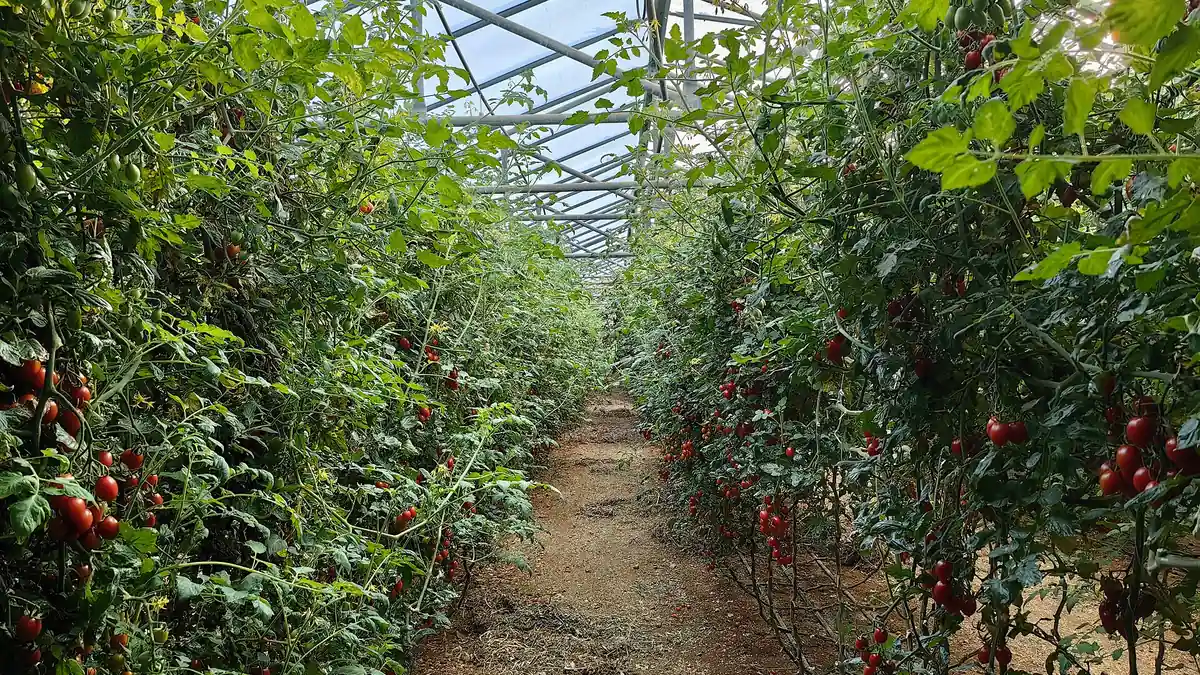
A tomato farm installation startup builds the growing system, not just the plants. On an open field that means the field blocks, the row spacing, the trellis posts and wires, the drip lines, the access tracks for tractors and picking trolleys, the water supply and the collection point where crates are loaded. Inside a polytunnel it means the tunnel layout, the rows under cover, the ventilation, the trellis lines hanging from the frame, and the paths wide enough for a trolley loaded with crates. In both cases the grower needs to walk the rows, reach every vine, water every block and get the picked fruit out without damage.
The variety matters as much as the layout. Determinate varieties grow to a set height, set their fruit over a short window and suit a field harvest where the whole block is picked in a few passes. Indeterminate varieties keep growing, keep setting trusses up the trellis, and suit a long polytunnel season with picking every few days for months. A startup that gets this choice wrong builds the wrong farm: a tall trellis for a short variety wastes steel and labour, while a low wire for a tall variety leaves the vines with nowhere to go. The planning tools below ask about variety, site and buyer before they draw a single row, and that order matters.
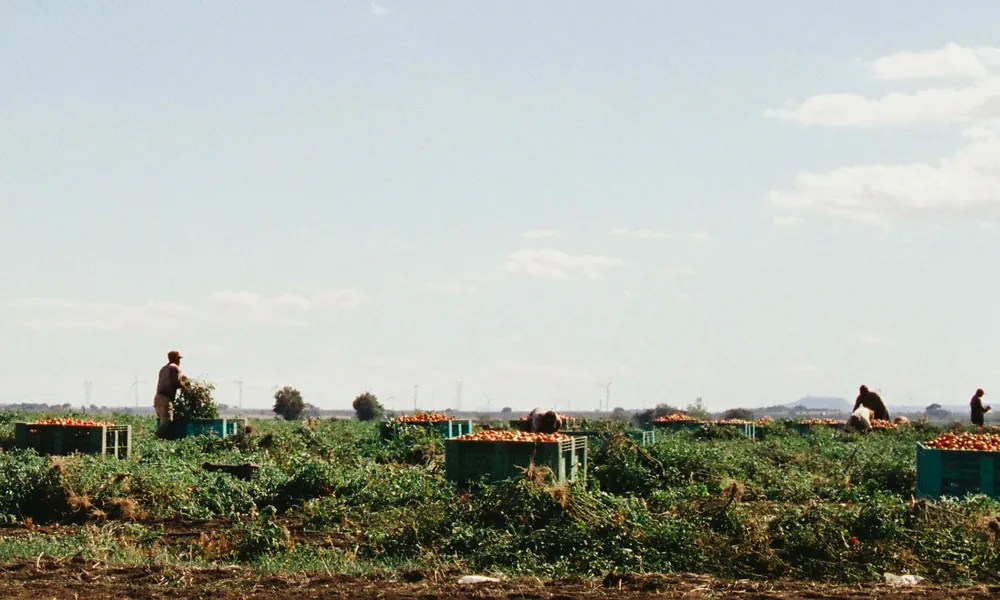
Buyers shape the build too. A supermarket buyer wants graded fruit of a steady size, packed in standard crates, delivered on a set day each week. A processor wants volume, and the picking and transport plan has to keep the fruit moving from field to factory without delay. A wholesale market buyer wants a reliable supply across the season, which means the planting and the truss counts have to be planned in blocks that ripen in turn. When a startup understands the buyer first, the row plan, the water plan and the picking plan all fall into place, and the farm has a customer waiting when the first truss turns red.
Planning the build: layout, soil and water
1. TrellisPlan AI: Best for row and trellis layout
TrellisPlan AI draws the row and trellis plan for a tomato farm, and it is the tool to buy first. You enter the field or tunnel size, the variety, the trellis type and the width of the picking trolleys, and it returns the row spacing, the number of rows, the post positions and the wire heights. For indeterminate vines it plans a tall trellis with room for the vines to be lowered as they grow, while for determinate varieties it plans a lower, simpler support that suits a short, sharp harvest. The plan shows where the access tracks go, so tractors and trolleys can reach every row without crushing plants.
The value is in the mistakes it prevents. Rows that are too close together shade each other, slow the drying of the leaves and make picking slow and bruising. Rows that are too far apart waste land and water on paths that grow nothing. Posts set in the wrong place leave wires sagging under a full crop, and a sagging wire drops fruit onto the ground. TrellisPlan AI prices the posts, wires and clips for the plan it draws, so the quote for the installation is based on a real layout rather than a guess. A startup can show the grower the plan, walk the field with it, and agree the layout before a single post is driven in.
2. TomatoSoil AI: Best for soil readings and feeding
TomatoSoil AI turns soil test results into a planting and feeding plan for each block of the farm. Tomatoes are hungry plants, and they are fussy about drainage, pH and calcium, which is the nutrient that prevents blossom-end rot on the fruit. The tool takes the soil tests, maps them block by block, and shows where the soil is ready, where it needs lime or organic matter, and where drainage must be improved before planting. A block that holds water after rain will rot roots and invite disease, and it is far cheaper to fix that before planting than after the vines are in.
The feeding plan is just as practical. It sets out what to apply, when, and in what amount for each block, based on the soil readings and the variety. Young plants need steady feeding to build strong stems, fruiting plants need a different balance to fill the trusses, and overfeeding produces leafy vines with little fruit. TomatoSoil AI keeps the plan tied to the soil tests, so the grower is not feeding by habit or by what the neighbouring farm does. It also records every application, which matters when a buyer asks how the crop was grown, and when the startup returns next season to plan the rotation.
3. DripTomato AI: Best for drip irrigation scheduling
DripTomato AI schedules the drip irrigation for a tomato farm, block by block and day by day. Tomatoes need steady water, not floods followed by drought. Uneven watering splits fruit, invites blossom-end rot and stresses the plants just when the trusses are filling. The tool reads soil moisture, weather and the growth stage of each block, then sets the watering time and rate for every line. A young block gets short, frequent watering to settle the roots, while a fruiting block gets deeper watering timed to the heat of the day.
The schedule saves water as well as fruit. Drip lines put water at the roots, where the plants need it, instead of spraying it across the paths, and the tool cuts the run time when rain is coming or when a block is already moist. That matters on a farm where water is metered or where the supply is shared with other crops. The tool also flags blocked emitters and dry patches, because a single blocked line can leave a whole row thirsty while the rest of the block looks fine. A crew that checks the flags each morning catches the fault before the plants show it.
For a startup, the irrigation plan is part of the installation, not an extra. The layout of the drip lines, the filters, the valves and the zones should be drawn with the row plan, and a drip irrigation installation planned this way is far easier to run than one added after planting. DripTomato AI keeps the zones, the schedules and the water use in one place, so the grower can see what each block cost in water and what it returned in fruit, and the startup can prove the system works from the first season.
Growing the crop: counting, scouting, ripeness and picking
4. TrussCount AI: Best for truss and fruit-set counts
TrussCount AI counts the trusses and the fruit set on a tomato farm, and turns those counts into a forecast the grower and the buyer can both use. A truss is the branching stem that carries the flowers and then the fruit, and the number of trusses per plant, and the number of fruit setting on each truss, decide the size of the crop weeks before it is picked. The tool uses counts taken in the rows, and photos of the trusses, to estimate the fruit per row, per block and per week. That estimate is the basis for everything that follows: how many crates to order, how many pickers to book, and how much fruit to promise the buyer.
The counts also show where the crop is uneven. If one block has fewer trusses than the rest, the cause may be cold nights, missed feeding or poor pollination, and the sooner it is found, the sooner it can be fixed. If the fruit set is heavy on the lower trusses and light above, the plants may need pruning or feeding to keep the upper trusses filling. TrussCount AI maps the counts by row, so the grower walks to the weak rows first instead of walking the whole farm to find them. Over a season, the counts build a record of what each block produced, which is the evidence a startup needs when it plans the next farm.
5. BlightSense AI: Best for blight and disease scouting
BlightSense AI scouts a tomato farm for blight and other diseases, and it is the tool that protects the whole season. Early blight and late blight can move through a tomato crop in days, turning leaves brown, spotting fruit and cutting the yield of a block that looked healthy the week before. The tool combines weather data, leaf wetness and scouting reports to map the risk block by block, and it flags the rows to check first after rain or a humid night. A scout who walks the flagged rows with the tool records what they see, and the record builds a picture of where the disease is and how fast it is moving.
The value is speed. A grower who finds blight on a few plants can remove them, improve the airflow, and treat the block before the disease reaches the rest of the farm. A grower who finds it a week later is treating the whole farm, and may still lose the block. BlightSense AI also keeps the treatment record, so the grower knows what was applied, when, and to which rows, and the buyer can see that the crop was managed properly. It does not replace walking the rows, and no tool can, but it makes sure the walking goes to the rows that need it most.
6. RipeTomato AI: Best for ripeness and picking day
RipeTomato AI scores the ripeness of a tomato crop by colour, and calls the picking day for each block. Tomatoes for the fresh market are picked when the colour is right for the buyer, not when they are fully soft on the vine, because fruit picked too early never develops its full flavour and fruit picked too late bruises on the way to the packhouse. The tool uses photos of the trusses and colour scores from the rows to show which blocks are ready, which need a few more days, and which should be left for the next pass. That turns picking from a guess into a daily list.
The colour score also keeps the grade steady. A buyer who receives crates of mixed ripeness has to sort them again, and the farm pays for that sorting in time and in rejected fruit. A crew that picks to a colour score fills crates that are ready for the same grade, and the packhouse can grade and pack them without rework. RipeTomato AI records the score for each block on each picking day, so the grower can see how the crop ripened across the season and plan the planting blocks for next year so that the ripening is spread evenly.
7. PickVine AI: Best for picking crews and crates
PickVine AI plans the picking crews, the crates and the daily routes on a tomato farm. Picking is the most labour-heavy job on the farm, and it is where a good season is won or lost. The tool takes the truss counts, the ripeness scores and the buyer orders, and turns them into a daily pick list: which rows, how many crates, how many pickers, and in what order. It plans the routes so the trolleys move down the rows without backtracking, and it books the crates so the crew never stands waiting for empty ones at the end of a row.
The plan also protects the fruit. Tomatoes bruise easily, and a picker who is rushed, or who has to carry a full crate too far, will bruise more fruit than a picker working a steady route with crates close at hand. PickVine AI sets the pace from the crop, not from a target that ignores the rows, and it records the crates picked per row, so the grower can see which rows were heavy and which were light. When the crates reach the collection point, the count is already in the system, and the packhouse knows what is coming before the first crate arrives.
Packing and selling: grading, packing and the money
8. PackHouse AI: Best for grading and packing
PackHouse AI runs the grading and packing of a tomato farm, from the crates arriving at the packhouse to the graded boxes leaving for the buyer. Fresh tomatoes are graded by size, colour and condition, and the grade decides the price. The tool records the grade of every crate, plans the packing line so that each grade goes into the right box, and tracks the packed boxes by buyer and by delivery day. It also plans the cooling, because tomatoes picked warm from the field need to be cooled promptly so they hold their condition on the journey to the buyer.
The packing record is the farm’s proof of quality. If a buyer reports a problem, the tool can trace the box back to the block, the picking day and the crew, and the grower can find the cause instead of guessing. If a block consistently grades down, the record shows it, and the grower can ask whether the variety, the watering or the picking needs to change. PackHouse AI also tracks the packing materials, the boxes and the labels, so the farm does not run out of boxes on the busiest picking day of the season.
9. TomatoLedger AI: Best for quotes, invoices and sales
TomatoLedger AI keeps the money of a tomato farm installation startup in order, from the first quote to the final invoice. It costs the installation job, including the trellis, the drip lines, the plants and the labour, and turns that cost into a quote the grower can understand. It records the sales of the crop, crate by crate and buyer by buyer, and raises the invoices so the grower is paid for what was picked and packed. It also tracks the costs of the season, so the startup and the grower can see whether the farm made money, and where the money went.
The ledger is also the record that makes the next farm easier to sell. A grower who can show the cost of the build, the yield per block and the price per crate has the evidence to expand, and a startup that can show the same figures has the evidence to win the next job. TomatoLedger AI links the field records to the invoices, so a buyer query about a delivery can be answered from the same record as the picking list, and a quote for a new farm can be based on the real costs of the last one, not on a guess.
How to choose the tools, and in what order
Buy the planning tools first, because they decide the farm. TrellisPlan AI, TomatoSoil AI and DripTomato AI should be in place before the first post is driven in or the first plant is ordered. Together they cost less than a single wrong layout, and they produce the drawings, the soil plan and the water plan that the rest of the build depends on. A startup that tries to save money by skipping the planning tools usually spends the saving, and more, on fixing the layout later.
Add the growing tools before planting, and the packing tools before picking. TrussCount AI and BlightSense AI need to be running from the first weeks, so the counts and the scouting record start at planting and not halfway through the season. RipeTomato AI and PickVine AI should be ready before the first truss colours, so the picking day is called by colour and the crews are booked in time. PackHouse AI and TomatoLedger AI should be set up before the first crate leaves the field, so the fruit is graded and invoiced from day one. A polytunnel installation follows the same order, with the structure and the growing plan settled before the crop goes in, and the packing plan ready before the first harvest.
Do not buy all nine tools on the first day if the budget will not stretch, but do not leave a gap in the chain either. A farm with a good layout and no picking plan will lose fruit in the rows, and a farm with a good picking plan and no ledger will lose money at the invoice. Start with the three planning tools, add the four growing tools as the crop goes in, and finish with the two selling tools before the first pick. That order matches the season, and it matches the cash flow of a new business.
Launch checklist for a tomato farm installation startup
- Survey the site, test the soil block by block, and agree the variety and the buyer before drawing the row plan.
- Draw the trellis and row layout with the trolley widths and access tracks included, and price the posts, wires and clips from that plan.
- Put in the drip lines, filters and zones with the rows, and set the watering schedule for each block before planting.
- Start truss counts and blight scouting in the first weeks, and walk the flagged rows after every wet spell.
- Call the picking day by colour, book the crews and crates from the daily pick list, and grade and cool the fruit on the day it is picked.
- Raise the invoice for every delivery from the same record as the picking list, and review the costs and yields block by block at the end of the season.
Frequently asked questions
How much does it cost to start a tomato farm installation business?
The cost depends on the size of the farm, whether it is an open field or a polytunnel build, and how much of the work the startup does itself. The trellis, the drip lines, the plants and the labour are the largest costs, and the software is a small part of the total. Price the build from a real row plan, with the posts, wires, drip lines and crates listed, rather than from a round figure, and add a margin for the first season, when the crew is still learning the rows. A startup that quotes from a plan is far more likely to make money than one that quotes from a guess.
Which AI tool should a tomato farm installation startup buy first?
Buy TrellisPlan AI first, because the row and trellis layout decides everything that follows, from the water plan to the picking routes. Add TomatoSoil AI at the same time, so the soil tests shape the planting plan, and DripTomato AI before the lines go in. The growing and selling tools can follow as the season approaches, but the layout cannot be changed cheaply once the posts are in the ground.
Can AI tools really plan a tomato farm across whole fields?
Yes, when the tools are given real measurements from the site. The row plan needs the field size and shape, the variety, the trellis type and the trolley width, and the soil plan needs real soil tests, not averages. A tool that is fed the site measurements will draw a plan the crew can build from, and a tool that is fed guesses will draw a plan that looks neat and fails in the field. Walk the site, measure it, test the soil, and then let the tools do the drawing and the counting.
How long before a newly planted tomato farm pays for itself?
A field tomato farm can return its first income in the same season, because the crop is picked and sold within months of planting, while a polytunnel farm spreads its income across a longer picking season. The speed of repayment depends on the yield, the grade and the price the buyer pays.
Do tomato farms need irrigation from the first season?
Yes. Tomatoes need steady water from planting onwards, and a drip system is the standard way to deliver it at field scale. Rain alone is too uneven: a dry spell stresses the plants and splits the fruit, while a wet spell without drainage rots the roots. A drip system, scheduled block by block, keeps the water steady through the season, and the watering plan should be drawn with the row plan, not added after the plants are in.
Should a tomato farm installation startup also offer picking services?
Offering picking is a sensible way to grow the business, because the startup already knows the rows, the ripeness scores and the daily pick list. A picking service needs crews, crates, trolleys and transport, and it should be priced as a separate service, with the crates and the grade recorded for the grower. Many growers welcome a startup that stays on after the build to pick the crop, and the picking work gives the startup a steady income across the season, as well as the evidence it needs to build better farms next year.
Bottom line
A tomato farm installation startup succeeds by planning the whole farm before planting, and by running the season from records rather than from memory. The nine tools in this guide cover that chain: TrellisPlan AI for the layout, TomatoSoil AI for the soil, DripTomato AI for the water, TrussCount AI for the forecast, BlightSense AI for the scouting, RipeTomato AI for the picking day, PickVine AI for the crews and crates, PackHouse AI for the grading and packing, and TomatoLedger AI for the money. Buy them in that order, use them every week, and the farm you build will be one the grower can pick, pack and sell from the first season.
Start with the survey and the soil tests, draw the plan, and do not plant until the layout, the water and the buyer are settled. That discipline is the difference between a tomato farm and a field of tomato plants, and it is the reason the best installation startups are booked again the following year.

Keep what speaks to you.
Leave room for your own perspective.


