The best AI tools for ranchers in 2026 are turning long days of guesswork into decisions backed by real data. A rancher used to walk the pasture, check the water, count the herd by eye, and hope the weather held. Today, a sensor on a cow, a camera over a gate, and a phone in a shirt pocket can do much of that watching around the clock, and the software behind them can spot a sick animal, a dry tank, or a thin pasture days before a person would notice. That shift matters because ranch margins are thin, labor is hard to find, and one missed problem can cost far more than a year of software.
Ranching has always rewarded people who pay attention, and artificial intelligence is simply a new way to pay closer attention. The tools in this guide track each animal, map every acre, watch feed and water, and read market prices, then turn all of that information into plain advice: move this group to the north pasture, check cow 217 today, order feed before Friday. None of these tools replace a rancher’s judgment. They give that judgment better timing and better facts, which is exactly what a busy operation needs during calving, branding, or a dry summer.
This guide compares the strongest options for working ranches, from herd monitoring collars and smart ear tags to grazing maps, feed ration software, virtual fencing, and cattle market forecasting. Every tool was judged on the same practical questions: does it work where cell signal is weak, does it save real hours each week, is the price fair for the size of the herd, and can a rancher set it up without hiring an IT team. The result is a clear ranking that fits small family ranches as well as large commercial operations, with honest notes on costs, limits, and where each tool shines.
Key takeaways
- Herd monitoring collars and smart ear tags pay for themselves fastest by catching sick animals early and cutting losses at calving time.
- Virtual fencing saves hours of fence riding every week and lets a rancher move cattle between pastures from a phone.
- Pasture mapping tools protect grass by showing exactly which paddocks need rest and which can carry more animals.
- Feed and water sensors prevent the two most expensive ranch mistakes: running out of feed and finding a dry tank too late.
- The best setup for most ranches is one herd platform, one grazing tool, and one market tool, all working from the same animal records.

How AI Is Changing Ranching in 2026
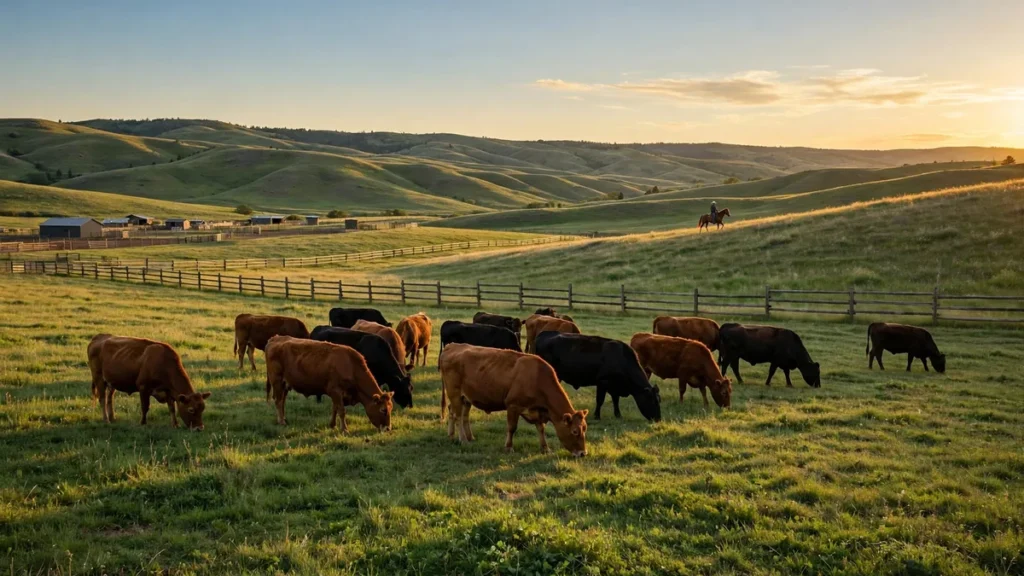
Ranching in 2026 looks familiar from the road: cattle on grass, fences, windmills, and dust. Up close, though, the work has changed. A collar on a cow now records how long she eats, how long she rests, and how far she walks, and software compares those numbers with her own normal pattern. When the pattern breaks, the rancher gets an alert with the animal’s number and her last known location. That single change has cut the time it takes to find a sick cow from a full day of riding to a short walk to the right spot in the pasture.
The second big change is in how ranches use land. Satellite images and drone photos now show grass growth paddock by paddock, and grazing software turns those images into a simple plan: graze here for four days, rest that field for three weeks, and skip the south slope until it recovers. Ranchers who follow these plans report thicker grass, less bare ground, and fewer bought feed bills in winter. The land itself becomes a measured asset instead of a guess, and the same records help with leases, loans, and conservation programs that ask for proof of good stewardship.
The third change is quieter but just as important: the paperwork is shrinking. Calving records, vaccination dates, breeding histories, and sale weights used to live in notebooks, whiteboards, and memory. Now the same herd platform holds them all, and it fills in much of the data automatically from tags, scales, and sensors. When sale day comes, the rancher has a clean record for every animal, and buyers pay more for cattle with a documented history. A ranch that once needed a full afternoon to prepare sale papers can now do it in minutes, and the records stay accurate even when the crew changes.
Best AI Tools for Ranchers Compared
The table below compares the leading tools side by side so a rancher can see the trade-offs at a glance. Prices are typical starting points for a working ranch, and most vendors quote by herd size, so a small herd pays less and a large herd pays more. The best choice depends on the size of the operation, the quality of the cell signal, and whether the ranch needs herd health, grazing, or market help most.
| Tool | Best for | Key strength | Starting price |
|---|---|---|---|
| HerdSense Pro | Herd health monitoring | Early illness alerts | $4 per cow per month |
| GrazeMap AI | Pasture and grazing | Satellite grass mapping | $99 per month |
| FeedWise | Feed and nutrition | Smart ration planning | $79 per month |
| VirtuFence | Virtual fencing | Phone-controlled boundaries | $35 per collar per year |
| RanchRecord Cloud | Herd records | Full animal histories | $59 per month |
| WaterWatch | Water monitoring | Tank level alerts | $12 per sensor per month |
| CattleMarket IQ | Selling and pricing | Price forecasting | $49 per month |
| DroneScout Ranch | Pasture scouting | Drone herd counts | $149 per month |
Detailed Reviews of the Best AI Tools for Ranchers
Each tool below was reviewed for real ranch conditions: weak signal, dust, mud, long distances, and crews that need simple screens. A tool that only works in an office did not make this list. The reviews cover what each product does well, where it falls short, and which kind of ranch should buy it first.
HerdSense Pro
HerdSense Pro is a collar-based herd monitoring system and the strongest all-around pick for ranches that want early warning on sick animals. Each collar records eating, resting, walking, and rumination, and the software learns what is normal for every cow. When a cow eats less, rests more, or moves oddly, the rancher gets an alert on a phone with the animal’s tag number and location. In practice, most ranchers say the system flags a sick animal a full day or two before they would have spotted the problem on a ride, and that early warning is often the difference between a cheap treatment and a lost cow.
GrazeMap AI
GrazeMap AI turns satellite images into a grazing plan that any rancher can follow. The software measures grass growth across every paddock, estimates how many grazing days each one holds, and suggests a rotation that keeps grass recovering instead of being grazed to the dirt. A rancher can see the whole ranch on one map, with green paddocks ready to graze and red ones that need rest. The result is better grass, heavier cattle, and less money spent on hay and supplements during the months when pasture should be doing the work.
FeedWise
FeedWise is a feed and ration planning tool that helps a rancher buy the right feed at the right time and mix rations that match what the cattle actually need. The software takes the herd’s weight, stage of pregnancy, and pasture condition, then builds a ration from the feed on hand and local prices. It flags waste, such as feeding expensive supplement to cattle that are already gaining well, and it warns when a ration is short on protein or minerals. Ranchers who switch to planned rations commonly report lower feed bills and more even gains across the herd.
VirtuFence
VirtuFence is a virtual fencing system that replaces many miles of wire with collars and a phone app. The rancher draws a boundary on a map, and the collar gives the animal a sound warning as it nears the edge, followed by a mild pulse if it keeps going. Cattle learn the boundary in a few days, and the rancher can move the fence, open a new paddock, or protect a creek or a reseeded field without driving a single post. The time saved on fence building, fence riding, and fence repair is the biggest reason ranchers adopt it, especially on rough ground where a traditional fence is hard to maintain.
RanchRecord Cloud
RanchRecord Cloud is a herd record system that keeps every animal’s full history in one place: birth date, sire and dam, vaccinations, treatments, breeding dates, weights, and sale results. The software fills in much of this automatically from ear tags, scales, and chute-side readers, so the record stays complete even on a busy day. When a buyer asks about a group of calves, the rancher can show a clean history in seconds, and documented cattle consistently bring better prices than cattle with no paper trail.
WaterWatch
WaterWatch is a water monitoring system built around one simple idea: a dry tank is an emergency, and a rancher should know about it before the cattle do. Sensors sit in tanks and troughs and report water level, flow, and temperature to a phone app, with an alert the moment a level drops too fast or a float sticks. A broken pipe, a failed pump, or a frozen line shows up as an alert instead of a herd of thirsty cattle, and that early warning has saved more than one ranch from a costly loss on a hot afternoon.
CattleMarket IQ
CattleMarket IQ is a market forecasting tool that helps a rancher choose when and where to sell. The software tracks sale barn reports, futures prices, feed costs, and seasonal patterns, then shows a simple forecast for the rancher’s class of cattle over the coming weeks. It also compares sale barns and video auctions, so a rancher can see whether hauling farther is worth the price difference. In a business where a few cents per pound across a load of calves is real money, selling a week earlier or later can matter more than any other decision in the year.
DroneScout Ranch
DroneScout Ranch uses drone flights and AI image analysis to count cattle, check fences, and scout pasture from the air. A flight over a large pasture takes minutes and returns a head count, a map of where the herd is grouped, and photos of fence lines, water points, and problem spots like washouts or fallen trees. For a ranch with big country and few hands, a drone can do in one morning what used to take a full day of riding, and the head count alone prevents the worry of a missing animal that is simply hidden in a draw.
Herd Health and Monitoring
Healthy cattle are the foundation of a profitable ranch, and AI monitoring has made herd health a daily habit instead of a seasonal worry. Collars and ear tags watch eating, resting, and movement all day and all night, and the software flags the animals that break their own pattern. A cow that stops eating, a calf that lies down too long, or a heifer that walks in circles gets an alert while treatment is still cheap and simple. Ranchers who use these systems say the biggest change is not the technology itself but the calm it brings: they start each day with a short list of animals to check instead of a whole herd to worry about.
The data also improves breeding and calving. Activity spikes show when a cow is in heat, so breeding happens on time instead of being missed during a busy week. Calving alerts give a rancher hours of warning before a birth, which means help arrives before a difficult delivery turns into a loss. Over a season, those small wins add up to more live calves, tighter calving windows, and a more even calf crop at sale time. Ranchers who work closely with their veterinarian can also look at the best AI tools for veterinarians, which cover animal health monitoring and clinic workflows that pair well with on-ranch sensors and shared health records.
Grazing and Pasture Management
Grass is a ranch’s cheapest feed and its most fragile asset, and AI grazing tools protect it by making rotation a plan instead of a guess. Satellite maps show which paddocks are growing, which are grazed down, and how many days of feed each one still holds. The software then builds a rotation that rests tired grass and uses strong grass, and it keeps a record of every move. A rancher who follows the plan will see thicker stands, less bare dirt, and fewer weeds, because grass that gets real rest grows deeper roots and comes back stronger after grazing.
The same tools help a rancher make better use of land that is easy to overlook. A far paddock with good grass, a bottom field that stays green in a dry spell, or a hillside that recovers slowly all get the right amount of attention when the map shows them clearly. Moving cattle on schedule also spreads manure more evenly, which feeds the soil instead of piling up near water and gates. Land and soil knowledge matters here, and the best side hustles for retired agricultural engineers show how much practical value sits in agricultural and land expertise that ranchers can draw on when planning rotations, soil care, and water placement.
Feed, Water, and Nutrition
Feed is the largest cost on most ranches, and AI tools attack that cost from two directions: they stop waste and they match feed to need. Ration software builds a mix from the feed on hand and the cattle’s stage of growth or pregnancy, then tracks the cost per pound of gain. Smart feeders and bunk sensors measure what is actually eaten and what is left behind, so a rancher can see whether a group is being overfed, underfed, or simply wasting feed on the ground. Small corrections, repeated every week, add up to real money over a feeding season.
Water deserves the same attention, because cattle drink a lot and a dry tank becomes an emergency fast. Tank sensors report level and flow around the clock, and an alert goes out the moment a level falls too fast or a pump stops. A rancher who has ever found a dry tank at sunset knows the value of that warning. The sensors are cheap, the batteries last for years, and the system works at tanks far from the house and far from cell signal. Checking water used to mean a daily drive to every tank; now it means a glance at a phone and a drive only when something actually needs fixing.
Fences, Security, and Predator Alerts
Fence work has always eaten ranch time, and virtual fencing is the first real change to that job in a generation. A rancher draws a boundary on a map, the collars train the cattle with sound and a mild pulse, and the fence can be moved, opened, or closed from a phone. Creek crossings, reseeded fields, and calving areas can all be protected without a single post, and a fence line that once took a week to build can be set up in an afternoon. The savings in wire, posts, fuel, and labor are easy to count, and the ability to move cattle quickly is worth even more during a storm or a fire.
Markets, Pricing, and Selling
Selling cattle well is a skill, and AI market tools give that skill better information. Price forecasting software tracks sale barn reports, futures, feed costs, and seasonal demand, then shows a rancher the likely price for their class of cattle over the next few weeks. The forecast will not be perfect, but it beats selling blind, and it helps a rancher decide whether to sell this week, hold for a better market, or put more weight on calves before sale day. A few cents per pound across a full load is real money, and the tool pays for itself with one good decision.
The software also helps a rancher compare selling options. A nearby sale barn, a video auction, and a direct buyer may all offer different prices for the same cattle, and the tool shows the net return after hauling, commission, and shrink. That comparison often surprises ranchers who have always sold the same way, and it opens the door to buyers who pay more for documented, well-managed cattle. Clean records from the herd platform matter here: buyers pay more when they can see vaccination dates, weights, and breeding history, and the software makes those records easy to share.
Costs and Return on Investment
The honest question about any ranch tool is whether it pays for itself, and the answer depends on what problem it solves. Herd monitoring pays fastest on ranches that lose cattle to undetected illness or difficult calvings, because one saved cow can cover a year of collars. Grazing tools pay fastest where feed bills are high, because better grass means less bought hay. Water sensors pay fastest on ranches with far-flung tanks, because one avoided disaster covers years of sensors. A rancher should pick the tool that fixes their most expensive problem first, then add the next tool when the first one has paid for itself.
Most vendors price by herd size or by the number of devices, so a small ranch pays less than a large one, and many offer a trial season or a starter pack for part of the herd. A rancher should ask for the full cost, including collars, base stations, installation, and the yearly subscription, and should compare that total with the cost of the problem it solves. It also helps to talk with neighbors who already use the tool, since real experience on nearby ranches is worth more than any sales brochure. A tool that works well on a ranch with good cell signal may struggle on a ranch without it, so the local answer matters more than the national one.
How to Choose the Right AI Tools for Your Ranch
Choosing ranch software is easier when the decision follows the ranch’s biggest problem instead of the newest product. Start with the cost that hurts most, whether that is lost cattle, feed bills, fence work, or water worries, and buy the tool that fixes it. Add a second tool only when the first one is working and the crew trusts it. A ranch that tries to install everything at once usually ends up using none of it well, while a ranch that adds one tool at a time builds a system that actually lasts.
Land care businesses face similar choices about mapping, scheduling, and equipment, and the best AI tools for lawn care companies show how outdoor service businesses use the same kind of software to plan routes, track jobs, and manage crews across large properties. The lesson for ranchers is the same: pick tools that fit the land, the crew, and the daily routine, and the technology will quietly make the whole operation smoother.
Frequently Asked Questions
What is the best AI tool for ranchers in 2026?
There is no single best tool for every ranch, because the right choice depends on the ranch’s biggest problem. A ranch that loses cattle to illness should start with a herd monitoring system like HerdSense Pro, while a ranch with high feed bills should start with a grazing tool like GrazeMap AI. Most ranchers end up with one herd platform, one grazing tool, and one market tool, and that combination covers health, grass, and selling. The best first purchase is the one that fixes the most expensive problem on that particular ranch.
How much do AI tools for ranchers cost?
Costs vary widely by herd size and by tool. Herd monitoring collars typically cost a few dollars per cow per month, grazing and market software often run under one hundred dollars a month, and virtual fencing collars cost a yearly fee per animal plus the price of the collars themselves. A small ranch can start with one tool for under one hundred dollars a month, while a large ranch outfitting a full herd may spend several thousand dollars in the first year. Most vendors quote by herd size, so a rancher should ask for a quote for their actual numbers.
Do AI ranch tools work without cell signal?
Many of them do, and this is one of the most important questions to ask before buying. Herd collars and water sensors usually send data over long-range radio to a base station at the barn, and the phone app stores data offline and syncs when signal returns. Satellite-based grazing maps work anywhere, since they do not depend on the ranch’s connection at all. A rancher should test the system at the farthest pasture and the farthest tank before committing, because a tool that only works near the house will not help where the cattle actually live.
Can AI tools replace ranch hands?
No, and they are not meant to. AI tools replace the watching, the walking, and the worrying, but they do not replace the person who treats a sick calf, moves a herd through a gate, or fixes a pump. What the tools do is let a small crew cover more ground and catch problems earlier, which matters when good help is hard to find. A ranch with fewer hands gets more from these tools than a ranch with a large crew, but every ranch still needs people who know cattle and know the land.
Is virtual fencing safe for cattle?
Virtual fencing has been used on working ranches for several years, and cattle learn the boundaries quickly, usually within a few days. The collar gives a sound warning first, and only a mild pulse follows if the animal keeps moving toward the boundary. Most cattle soon respond to the sound alone, and the system keeps a record of every warning so the rancher can see which animals need extra training. As with any new system, the rancher should watch the herd closely during the first week and keep traditional fences in place until the cattle are fully trained.
How long does it take to set up AI tools on a ranch?
A single tool usually takes a few days to install and a few weeks to learn. Collars go on during routine handling, base stations mount at the barn, and sensors drop into tanks in minutes. The software needs a week or two to learn each animal’s normal pattern, so alerts improve over the first month. A rancher should plan on a learning season for the first tool, with regular checks and a call to the vendor’s support line when something looks odd. By the second season, the system feels like a normal part of the ranch routine.
The Bottom Line
The best AI tools for ranchers in 2026 do one thing well: they help a rancher see more, decide faster, and waste less. Herd monitoring catches sick animals early, grazing maps protect the grass, feed software cuts the biggest bill, virtual fencing saves hours of hard work, water sensors prevent emergencies, and market tools help cattle sell at the right time and the right price. No single tool does all of this, and no tool replaces the rancher, but together they turn a ranch into an operation that runs on facts instead of guesses.
Start with the problem that costs the most, pick the tool that fixes it, and learn it well before adding the next one. A small ranch can begin with a single herd monitor or a water sensor for less than a hundred dollars a month, and a large ranch can build a full system over two or three seasons. The ranchers who get the most from these tools are not the ones who buy the most software; they are the ones who check the alerts every morning, follow the grazing plan, and keep the records clean. Do that, and the technology pays for itself in healthier cattle, better grass, lower bills, and a ranch that is ready for the next generation.

Keep what speaks to you.
Leave room for your own perspective.