The best AI tools for garden swing installation startups in 2026 decide whether a two-person crew with a van, a drill and a box of brackets becomes a business that books weeks ahead, or a crew that spends its days re-measuring gardens, reordering the wrong hardware, and returning to jobs that should have been finished the first time. A freestanding garden swing looks like the simplest thing a homeowner can buy, and that is exactly why the installation business around it is easy to get wrong. The customer sees a bench and a frame. The installer sees an A-frame that has to carry a moving load on ground that is never level, a canopy that catches the wind like a sail, anchors that must hold through storms, and hardware that has to survive rain and years of use.
A garden swing installation startup does not sell swings. It sells a finished, safe place to sit outdoors, delivered on a fixed date, at a fixed price, in a garden the installer has never seen before. The work is small in scale and unforgiving in detail. A frame assembled a few centimetres out of square rocks when someone sits down. Ground anchors set in soft soil pull out under a swinging load. A canopy fitted a fraction too tight tears in the first strong wind, and one left too loose flaps itself to pieces. A quote that forgets the ground anchors, the canopy, the bolts or the return visit to re-tension the hang quietly loses money on a job that looked profitable on paper.
This guide compares nine AI tools that fit the way freestanding garden swing installation actually works. Some design the swing in the homeowner’s own garden before anyone picks up a drill, some measure the ground and the frame from a photograph, and some run the quoting, scheduling and paperwork that keep a small crew paid. Each one is judged on the same question: does it save a small installation business real time and real money in its first year, and does it make the finished swing safer? Together they cover the whole job, from the first phone call to the five-star review.
Key takeaways
- Survey the ground before you quote, because slope, soil and drainage decide the price and the anchors more than the swing itself.
- Check the frame load and the anchor rating before ordering hardware, because a freestanding swing has no wall, joist or tree to borrow strength from.
- Show the homeowner the finished swing in their own garden with a 3D design or photo mockup, and the job closes faster than any discount.
- Document every anchor, bolt and canopy fitting with dated photos, because the safety record is what protects the business if anything fails later.
- Start with three tools, one for design, one for quoting and scheduling, and one for bookkeeping, and add the rest only when the diary is full.
The best AI tools for garden swing installation startups at a glance
| Tool | Best for | Starting price | Standout strength |
|---|---|---|---|
| VizTerra | 3D garden design and swing placement | Paid from about $59 a month | Shows the swing in the real garden before work starts |
| Polycam | Phone 3D scans and garden measurements | Free tier; Pro from about $80 a year | A 3D model of the garden from a walk-around video |
| SkyCiv | A-frame load and anchor calculations | Free plan; paid from about $49 a month | Proves the frame and anchors carry a moving load |
| Simpson Strong-Tie Connector Selector | Brackets, bolts and connectors | Free to use | Matches the right rated connector to every joint |
| Buildxact | Quoting and estimating | Paid from about $109 a month | Estimates that price every bolt, anchor and visit |
| ServiceTitan | Scheduling and dispatch | Paid from about $199 a month | One pipeline from booking to final payment |
| Raken | Photo documentation and daily reports | Paid from about $29 a month | Dated anchor and bolt photos on every job |
| QuickBooks Online | Bookkeeping and invoicing | Paid from about $30 a month | Simple books a founder can run from a phone |
| Podium | Reviews and customer messaging | Paid from about $249 a month | Review requests sent automatically after each job |
Why garden swing installation is different from other installation work
A garden swing is not a porch swing, and it is not a tree swing, and that distinction shapes every tool choice a startup makes. A porch swing hangs from the ceiling of a porch, so the installer worries about joists, and joists are hidden inside the porch ceiling. The teams in our guide to porch swing installation startups spend most of their survey time working out what the timber above the seat can carry. A tree swing hangs from a living branch, so the installer worries about bark, branch health and tree species, and the whole job depends on a branch the installer did not build. A garden swing stands on its own frame in the open garden, so the installer worries about the ground, and the ground is different on every job.
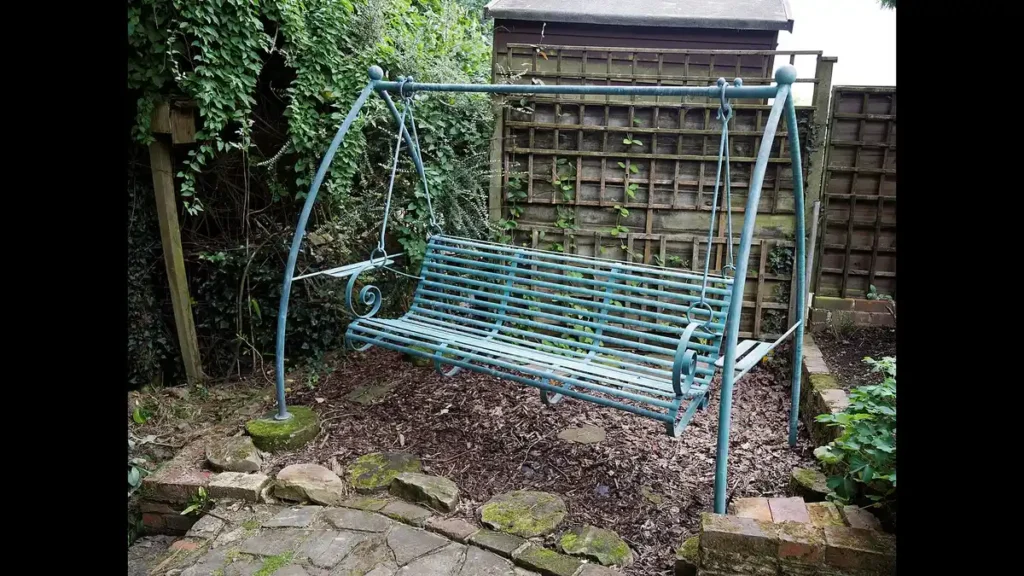
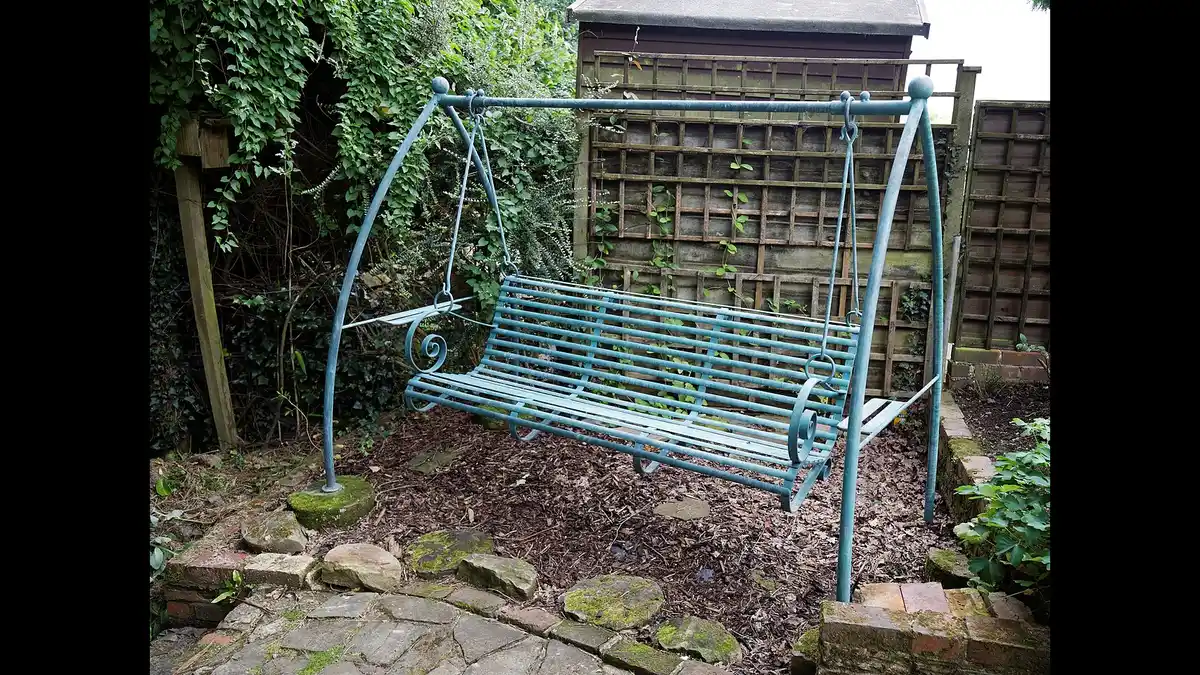
The frame is the heart of the matter. A freestanding garden swing has nothing to hang from, so the A-frame itself has to carry the whole moving load, and it has to carry it on soil, lawn, gravel or paving that was never designed to hold it. Two adults on a swing bench can weigh well over 250 kilograms, and that weight does not sit still. It swings, and swinging multiplies the force on the joints and the anchors with every push. A frame rated for a static load is not enough, and a bolt driven into a joint that is too small, too rusty or too loosely fitted is a failure waiting for a busy Saturday afternoon. A good installer checks the frame geometry, the joint ratings and the ground before ordering a single bracket.
Anchoring is the second thing that makes garden swing work its own trade. The anchors decide whether the swing stays upright in a storm, and they are also the part of the job the homeowner never sees, which makes them the easiest thing to skimp on and the most expensive thing to get wrong. A ground screw set in soft, wet soil pulls out under a swinging load. A concrete footing poured too shallow cracks in the first frost. A frame bolted to paving slabs that are not bedded properly rocks on its base and works its bolts loose within a season. The installer has to read the soil, the slope and the drainage, choose the right anchor for each one, and prove the choice with a photo record.
How to choose AI tools for a garden swing installation startup
Choosing tools for a garden swing installation startup is different from choosing tools for an office business, because the tools have to survive the garden as well as the desk. A measurement app that only works on a desktop is useless to a founder standing on a lawn with muddy boots. A quoting tool that cannot price a ground anchor, a canopy and a re-tensioning visit separately will quietly cost money on every job. Before paying for anything, check four things. First, does it work on a phone, outdoors, with dirty hands? Second, does it let you change hardware prices and labour rates without calling support? Third, does it produce a document a hotel manager or holiday-let owner will actually accept? And fourth, does it talk to the other tools you use, so a survey becomes a quote, a quote becomes a booking, and a booking becomes an invoice without retyping anything?
The 9 best AI tools for garden swing installation startups in detail
1. VizTerra: best for 3D garden design and swing placement
VizTerra is 3D landscape design software, and for a garden swing startup it answers the question the homeowner asks first: where will it go, and what will it look like in my garden? The tool builds a three-dimensional model of the garden from measurements and photos, then places the swing, the frame and the canopy into that model, so the customer can see the finished job before anyone digs a hole. When a homeowner sends photos of their lawn, the crew can model the slope, the trees, the fences and the sunny and shaded corners, and show two or three placements side by side so the customer can choose with confidence instead of guessing.
The strength of VizTerra for a swing installer is that it turns a vague conversation into a decision. Homeowners worry about a swing blocking a path, shading a flower bed or facing the wrong way, and those worries are what delay a booking. A 3D view that shows the swing sitting on the lawn, with the canopy up and the bench facing the evening sun, settles the placement in one call. It also helps the crew, because the model shows the ground levels, the access route for the van and the space needed to assemble the frame, so the first visit is a working visit rather than another survey.
2. Polycam: best for phone 3D scans and garden measurements
Polycam turns a phone into a 3D scanner, and for a garden swing startup it answers the question that decides the quote: how big is this garden, really, and how much does the ground slope? The founder walks around the garden recording a short video, and Polycam builds a measured 3D model from it, with distances, levels and the footprint of the swing marked on it. When a homeowner sends a video of their garden, the crew can measure the space for the frame, check the slope across the footprint and work out whether the ground needs levelling, all before the site visit.
The strength of Polycam is that it replaces the tape measure and the guesswork with a model the whole crew can look at. A garden that looks flat in a photograph can slope fifteen centimetres across a three-metre frame, and that slope decides whether the job needs ground screws, a levelling pad or a concrete footing. Polycam shows the slope in the model, so the quote covers the right anchor on the first call instead of discovering the problem on the day. It also records the garden as it was, which protects the business if a customer later claims the crew damaged a lawn or a bed.
3. SkyCiv: best for A-frame load and anchor calculations
SkyCiv is structural engineering software, and for a garden swing startup it answers the one question that matters before any hardware is ordered: will this frame and these anchors hold a moving load? The tool lets the installer model the A-frame, enter the weight of the bench and the people on it, and work out the forces on every joint and anchor, including the extra force that swinging adds. When a job uses a heavy timber frame, a wide three-seat bench or a canopy that catches the wind, the crew can run the numbers, choose the anchor rating and attach the calculation to the quote so the customer can see the reasoning behind the price.
The strength of SkyCiv for a swing installer is that it turns judgement into a number. A frame that looks solid can have a weak joint exactly where the chains pull, and a ground anchor that feels firm can be rated for far less than a swinging load. SkyCiv lets the crew record what they assumed, what they calculated and why they chose the hardware they did, with the figures attached to each job. That record stops the crew installing a swing on anchors they should have refused, and it protects the business if a frame fails later, because the installer can show the calculation, the measurements and the decision trail.
4. Simpson Strong-Tie Connector Selector: best for brackets, bolts and connectors
The Simpson Strong-Tie Connector Selector is a free web tool for choosing rated brackets, bolts and connectors, and for a garden swing startup it answers the question that decides whether the frame stays together: which connector, for which joint, at which load? The installer enters the timber size, the joint type and the load, and the tool returns the rated connectors that fit, with the screws or bolts each one needs. When a job uses a timber A-frame, the crew can match a rated bracket to every joint, from the apex where the chains hang to the feet where the frame meets the ground, instead of guessing from a shelf of unrated hardware.
The strength of the Connector Selector is that it stops the most common mistake in garden swing work, which is using a bracket that looks strong but is rated for a different job. A joist hanger is not a swing bracket, and a decorative corner brace is not a structural connector, but both end up on garden swings when the installer buys by appearance. The Selector forces the choice to be made by load and timber size, and it produces a shopping list the crew can hand to a supplier, so the right brackets arrive on the first trip. It also gives the installer a document to show the customer, which is worth more than any sales talk when the question is whether the swing is safe.
5. Buildxact: best for quoting and estimating
Buildxact is estimating and job management software for small builders, and for a garden swing startup it answers the question that decides whether the business makes money: what does this job really cost, down to the last bolt? The tool builds a quote from a price list the founder controls, so every frame, canopy, ground anchor, bolt, hour of labour and return visit has a price, and nothing is forgotten. When a homeowner asks for a price on the phone, the crew can build the quote in minutes, send it as a polished document, and let the customer approve it on their phone.
The strength of Buildxact is that it prices the small things that sink small jobs. A garden swing quote that forgets the ground anchors, the canopy clips, the concrete for the footings or the return visit to re-tension the hang loses money on a job that looked profitable on paper. Buildxact keeps those items on a checklist the founder builds once, so every quote includes them, and it updates the prices when a supplier puts them up. It also tracks the job from quote to invoice, so the founder can see which jobs made money and which ones did not, and fix the pricing before the next season.
6. ServiceTitan: best for scheduling and dispatch
ServiceTitan is field service software for scheduling, dispatch and customer management, and for a garden swing startup it answers the question that decides whether the diary works: who is where, when, and with what hardware? The tool holds the bookings, the crew, the vans and the job notes in one place, so the founder can see the week at a glance, send a crew to a job with the right frame and anchors on board, and move a booking when the weather turns. When a customer calls to change a date, the crew can rebook in seconds and the confirmation goes out automatically.
The strength of ServiceTitan is that it joins the front of the business to the back of it. A booking becomes a job card, the job card becomes a checklist, and the checklist becomes an invoice, without anyone retyping an address, a price or a hardware list. It also sends reminders to the customer, so the crew is not standing on a doorstep while the homeowner is out, and it records the job history, so a returning customer gets a crew that already knows their garden. For a startup that runs two crews and a dozen jobs a week, that joining-up is the difference between a business and a scramble.
7. Raken: best for photo documentation and daily reports
Raken is a daily reporting and photo documentation app for construction crews, and for a garden swing startup it answers the question that protects the business after the job is done: can you prove what you installed, and how? The crew photographs each anchor, bolt and canopy fitting as it goes, and Raken attaches the photos to the job, with the date, the time and the name of the person who took them. When a customer asks a year later whether the anchors were really set properly, the founder can open the job and show the photos instead of arguing from memory.
The strength of Raken is that it makes the safety record a by-product of the work instead of a chore. A crew that has to fill in a paper form at the end of the day will skip it, but a crew that photographs each step on a phone will build the record without thinking about it. Raken also builds a daily report from those photos, so the founder can see what each crew did, where the day went and what is left for the next visit, without phoning the site. That record is what protects the business if an anchor fails, a canopy tears or a customer claims the work was never done.
8. QuickBooks Online: best for bookkeeping and invoicing
QuickBooks Online is cloud bookkeeping software, and for a garden swing startup it answers the question that decides whether the founder knows how the business is doing: where did the money go, and what is owed? The tool tracks invoices, expenses, hardware costs and tax in one place, so the founder can see the profit on each job, chase an unpaid invoice and file the tax return without a shoebox of receipts. When a supplier invoice arrives, the crew can photograph it on a phone and QuickBooks files it against the right job.
The strength of QuickBooks Online for a swing installer is that it is built for small businesses that buy materials and sell labour, which is exactly what this trade is. The hardware for a garden swing, the anchors, the canopy and the bolts, is a real cost that has to be tracked against each job, and QuickBooks does that without a spreadsheet. It also sends invoices the customer can pay online, which means the founder is not waiting for a cheque in the post, and it reminds the customer when an invoice is overdue, which means the founder does not have to make an awkward phone call.
9. Podium: best for reviews and customer messaging
Podium is a reviews and messaging platform for local businesses, and for a garden swing startup it answers the question that decides whether the phone keeps ringing: what do your customers say about you, and where can the next customer read it? The tool sends a review request by text as soon as the crew leaves, so the customer writes while the finished swing is still fresh in their mind, and it gathers those reviews on the places new customers look first. When a homeowner searches for a garden swing installer, a business with forty recent five-star reviews wins the call over a business with none.
The strength of Podium for a swing installer is timing. A review asked for three weeks after the job is a review that never gets written, but a review asked for on the day, while the customer is still sitting on their new swing, is a review that gets written in minutes. Podium also brings customer messages into one inbox, so a question about a canopy, a quote or a return visit is answered from the same place, and nothing is lost in a personal phone. For a startup that lives on word of mouth, that stream of fresh reviews is worth more than any advert.
A starter stack for the first twenty garden swing installs
Once the diary is full, add the tools that protect the work rather than the tools that impress a customer. Add Polycam next, because measuring the garden properly stops the wasted visits and the wrong anchors. Add the Simpson Strong-Tie Connector Selector at the same time, because it is free and it stops the hardware mistakes that cost callbacks. Add Raken when the first commercial customer asks for a photo record, because that record is what wins the next commercial job. Add SkyCiv when the frames get heavier or the gardens get windier, because that is when the load calculation stops being a luxury. Add ServiceTitan when one van becomes two, because that is when the diary stops fitting in a notebook. Add Podium last, when there are enough happy customers to ask for reviews, because a review tool without customers is an empty inbox. Like the crews in our guide to tree swing installation startups, a garden swing crew should add tools only when the diary demands them, not when a sales call suggests them.
Pre-install checklist for every garden swing job
- Walk the garden and check the slope, the soil and the drainage across the full footprint of the frame, and photograph the ground before any work starts.
- Confirm the frame load and the anchor rating against the bench size, the canopy and the wind exposure, and record the calculation with the job.
- Check every bracket, bolt and canopy fitting against the rated list before leaving the yard, and count the hardware twice.
- Level the frame and test the swing with a firm pull before the customer sits on it, and re-tension the hang after the first week of use.
- Photograph every anchor, joint and canopy fitting with the date visible, and get the customer to sign the handover on the day.
- Send the review request on the day of the install, and book the re-tension visit before leaving the garden, as the teams in our guide to hammock installation startups do for every hang.
Frequently asked questions
How much does a garden swing installation startup cost to start?
A lean start costs a few thousand pounds: a van, a drill and hand tools, a first stock of brackets, bolts and ground anchors, insurance, and the three starter tools in this guide. The biggest cost is not the tools but the first month of advertising and the time spent quoting jobs that do not close. Keep the stock small, buy hardware per job until the diary is steady, and price every quote so it covers the anchors, the canopy and a return visit, because those are the costs a new founder most often forgets.
Do I need permission to install a freestanding garden swing?
In most cases a freestanding swing in a private garden needs no planning permission, because it is a movable garden structure rather than a building. The exceptions are listed buildings, conservation areas and gardens with restrictive covenants, where even a large structure can need consent. Check the property deeds and the local planning rules before quoting a job in a listed property, and put the answer in the quote so the customer knows where they stand.
What is the safest way to anchor a freestanding garden swing?
The safest anchor depends on the ground. On firm, level soil, ground screws driven to the full depth hold well and can be removed without damage. On soft or wet soil, concrete footings poured below the frost line are safer, because they spread the load and resist pull-out. On paving, the frame should be bolted through the slabs into a bedded base, never into loose slabs. Whatever the anchor, test it with a firm pull before the customer sits on the swing, and photograph the anchor with the date for the job record.
How do I price a garden swing installation job?
Price the job in parts so nothing is forgotten: the swing and frame, the anchors and footings, the canopy and its fittings, the labour for assembly and levelling, the travel, and a return visit to re-tension the hang after a week. Quote a fixed price for the whole job rather than an hourly rate, because the customer wants certainty and the founder wants to be paid for the result, not the clock. Use a quoting tool that holds a price list, so a supplier price rise does not quietly eat the margin.
Should a garden swing startup offer canopies as well as frames?
Yes, because the canopy is where the margin and the callbacks both live. A canopy fitted badly tears in the first storm and brings the crew back for free, while a canopy fitted well is the part of the job the customer photographs and shows their neighbours. Offer the canopy as part of the package, fit it last, tension it evenly, and show the customer how to take it down before a storm. A startup that fits canopies properly earns the review that wins the next job.
How do I handle a garden with no level ground for a swing?
First measure the slope properly, because a garden that looks flat can fall fifteen centimetres across a three-metre frame. If the slope is small, level the frame with adjustable feet or a shallow pad. If the slope is large, build a level base with compacted hardcore and paving, or set concrete footings at different depths so the frame sits level. Never shim a frame with loose blocks or pack it with soil, because the first rain will wash the packing out and the frame will rock. Price the levelling as part of the quote, not as a surprise on the day.
The bottom line
A garden swing installation startup succeeds on the same things every small outdoor trade succeeds on: a survey that finds the problems before the quote, hardware that is rated for the load it will actually carry, and a record that proves the work was done properly. The nine tools in this guide cover that whole job, from the first 3D design to the review that wins the next customer, but no tool replaces the habit of measuring the ground, checking the frame and photographing the anchors. Start with three tools, add the rest only when the diary demands them, and let the quality of the finished swing do the selling.

Keep what speaks to you.
Leave room for your own perspective.