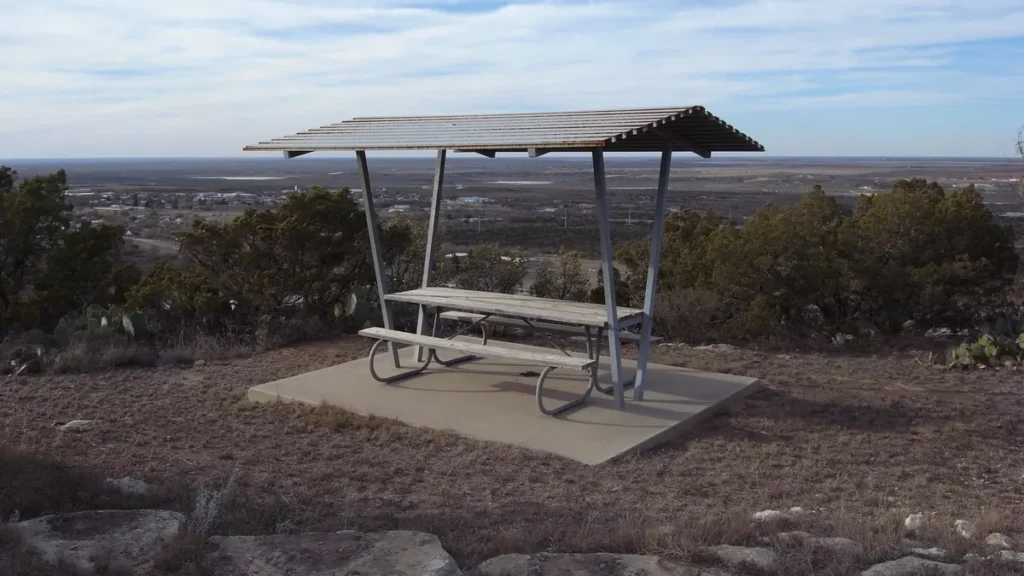
A picnic table looks like the simplest thing a crew can install. It is a flat top, two benches and a frame, and most customers think it should take an afternoon. Then the crew arrives and finds the ground slopes towards the patio, the soil is soft after rain, the customer wants a concrete table that weighs half a tonne, or the timber table they ordered needs sealing before the first barbecue. A picnic table installation startup lives in that gap between how simple the job looks and how many small decisions it actually contains, and the tools that close the gap are the ones that pay for themselves first.
The best AI tools for picnic table installation startups in 2026 help a small crew quote honestly, measure a real site, pick the right table for the ground it will sit on, and finish the job without a return visit. They do not replace carpentry skill or a level. They take the measuring, the drawing, the quoting, the scheduling and the follow-up off the founder’s shoulders, so the crew can spend its time building tables instead of chasing paperwork. A two-person team with the right stack can run five or six installs a week and still answer the phone, send the quote the same evening and keep every customer informed.
This guide compares nine tools that fit a picnic table installation startup, from the table systems themselves to the design, measuring, quoting and job-management software around them. Every tool was judged on the same questions a founder actually asks: does it save time on a real table job, does it work from a phone in a park or a garden, does it pay for itself within the first few jobs, and can a small crew learn it without a training course. The result is a practical stack, not a wish list, built for a business that earns its money outdoors, one table at a time.
Key takeaways
- Picnic table installs are ground and finish jobs first: the pad, the anchoring and the seal decide whether a table stays level and looks good in two years, so measuring and quoting tools have to work together.
- POLYWOOD and Trex are the strongest starting pair for a new startup: POLYWOOD for recycled plastic lumber that needs almost no upkeep, and Trex for composite tables that suit parks, schools and busy family gardens.
- Timber tables win the warm, natural look customers ask for, but they need honest talk about sealing, movement and maintenance, and the quote has to include that work or the crew pays for it later.
- SketchUp and magicplan are the best design and measuring pair for selling the table before it is built, with 3D layouts a customer can understand and measurements taken from ordinary site photos.
- Start with three tools, not nine: one table system, one design and measuring tool, and one quoting and job tool, then add the rest only when a real job shows you need them.

The nine tools at a glance
| Tool | Best for | What it does on a table job | Starting cost |
|---|---|---|---|
| POLYWOOD 72-Inch Picnic Table | Low-maintenance park and garden tables | Recycled plastic lumber that resists rot, splinters and fading | Premium |
| Trex Cape Cod Picnic Table | Composite tables for busy sites | Composite boards with a clean finish and a matching bench set | Premium |
| Sunnydaze Meranti Wood Picnic Table | Warm timber tables for gardens | Meranti hardwood top and benches with an umbrella hole | Mid-range |
| Best Choice Products Wooden Picnic Table | Tight budgets and first installs | Budget pine table with benches and an umbrella hole | Budget |
| KidKraft Outdoor Picnic Table | Family gardens and smaller tables | Compact cedar table sized for children and small spaces | Budget |
| SketchUp | 3D table and site design | Models the table, pad and access on the real site | Free trial, then subscription |
| magicplan | AI measuring from photos | Turns site photos into a measured plan and estimate | Free plan, then subscription |
| Housecall Pro | Quoting, scheduling and invoicing | Runs bookings, quotes, dispatch and payments in one place | Free trial, then from about $49 a month |
| Houzz Pro | Leads, proposals and client follow-up | Turns enquiries into professional proposals and booked jobs | Free trial, then subscription |
Costs are approximate starting prices for small teams in 2026 and vary by region, plan and number of users. Always confirm the current price and what is included before you buy, and prefer monthly billing until the tool has proved itself on real jobs.
What makes a picnic table installation startup different
A picnic table installation startup is not a general building firm, and it is not a garden furniture shop either. It sits in a narrow space where carpentry, groundwork, finishing and customer service all meet in one small patch of ground. The customer is usually a homeowner who wants a table for family meals, a school that needs seating that survives hundreds of children, or a park manager who needs a table that will still be level and safe after five winters. They expect the installer to handle everything they have not thought about: the slope, the drainage, the anchoring, the finish and the mess.
The ground decides everything on a table job. A lawn that looks flat to the eye can fall by fifty millimetres across the length of a table, and that gap will show up as a bench that rocks, a top that will not sit square, or a table that slowly sinks on one side after the first wet winter. A concrete table needs a pad that is level, compacted and drained, because once a half-tonne table is set down, nobody is moving it to fix the base. A timber table on soft ground needs feet or anchors that spread the load, or the legs will settle unevenly and the joints will open up. Measuring the ground properly, and quoting for the groundwork it actually needs, is the difference between a one-visit install and a job that eats a whole week.
Anchoring is the second difference, and it is the one customers notice least until it fails. A freestanding table in an open park catches wind, and a table beside a playground takes knocks from children climbing on it every day. Surface anchors, ground screws and buried footings each suit a different site, and the wrong choice means a table that walks across a patio in a storm or tips when someone sits on one bench. The installer who can explain the anchoring in plain language, and show it in the quote, is the installer the customer trusts. The best AI tools for pavilion installation startups cover larger roofed structures well, but a picnic table founder needs the lighter measuring and quoting tools in this guide, because the jobs are smaller, faster and far more numerous.
How to choose AI tools for a picnic table installation startup
Start with the job, not the software. A startup that installs three timber tables a week for homeowners needs a different stack from one that installs twenty composite tables a month for schools and parks. The homeowner jobs are won on a friendly quote, a clear drawing and a tidy finish. The school and park jobs are won on durability, safety paperwork and a price that holds up when a committee reads it. Pick tools that fit the customers you actually have, not the customers you hope to have in two years.
Test every tool on a real job before you pay for it. A free trial that only shows a demo is not a test. Run one genuine install through it: measure the site, draw the table, send the quote, book the crew and invoice the customer. If the tool slows any of those steps down, or if the crew reaches for a notebook instead, it is not the right tool yet, however good it looks in a sales video. The best tools in this guide all offer a free plan or a trial, which means a new startup can test the real workflow on a real job before paying anything.
Keep the stack small and connected. Three tools that share the same customer, quote and job record beat nine tools that each hold a different piece of the job. A design tool that cannot hand its measurements to the quoting tool creates double entry, and double entry creates mistakes. A quoting tool that cannot hand the job to the scheduling tool means the crew turns up without the right table. Choose tools that export, share or integrate cleanly, and add a new one only when a real job shows a gap. The best AI tools for outdoor bar installation startups show the same lesson at a larger scale, because bar installs also join design, plumbing and quoting into one job, and the crews that win are the ones whose tools talk to each other.
The 9 best AI tools for picnic table installation startups in detail
Each tool below is judged on what it does for a picnic table install specifically: measuring a real site, showing the customer what the table will look like, pricing the groundwork and the finish honestly, and keeping a fast-moving week of small jobs on schedule. Pick three or four to start, learn them properly, and add the rest only when the jobs demand it.
1. POLYWOOD 72-Inch Picnic Table: best for low-maintenance park and garden tables
POLYWOOD tables are made from recycled plastic lumber, which is the single most useful material choice a picnic table startup can offer a customer who does not want maintenance. The boards do not rot, splinter, crack or fade the way timber does, and they do not need sealing, oiling or painting. A crew can install a POLYWOOD table on a level pad, anchor it, clean up and leave, knowing the table will look the same in three years with nothing more than a wash. For parks, schools and holiday lets, that is the whole sales argument in one sentence.
The 72-inch size seats six adults comfortably, with benches attached to the frame so the set stays together and cannot drift apart on a busy site. The weight of the material is an advantage on open ground, because a heavy table is harder to move by wind or by misuse, and the frame is designed so the benches carry weight evenly without the wobble that cheap flat-pack tables develop. The colour range matters too: a customer who wants a table that matches a house, a school or a park scheme can pick it from a chart instead of accepting whatever timber was in stock.
2. Trex Cape Cod Picnic Table: best for composite tables for busy sites
Trex is best known for decking, and the Cape Cod picnic table brings the same composite thinking to a table: boards that resist moisture, insects and fading, with a clean, even finish that suits modern gardens, cafés and school courtyards. A Trex table is the right recommendation when the customer wants a table that looks smart on day one and still looks smart after a wet winter, without a maintenance schedule pinned to the fridge. For a startup, it is also a useful upsell from a decking job, because the customer already trusts the material.
The Cape Cod design is a classic A-frame with attached benches, which keeps the footprint simple and the install fast. The crew levels the pad, assembles the frame on site or delivers it assembled, anchors it and checks every joint. Composite boards are consistent in size and straight, so assembly is quicker than with natural timber, where every board needs checking for bow and twist. That consistency saves real time across a week of installs, and it means the finished table looks the same from every angle, which is exactly what a café or school committee wants to see.
3. Sunnydaze Meranti Wood Picnic Table: best for warm timber tables for gardens
Sunnydaze meranti tables are the warm, natural option that most garden customers picture when they say picnic table. Meranti is a hardwood with a rich colour and a smooth grain, and it suits traditional gardens, cottages and family homes far better than plastic or composite. A crew that can offer a proper timber table, installed level and sealed, wins the customers who care about how the garden feels, not just how long the table lasts without work.
The table comes with an umbrella hole, which is a small detail that matters a lot in practice: it means the customer can shade the table on a hot day without buying a separate base, and it gives the installer a natural talking point about placement, sun and wind. The benches are attached, the frame is straightforward to assemble, and the whole set can be carried in pieces through a side gate that a fully assembled table would never fit through. That matters on real garden jobs, where access is often the hardest part of the day.
4. Best Choice Products Wooden Picnic Table: best for tight budgets and first installs
Best Choice Products makes the budget pine table that lets a new startup take on its first jobs without asking the customer for a premium price. It is a straightforward wooden table with attached benches and an umbrella hole, and it does the job it promises: a place for a family to eat outside. For a founder building a reputation, a well-installed budget table that is level, anchored and sealed is worth far more than a premium table installed badly.
The advantage is speed and simplicity. The kit is light enough for a small crew, the parts are familiar, and assembly follows a pattern the crew will learn on the first job and repeat on the tenth. That makes it ideal for volume work: garden tables for families, tables for rental properties, and replacement tables where the old one has rotted away. The installer can quote a clear, low price, finish in an afternoon, and leave a customer who will recommend the crew to a neighbour.
5. KidKraft Outdoor Picnic Table: best for family gardens and smaller tables
KidKraft tables are smaller, cedar-built tables that suit family gardens, nurseries and play areas, where a full-size table would dominate the space and a child could not climb onto the bench safely. Cedar is naturally resistant to rot and insects, it smells pleasant, and it weathers to a soft grey if the customer prefers not to seal it. For a startup, the KidKraft table opens a customer group that the big park tables never reach: young families who want a table their children can actually use.
The smaller size changes the install in useful ways. The table fits through standard gates, it can be carried by one person with a second to steady it, and it needs only a small level patch of ground rather than a full concrete pad. That means the crew can often install it in under an hour, which makes it a good add-on job: a table fitted while the crew is already on site for a larger garden job, or a quick Saturday install between bigger bookings. The margin on a small table is smaller, but the volume and the referrals are real.

6. SketchUp: best for 3D table and site design
SketchUp is the design tool that turns a tape measure and a rough idea into a drawing a customer can understand in minutes. The installer models the garden or park, drops in the table, marks the pad, the access route and the shade, and then shows the customer a 3D view of the finished job. That matters for picnic tables more than for most builds, because the difference between a table that works and a table that frustrates is measured in centimetres: the gap between the bench and a fence, the reach from the table to the barbecue, the space a wheelchair needs beside the bench.
The workflow fits a small business well. A startup can sketch the layout during the first site visit, send the homeowner a 3D view the same evening, and revise it live on a call instead of redrawing a plan from scratch. SketchUp also produces plans with measurements, which gives the installer a document to work from and the customer a record of what was agreed. The free web version is enough to start, and the paid version adds the layout and presentation tools that help when the customer is a school or a park committee rather than a single homeowner.
7. magicplan: best for AI measuring from photos
magicplan turns ordinary site photos into a measured plan, which cuts the most common source of picnic table estimating errors: a pad or a table measured wrong. The installer walks the site with a phone, photographs the ground, the access and the obstacles, and the app builds a plan with dimensions the quoting tool can use. For a startup that measures five sites a week, that speed adds up to a whole extra install day every month.
The tool earns its keep on awkward sites. A garden with a slope, a narrow side gate, a tree root across the pad or a patio that is not quite square is exactly where a tape measure alone goes wrong, and a photo-based plan shows the problem before the crew arrives with a table that will not fit. The plan can be shared with the customer, so the quote is based on a drawing they have seen, not on a number they have to take on trust. That transparency reduces arguments about price, because the customer can see the slope, the access and the groundwork in the plan.
8. Housecall Pro: best for quoting, scheduling and invoicing
Housecall Pro is the job-management tool that holds a picnic table startup together once the bookings start coming in faster than a notebook can handle. It takes an enquiry, turns it into a quote, books the crew, sends the reminder, and invoices the customer, all from one record. For a business that runs five or six small installs a week, that single record is the difference between a tidy week and a week where a quote is forgotten, a crew turns up at the wrong house, or an invoice goes out a month late.
The quoting side is where it earns its money. A crew can build a quote from the measured plan, add the table, the pad, the anchoring and the sealing as separate lines, and send it the same evening the site was measured. The customer can approve it from their phone, pay a deposit, and book the date without a phone call. That speed wins jobs, because a customer who asked three installers for a price will usually hire the one who replied first with a clear, professional quote.
9. Houzz Pro: best for leads, proposals and client follow-up
Houzz Pro is the sales tool for a picnic table startup that wants a steady flow of enquiries rather than a feast-and-famine diary. It puts the business in front of homeowners who are already planning garden work, turns their enquiries into professional proposals, and follows up automatically when a customer goes quiet. For a founder who is good at building tables but less comfortable chasing leads, that follow-up is worth more than any single feature.
The proposal side is the strongest part. A proposal built in Houzz Pro carries the photos, the 3D view, the table options and the price in one document the customer can read on a phone and approve with a tap. That matters when the customer is comparing three installers, because the proposal that looks professional and answers the questions about groundwork, anchoring and finish is the one that gets signed. The tool also keeps the whole conversation in one place, so nothing is lost in a text message thread or a voicemail.
A starter stack and a realistic first-year workflow
A new picnic table startup does not need nine tools on day one. It needs three that work together: one table system, one design and measuring tool, and one quoting and job tool. A sensible starter stack is a POLYWOOD or Trex table for the customers who want low maintenance, SketchUp for the design and the customer conversation, and Housecall Pro for the quote, the booking and the invoice. That stack covers the whole journey from the first site photo to the final payment, and it can be learned in a week.
The weekly workflow is simple enough to repeat. Measure the site with magicplan or a tape and a level, draw the table in SketchUp and send the view the same evening, quote through Housecall Pro with the table, the pad, the anchoring and the sealing as separate lines, and book the crew once the deposit lands. On install day, level the pad, anchor the table, seal the timber if it is a timber table, photograph the finished job and invoice before leaving the site. The photograph matters: it is the record of the work, the marketing for the next job and the proof if a customer ever questions the finish. The best AI tools for potting bench installation startups follow the same pattern at garden scale, because a bench and a table are both small timber jobs where the ground, the finish and the quote decide whether the week makes money.
Add tools only when a real job shows a gap. If enquiries are coming in but proposals are not converting, add Houzz Pro. If sites are being measured wrong, add magicplan properly instead of using it occasionally. If customers keep asking for budget timber tables, add the Best Choice Products or Sunnydaze range and learn the sealing routine. A stack that grows with the jobs is a stack the crew actually uses, and a stack the crew uses is the one that makes the business money.
Picnic table installation checklist
- Measure the site properly: check the slope, the access, the drainage and the space around the table before you quote, not after you arrive with it.
- Agree the table, the material and the finish in writing, including who seals the timber and how often it needs re-sealing.
- Prepare the ground first: level, compact and drain the pad, and choose the anchoring that suits the soil, the wind and the way the table will be used.
- Check every joint, bench and fixing before you leave, and sit on each bench to test it the way a customer will.
- Photograph the finished table from two angles, send the photos to the customer the same day, and keep a copy with the job record.
- Invoice before you leave the site, and note the follow-up date for the first seal or the first check, so the customer hears from you again.
Frequently asked questions
How long does a picnic table installation take?
Most garden tables take half a day, including measuring, levelling the pad and anchoring. A concrete table on a new pad takes longer, because the pad needs time to set before the table is placed. A good crew will give a time in the quote and stick to it, because the groundwork is the part that varies, not the table itself.
Do picnic tables need a concrete pad?
Not always, but most tables last longer on one. A level concrete pad stops the legs sinking, keeps the table level and makes cleaning easy. Timber tables on grass need feet or anchors that spread the load, and the crew should check them after the first wet winter. A park or school table should always sit on a pad.
What is the best material for a picnic table?
It depends on who will use it. Recycled plastic lumber and composite need almost no maintenance and suit parks, schools and busy families. Timber looks warmer and suits traditional gardens, but it needs sealing and re-oiling. There is no single best material, only the best material for the site and the customer.
How do you anchor a picnic table?
Surface anchors suit concrete pads, ground screws suit firm soil, and buried footings suit soft ground and exposed sites. The right choice depends on the soil, the wind and how the table will be used. A good installer will explain the anchoring in the quote, because it is the part that keeps the table safe.
How much does picnic table installation cost?
It varies with the table, the ground and the finish, so a fixed price without a site visit is rarely honest. A budget timber table on level ground costs far less than a concrete table on a new pad. Get a written quote that lists the table, the pad, the anchoring and the sealing separately, and compare like with like.
How often should a timber picnic table be sealed?
Most timber tables need sealing before the first rain and then once a year, usually in spring. A table that is sealed regularly will keep its colour and resist cracking. A table left bare will grey, and the joints will open up sooner. The installer should include the first seal in the price and tell the customer the routine at handover.
The bottom line
A picnic table installation startup is a ground-and-finish business, and the tools that win are the ones that measure the ground, show the customer the table, price the work honestly and keep a busy week of small jobs on track. Start with one table system, one design and measuring tool and one quoting and job tool, learn them properly, and add the rest only when a real job shows you need them. The crews that measure carefully, anchor properly and seal the timber will be the crews still busy next summer, because a table that stays level and looks good is the best advertisement a startup will ever have.

Keep what speaks to you.
Leave room for your own perspective.