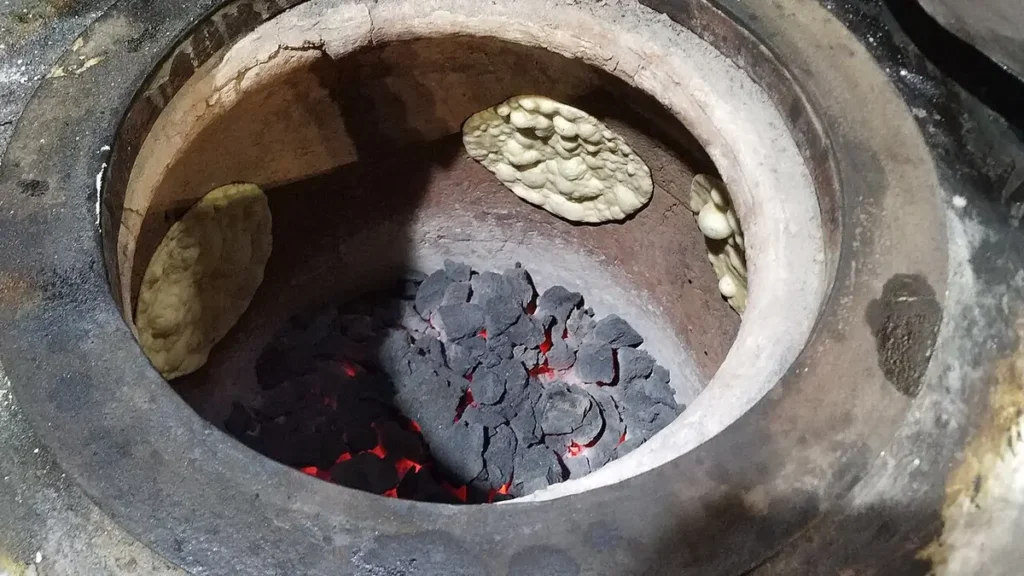
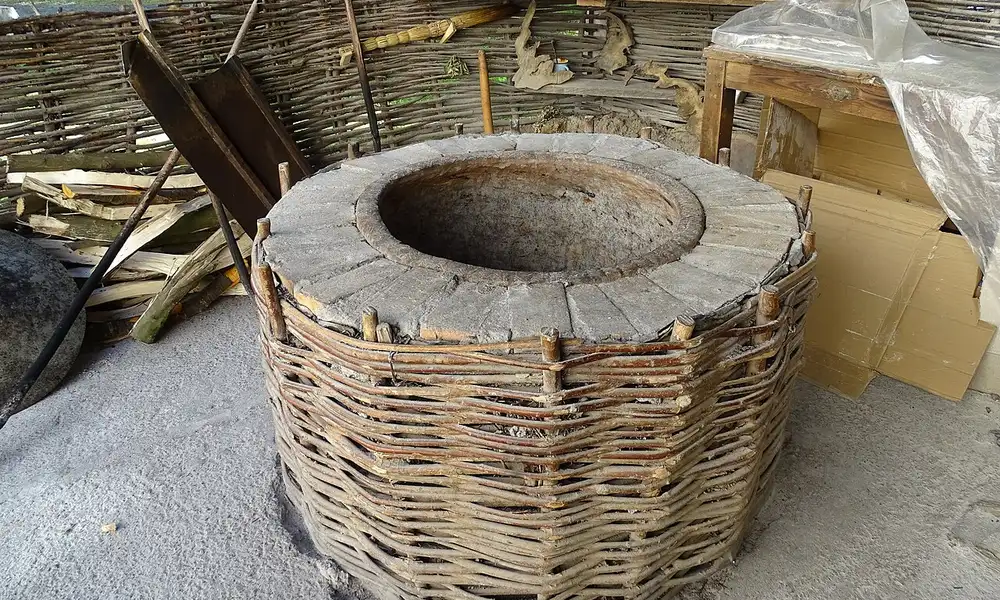
A tandoor oven is not a piece of kitchen equipment you unbox and plug in. It is a clay cylinder that has to survive temperatures close to 500 degrees, hold that heat evenly around its walls, and sit on a base strong enough to carry its weight for years without cracking. That is why installing tandoor ovens is a trade of its own, and why the startups doing it well in 2026 are leaning on software built for measurement, heat, and jobsite discipline rather than software built for taking restaurant orders.
The work sits at an awkward junction. One half of the job is building: surveying a restaurant kitchen or a garden courtyard, designing the clay body and its steel or masonry shell, working out the flue and ventilation route, and ordering refractory clay, insulation, and charcoal in the right quantities. The other half is running a small field-service business: quoting accurately, booking crews, documenting each build, and proving to the customer that the finished oven is safe, heats evenly, and cooks as promised. A missed measurement at the survey stage or a rushed curing schedule can crack a clay body that took days to build.
This guide covers nine AI tools that, taken together, cover both halves. They help a new tandoor oven installation startup measure a site from a phone, model the oven and its base in 3D, price the job from real quantities, keep the crew on schedule, check the finished oven with temperature probes before handover, and collect the review that wins the next job. None of them sells food, runs a restaurant floor, or manages a menu. Every one of them earns its place on an installation job.
Key takeaways
- Tandoor oven installation is a building trade, not a food trade: the tools that matter most handle 3D design, site measurement, curing schedules, and heat checks.
- Start with RoomSketcher for oven and base design, Canvas for fast site surveys, and Contractor Foreman for quoting and scheduling — that trio covers most first jobs.
- A temperature check with ThermoPro probes before handover is the cheapest insurance a new installer can buy against callbacks for cold spots and uneven cooking.
- Quote from measured quantities with Clear Estimates, not from gut feel: clay, insulation, charcoal, and flue parts are where new installers lose money.
- Document every build with CompanyCam so you can prove what was installed, settle disputes fast, and reuse photos in your next quote.

Comparison table: the best AI tools for tandoor oven installation startups
| Tool | Best for | Standout AI feature | Starting point |
|---|---|---|---|
| RoomSketcher | 3D oven and base design | AI-assisted floor plans and 3D views of the oven and its base | Free to start, paid plans from around $49 per year |
| Canvas by Occipital | Phone LiDAR site scans | Measured CAD-ready plans built from a phone scan | Per-scan pricing, from around $29 per scan |
| Clear Estimates | Estimating with clay and charcoal takeoffs | AI-assisted takeoffs and supplier-priced quotes | From around $59 per month |
| Contractor Foreman | Scheduling, dispatch, and invoicing | AI scheduling and automated customer reminders | From around $49 per month |
| ThermoPro TempSpike | Heat checks and curing proof | Wireless probes with temperature history and alerts | Hardware plus app, from around $99 |
| CompanyCam | Photo documentation of each build | AI-tagged site photos pinned to the job record | From around $29 per user per month |
| SafetyCulture | Curing and safety checklists | AI-built inspection forms with photo evidence | Free plan, paid plans from around $24 per user per month |
| Knowify | Job costing and materials tracking | AI-matched purchase orders against each job budget | From around $99 per month |
| Podium | Reviews and lead follow-up | AI conversations that book site visits around the clock | From around $249 per month |
Why tandoor oven installation needs its own toolkit
A tandoor fails in ways that are specific to tandoors. The clay wall has to heat evenly from the charcoal bed at the bottom to the rim at the top, so that naan sticks and blisters instead of sliding off into the coals. The heat has to stay in the clay, which means the insulation layer between the clay body and the outer shell matters as much as the clay itself. The base has to spread the load across whatever sits underneath it, from a restaurant kitchen floor to a garden slab that was never designed for a heavy clay oven. None of this is visible in a restaurant point-of-sale system or a food-delivery app.
The installation itself is also a multi-day, multi-material job: site survey and base preparation, the clay body and its insulation, the outer shell, the flue or ventilation route, and a curing schedule that slowly drives moisture out of the clay over several small fires. Rush the curing and the clay cracks. Skip the ventilation check and smoke fills the kitchen. Gas-fired tandoors add a gas line, a regulator, ventilation, and a gas-safe sign-off. Each stage depends on the one before it, and a delay in materials or a missed measurement at the survey stage ripples through the whole week.
That is the gap these nine tools fill. The design and measurement tools stop the expensive mistakes at the survey stage, when a fix costs minutes. The estimating and costing tools stop the quiet losses — underpriced jobs, double-booked crews, and materials ordered twice. And the documentation and temperature tools protect the finished job, giving the customer proof that the oven heats evenly and cooks properly. It helps to see how a tandoor differs from its closest neighbours. A pizza oven installation startup worries about dome geometry and flue draw; a tandoor installer worries about a vertical clay wall, charcoal heat, and a curing schedule that cannot be hurried.
How to choose the right AI tools for your tandoor oven installation startup
Choose by the job, not by the feature list. Start by writing down the five things you actually do on every installation: survey the site, design the oven, price the job, run the build, and hand it over. Overlap is where small startups waste money and where crews stop using the software altogether because nobody knows which app holds the truth. Pick one tool per stage, and make sure each one hands its work cleanly to the next.
Pay attention to how each tool handles the messy reality of a building site. A design tool is only useful if it can work from the measurements you can actually take in a kitchen or a garden, not from a perfect CAD file. A quoting tool is only useful if it understands materials in the quantities you buy them — bags of clay, square metres of insulation, sacks of charcoal, lengths of flue — rather than generic line items. A temperature tool is only useful if it can log heat over a whole curing fire, not just show a single reading.
Finally, check the price against the job, not against the month. A tool that costs a few hundred pounds a year but stops one underpriced job or one return visit has paid for itself many times over. The stack recommended below starts lean — three tools cover the first jobs — and adds the specialist tools only when the volume of work justifies them. That way the software grows with the order book instead of eating it. The same discipline applies to the wider outdoor cooking trade: a built-in grill installation startup lives or dies on cutout precision, while a tandoor startup lives or dies on clay, heat, and curing.
The 9 best AI tools for tandoor oven installation startups in detail
Each tool below is reviewed on its own terms: what it does well for a tandoor installer, where it falls short, and which kind of startup should buy it first. The order follows the journey of a job, from the first measurement and design to the final heat check and the review that wins the next customer.
1. RoomSketcher: best for 3D oven and base design
RoomSketcher is the fastest way for a new tandoor startup to show a customer what their oven will look like before a single bag of clay is ordered. You build the kitchen or courtyard, the oven body, and the base in 3D, then walk the customer through the layout on a phone or a laptop. For a tandoor job, that matters more than it sounds: the customer is choosing between a freestanding clay oven and one set into a counter, deciding where the charcoal store goes, and worrying about whether the oven will crowd the kitchen. A clear 3D view answers those questions in minutes, and a customer who can see the finished oven signs sooner and changes their mind less often.
The AI-assisted floor plan feature is the part that earns RoomSketcher its place here. You can sketch a rough room outline and let the software tidy it into a measured plan, then drop the oven, the base, and the ventilation route into place and check the clearances around the oven before anyone builds. It will not replace a structural drawing, and it should never be treated as one, but it catches the obvious errors early: an oven too wide for the alcove, a base that blocks a doorway, or a flue route that crosses a beam. The 3D views also help the crew, who can see the finished shape before they start work.
2. Canvas by Occipital: best for phone LiDAR site scans
Canvas turns an iPhone or iPad with LiDAR into a measuring tool. You walk around the kitchen or courtyard scanning the room, and the app builds a measured, CAD-ready plan of the space, including walls, openings, and floor levels. For a tandoor installer, that removes the slowest and most error-prone part of the first site visit: the tape measure, the sketch pad, and the measurements that turn out to be wrong when the oven arrives.
The AI in Canvas does the tedious work of turning a raw scan into a clean plan. It recognises walls and openings, straightens the geometry, and produces a file you can open in your design tool or send to a supplier. That matters on tandoor jobs because the oven has to fit a real, imperfect space — a kitchen corner that is not quite square, a courtyard slab that slopes slightly, a doorway the oven shell has to pass through. A scan captures those imperfections in minutes, where a hand sketch hides them until installation day.
Canvas is not a design tool and it is not a quoting tool, so it needs a partner on either side: RoomSketcher for the visual design and Clear Estimates for the price. It also needs a LiDAR-equipped Apple device, which is a real cost if your crew all use Android phones. Buy it first if your jobs keep going wrong on measurements, if you quote remotely from scans, or if you work in older restaurant kitchens where nothing is square and every centimetre counts.
3. Clear Estimates: best for estimating with clay and charcoal takeoffs
Clear Estimates is built for small contractors who price jobs from real materials, and that is exactly what a tandoor quote needs. You build a template for a standard tandoor installation — clay body, insulation, outer shell, base materials, flue parts, charcoal for the curing fires, and labour by stage — and the software prices each job from measured quantities. Change the oven size or the flue length and the price follows, instead of the quote being rewritten from scratch.
The AI-assisted takeoffs help with the parts that slow a new estimator down. You can pull quantities from a plan or a scan, apply your own rates for clay and insulation, and produce a quote that shows the customer what they are paying for, line by line. That transparency matters on tandoor jobs, where the customer often compares your quote with a cheap freestanding oven bought online. A clear, itemised quote shows why a properly installed clay oven costs more and lasts longer.
Where Clear Estimates falls short is scheduling: it prices the job well but does not run the crew diary. Pair it with Contractor Foreman for the build itself. Buy it first if your quotes are slow, if you keep underpricing the curing and flue work, or if customers keep asking you to justify a price you know is fair but cannot show your working for.
4. Contractor Foreman: best for scheduling, dispatch, and invoicing
Contractor Foreman is the job management platform that holds a tandoor installation together once the quote is accepted. It schedules the survey, the base build, the clay work, and the curing fires in the right order, dispatches the crew, tracks who is on site, and raises the invoice when the handover is signed. For a founder who is usually the salesperson, the measurer, and the installer in the same week, that single record is the difference between a business and a pile of messages.
The AI scheduling features help with the part of the job that humans get wrong most often: sequencing. A curing fire cannot start until the clay has set, and a flue cannot be fitted until the shell is in place. Contractor Foreman holds those dependencies, flags a clash before it happens, and sends the customer automatic reminders about each visit. The invoicing side is just as practical: deposits, stage payments, and the final balance are tied to the same job record, so nothing is chased from memory.
Contractor Foreman is a broad platform, so it takes a day or two to set up properly, and its smallest plan is more than a spreadsheet. That setup time pays back quickly once you have more than two jobs running at once. Buy it first if you are double-booking crews, losing track of stage payments, or spending evenings retyping job notes instead of building ovens.
5. ThermoPro TempSpike: best for heat checks and curing proof
ThermoPro TempSpike is a wireless temperature probe system that proves a tandoor does what you promised. You place the probes in the oven during a curing fire or a test cook, and the app logs the temperature over time, shows how evenly the clay wall heats, and alerts you if the heat spikes or stalls. For a tandoor installer, that log is the handover document: it shows the customer, in numbers, that the oven holds heat and cooks evenly.
The value is in the curing schedule above all. A new clay oven has to be fired gently, in stages, so moisture leaves the clay without cracking it. A probe log shows each stage clearly — the slow rise, the hold, the cool-down — and lets you prove the schedule was followed. If a customer later reports a crack, you can show the log and work out whether the curing was at fault or whether the oven was fired too hard too soon. That evidence protects the business and reassures the customer in equal measure.
TempSpike is a cooking thermometer system, not a laboratory instrument, so it will not measure the clay wall itself unless the probe is placed well, and it will not replace a visual inspection of the clay. Use it alongside your own eyes and hands, and keep the probe placement consistent from job to job so the logs can be compared. Buy it first if callbacks about uneven cooking or cracked clay are eating your margin, or if your customers want proof rather than promises at handover.
6. CompanyCam: best for photo documentation of each build
CompanyCam is a photo app built for contractors, and it solves a problem every tandoor installer knows: the photos that prove the job was done well are scattered across three phones and a messaging app. With CompanyCam, every photo is taken inside the job record, tagged to the project, and time-stamped, so the base preparation, the clay work, the insulation, and the flue are all documented in order.
The AI tagging is the feature that makes it worth paying for. Photos are automatically labelled by what they show, so you can find the flue photos from a job six months ago in seconds rather than scrolling through a camera roll. That matters when a warranty question arrives, when a supplier asks what went wrong, or when you want to show a new customer how a similar oven was built. The before-and-after views also make your quotes stronger, because a customer can see the quality of the work rather than taking your word for it.
CompanyCam does not design, price, or schedule anything, so it is a supporting tool rather than a core one. Its value grows with every job you document. Buy it first if you have ever lost a dispute for want of a photo, if your crew photos never make it back to the office, or if you want a portfolio of real builds to show the next customer.
7. SafetyCulture: best for curing and safety checklists
SafetyCulture, formerly iAuditor, turns your curing schedule and safety checks into digital forms the crew actually completes on site. You build a checklist for each stage — base inspection, clay condition, insulation depth, flue and ventilation check, gas line sign-off where relevant, and each curing fire — and the crew ticks it off with photos attached, on a phone, before moving on. Nothing is signed from memory at the end of the week.
The AI-built inspection forms help a new startup write checklists that cover the real risks instead of the obvious ones. The software suggests checks based on the type of job, flags incomplete forms, and builds a report you can hand to the customer or keep for your own records. For a tandoor business, that report is valuable: it shows the curing fires were done in stages, the ventilation was checked, and the gas work was signed off, which is exactly what an insurer or a restaurant landlord wants to see.
SafetyCulture is only as good as the checklists you put into it, so spend an afternoon writing them properly before the first job. It also adds a step to each site visit, and a crew in a hurry will resent that until they see it protect them. Buy it first if you work in commercial kitchens, if landlords and insurers ask for compliance records, or if your curing schedule is the part of the job most likely to be rushed.
8. Knowify: best for job costing and materials tracking
Knowify tracks what each tandoor job actually costs, not what the quote said it would cost. You set a budget for clay, insulation, charcoal, flue parts, and labour, then log purchase orders and crew hours against it as the job runs. The software shows, in real time, whether a job is on budget or drifting, and which material is responsible. For a startup pricing clay ovens for the first time, that feedback is how you learn to quote accurately.
The AI-matched purchase orders are the feature that earns Knowify its place. When a supplier invoice arrives, the software matches it to the job and the budget line it belongs to, instead of the invoice sitting in an inbox until the end of the month. That matters on tandoor jobs because materials arrive in stages — the base materials first, then the clay, then the flue — and a missing delivery only shows up when the crew is standing idle. Knowify flags it early, while there is still time to chase it.
Knowify is a costing tool, not a design or scheduling tool, so it needs Contractor Foreman alongside it to run the diary. Its starting price is also higher than a spreadsheet. Buy it first if your jobs keep coming in under budget on paper and over budget in reality, if materials keep arriving late, or if you want to know which oven sizes actually make money.
9. Podium: best for reviews and lead follow-up
Podium is the tool that turns a finished tandoor installation into the next one. It follows up with the customer after handover, asks for a review at the moment they are happiest with the oven, and handles the first reply when a new enquiry arrives — even at midnight. For a startup that lives on word of mouth and local search, those reviews are the marketing budget.
The AI conversations are the part that matters most. A new enquiry about a tandoor installation usually arrives as a message, not a phone call, and it often arrives outside working hours. Podium answers it, asks the right questions about the space and the oven size, and books a site visit into the diary. That speed wins jobs: the installer who replies in minutes gets the visit, while the installer who replies on Monday morning finds the customer has already booked someone else.
Tandoor oven installation checklist
- Survey the site with a LiDAR scan and confirm the oven size, base position, and doorway access before quoting.
- Model the oven, base, and flue route in 3D and get the customer to approve the layout in writing.
- Price the full job — clay, insulation, shell, base, flue, charcoal, and labour by stage — from measured quantities.
- Build the base first and let it set fully before the clay body goes on top.
- Follow the curing schedule fire by fire, logging temperatures with probes and photographing each stage.
- Hand over with a heat log, a photo record, and a written note on the first month of firing, then ask for the review.
Frequently asked questions
How long does a tandoor oven installation take?
A straightforward home garden installation usually takes three to five working days spread over two weeks, because the base has to set and the clay has to cure in stages. A restaurant kitchen installation can take longer, especially if a gas line or a flue route needs approval. The curing fires alone take several days, and rushing them is the fastest way to crack a new clay body.
Can a tandoor oven go in a garden?
Yes, and many of the best home tandoors live outdoors under a simple shelter. The base needs a level slab or footing, the oven needs protection from heavy rain while it cures, and the flue or smoke needs a clear route away from neighbours and windows. A garden installation is simpler than a kitchen one in most ways, but the base and the weather protection matter more.
What is the difference between a charcoal and a gas tandoor?
A charcoal tandoor burns lump charcoal at the bottom of the clay chamber and gives the classic smoky flavour and the very high wall temperatures that make naan blister. A gas tandoor is easier to control and cleaner to run, but it needs a gas line, a regulator, and a gas-safe sign-off, and some cooks feel the flavour is not quite the same. Most installation startups offer both and let the customer choose.
How do I know if the clay has cured properly?
A properly cured tandoor shows no new cracks after its final curing fire, holds a steady temperature across the wall, and cooks a test naan evenly without it sliding off. Temperature probe logs from each curing fire are the best evidence, along with a visual check of the clay and the insulation. If the clay is still damp or the temperature swings wildly, it needs more gentle fires before regular use.
Do I need planning permission for a tandoor oven?
Most home garden tandoors do not need planning permission, but the rules change if the oven is large, built into a structure, or in a listed building or conservation area. Restaurant installations usually need to meet kitchen ventilation and fire safety rules, and the landlord may need to approve the flue route. Check with the local authority before building, not after.
What should a tandoor oven installation cost in 2026?
A small home garden clay tandoor, installed with a proper base and curing, usually starts from a few hundred pounds for the oven and the build, while a large restaurant tandoor with a masonry shell, flue, and gas connection can run into several thousand. The clay body itself is only part of the price: the base, the insulation, the flue, and the curing labour are where the real cost sits. A detailed, itemised quote is the best protection against surprises, and the market for the finished oven is strong — the best AI tools for Indian restaurant startups show how much demand there is for tandoor cooking in commercial kitchens.
The bottom line
A tandoor oven installation startup succeeds on the same things as any good building trade: measure carefully, design clearly, price honestly, build in the right order, and prove the finished job works. The nine tools in this guide cover that whole journey, from the first phone scan of a kitchen to the temperature log handed over with the finished oven. Start lean, with RoomSketcher, Canvas, and Contractor Foreman, and add the specialist tools — the probes, the checklists, and the costing — as the order book grows.
The clay will always be the heart of the job. No software can cure it for you, and no app can tell you by itself whether a wall is ready for its first full fire. What the software can do is stop the avoidable mistakes: the wrong measurement, the underpriced quote, the rushed curing schedule, and the missing photo. Get those right, and the oven does the rest.

Keep what speaks to you.
Leave room for your own perspective.