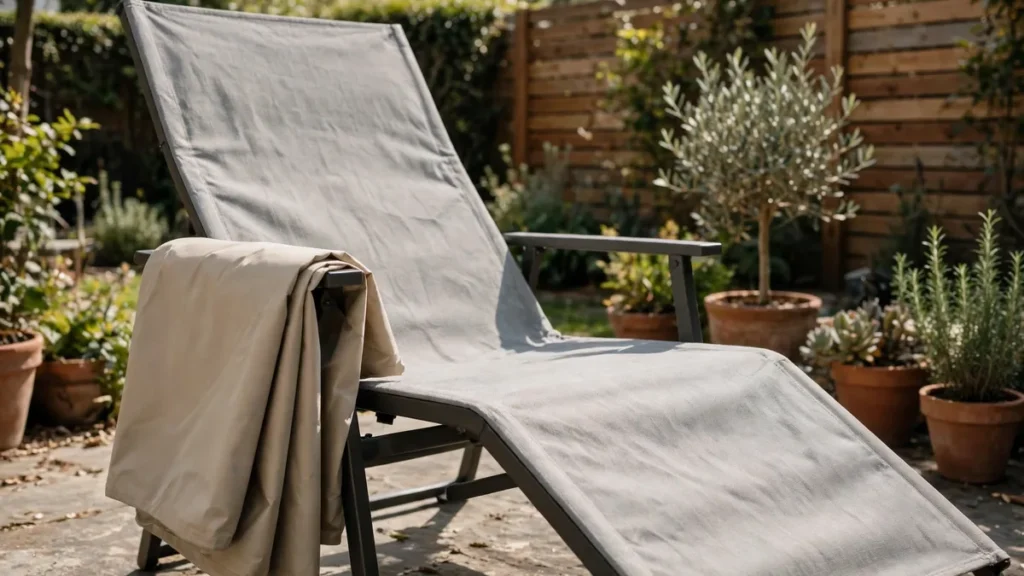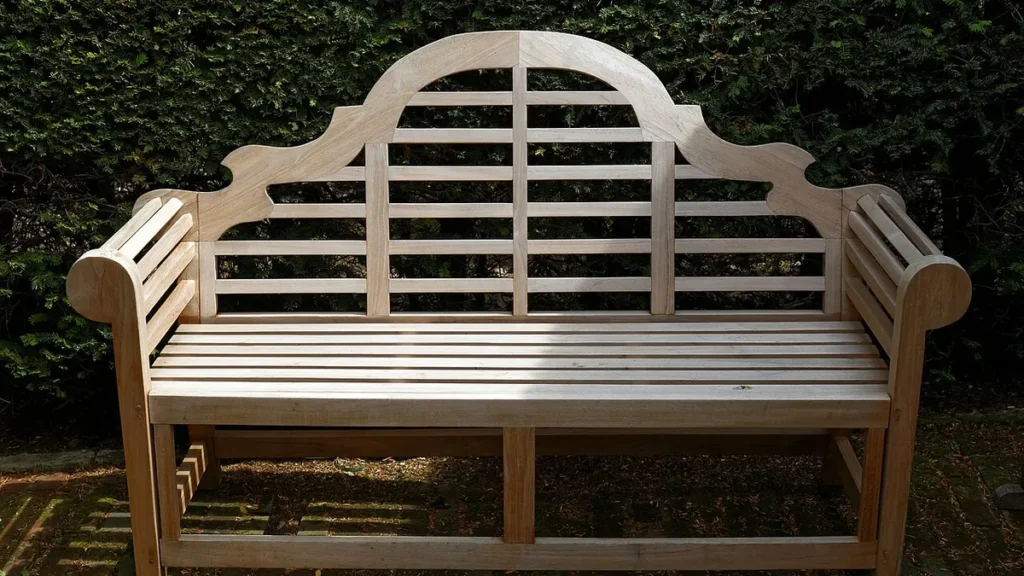
A garden bench looks like the simplest thing in the garden. It is a seat, a back, and four legs, and it asks for nothing more than a flat patch of ground. That impression lasts until the first job goes wrong. A bench set on soft lawn sinks on one side within a month. A bench bolted to a patio without the right fixings works loose and rocks. A beautiful hardwood seat left unfinished in a wet winter turns grey, splits along the grain, and leaves a customer wondering why they paid for a professional installation at all.
For a new installation startup, the bench itself is only half the job. The other half is everything around it: choosing the right bench for the ground and the weather, measuring the spot so the seat sits level and faces the view, anchoring it so it stays put, finishing the timber or metal so it survives the seasons, and doing all of that while quoting quickly, keeping the diary full, and looking like a business a customer can trust. A two-person team cannot afford to spend half a day on paperwork for every bench, and that is exactly where AI tools earn their place.
This guide compares the nine best AI tools for garden bench installation startups in 2026. Each one is judged on what a new business actually needs: low starting cost, no long contract, useful from the first week, and strong at one specific part of the garden bench job, from choosing the bench and placing it in the garden to anchoring it properly and getting paid on time. Together they form a complete first-year stack for a founder who wants to install garden benches well and build a reputation on jobs that stay level, stay solid, and still look good three winters later.
Key takeaways
- Start with three tools only: a 3D placement and design tool, a measuring and scanning tool, and a quoting and invoicing tool. Everything else can wait until the diary is full.
- Match the bench to the ground, not just to the customer’s taste. Soft lawn, gravel, decking, and paving each need a different base, a different fixing, and a different finish.
- Anchor every bench as if a storm is coming. A bench that rocks, slides, or sinks is the fastest way to lose a referral in a neighbourhood.
- Quote on the day of the visit. A garden bench is a considered purchase, and the installer who replies first usually wins the job.
- Keep the human in charge of ground judgement, timber and metal finish, and customer relationships. AI should speed those decisions up, never make them alone.
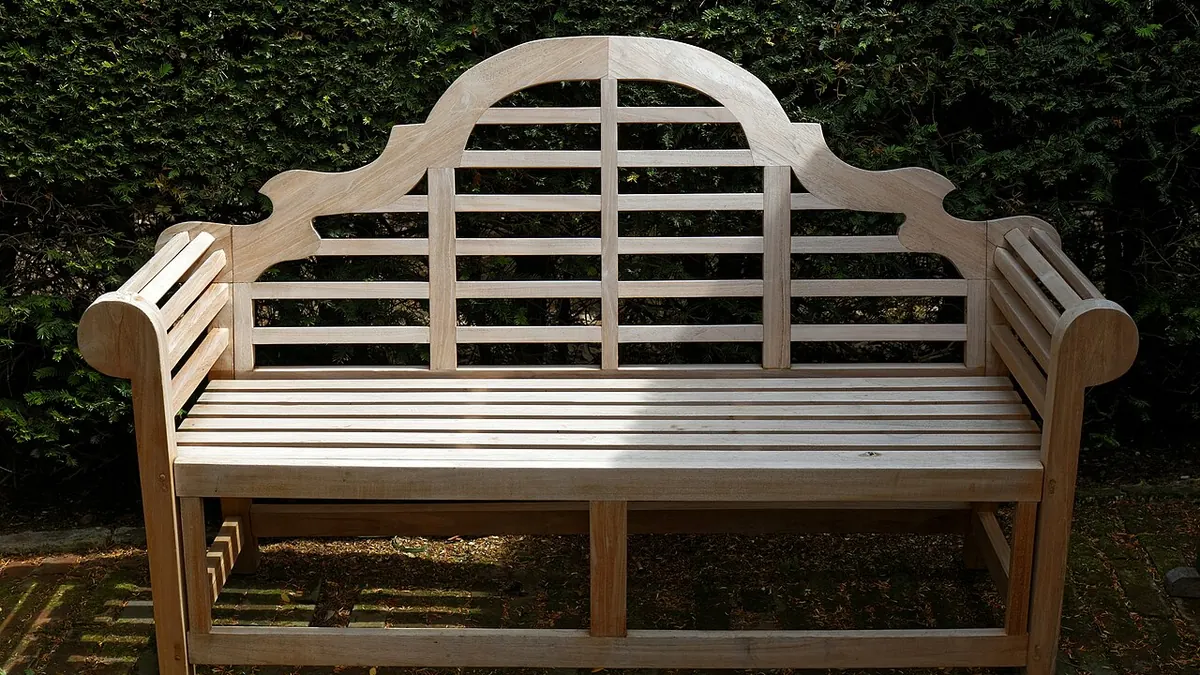
The nine tools at a glance
| Tool | Best for | First use |
|---|---|---|
| Keter Eden Garden Bench | Low-maintenance resin benches with storage | Small gardens and rental properties |
| Alexander Rose Acacia Garden Bench | Hardwood benches that age well | Traditional gardens and patios |
| Hartman Berkeley Cast Aluminium Garden Bench | Ornate metal benches | Period gardens and front gardens |
| LG Outdoor Milan Steel Garden Bench | Modern steel benches on a budget | Contemporary gardens and courtyards |
| Charles Taylor Wooden Garden Bench | Traditional timber benches | Cottages and country gardens |
| Planner 5D | 3D bench placement and garden design | Showing the bench before it is built |
| Polycam | AI 3D scanning and measuring from photos | Site surveys without a return visit |
| ServiceTitan | Quoting, scheduling and invoicing | Running the whole job from the van |
| Thryv | Leads, reviews and repeat work | Turning one bench into the next job |
Use this table to narrow the list before reading the detail. The right choice depends less on which tool has the longest feature list and more on whether it fits the kind of bench work you want to do first. A startup that installs resin benches on patios needs different tools from one that fits hardwood benches into established gardens, and the table above is the fastest way to tell them apart.
What makes a garden bench installation startup different
A garden bench is seating, and seating has rules that other garden structures do not. The seat has to be the right height for the person who will use it, the back has to support a relaxed posture rather than a working one, and the bench has to face something worth looking at. A bench that faces a fence feels like a mistake even when it is perfectly level. A bench that faces the flower beds, the pond, or the evening sun feels like it was always meant to be there. Learning to read a garden the way a customer will sit in it is the core skill of this trade, and no software can do that reading for you.
The ground decides more than the customer does. A bench on a paved patio needs different fixings from a bench on a lawn, and a bench on a deck needs different fixings again, because a bolt that is perfect for stone will split a deck board. Soft ground needs a base, usually a small pad of slabs, gravel, or concrete, so the legs do not sink after the first wet winter. Sloped ground needs levelling, and a bench that is level on a slope looks right only if the installer has thought about how the legs meet the ground. This is the part of the job where experience shows, and where a bad installation quietly announces itself within a few months.
Material choice is the third difference. Timber benches need a finish that suits the wood and the weather, and the finish has to be renewed on a schedule the customer understands. Metal benches need protection against rust at the joints and the feet, where water collects. Resin benches need almost no finish at all, which is their selling point, but they still need to be anchored against wind on an exposed site. A startup that can explain these trade-offs in plain language wins trust before the first bolt is tightened.
The comparison with nearby trades makes the point clearly. A picnic table is dining furniture, built for meals, with attached seats and a much larger footprint, and picnic table installation startups plan around access for groups and a flat area big enough for the whole table. A potting bench is a workstation, built for standing work at waist height, with a worktop, shelves, and a sink or soil store. A porch swing hangs from overhead fixings and moves. A garden bench is none of those things. It is a quiet seat in a chosen spot, and the whole installation is judged on comfort, level, and how well it sits in the garden rather than on size or capacity.
How to choose AI tools for a garden bench installation startup
Start from the job, not from the software. List the five things you do on every installation: visit the site, measure and photograph the spot, choose the bench and the fixings, quote the job, and fit it. Then pick one tool that makes each of those steps faster. If a tool does not make one of those five steps visibly faster in the first week, it is not earning its place, however impressive its demo looked.
Cost matters more than features in year one. Look for tools with a free tier or a low monthly price, no long contract, and a mobile app that works from the van. A design tool that only runs on a desktop computer in the office is no use on a site visit. A quoting tool that needs an evening of admin after every job will be abandoned within a month. The best tools for a bench startup are the ones that let a single installer do the survey, the quote, and the booking before leaving the customer’s drive.
The 9 best AI tools for garden bench installation startups in detail
1. Keter Eden Garden Bench: best for low-maintenance resin benches with storage
The Keter Eden is a resin bench with storage under the seat, and it is the easiest bench in this guide to install well. It arrives as a flat-pack kit, goes together with basic tools, and needs no painting, oiling, or sealing. For a startup, that means a job that can be quoted, delivered, and finished in a single visit, with no return trip for a second coat of finish. It suits customers who want a tidy seat and somewhere to keep cushions, garden tools, or children’s toys out of the rain.
The installation work is mostly about the base. Resin is light, so a Keter bench on an exposed site can shift in strong wind if it is left loose on a lawn. The fix is simple: a level pad of slabs or compacted gravel, and discreet ground fixings or a weighted storage load inside the bench. The AI side of this job is in the quoting and scheduling tools rather than the bench itself, because the product is so standardised that the variables are the site, the access, and the base rather than the bench.
2. Alexander Rose Acacia Garden Bench: best for hardwood benches that age well
Alexander Rose builds hardwood garden furniture, and its acacia bench is a strong choice for a startup that wants to sell timber properly. Acacia is dense, naturally oily, and more resistant to weather than softwood, so a well-installed acacia bench holds its shape and colour far longer than a cheap pine seat. It arrives solid and heavy, which customers notice the moment they sit down, and that weight is part of the selling point: a hardwood bench feels planted, not placed.
The installation work for a hardwood bench is about the ground and the finish. A heavy bench on soft ground will sink, so the base matters more here than with a light resin seat. A small pad of slabs under the legs, set level and bedded properly, keeps the bench true for years. The finish matters too: acacia can be left to silver naturally or oiled to keep its warm colour, and the customer should choose knowingly. A startup that explains that choice, and offers a first oiling as part of the installation, turns a one-off sale into a maintenance relationship.
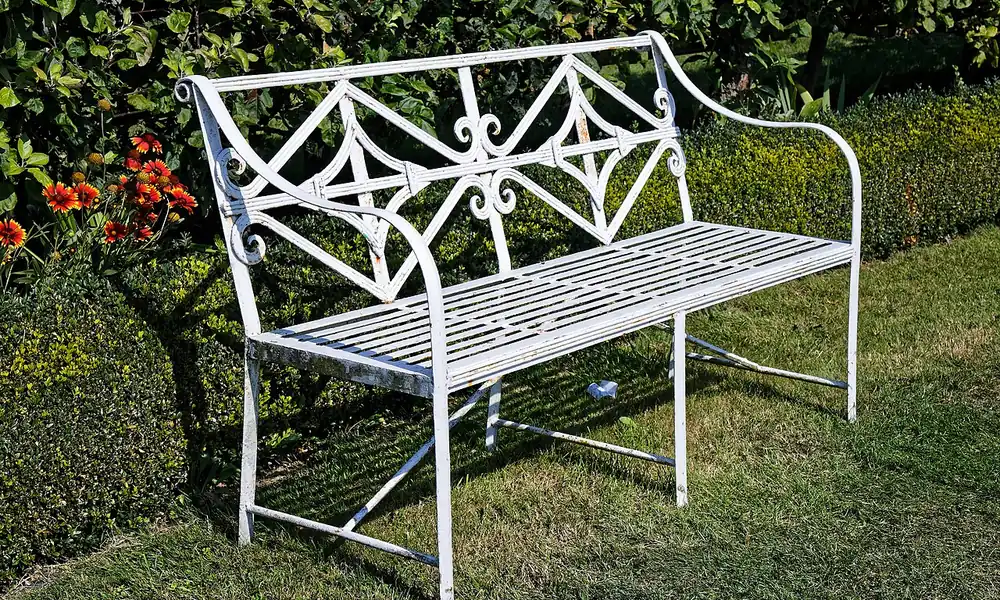
3. Hartman Berkeley Cast Aluminium Garden Bench: best for ornate metal benches
The Hartman Berkeley is a cast aluminium bench with an ornate, traditional design, and it fills a gap the timber benches cannot: the period garden, the front garden, and the customer who wants a bench that looks like it has always been there. Cast aluminium gives the look of cast iron without the weight or the rust, which matters for a two-person installation team. It is light enough to carry and position by hand, yet solid enough to feel permanent once it is anchored.
Metal benches live or die by their fixings. Aluminium does not rust the way iron does, but water still collects at the joints and around the feet, and a bench that is bolted down badly will work loose as the ground moves. The installation is a careful job: a level base, fixings matched to the surface, and a check that every bolt is tight and every foot bears evenly. A bench with one foot in the air will rock, and a rocking bench is the first thing a customer notices.
4. LG Outdoor Milan Steel Garden Bench: best for modern steel benches on a budget
The LG Outdoor Milan is a steel garden bench with a clean, modern frame, and it is the best budget option in this guide for contemporary gardens. Steel gives a slim, straight-lined look that timber cannot, and the Milan’s simple shape suits courtyards, new-build gardens, and paved seating areas where a traditional bench would look out of place. It is also one of the most affordable benches here, which makes it a good entry product for a startup that wants to win its first jobs on price without cutting corners on the installation.
Steel needs protection. The frame is coated, and that coating is the only thing between the metal and the weather, so the installer should check it on delivery and protect it during the fit. The feet need particular attention: they sit in the wettest part of the garden, and a steel bench that is left standing in a puddle will show rust at the feet first. A small raised pad, or feet set on slabs rather than bare soil, solves the problem for very little money, and it is exactly the kind of detail a professional installation should include.
5. Charles Taylor Wooden Garden Bench: best for traditional timber benches
Charles Taylor makes traditional wooden garden furniture, and its wooden bench is the classic choice for cottages and country gardens. It is a straightforward timber seat with a familiar shape, built from solid wood, and it suits customers who want a bench that looks like a bench rather than a design statement. For a startup, it is a reliable product: easy to explain, easy to install, and easy to maintain with a simple oiling routine.
The installation work is the same disciplined routine as any timber bench: a level base, fixings that suit the surface, and a finish applied before the bench goes into service. Timber moves with the seasons, so the installer should check the joints, make sure the seat is level after the bench has settled, and tell the customer that a little movement in the first year is normal. A short return visit to re-check the level and tighten the fixings is cheap for the startup and memorable for the customer, and it is the kind of aftercare that earns referrals.
6. Planner 5D: best for 3D bench placement and garden design
Planner 5D is a 2D and 3D design tool that lets an installer show a customer where a bench will sit before anything is ordered. The installer builds a quick plan of the garden, drops in a bench of the right size, and walks the customer through the view from the seat, the distance from the house, and the space around the legs. That five-minute demonstration prevents the most common bench mistake: a seat that is technically level and solid, but in the wrong place.
The tool also helps with the comparison jobs that sit next to bench work. A customer choosing between a bench and a swing, for example, can see both in the same garden plan, and the difference in space, fixings, and feel becomes obvious. That is why it is worth knowing how garden swing installation startups plan their work too: a swing needs clearance to move and a frame to hang from, while a bench needs only a level base and a view, and a 3D plan makes that contrast visible in seconds. The watch-out is time: a plan that takes an hour to build is a plan that costs money, so keep the model simple, reuse a template for common garden shapes, and save the detailed rendering for the jobs that need it.
7. Polycam: best for AI 3D scanning and measuring from photos
Polycam turns photographs from an ordinary phone into a 3D scan of a garden, and for a bench installer that solves the oldest problem in the trade: measuring a spot accurately without a second visit. Walk around the bench position, let the phone capture the ground, the walls, and the nearby planting, and the scan gives you the shape of the site, the slope of the ground, and the distances that matter. It is the closest thing to taking the garden back to the workshop with you.
The practical use is in the base and the bench size. A scan shows whether the ground falls away under one leg, whether a wall or a bed limits the bench length, and whether the access route is wide enough for the bench you plan to deliver. Those are the measurements that decide whether a job is one visit or two, and getting them right on the survey saves the return trip that eats the profit on a small installation.
8. ServiceTitan: best for quoting, scheduling and invoicing
ServiceTitan is field service software built for trade businesses, and for a garden bench startup it is the office in the van. It holds the customer record, the quote, the job card, the schedule, and the invoice in one place, so nothing is lost between the survey and the fitting. A quote built on the drive, sent before the installer leaves the street, and followed up automatically if the customer does not reply, is the single biggest advantage a small startup can have over a larger firm that takes three days to respond.
The strength of ServiceTitan for bench work is its job management. Each installation gets a card with the bench, the base, the fixings, the finish, and the access notes, so the installer who turns up on the day knows exactly what was agreed. The schedule shows the day’s jobs in order, with travel time between them, and the invoice goes out as soon as the bench is level and the customer is happy. That speed matters: a customer who has just watched a bench go in is far more likely to pay on the day than one who receives an invoice a week later.
9. Thryv: best for leads, reviews and repeat work
Thryv is a small-business platform that combines customer records, messaging, reviews, and payments, and for a bench startup it answers the question every new business faces after the first ten jobs: where does the next job come from? A bench installation is a short job, and the business only survives if each one leads to another. Thryv keeps the customer, the review request, and the reminder for the next service in one place, so the work of winning the next job happens automatically.
The review flow is the most valuable part. A customer who has just had a bench installed is at their happiest, and a short message asking for a review, sent that evening with a direct link, catches them at exactly the right moment. Those reviews are what a bench startup lives on, because neighbours trust a bench they can see and a review they can read. Thryv also handles the maintenance reminders: a message in spring offering a re-oil or a level check turns a one-off installation into a returning customer.
A starter stack and a realistic first-year workflow
A new garden bench startup does not need all nine tools on day one. It needs three, and it needs them working together. Start with Planner 5D for placement, Polycam for measuring, and ServiceTitan for quoting and invoicing. Those three cover the survey, the design, the quote, and the payment, which is the whole job apart from the physical installation. Add Thryv once the first twenty jobs are done and reviews start to matter more than finding the next customer.
A realistic first-year workflow looks like this. A lead arrives, usually from a neighbour who saw a bench, or from a review, and the installer books a survey within a few days. On the survey, the installer walks the garden with the customer, agrees the spot, scans it with Polycam, and builds a quick Planner 5D view showing the bench from the seat. The quote goes out the same day from ServiceTitan, with two options where it makes sense: the bench on a gravel base, and the bench on a slab base. The customer picks one, pays a deposit, and the bench is ordered.
On the installation day, the installer arrives with the bench, the base materials, and the fixings already chosen, because the survey notes said what the ground needed. The base goes in first and is checked for level before the bench touches it. The bench is assembled, positioned, fixed, and finished, and the customer is shown how to care for it. The invoice goes out before the installer leaves, the review request goes out that evening, and the job is closed. That is a complete system, and it runs on three tools and a tidy routine.
Garden bench installation checklist
Run through this checklist on every job, before the bench is ordered and again on the day. It is the difference between a bench that looks good on the day and a bench that still looks good three winters later, and it is the same routine whether the job is a resin seat on a patio or a hardwood bench in an established garden. The overhead contrast is worth remembering too: porch swing installation startups deal with ceiling joists and hanging chains, while a bench installer deals with the ground, and the ground is less forgiving, because a mistake under a bench leg hides until the bench sinks.
- Agree the spot with the customer in person, and check the view from the seat, not just the view of the bench.
- Measure the ground for level and fall, confirm the bench length fits, and check the access route for delivery.
- Choose the base for the surface: slabs for lawns, gravel for soft ground, fixings matched to paving or decking.
- Check the bench on delivery for damage, splits, or chipped coating, and do not install a faulty bench.
- Anchor every leg, check the level twice, and finish timber or treat metal before leaving the site.
- Show the customer how to care for the bench, send the invoice the same day, and ask for a review that evening.
Frequently asked questions
How long does a garden bench installation take?
A straightforward installation on a level patio takes two to three hours, including assembly and fixing. A bench that needs a new base, such as a slab pad on a lawn, takes half a day, because the base has to be set and checked for level before the bench goes on it. A memorial bench with a plaque, or a bench in a garden with difficult access, can take a full day. The survey should settle the time before the quote is sent, so the customer is never surprised.
Do garden benches need a concrete pad?
Not always, but most benches need something more than bare soil. A small pad of slabs, compacted gravel, or concrete under the legs stops the bench sinking after wet weather, and it keeps the feet out of the damp that causes rot and rust. A bench on a paved patio usually needs no pad at all, only the right fixings. The installer should explain which option applies to the customer’s garden and why, because a pad is a visible part of the job and the customer should understand what they are paying for.
What is the best material for a garden bench?
There is no single best material, only the best material for the garden and the customer. Hardwood such as acacia suits traditional gardens and lasts well with oiling. Cast aluminium suits period gardens and needs little maintenance. Steel suits modern gardens and is affordable. Resin suits small gardens and customers who want no maintenance at all. The right answer is the one that matches the garden, the budget, and how much care the customer is willing to give the bench.
How do you anchor a garden bench?
Anchoring depends on the surface. On paving or concrete, the bench is bolted down with masonry fixings through the feet. On decking, it is fixed with screws into the joists, never just into the boards. On a lawn or gravel, the bench sits on a level pad and is fixed to the pad, or held by ground anchors where the site is exposed to wind. Whatever the method, every leg should bear evenly, every fixing should be tight, and the bench should not rock when an adult sits on it and shifts their weight.
How much does garden bench installation cost?
The cost depends on the bench, the base, and the access. A resin bench on an existing patio is the cheapest job, because the product is affordable and the installation is quick. A hardwood bench with a new slab base is more, because the bench costs more and the base takes time. A bench in a garden with narrow access, or one that needs old paving lifted and re-laid, costs more again. A clear quote should separate the bench, the base, and the installation, so the customer can see where the money goes.
How often should a timber garden bench be sealed?
A timber bench should be oiled or sealed once a year, usually in spring, after a clean and a dry day. Hardwood such as acacia can be left to silver naturally, but it will last longer and keep its colour if it is oiled. Softwood needs sealing every year without exception. A startup that offers an annual re-oil visit turns a single installation into a returning customer, and it keeps the bench looking the way it did on the day it was installed.
The bottom line
A garden bench installation startup succeeds on three things: a bench that suits the garden, a base that keeps it level, and a finish that survives the weather. The AI tools in this guide do not change those three things, but they make them faster to get right. Planner 5D shows the customer the bench before it is ordered. Polycam measures the spot without a second visit. ServiceTitan quotes, schedules, and invoices from the van. Thryv turns one happy customer into the next job. The five benches give the startup a range to sell, from a low-maintenance resin seat to a hardwood bench that will outlast the fence around it.
Start with three tools, learn them properly, and add the rest as the diary fills. Quote on the day, anchor every bench as if a storm is coming, and finish every job by showing the customer how to care for what you have just installed. Do that on every bench, and the business grows the way a garden does: slowly at first, then all at once, one good seat at a time.

Keep what speaks to you.
Leave room for your own perspective.