
A pheasant house is not a coop, a barn, or a pet enclosure with a grander name. It is a working rearing house for a large game bird that is raised to be released, and every part of the building answers to that one purpose. Pheasant chicks arrive small and heat-dependent, grow through a brooding stage, move into rearing pens that are far bigger than the pens a smaller game bird needs, and then pass through release pens at the edge of a wood, where they learn to feed, shelter, and roost on their own before they live wild. A startup that plans only one of those stages well will feel the gap in the others, because the house has to carry the birds through all of them without a break.
The size of the bird is what sets the whole job apart. A pheasant is a larger, stronger, and more wide-ranging bird than a partridge, and it needs taller shelters, longer rearing pens, wider flight space, and a release wood with real cover rather than a small pen tucked behind a hedge. The pens must be big enough for the birds to move as a group without crowding, the shelters must be tall enough for the birds to stretch and perch, and the release pens must sit where the birds can slip into woodland cover the moment the gates open. Get the scale wrong and the birds stress, the feed bill climbs, and the release fails before the season has even started.
That is where the right software earns its keep. The nine tools in this guide cover the whole chain, from surveying a site for rearing pens to planning the brooding heat curve, mixing feed for each growth stage, designing shelters, watching bird health, and costing the job so the startup actually makes money. Used together, they turn a startup that guesses at pen sizes and heat settings into one that quotes with confidence, builds to a plan, and hands over a rearing house that works on the first season.
Key takeaways
- A pheasant house is a large game-bird rearing house, built around brooding, bigger rearing pens, feeding, shelter, and woodland release pens.
- Pheasants need more space than partridges or quail, so pen size, shelter height, and release cover must be planned at the larger scale from the start.
- The nine tools below cover layout, brooding, surveying, feeding, release, shelter, health, estate work, and bookkeeping as one connected chain.
- Brooding heat, feed rations, and pen space change with the growth stage, and the tools that track those changes save the most money.
- A release pen only works when it sits against real woodland cover, with feeders, water, and shelter the birds can reach on their first day out.
What a pheasant house actually is
A pheasant house is a working building, not a garden feature. The core of it is a brooding room where day-old chicks are kept warm and dry, a set of rearing pens where the growing birds learn to feed and move as a group, and a release pen at the woodland edge where the birds harden off before they go wild. Each stage has its own floor, its own feeders and drinkers, and its own shelter, and the birds move from one to the next as they grow. The startup that builds the house is really building a small rearing system, and the design has to make sense as a system rather than as a collection of separate sheds.
The brooding room is the warmest part of the house and the most exacting. Pheasant chicks need steady heat in their first weeks, dry litter underfoot, and fresh air that moves without becoming a draught. The heat must be even across the whole brooding area, because chicks that crowd under one lamp and avoid a cold corner will grow unevenly, and uneven birds are harder to rear and harder to release. A good brooding room has a heat source that can be lowered week by week as the birds feather up, a floor that drains and dries quickly, and a layout that lets the keeper check every chick without disturbing the whole batch.
The rearing pens are where the pheasant house shows its scale. These are long, tall, netted pens with shelter at one end and open ground for the birds to run and stretch their wings. A pheasant needs far more room per bird than a quail in a low laying pen, and the pen must be tall enough for the birds to flush without hitting the netting hard. The ground should be well drained, with cover inside the pen so the birds learn to use shelter, and the pen should sit close to the release wood so the move to release is short and calm.
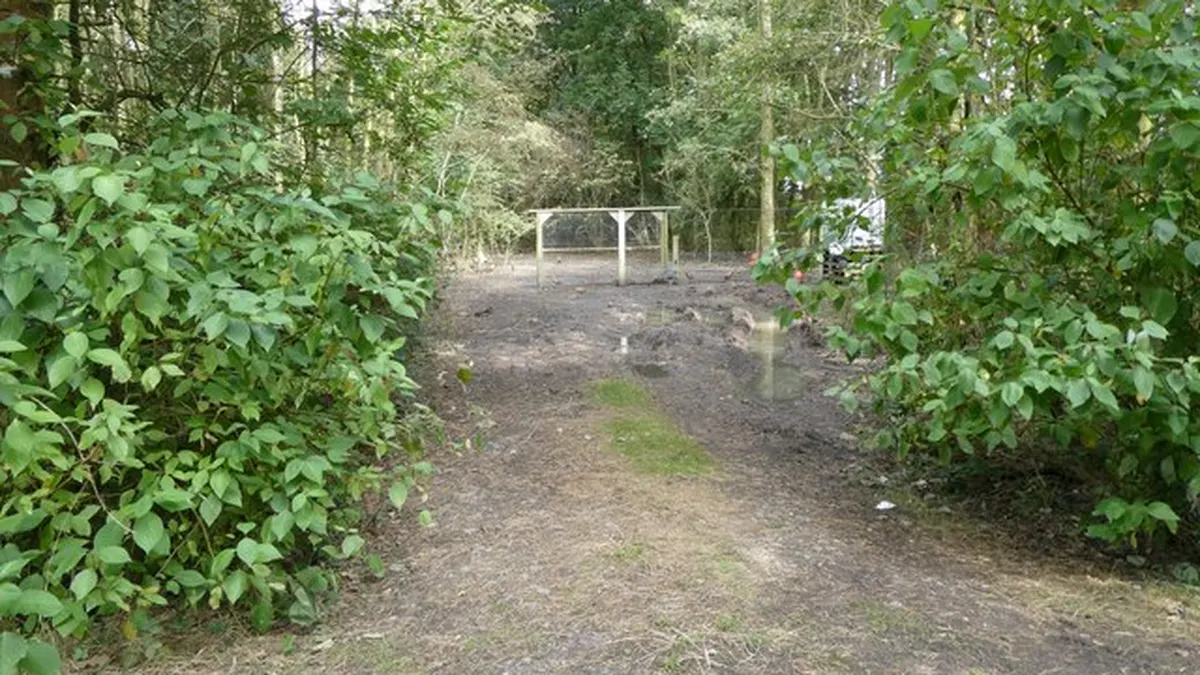
The release pen is the final stage and the one that most often gets skimped on. It sits at the edge of a wood, fenced and netted, with feeders, drinkers, and shelters inside, and cover outside that the birds can slip into when the pen opens. The birds spend their last weeks there, learning the sounds and smells of the wood while still coming back to feed. A release pen that is too small, too exposed, or too far from real cover will hold birds that never settle, and birds that never settle do not stay on the estate. The difference between a pheasant house and the smaller partridge house build is exactly this scale: bigger birds, bigger pens, and a release into woodland rather than open ground.
The 9 best AI tools for pheasant house installation startups
The tools below are grouped in the order a startup actually uses them, from the first site visit to the final invoice. Each one solves a different part of the job, and together they cover the full chain of brooding, rearing, feeding, shelter, and release. A startup does not need all nine on day one, but the ones that save the most money are the ones that stop mistakes before the build starts: the pen planner, the brooding tool, and the survey tool.
1. PheasantPen Planner AI
PheasantPen Planner AI is the layout tool for the rearing pens, and it is the first tool a startup should open on a new job. It takes the number of birds, the age at release, and the shape of the ground, and it draws pen layouts that give each bird enough room to move, feed, and shelter without crowding. The planner works in the larger scale that pheasants demand, so it will not offer a pen that is tall enough for a quail and too low for a pheasant, and it flags any layout where the birds would have to cross open ground to reach shelter. That single check saves more rework than any other feature in the tool, because a pen that is built too small is expensive to fix and stressful for the birds.
The planner also handles the details a paper sketch misses. It spaces the feeders and drinkers so every bird can reach food and water without crossing the whole pen, places the shelter where the prevailing wind does not drive rain into it, and works out the netting and post quantities so the quote is based on real measurements. A startup can show the keeper a plan with pen dimensions, feeder positions, and a materials list in the same visit. For a bird as large and active as a pheasant, that planning is what keeps the pens usable for a full season rather than patched halfway through it.
2. BroodPheasant AI
BroodPheasant AI plans the brooding stage, and it is the tool that protects the youngest and most vulnerable birds. It builds a heat curve for each batch, starting warm for day-old chicks and stepping the temperature down week by week as the birds feather up, and it adjusts that curve for the size of the brooding room, the type of heat source, and the outside temperature. The tool also tracks the litter, the ventilation, and the feeder space, so the keeper can see whether the brooding room is ready before the chicks arrive rather than discovering a cold corner on the first night.
What makes the tool worth its place is the way it ties the heat plan to the rest of the house. It works out when the birds will be ready to move into the rearing pens, flags the week when the heat can be switched off safely, and keeps a record of each batch so the startup can show the keeper what worked and what needs adjusting next season. A brooding room is the first stage of a rearing house, and BroodPheasant AI links the heat curve to the pen plan and the release date so the whole season runs on one schedule.
3. RearPen Survey AI
RearPen Survey AI is the site survey tool, and it does the groundwork that decides whether a rearing pen will work at all. It walks the startup through the ground conditions, the drainage, the slope, the shelter belts, and the access for vehicles and materials, and it scores each possible pen site against the needs of a large game bird. A site that looks flat from the gate can hide a wet hollow that will turn to mud in the first rain, and a site that looks sheltered can sit in a wind tunnel that chills the birds. The survey tool catches both before a single post is dug.
The survey also covers the release side of the site, where many pheasant jobs are won or lost. It checks how close the rearing pens sit to the release wood, whether there is cover the birds can use on their first day out, and whether the keeper can reach the pens and the release pen on the same round. It records the ground with photos and notes, so the quote and the build plan are based on what the site actually looks like. For a startup working across several estates, that record is the difference between a smooth build and a job full of surprises.
4. PheasantFeed Mix AI
PheasantFeed Mix AI plans the feed for every stage of the rearing cycle, from the first chick crumbs to the grain the birds eat in the release pen. It works out the ration for each growth stage, the amount of feed each pen needs per week, and the storage space the keeper will need, and it adjusts the mix for the number of birds and the date they are due to be released. The tool is built around the way pheasants actually grow: fast early growth that needs a rich starter ration, a steady middle stage where the birds put on frame and feather, and a final stage where the feed shifts toward the grain they will find in the wood.
The tool also keeps the feed bill honest, which matters where feed is one of the largest running costs. It prices each ration, compares bulk buying against smaller deliveries, and shows where feed is wasted, whether that is spillage at the feeders, feed getting wet in a poorly placed hopper, or birds scattering feed because the feeder is the wrong height. A startup that can show the feed cost per bird, per week, and per stage has a much stronger quote than one that can only give a single lump sum.
5. ReleaseWood AI
ReleaseWood AI plans the release pen and the woodland it opens into, and it is the tool that turns a rearing house into a successful release. It maps the woodland edge, the cover, the rides, and the feeding points, and it draws a release pen that sits where the birds can slip into cover the moment the gates open. The tool checks that the pen is large enough for the birds to hold together as a group, that the feeders and drinkers inside the pen are placed where the birds will find them, and that there is shelter inside the pen for birds that are not yet ready to roost in the trees.
The tool also plans the timing of the release, which is as important as the pen itself. It works out the week when the birds are strong enough to go out, the weather window that gives them the best start, and the feeding pattern that keeps them coming back to the pen while they learn the wood. A release that happens too early sends out birds that cannot cope, and one that happens too late keeps birds in a pen they have outgrown. ReleaseWood AI keeps the release on the same schedule as the brooding and rearing stages, so the birds go out ready rather than rushed.
6. PheasantShelter Planner AI
PheasantShelter Planner AI designs the shelters inside the rearing pens and the release pen, and it is the tool that keeps the birds dry, warm, and calm. It sizes the shelters for the number of birds in each pen, works out the perch space and the floor area, and places the shelters where the birds will actually use them rather than where they look tidy on a plan. Pheasants are tall birds that like to perch and to get out of the wind, so a shelter that is too low or too exposed will sit empty while the birds crowd into a corner, and a shelter that is too small will leave the weakest birds outside in the rain.
The planner also handles the materials and the build. It specifies the timber, the roofing, and the fixings for each shelter, works out how the shelter can be cleaned between batches, and checks that the roof will shed water rather than pool it. A shelter that cannot be cleaned properly will carry disease from one batch to the next, and a roof that pools water will rot the timber. Those details stay in the plan from the start, so the shelters last more than one season.
7. PheasantHealth Sense AI
PheasantHealth Sense AI watches the health of the birds through the whole rearing cycle, and it is the tool that catches problems while they are still small. It logs the daily checks, the feed and water intake, the growth, and any birds that look off colour or off their feed, and it flags the patterns that point to trouble: a pen where the feed intake has dropped, a batch where the growth has stalled, or a shelter where the birds are huddling when they should be feeding. The tool does not replace the keeper’s eye, but it gives the keeper a record that shows whether a problem is a one-day blip or the start of something worse.
The health record also protects the startup, because it shows the house was built and handed over properly. If a batch struggles in the rearing pens, the record can show whether the problem came from the building, the feed, the weather, or the birds themselves. The tool keeps the records for each pen and each batch, so the startup can learn from one season and improve the next, whether that means more ventilation, better drainage in one pen, or a different feeder height.
8. EstatePheasant AI
EstatePheasant AI is the coordination tool for the estate side of the job, and it is the one that keeps the startup, the keeper, and the estate working to the same plan. It holds the shoot calendar, the keeper’s rounds, the pen checks, and the release dates, and it shows who needs to be where and when. A pheasant house does not sit on its own; it sits inside an estate that has a shooting season, a keeper with a daily round, and a wood that needs managing, and the startup that understands that will build a house that fits the estate rather than one that fights it.
The tool also handles the handover, which is the moment the startup’s work is judged. It produces a handover pack with the pen plan, the brooding heat curve, the feed schedule, the health records, and the maintenance notes, so the keeper takes over a house they understand rather than one they must learn by trial and error. A clean handover means fewer call-backs, a happier keeper, and a better chance of the next job on the same estate.
9. PheasantLedger AI
PheasantLedger AI is the bookkeeping tool, and it is the one that decides whether the startup makes money. It builds the quote from the pen plan, the shelter list, the feed schedule, and the labour, and it tracks the actual costs against the quote as the build goes on, so the startup can see whether a job is on budget before it is finished rather than after. The tool handles the invoices, the deposits, and the final payment, and it keeps the records for each job so the startup can see which kinds of pheasant house work pay best and which ones need repricing.
The ledger also keeps the startup honest about its own costs. It tracks the materials, the mileage, the hire, and the hours, and it shows the margin on each job rather than just the turnover. A startup that knows its margin can price the next job with confidence and turn down work that will not pay. PheasantLedger AI is not the most exciting tool in this guide, but it is the one that keeps the business alive long enough to build the next pheasant house.

How the 9 tools compare
| Tool | Best for | Standout feature |
|---|---|---|
| PheasantPen Planner AI | Pen layout and sizing | Large-bird pen dimensions and feeder spacing |
| BroodPheasant AI | Brooding heat curves | Week-by-week heat plan tied to the release date |
| RearPen Survey AI | Site surveys | Ground, drainage, and release-wood scoring |
| PheasantFeed Mix AI | Feed rations and costs | Stage-by-stage rations with a cost per bird |
| ReleaseWood AI | Release pens and timing | Woodland cover mapping and release scheduling |
| PheasantShelter Planner AI | Shelter design | Perch space and cleanable shelter builds |
| PheasantHealth Sense AI | Health monitoring | Daily records that flag trouble early |
| EstatePheasant AI | Estate coordination | Shoot calendar and handover packs |
| PheasantLedger AI | Quotes and bookkeeping | Live margin tracking against every quote |
The table shows the chain clearly: the first three tools plan the build, the next four run the rearing cycle, and the last two keep the estate and the business in order. A startup that buys only the planning tools will build a good house and then struggle to run it, while a startup that buys only the bookkeeping tool will price well and build badly. The best results come from using the tools as a set, with the pen plan feeding the feed plan, the feed plan feeding the ledger, and the health records feeding back into the next season’s pen plan.
What a pheasant house startup costs to launch
The cost of launching a pheasant house installation startup depends on how much of the work the founder does themselves and how much they hire in. The tools in this guide are the smallest part of the bill, and they pay for themselves quickly because they stop the expensive mistakes: a pen built too small, a brooding room that runs too cold, or a release pen sited too far from cover. The larger costs are the vehicle, the tools, the materials for the first jobs, and the time spent learning the trade on real estates rather than on paper.
A sensible launch budget covers the software subscriptions, a reliable vehicle that can carry panels and netting, the hand and power tools for timber and fencing work, and enough working capital to buy materials for the first two or three jobs before the invoices are paid. The startup should also allow for the quiet months, because pheasant work follows the shooting season. A founder who prices each job from the pen plan and the feed schedule will know exactly how much each job needs to earn.
The timeline is just as important as the money. A new startup should allow several weeks for the first site surveys and quotes, a full season to build a reputation with one or two estates, and a second season to fill the order book. The brooding and rearing cycle means that a pheasant house built in spring is judged by the release in late summer, so the startup’s first jobs need to be built well and handed over with a proper pack, because the birds will tell the keeper whether the house worked. There is no shortcut to that reputation, but the tools in this guide make it far easier to earn.
Launch checklist
- Survey the site with RearPen Survey AI and confirm the ground drains, the pens sit close to the release wood, and vehicles can reach the build.
- Draw the pen layout in PheasantPen Planner AI at the larger pheasant scale, with shelter, feeders, and drinkers placed for the birds, not for the plan.
- Set the brooding heat curve in BroodPheasant AI and check the brooding room is warm, dry, and draught-free before the chicks arrive.
- Plan the feed with PheasantFeed Mix AI for every growth stage, and price the feed cost per bird so the quote stays honest.
- Build the release pen with ReleaseWood AI against real woodland cover, with feeders, water, and shelter inside the pen from day one.
- Hand over with EstatePheasant AI and PheasantLedger AI, giving the keeper the full pack and closing the job with a clean invoice.
Frequently asked questions
How big should a pheasant rearing pen be?
A pheasant rearing pen should be sized for a large game bird, with far more room per bird than a low laying pen for quail and taller netting than a small-bird pen. The rule is simple: if the birds cannot move as a group without crowding, stretch their wings, and reach shelter without crossing open ground, the pen is too small. PheasantPen Planner AI works out the dimensions from the bird numbers, and the keeper should walk the finished pen before the first batch arrives.
What is the difference between a pheasant house and a partridge house?
A pheasant is a larger game bird than a partridge, so the pheasant house is built at a larger scale: bigger rearing pens, taller shelters, wider flight space, and release pens set into woodland rather than smaller pens on open ground. Both are rearing houses for birds that are raised to be released, and both follow the same chain of brooding, rearing, and release, but the pheasant house needs more room at every stage. The low quail laying-pen build is different again, because quail live on the ground in low pens built for egg collection rather than for rearing a large bird for release.
Do pheasant chicks need a heated brooding room?
Yes, pheasant chicks arrive small and heat-dependent, and they need a warm, dry brooding room with steady heat in their first weeks. The heat starts high and steps down week by week as the birds feather up, and the brooding room must hold that heat evenly without draughts. A heated chick room on its own is not a pheasant house, though: the brooding room is only the first stage, and the birds still need the rearing pens and the release pen that follow it. The brooder house guide covers the heated-room build in detail for keepers who want to understand that stage on its own.
Where should a release pen sit?
A release pen should sit at the edge of a wood, with real cover the birds can slip into the moment the gates open. It needs feeders, drinkers, and shelter inside the pen, and cover outside that the birds can reach without crossing open ground. A pen that sits in the middle of a field, far from any wood, will hold birds that never settle, and birds that never settle do not stay on the estate. ReleaseWood AI maps the woodland edge and the cover before the pen is built, so the release works on the first season rather than needing to be moved.
What feed do pheasants need at each stage?
Pheasants need a rich starter ration as chicks, a steady grower ration as they put on frame and feather in the rearing pens, and a shift toward grain in the release pen as they learn to find food in the wood. The ration changes with the growth stage, and the amount of feed changes with the number of birds and the weather, so the feed plan should be worked out week by week rather than as a single lump sum. PheasantFeed Mix AI builds that plan and prices it per bird, so the keeper knows the feed bill in advance and the startup can quote the job honestly.
How long does it take to launch a pheasant house installation startup?
Most founders need several weeks to survey sites, quote the first jobs, and set up the tools and the vehicle, and then a full season to build a reputation with one or two estates. The work follows the shooting season, and the release in late summer is when the first jobs are judged. A startup that plans with the nine tools in this guide and hands over a proper pack will earn repeat work far faster than one that builds on guesswork.
Bottom line
A pheasant house is a large game-bird rearing house, and it succeeds or fails on scale: brooding that holds steady heat, rearing pens big enough for a large bird to move and stretch, shelters tall enough to use, feed planned by growth stage, and a release pen set into real woodland cover. The nine tools in this guide cover that chain from the first survey to the final invoice, and together they turn a pheasant house installation startup from a business that guesses into one that plans, quotes, builds, and hands over with confidence. Start with the pen planner, the brooding tool, and the survey tool, add the rest as the order book grows, and build every house as if the birds will judge it, because they will.

Keep what speaks to you.
Leave room for your own perspective.


