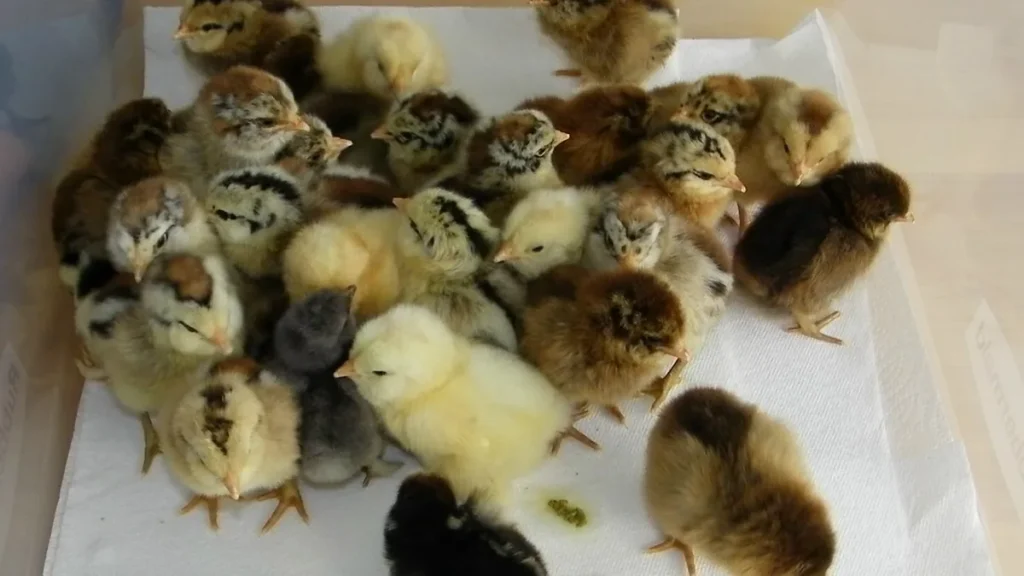
A brooder house is the warmest room a chicken will ever live in, and the most unforgiving. Day-old chicks arrive barely able to hold their own body heat, so the building must do it for them. The air must sit near 32 degrees Celsius in week one, the floor must stay dry, fresh air must keep moving without becoming a draught, and the heat must never fail overnight. Get those four things right and a batch grows evenly. Get one wrong and the losses show within days.
That is why a brooder house installation startup is a different business from a coop builder. A chicken coop is an outdoor shelter for birds that can already regulate their own temperature, and the best AI tools for chicken coop installation startups are mostly about outdoor design, predator-proof runs and weatherproofing. A brooder house is an indoor, heated, ventilated rearing room where the chicks, the heat, the brooders and the ventilation all have to work as one system. The installer is not just putting up walls. The installer is building a small climate machine, and the client is trusting that machine with hundreds or thousands of fragile lives on the very first night.
This guide compares the nine tools that matter most for a brooder house installation startup in 2026. They cover the heat itself, the sensors and controllers that watch it, the ventilation that keeps the air fresh, and the housing systems and software that tie a job together. Each one is judged on what it does inside a real brooder house, what it costs a new business, and how it pairs with the AI tools that now handle design, quoting and client updates.
Key Takeaways
- A brooder house is a heated indoor rearing room for day-old chicks, not an outdoor coop. Heat, brooders and ventilation are the job, and the chicks depend on all three from the first night.
- Radiant heat plates and infrared heaters beat bare heat lamps on safety and running cost, and they pair well with a smart controller that can cut the power if the temperature climbs.
- Temperature and humidity sensors with phone alerts are the cheapest insurance a startup can buy. A ten-minute warning is often the difference between a saved batch and a dead one.
- Ventilation must bring in fresh air without chilling the chicks. Plan the inlets, the fans and the controller together, never as three separate purchases.
- Start with one tool from each group in this guide, price the first five jobs carefully, and let the AI quoting and monitoring tools carry the admin while you learn the building.
What a Brooder House Actually Is
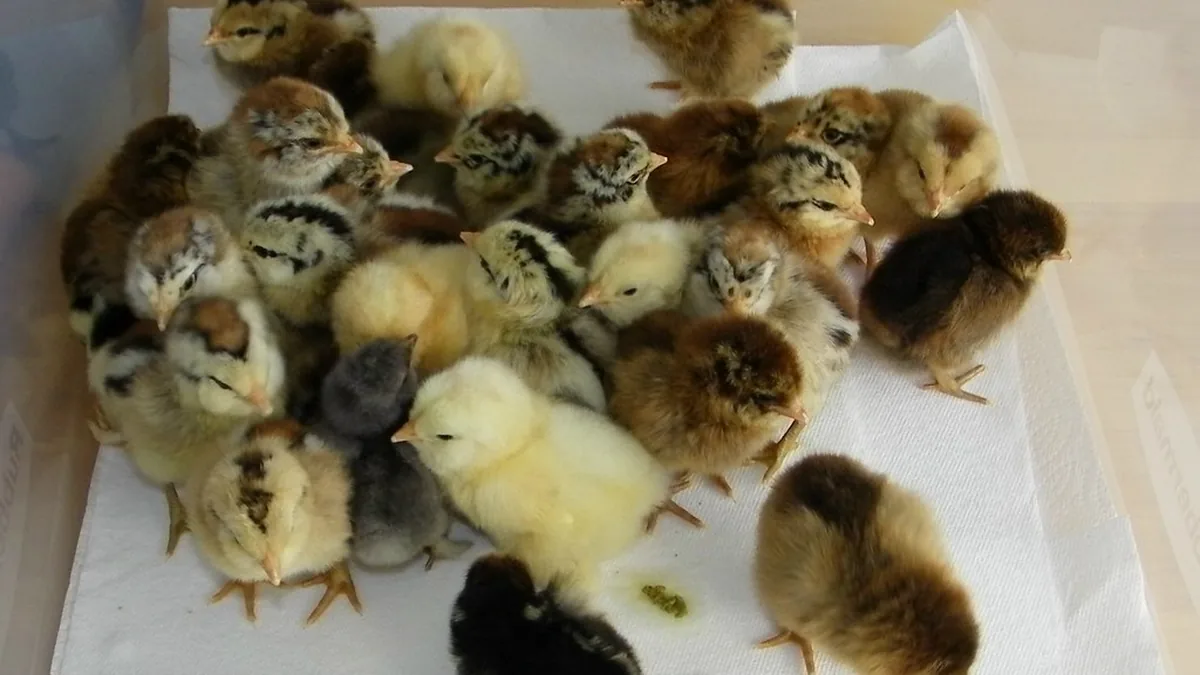
A brooder house is a heated indoor building where day-old chicks are raised for their first three to six weeks. The chicks arrive from the hatchery in boxes, sometimes only hours old, and they go straight onto a warm floor under a brooder. A brooder is the heat source the chicks gather beneath, and in a modern house it is usually a radiant heat plate, an infrared heater or a gas brooder, rather than a single bare bulb hanging from a wire. The house keeps the heat in, keeps the wind and the rain out, and gives the installer a controlled space where the temperature can be lowered a little each week as the chicks feather up.
The numbers explain why the details matter so much. Chicks need air close to 32 degrees Celsius at floor level in week one, dropping by roughly three degrees each week until they are fully feathered. The floor under the brooder should feel warm to the back of your hand, and the chicks should spread out in a loose ring around the heat rather than piling on top of each other or pressing into the far corners. Piling means they are cold. Panting, spread wings and chicks pressed against the walls mean they are too hot. An experienced stockperson reads those signs in seconds, but a new installation business has to build a house where the signs stay good even when nobody is watching at three in the morning.
Ventilation is the part most first-time builders get wrong. Chicks breathe out moisture and ammonia builds up from the bedding, so the air must be changed regularly. At the same time, a cold draught across day-old chicks can chill them in minutes. The answer is planned ventilation: fresh air comes in through inlets placed high on the wall, mixes with the warm air near the ceiling, and is drawn out by fans that are sized to the number of birds and the size of the room. The house needs a controller that can run the fans a little harder when the humidity rises and ease them back when the temperature falls. That balancing act is the core skill of a brooder house installer, and it is where the tools in this guide earn their money.
How AI Fits Into a Brooder House Build
Artificial intelligence does not raise chicks, but it does a surprising amount of the work around them. On the design side, AI layout tools can take the dimensions of a room, the number of chicks and the local climate, and suggest where the brooders, drinkers, feeders and inlets should go. The installer still checks the plan on site and still knows that a north-facing wall in a windy field behaves differently from the same wall in a sheltered yard, but the first draft arrives in minutes instead of an afternoon with graph paper. That speed matters when a startup is quoting three jobs a week and cannot afford to spend a day on each drawing.
On the climate side, AI earns its keep after the handover. Modern temperature controllers and sensors collect a stream of readings, and AI models can spot the patterns a human would miss: the slow overnight drift that says a heater is failing, the humidity spike that always follows a cold, damp morning, or the fan setting that keeps the air fresh without dropping the floor temperature. Some systems send a plain-language alert to the farmer’s phone, such as a warning that the brooder zone is two degrees below target and falling. A startup that offers that kind of monitoring as part of its service has a reason to stay in touch with the client, and a reason for the client to call them back for the next house.
AI also handles the parts of the business that have nothing to do with chicks. Quoting tools can turn a site survey into a priced proposal with the brooders, the ventilation, the wiring and the labour listed line by line. Scheduling tools can plan the install around the hatchery delivery date, which is fixed, rather than around the installer’s convenience, which is not. And simple AI writing tools can turn a handover visit into a clear one-page guide for the client, telling them what temperature to expect in week one, when to lower it, and what to do if the alarm sounds. None of this replaces the installer on site. It replaces the evenings of paperwork that used to follow every job.
The 9 Tools at a Glance
The table below gives the short version. The detailed reviews that follow explain what each tool does inside a brooder house, what it costs, and how it works with the AI tools a startup already uses for design and quoting. Read the table to shortlist, then read the reviews for the tools on your shortlist before you spend anything.
| Tool | What It Does in a Brooder House | Best For | Starting Cost |
|---|---|---|---|
| Sweeter Heater | Infrared radiant heat panel that warms chicks and bedding | Safe, even heat without a bare bulb | From about $110 |
| RentACoop Chick Brooder Heating Plate | Contact heat plate chicks rest beneath like a hen | Small batches and first-time keepers | From about $60 |
| VEVOR Chick Brooder Heating Plate | Adjustable-height heating plate for growing chicks | Budget builds that need height adjustment | From about $45 |
| Inkbird ITC-308 WiFi Temperature Controller | Smart plug controller that switches heat and fans by temperature | Automatic heat control with phone alerts | From about $45 |
| Govee WiFi Thermometer Hygrometer | Wireless sensors that log temperature and humidity to an app | Cheap, always-on monitoring and alerts | From about $15 per sensor |
| Munters | Ventilation fans, inlets and climate controllers for poultry houses | Proper planned ventilation at scale | Quoted per project |
| Big Dutchman | Complete rearing systems with feeding, drinking and climate | Full brooder house systems for larger flocks | Quoted per project |
| Chore-Time | Brooders, feeders, drinkers and ventilation for poultry houses | Proven hardware for commercial-scale rearing | Quoted per project |
| PoultryPlan | Flock management software for planning, records and reporting | Running the business side of rearing | Subscription, quoted per farm |
Heat and Brooders: The Warm Core
Heat is the first thing a brooder house must get right, and the first thing a startup should spend money on. The three tools here all warm chicks by contact or radiant heat, not by heating the whole room. Chicks need a warm spot they can move toward and away from, not a room that is uniformly hot. A chick that is too warm walks away from the plate. A chick that is too cold walks back under it. Every product in this group works that way, and every one is safer than a bare heat lamp on a wire.
1. Sweeter Heater: The Best Tool for Safe Infrared Heat
The Sweeter Heater is an infrared radiant panel that hangs above the chicks and warms the birds and the bedding below it, rather than heating the air in the whole room. It has no bulb to shatter, no exposed element and no glowing filament, which removes the two risks that make traditional heat lamps so dangerous in a brooder house: a bulb breaking over the bedding, and a lamp falling or being knocked into dry shavings. For an installer, that safety story is worth almost as much as the heat itself, because the client can be told honestly that the most common cause of brooder fires has been designed out of the job.
In practice the panel hangs at a height that gives a warm zone beneath it and cooler space around it, and the chicks sort themselves out. The heat is even, with no scorching spot and no cold corner. Running costs stay modest because the panel only warms the zone the chicks use, and it pairs well with a controller that switches it off at target temperature.
2. RentACoop Chick Brooder Heating Plate: The Best Tool for Small Batches
The RentACoop heating plate works the way a hen works. It is a flat, warm plate on adjustable legs, and the chicks rest underneath it, touching the warm surface with their backs. The plate only warms the space directly beneath it, so the rest of the brooder house stays cooler, the chicks use less energy staying warm, and the fire risk is far lower than with a lamp. It is the simplest version of the brooder idea, and for a small batch of twenty or thirty chicks it is often all the heat the house needs.
For a startup, the plate has two practical advantages. The first is price: at a modest cost per plate, a new business can carry spares on the van and replace a failed unit on the same visit. The second is the handover. A client who has never raised chicks can understand a heat plate in ten seconds.
3. VEVOR Chick Brooder Heating Plate: The Best Tool for Adjustable Budget Heat
The VEVOR heating plate does the same job as the plate above, with one difference that matters on a real job: the height adjusts easily as the chicks grow. Day-old chicks need the plate low, almost touching their backs. Three-week-old chicks are taller, stronger and feathering up, and they need the plate higher and the heat lower. A plate that adjusts in seconds, without tools, lets the client make that change every few days instead of putting it off until the chicks are pressing against a plate that is too low for them.
Price is the other reason this plate earns its place. It is the cheapest of the three heat tools here, which suits a startup pricing its first jobs tightly, or a client needing several plates across a larger house. The build is simple, cleaning is simple, and a plate that wipes clean in a minute actually gets cleaned between batches.
Climate, Sensors and Ventilation
Heat without measurement is guesswork, and ventilation without control is a draught. These three tools are the nervous system of the brooder house. They watch temperature and humidity, switch heaters and fans on and off, and move the air in a planned way instead of letting it leak through gaps. A startup that installs them properly can leave on Friday knowing the farmer will get a phone alert if anything goes wrong.
4. Inkbird ITC-308 WiFi Temperature Controller: The Best Tool for Automatic Heat Control
The Inkbird ITC-308 WiFi is a small plug-in controller that takes the guesswork out of heating. A temperature probe sits in the brooder zone, the heater plugs into the controller, and the controller switches the heater on when the temperature falls below the target and off when it reaches it. The WiFi version sends the readings to a phone app, so the farmer can check the brooder temperature from the house, the office or the other side of the county, and can get an alert if the temperature goes outside the safe range.
For an installer, the value is in the simplicity. The controller needs no mains wiring, no control panel and no programming. It plugs in, the probe goes under the brooder, the target is set, and the job is done. It also has a second socket for a fan, giving a small house basic automatic ventilation control for the price of one small box.
5. Govee WiFi Thermometer Hygrometer: The Best Tool for Always-On Monitoring
The Govee WiFi thermometer hygrometer is a small wireless sensor that measures temperature and humidity and sends the readings to a phone app over WiFi. It costs very little per sensor, which means a startup can afford to put one in every zone of a brooder house: one under the brooder, one at the far end of the room, and one near the inlet where the fresh air comes in. Three sensors tell a story that one sensor never can, because they show whether the heat is even, whether the far end is too cold, and whether the incoming air is chilling the chicks before it mixes with the warm air.
Humidity is the reading most beginners ignore, and it causes the most trouble. Damp bedding breeds ammonia and disease, and wet air makes chicks feel colder than the thermometer says. Humidity that climbs over a few days warns that ventilation must run longer or bedding needs changing, days before the chicks look unhappy.
6. Munters: The Best Tool for Planned Ventilation at Scale
Munters is a climate and ventilation specialist whose fans, inlets and controllers are used in poultry houses around the world. Where the smaller tools in this guide suit a room with a few hundred chicks, Munters equipment suits a house with several thousand, where the air has to be moved in a planned way and the heating bill has to stay under control. The fans are sized to the house, the inlets are placed so that fresh air mixes with warm air before it reaches the birds, and the controller balances the fans against the heaters so that the house stays fresh without staying cold.
The reason a startup should know this brand, even on small first jobs, is that ventilation does not forgive a guess. A fan too big chills the chicks. A fan too small leaves the air damp and stale. Munters sizes the system from the house dimensions and bird numbers, turning a risky judgement call into a calculation.

Housing Systems and Flock Management
The last three tools turn a warm room into a working business. A brooder house needs feeders and drinkers every chick can reach, a layout that can be cleaned between batches, and records showing what each batch cost and how it performed. Two housing brands supply the physical system. The software keeps the records.
7. Big Dutchman: The Best Tool for Complete Rearing Systems
Big Dutchman is one of the largest poultry equipment makers in the world, and its rearing systems cover the whole brooder house: the housing structure, the feeding lines, the drinking lines and the climate control, all designed to work together. For a larger client, that matters because the parts of a brooder house interact. A feeder placed in the wrong spot becomes a cold corner. A drinker that leaks makes the bedding wet and the ammonia rise. A system from one maker has those interactions thought through before the first panel is delivered, which means fewer surprises on site and fewer call-backs after handover.
A startup will rarely install a full Big Dutchman system on its first job. The value at the start is knowing what a complete installation looks like, and being able to talk to a larger client about the day their flock outgrows a room of heat plates. The feeding and drinking principles are the same at any size.
8. Chore-Time: The Best Tool for Proven Commercial Brooder Hardware
Chore-Time makes the workhorse equipment of commercial poultry rearing: brooders, feeders, drinkers and ventilation components that have been used in poultry houses for decades. Its brooders are gas-fired units that hang above the birds and warm a wide circle of floor, which suits a larger house where a dozen heat plates would be impractical. Its feeding and drinking systems are built to be adjusted as the birds grow, and its ventilation parts are sized to match, so the whole house can be planned as one system rather than a collection of separate purchases.
For a startup, Chore-Time is the brand to know when a client wants a house rearing thousands of chicks rather than dozens. The equipment is proven, dealers understand poultry, and spares are available, which matters most when a brooder fails on a cold night. The feeding and drinking equipment also connects to the rest of the flock’s life, including the chicken feeder installation that follows brooding.
9. PoultryPlan: The Best Tool for Running the Rearing Business
PoultryPlan is farm management software built for poultry, and it handles the part of a brooder house startup that has nothing to do with heat or air: the records. It tracks batches from arrival to move-out, records feed and water use, mortality and growth, and produces the reports a farmer needs for the hatchery, the feed supplier and the bank. For a startup that installs brooder houses, the software is useful in two ways. It helps the client run the house properly, and it gives the installer the data that proves the house works.
The practical value shows up at handover. A startup that hands over a house and a simple record system gives the client a way to see whether the investment pays off. If the batch grows evenly and mortality stays low, the house has done its job and the client knows it. If numbers drift, the records show where it started.
Pricing a Brooder House Installation Startup
Pricing is where many new installation businesses fail, and brooder houses are no exception. The temptation is to quote low to win the first jobs, and the result is a business that works hard and earns nothing. A better approach is to price the job in parts and to show the client the parts. The building work is one line. The brooders and heaters are one line. The sensors, the controller and the ventilation are one line. The wiring, the handover and the first monitoring review are one line each. A client who can see the parts can understand the price, and a client who understands the price is far less likely to ask for a discount that removes the very equipment the chicks depend on.
As a rough guide, a small brooder house for a few dozen chicks, built in an existing outbuilding with heat plates, a controller and a few sensors, can be set up for a modest four-figure sum including labour. A purpose-built house for several hundred chicks, with radiant panels, planned ventilation and proper wiring, costs several times that. A commercial-scale house for thousands of birds is a five-figure project needing a formal quote and a written specification.
Running costs matter as much as the build cost, and a good installer talks about them. Heat is the largest running cost, which is why radiant plates and infrared panels beat bare lamps: they warm the chicks, not the whole sky. Fan electricity is modest, but it never stops, so ventilation that moves only the air the house needs saves money every day. And once the chicks are feathered, the birds need their next home, which is why it pays to understand the chicken run installation that often follows brooding.
Your First-Job Checklist
Use this checklist on your first five brooder house jobs. Do not skip a step because the job looks simple.
- Confirm the chick numbers, the arrival date and the target temperature for week one before you order anything. The whole design follows from those three facts.
- Check the power supply on site and confirm it can run the heaters, the fans and the controller together on a cold night. A tripped breaker at three in the morning is a dead batch.
- Place the brooders first, then the feeders and drinkers, then the sensors. Every chick must be able to reach food and water without leaving the warm zone.
- Test the ventilation with the doors closed and the heaters running. Fresh air must arrive without a cold draught across the chicks.
- Set the controller and the phone alerts, and test them by warming the probe in your hand. An alarm that has never been tested is not an alarm.
- Hand over a one-page guide with the week-one temperature, the weekly reduction, and the number to call if the alarm sounds. Walk the client through it on site.
Frequently Asked Questions
How much do the best AI tools for brooder house installation startups cost?
The small tools are cheap. A heating plate, a controller and a few sensors together cost less than a day of skilled labour, and they protect the chicks. Larger systems, such as planned ventilation and full rearing equipment, are quoted per project and can reach five figures for a commercial house. Buy the small tools first and add the larger systems as the order book grows.
Which tool should a new brooder house startup buy first?
Buy a heating plate and a temperature controller first, then add sensors. The plate keeps the chicks warm, the controller keeps the plate honest, and the sensors prove both are working. Together they cost very little and cover the biggest risk in the business: chicks getting cold overnight. Add ventilation planning and management software once the first jobs are paid for.
How is a brooder house different from a chicken coop?
A brooder house is a heated indoor room where day-old chicks live for three to six weeks, with brooders, controlled heat and planned ventilation. A chicken coop is an outdoor shelter for older birds that can regulate their own temperature, mostly about weather protection and predator-proofing. Different buildings, different budgets, different skills.
Can AI really design a brooder house without a site visit?
No, and no honest installer should claim otherwise. AI tools can produce a good first layout from room dimensions, chick numbers and local climate, and turn it into a priced quote quickly. But the installer must still visit the site, check the power, feel the draughts and confirm the building is sound. AI saves time on drawings and paperwork, not on the visit.
What size should a brooder house be?
Allow roughly half a square foot of floor per chick in the first weeks, with more space as they grow, and keep the brooder zone warm while the rest stays cooler. A house for a hundred chicks needs around fifty square feet of brooder floor plus room for feeders, drinkers and a path. Confirm exact figures with the equipment supplier before you build.
Should a brooder house startup offer climate monitoring after handover?
Yes. Monitoring is the cheapest service a startup can offer and the one clients value most, because someone is watching the house when they are not. A monthly check of the sensor logs, a short report and a visit to adjust the brooders is worth charging for, and it keeps you in touch with the client for the next house.
The Bottom Line
A brooder house installation startup lives or dies on four things: the chicks, the heat, the brooders and the ventilation. The nine tools in this guide cover all four, and they do it at a price a new business can afford. Start with a heating plate, a controller and a handful of sensors. Add planned ventilation when the jobs get bigger. Learn the housing systems and the management software as the order book grows. And let the AI tools handle the drawings, the quotes and the paperwork, so that your time goes where it belongs: on site, in the house, checking that the floor is warm, the air is fresh and the chicks are spread out in a loose, contented ring around the heat.

Keep what speaks to you.
Leave room for your own perspective.