A quail house installation startup builds small, ground-level homes for quail. The birds live on the ground, lay in low trays and shelter under low roofs, so the work is about low pens, short walls and easy egg collection rather than tall barns or flight space. A crew that understands that single fact can quote a job in an afternoon and build it in days, while a crew that treats quail like chickens will overspend on height the birds never use and miss the laying trays that earn the keeper money.
The trade is small on purpose. A quail house is a compact unit: a pen or a row of pens, a sheltered laying area, feeders and waterers at ground height, and a floor that stays dry and easy to clean. Most jobs are garden-scale or smallholding-scale, which is why the startup model works so well. One or two installers, a van of timber and mesh, and a repeatable pen design can serve a whole town of keepers, breeders and small egg producers without the overhead of a barn crew.
Artificial intelligence tools have quietly changed how these small jobs are priced, planned and handed over. A phone camera can measure a garden corner and turn it into a pen layout, a laying log can flag a pen whose output has slipped, and a quote can be built from a photo instead of a second site visit. This guide explains what a qu ail house installation startup actually does, which nine AI tools carry the work, and how to launch one without drifting into the waterfowl, aviary or barn-scale builds that belong to other trades.
Key takeaways
- A quail house is ground-level housing: low pens, laying trays, feeding and shelter for a small game bird that never needs height or flight space.
- Quail are not waterfowl, so a quail house needs no pond, no pond edge and no aviary; the build is pens, laying, feeding and shelter at ground level.
- Nine AI tools cover the whole job, from surveying the ground and laying out pens to tracking laying rates, planning feed and quoting the work.
- Most installations are small, fast jobs: a single pen in a day, a row of pens in a week, with egg collection designed in from the start.
- The startup wins on repeatable pen designs, honest laying records and clean handovers, not on barn-scale volume.
What a quail house installation startup actually builds
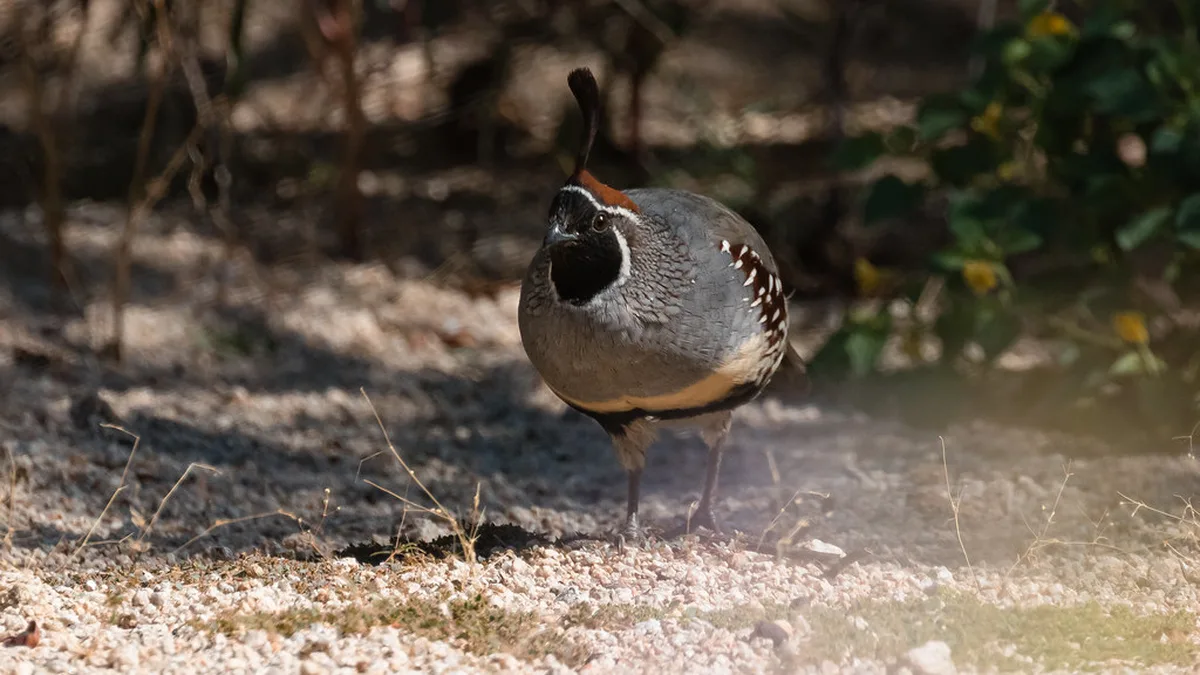
A quail house is a small ground-bird house. The pen floor sits at or just above ground level, the roof is low enough to keep the birds calm and the keeper’s hands within reach, and the laying area is a shallow tray or a sheltered corner the keeper can reach without climbing inside. Feeders and waterers sit on the floor or on low stands. Everything about the build follows the bird: quail are ground birds, they do not perch high, they do not fly long distances, and they lay small eggs in sheltered spots on the ground.
That ground-level logic is what separates the trade from its neighbours. A pond-edge waterfowl build, like the swan house or the duck house, is designed around water, banks and swimming access, and a quail house needs none of it. An aviary build, like the pigeon loft, is designed around flight, perches and sky, and quail need none of that either. A barn-scale build, like the chicken barn, houses a large flock under one tall roof with roosting bars and deep litter, while a quail house is a set of small pens that can be cleaned, moved or extended one unit at a time. Each of those is a real trade, and each has its own tools; the quail house startup simply builds something smaller, lower and closer to the ground.
The startup side of the work is just as defined. The business surveys a garden, a yard or a smallholding, designs the pens to fit the ground that is actually there, builds the pens and shelter, fits the feeding and watering gear, and hands over a laying routine the keeper can follow. The best startups also stay in touch: they check laying rates in the first month, adjust a feeder that wastes grain, and add a pen when the keeper’s covey grows. A chicken barn installation guide shows how a barn-scale poultry job is planned, and the contrast is instructive — the barn crew thinks in flocks and roosting space, while the quail crew thinks in coveys, laying trays and ground-level access.
The money follows the same small scale. A single pen is a modest job, a row of pens for a breeder is a medium job, and a laying setup for a small egg producer is the largest job most quail startups take on. None of them needs a crane, a concrete pad the size of a barn floor, or a planning battle. What they do need is a pen that stays dry, a laying tray the keeper can reach, wire the birds cannot push through, and a roof that keeps rain off the feed. Get those four things right and the birds lay well; get them wrong and no amount of smart software will save the job.
The 9 best AI tools for quail house installation startups
The nine tools below cover the full job in order: survey the ground, lay out the pens, count the birds, track the laying, plan the feed, collect the eggs, shelter the covey, manage hatching, and keep the books. None of them is borrowed from a waterfowl, aviary or barn-scale list. Each one is described here the way a working installer would use it on a real job.
QuailPen Layout AI
QuailPen Layout AI turns a phone photo and a few measurements into a pen layout that fits the ground in front of you. It places low pens in a row, leaves a walkway wide enough for a barrow, and marks where the laying trays and feeders go so the keeper never has to step inside a pen to collect eggs. The layout respects the bird: pens stay low, runs stay short, and every pen gets a sheltered corner. On a sloped garden it steps the pens down the slope instead of forcing one long level run, and on a narrow yard it stacks the pens in two short rows rather than one long one that blocks the gate.
The tool earns its place on the first job. A keeper who can see the pens drawn on a photo of their own garden says yes faster than one who is asked to imagine a drawing, and the installer who arrives with a layout already drawn spends the morning building instead of measuring twice. It also stops the most common quail-house mistake, which is building pens too tall and too deep for birds that live on the floor. A pen that is a metre high wastes timber and makes egg collection awkward; QuailPen Layout AI keeps the height honest and the trays within arm’s reach.
CoveyCount AI
CoveyCount AI counts the birds in a pen from a short phone video and keeps a head count per covey. Quail are small, fast and fond of bunching in corners, so a manual count is slow and usually wrong by a few birds, and a few birds is a large error when a pen holds twenty. The tool watches the video frame by frame, separates birds that overlap, and reports a count with a confidence note so the installer knows when to recount rather than trust a shaky number.
For the startup, the count is the basis of everything else. Pen size, feeder size, laying expectations and the quote itself all follow from how many birds the pens must hold. A breeder adding a covey wants to know whether the new pen is full or half empty, and a keeper who has lost birds to a gap in the wire wants proof of how many remain. CoveyCount AI gives both answers in minutes, and because the count is stored with the date, the startup can show a keeper that a pen held eighteen birds in March and fourteen in June, which is the start of a useful conversation about wire, shelter or feed.
LayRate AI
LayRate AI is the laying log that turns egg counts into decisions. The keeper taps in the daily egg count per pen, and the tool charts the laying rate, flags a pen whose output has slipped below its own recent average, and separates a seasonal dip from a real problem. A pen that drops from sixteen eggs a day to nine over a fortnight is saying something, and the tool says it before the keeper has done the sums in their head.
The installer uses the same record at handover. A new quail house should come with a baseline: this pen, this many birds, this many eggs a week in the first month. If the rate holds, the keeper trusts the build; if it falls, the startup has a dated record to work from instead of a vague complaint. LayRate AI also keeps the startup honest about its own designs. A pen layout that lays well in one garden and poorly in another is telling the installer something about light, shelter or draught, and a year of laying records across twenty jobs is the cheapest design research a small startup will ever own.
QuailFeed Mix AI
QuailFeed Mix AI plans feed rations for the birds in each pen. Quail eat little but they eat often, and a ration that suits laying birds does not suit growing birds or a breeding covey. The tool takes the bird count, the age of the covey and whether the pen is laying, growing or resting, then sets a daily ration per pen and a weekly order quantity so the keeper buys the right amount instead of a sack that goes stale in the shed.
Waste is where the money goes in quail keeping, and feed waste is the largest leak. A feeder set too high scatters grain, a ration set too generously goes stale, and a pen of laying birds fed a grower ration lays fewer eggs. QuailFeed Mix AI trims all three by matching the ration to the pen rather than the flock, and it adjusts the plan when LayRate AI reports a dip, so a laying problem is met with a feed answer before it becomes a vet bill. For the startup, a feed plan is also a reason to return: a quarterly ration review is a small, useful visit that keeps the relationship warm without selling anything the keeper does not need.
EggCollect AI
EggCollect AI plans the egg collection round: which pens to visit, in which order, and which trays need emptying first. Quail eggs are small, and a tray left full gets stepped on, so the order matters more than it looks. The tool maps the pens in the order the keeper walks them, puts the fullest trays first, and logs the count per pen as the round is done, so the laying record and the collection round are the same job instead of two.
On a multi-pen job this is the difference between a tidy morning and a mess. A keeper with six pens and no route collects from the nearest pen twice and the farthest pen late, and the farthest pen is the one with the broken eggs. EggCollect AI also sizes the trays: it looks at the laying rate per pen and says which tray needs emptying daily and which can wait a day, so the startup fits the right tray in the right pen instead of the same tray everywhere. It is a small tool for a small job, and that is exactly why it belongs on this list.
GroundPen Survey AI
GroundPen Survey AI is the site survey for ground that is never as flat as it looks. It reads a phone scan of the garden or yard, maps the slope, finds the low corner where rain will pool, and marks the driest line for the pens. A quail pen on a damp patch grows mould in the litter and sick birds soon after, so the survey is worth more than any single piece of timber in the build.
The tool also records what is already there: the fence line, the tap, the shed, the tree that shades the ground after lunch. A pen under a tree that drips all winter is a pen the keeper will regret, and a pen a hose cannot reach is a pen that never gets washed properly. GroundPen Survey AI puts those facts on the drawing before the first post goes in, and it gives the startup a survey document to attach to the quote, which is the kind of small professionalism that wins the next job from a neighbour who saw the first one go up.
QuailShelter Planner AI
QuailShelter Planner AI designs the shelter half of the house: the low roof, the windbreak and the rain cover over the laying corner. Quail need shelter they can walk under, not a tall house they must climb into, so the tool keeps the roof low, the entrance wide and the laying corner dry and dark. It checks the roof against the prevailing wind, so the rain does not blow straight into the feed, and it places the windbreak on the side the weather actually comes from rather than the side that looks tidy on paper.
Shelter is the part of a quail house that most often gets built from habit instead of from the site. A roof copied from a chicken coop is too high and lets the wind in under the eaves; a windbreak copied from a duck house faces the pond instead of the weather. QuailShelter Planner AI breaks that habit by designing from the survey, and it produces a cutting list for the roof and windbreak so the installer orders the right boards once. A dry laying corner and a calm pen are what keep a covey laying through a wet month, and they are cheaper than any cure for a cold, damp flock.
QuailHatch AI
QuailHatch AI manages hatching and brooding records for keepers who breed their own birds. It logs the setting date, the expected hatch date, the temperature and turning record, and the count of chicks that hatch and survive the first week. Quail eggs hatch fast and chicks are tiny, so a record kept on paper in the shed is usually lost or illegible by the time it matters, and the tool keeps it on the phone where it can be read with clean hands.
For the installation startup, hatching records are the bridge to the next job. A keeper whose hatch rate climbs after a new brooding pen goes in can see the improvement in numbers, and a keeper whose hatch rate falls can show the startup exactly when it fell. QuailHatch AI also stops the startup from overselling: a keeper who hatches twenty chicks a month needs one brooding pen, not three, and the tool says so. It is the quietest tool on this list and the one breeders thank the installer for most often, because it turns a hopeful guess about hatching into a record they can trust.
QuailBooks AI
QuailBooks AI is the quoting, invoicing and ledger tool for the business itself. It builds a quote from the pen layout, prices the timber, mesh and trays per pen, adds the labour per day, and produces an invoice the keeper can pay from the phone. It keeps a ledger per job, so the startup knows which pen designs make money and which ones quietly lose it on extra visits and remakes.
Small trades fail on paperwork more often than on building, and quail houses are a small trade. A quote written on the back of an envelope gets argued about; a quote with the pens, the trays and the labour listed line by line gets paid. QuailBooks AI also tracks the follow-up visits, the laying checks and the feed reviews, so the startup’s aftercare is a schedule instead of a memory. The tool does not build a single pen, and that is the point: it is the tool that makes sure the eight tools that do build pens get paid for, on time, at a price the business can survive on.

Which tool does what, at a glance
The table below is the short version of the list above. Use it to see the shape of the toolkit before reading the detail, and to check that no step of the job is left without a tool.
| Tool | Best for | Used when |
|---|---|---|
| QuailPen Layout AI | Laying out low pens on a photo of the site | First visit |
| GroundPen Survey AI | Mapping slope, drainage and shade | First visit |
| QuailShelter Planner AI | Designing the low roof, windbreak and laying corner | Design |
| CoveyCount AI | Counting the birds in each pen | Handover and checks |
| LayRate AI | Tracking eggs per pen and flagging dips | Every week |
| QuailFeed Mix AI | Setting rations per pen and ordering feed | Every week |
| EggCollect AI | Planning the collection round and tray sizes | Every day |
| QuailHatch AI | Logging hatches and brooding results | Breeding jobs |
| QuailBooks AI | Quoting, invoicing and keeping the ledger | Every job |
Read the table from the top down and it is the order of a real job: survey, layout, shelter, count, lay, feed, collect, hatch and get paid. A startup that owns all nine steps can take a keeper from a bare garden corner to a laying covey without hiring help or borrowing a tool from another trade. The pond-side duck build, by contrast, starts with water and banks, and a duck house installation guide shows how different the first step is when the birds swim; the quail job starts with dry ground and stays there.
What a quail house costs, and how to price it
A single low pen, built from timber and mesh with a sheltered laying tray, is the smallest job in the trade, and most startups can build one in a day once the design is settled. A row of four to six pens for a breeder takes a week, and a laying setup for a small egg producer, with a feed store and a collection route, is the largest job the trade usually takes on. The materials are modest — timber, mesh, roofing, trays, feeders and waterers — and the labour is the larger share of the price, which is good news for a startup whose main asset is a repeatable design and a careful pair of hands.
Price the job per pen, not per day, and show the keeper the split. Timber and mesh per pen, trays and feeders per pen, labour per pen, and a line for the survey and the handover visit. A per-pen price lets a keeper add a pen next season without renegotiating the whole job, and it lets the startup compare one design against another in the ledger instead of guessing which jobs made money. QuailBooks AI exists for exactly this: it turns the per-pen price into a quote, an invoice and a record, so the second pen costs what the first one cost and the business learns from every job.
Do not price a quail house like a barn. A barn-scale job carries barn-scale risk — concrete, roofing crews, planning — and a quail house carries none of it, so a barn price will lose the job to a neighbour with a van and a saw. Do not price it like a garden shed either. A shed does not have to keep birds laying through a wet winter, and a quail house does, so a shed price leaves no room for the survey, the laying baseline or the first-month check that makes the startup worth hiring. The honest price sits between the two: a small, careful build, a laying record at handover, and a visit in the first month to check the rate.
Quail house installation checklist
- Survey the ground first: map the slope, find where rain pools, and put the pens on the driest line, not the flattest-looking one.
- Keep the pens low: a ground bird needs a low roof, a wide entrance and a laying tray within arm’s reach, never a tall house to climb into.
- Fit the laying trays before the birds arrive: a pen without a ready tray loses its first eggs to trampling.
- Set the feeders and waterers at ground height and check them daily in the first week, when waste and spills are at their worst.
- Record the laying baseline at handover, pen by pen, so a dip in the first month can be traced to a pen instead of guessed at.
- Book the first-month check before leaving the site: laying rate, feed waste, wire gaps and shelter in one short visit.
Frequently asked questions
How much space does a quail house need?
Far less than a chicken barn and far less than most keepers expect. A single low pen suits a small covey, and a row of pens suits a breeder, with a walkway wide enough for a barrow between the rows. The exact size follows the bird count, which is why the startup counts the covey and lays out the pens on a photo of the site before quoting, instead of selling a standard size that fits one garden and crowds the next.
Do quail need an aviary or a pond?
No. Quail are ground birds: they need low pens, shelter and laying trays at ground level, not flight space and not water. An aviary belongs to flying birds such as pigeons, and a pond belongs to waterfowl such as ducks and swans. Building either one for quail wastes money and gives the birds space they will not use, while the pen they actually need goes unbuilt.
How many quail fit in one pen?
It depends on the pen and the purpose of the covey, and a responsible startup will not give a single number for every pen. Laying pens, growing pens and breeding pens are stocked differently, and the count is set from the pen size, the feeder space and the laying record. The count is then checked with a video count at handover, so the keeper knows the real number in each pen rather than the number on the quote.
How long does a quail house installation take?
A single pen usually takes a day, and a row of pens for a breeder takes the best part of a week, once the survey and layout are done. The survey is the slow part only the first time: measuring a garden, mapping the damp corner and drawing the pens on a photo. After that the build is fast, because the pens are small, the materials are light, and the design repeats from one pen to the next.
What does a quail house installation startup charge?
Most startups price per pen, with the survey, the laying baseline and the first-month check shown as separate lines so the keeper can see what the money buys. A single pen is a modest job, a breeder’s row is a medium job, and a laying setup for a small egg producer is the largest job the trade takes on. The price should cover the build, the records and the return visit, because a quail house without a laying record is a shed with birds in it.
Is a quail house the same as a chicken barn?
No, and the difference is the whole trade. A chicken barn houses a large flock under one tall roof with roosting bars and deep litter, while a quail house is a set of small, low pens for a ground bird that lays in trays and shelters under a low roof. The barn crew thinks in flocks and roosting space; the quail crew thinks in coveys, laying trays and ground-level access. A goose house installation guide shows yet another poultry build, with grazing and water in mind, and the quail house is smaller and lower than either of them.
The bottom line
A quail house installation startup is a small, honest trade: low pens, laying trays, feeding and shelter for a ground bird, built on dry ground and handed over with a laying record. Nine AI tools carry the work from the first survey to the final invoice, and none of them is borrowed from a pond, an aviary or a barn. Start with one repeatable pen design, count the covey, track the laying, and return in the first month to check the rate. Do that well on ten jobs and the eleventh will come from a neighbour who watched the first ten go up.
The birds will tell you whether the build was right. A dry pen, a full tray and a steady laying rate are the review that matters, and they arrive every morning. Build for the ground the birds actually live on, price per pen, and keep the records — the rest of the business follows from those three habits.

Keep what speaks to you.
Leave room for your own perspective.