A guinea pig hutch looks simple from the outside. Four walls, a roof, a ramp and a run. Spend a morning fitting one properly and the simplicity disappears. The floor has to stay dry, the ramp has to be gentle enough for short legs, the bedding has to be deep enough to absorb and easy enough to change, and the run has to keep the guinea pigs safe from cats, foxes and bad weather while still letting them graze. Get any one of those wrong and the owner is back on the phone within a week.
That is why a guinea pig hutch installation startup is a real trade, not a weekend hobby. The work sits between carpentry, animal care and customer service. You measure a garden, you design a hutch that fits the space and the number of guinea pigs, you build it level and draught-free, and you hand it over with a cleaning routine the owner can actually follow. The best founders in this niche do all of that in a day, and they do it with a small set of AI tools that handle the measuring, the layout, the quoting and the paperwork.
This guide looks inside that kind of startup. It covers the nine AI tools that matter most for guinea pig hutch installation in 2026, from planning levels and ramps to bedding, hay, runs and cleaning. Each tool is judged on what it does on a real job, not on its marketing page. If you are starting out, use this as your shortlist. If you already install hutches, use it to find the gaps in your own kit.
Key takeaways
- Guinea pigs need flat, gentle living space: low levels, shallow ramps with grip, and no steep drops.
- Bedding and hay decide whether a hutch stays dry and healthy, so plan them before you cut any timber.
- An attached run doubles the value of a hutch, but only if it is predator-proof and easy to move.
- The nine tools below cover design, bedding, ventilation, cleaning, runs, quoting and bookkeeping.
- Price the hutch, the run, the bedding starter pack and the first clean as one clear package.
What a guinea pig hutch installation startup actually builds
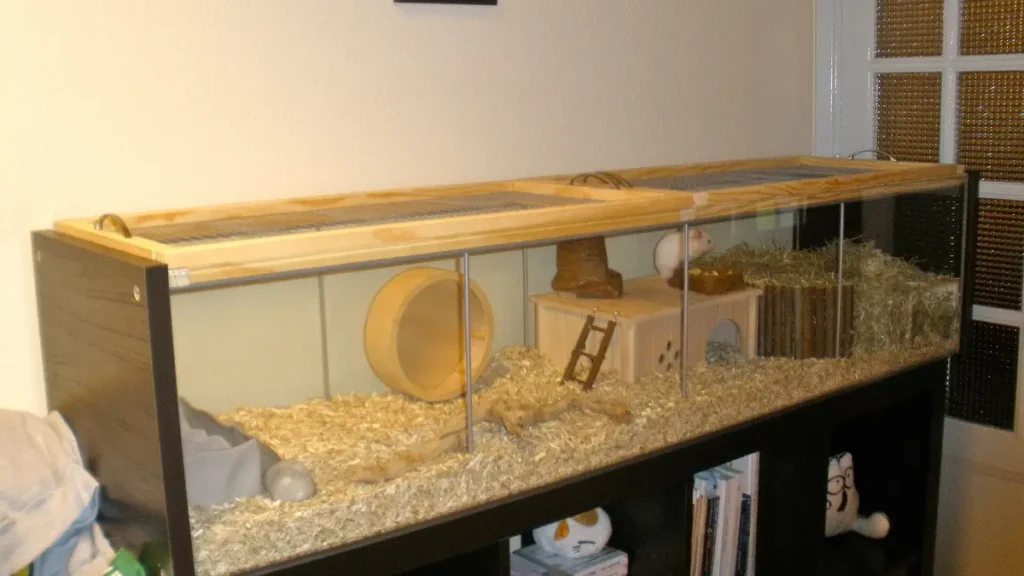
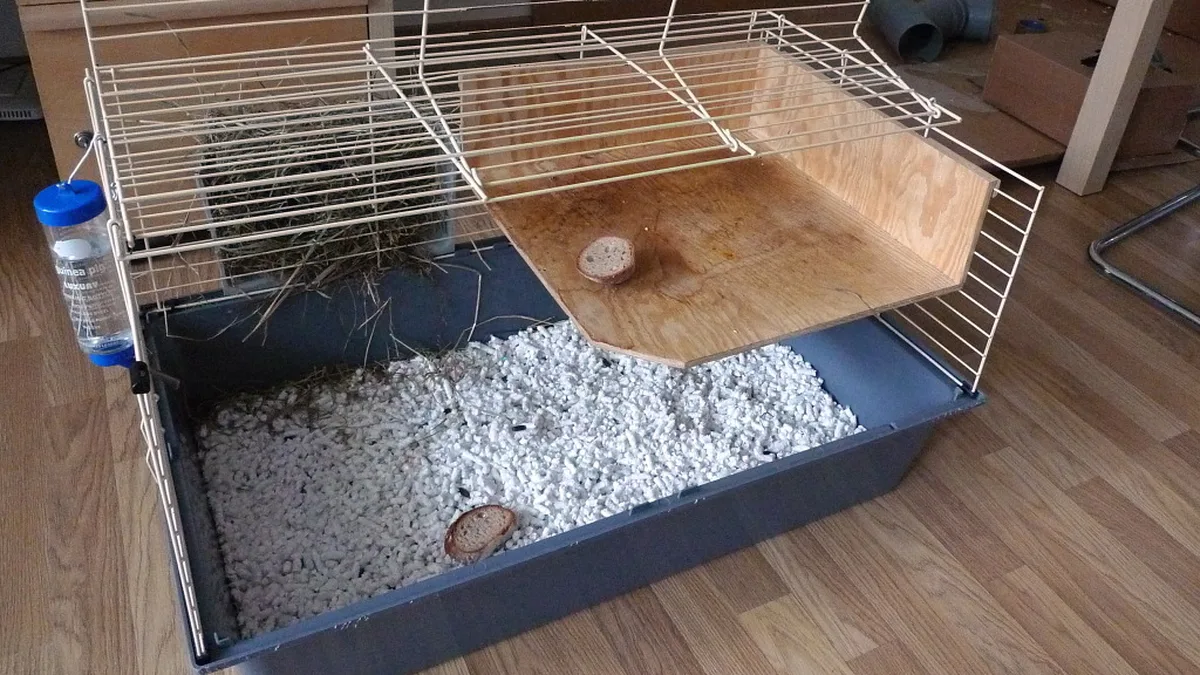
A guinea pig hutch installation startup builds and fits homes for guinea pigs, mostly in gardens and on patios, and sometimes indoors in a spare room or a heated outbuilding. The core product is a wooden hutch with a sleeping area, a feeding area, a ramp and an attached run. Around that core, the startup sells the extras that make the hutch work: weatherproof covers, hay racks, water bottles, bedding starter packs, and a first deep clean a month after handover.
Guinea pigs are different from the other small animals that get hutches. They do not climb the way ferrets do, and they do not jump the way rabbits can. Their legs are short, their backs are fragile, and a fall from a high level can injure them. That changes the whole build. Levels must be low, ramps must be shallow and grippy, and the floor must be flat with no wire mesh underfoot. A startup that copies a rabbit hutch design and calls it a guinea pig hutch will hear about it quickly, because the animals will refuse the ramp or hurt themselves trying.
The customer is usually a family that already owns guinea pigs, or a family about to buy their first pair. They want a hutch that is easy to clean, safe from predators, and big enough for two guinea pigs to run, popcorn and hide. They also want someone to take the measuring and the heavy lifting off their hands. The installer who wins the job is the one who turns up, measures carefully, explains the bedding and cleaning routine in plain language, and leaves a hutch that looks tidy in the garden from day one.
How the nine tools were chosen
Every tool below was chosen because it solves a problem that appears on a real guinea pig hutch job. A tool that only makes pretty pictures did not make the list. A tool that only works in an office did not make the list either. The nine tools cover the full job, from the first site visit to the final invoice, and each one has a clear job that does not overlap with the others.
| Tool | Best for | What it does on the job |
|---|---|---|
| PiggyLevel AI | Multi-level hutch layouts | Plans low, safe levels with the right floor space per guinea pig |
| PiggyRamp AI | Ramp angles and grip | Sets shallow, grippy ramps that short legs can climb safely |
| HayLoft AI | Hay racks and feeding | Places hay racks where guinea pigs can eat without soiling the hay |
| BeddingDry AI | Bedding depth and damp checks | Calculates bedding depth and flags damp spots before they smell |
| PiggyBreeze AI | Ventilation without draughts | Plans airflow that stays fresh without chilling the sleeping area |
| CleanPig AI | Cleaning schedules | Builds spot-clean and deep-clean routines the owner can follow |
| PiggyRun AI | Attached runs | Sizes runs, plans mesh and latches, and predator-proofs the edges |
| PiggyEstimate AI | Estimates and quotes | Turns measurements into a clear fixed quote on site |
| PiggyBooks AI | Jobs and bookkeeping | Tracks jobs, invoices, bedding deliveries and repeat visits |
Design the hutch: levels, ramps and space
Design is where a guinea pig hutch succeeds or fails, and it happens before any timber is cut. The garden decides the footprint, the number of guinea pigs decides the floor space, and the guinea pigs themselves decide the levels and the ramps. Get the design right and the build is straightforward. Get it wrong and no amount of good carpentry will fix a ramp the animals will not use.
1. PiggyLevel AI: the best tool for multi-level hutch layouts
PiggyLevel AI plans the levels inside a guinea pig hutch. You enter the footprint of the garden space, the number of guinea pigs, and whether the hutch will be indoors or outdoors, and it returns a layout with low, usable levels instead of tall, wasted ones. The sleeping level sits low and sheltered. The feeding level sits where the owner can reach it without bending into the hutch. The floor space is worked out per guinea pig, so a pair gets room to run and a group of three or four gets a genuinely bigger hutch, not just a taller one.
The tool is useful because guinea pigs use horizontal space far more than vertical space. A hutch that is tall but narrow looks impressive and works badly. PiggyLevel AI keeps the design honest about that. It flags layouts where the upper level steals floor space from the ground floor, and it suggests moving the upper level to one end so the ground floor keeps a clear run of space for exercise. It also checks that each level has enough headroom for a hidey house and a hay rack, which is easy to forget when you are drawing a hutch on paper.
2. PiggyRamp AI: the best tool for ramp angles and grip
PiggyRamp AI designs the ramps between levels. Guinea pigs need ramps that are shallow, wide and grippy, with sides high enough to stop a fall and a surface that does not slip when it is damp. The tool takes the height between levels and the space available, then works out the gentlest angle that fits. If the angle is too steep, it says so plainly and suggests lowering the upper level or lengthening the ramp instead of hoping the guinea pigs will cope.
The grip calculation is the part installers praise most. A smooth plywood ramp looks tidy and is useless to a guinea pig. PiggyRamp AI recommends grip strips, shallow cleats or a carpet offcut, spaced so small feet can grip without catching claws. It also checks the ramp width, because a ramp that is wide enough for one guinea pig is not wide enough for two passing each other, and guinea pigs do pass each other on ramps, usually at the worst moment.
3. HayLoft AI: the best tool for hay racks and feeding
HayLoft AI plans where hay and food go in the hutch. Guinea pigs eat hay all day, and they need it within easy reach, kept dry, and kept off the bedding where it gets soiled. The tool places the hay rack at guinea pig height, away from the water bottle and away from the sleeping area, and it sizes the rack so it holds a day of hay without needing a refill every few hours. It also plans a separate spot for fresh vegetables, so the daily greens do not end up mixed into the bedding.
The placement matters more than most first-time owners expect. Hay on the floor gets trampled and wet, and then the guinea pigs will not eat it. Hay in a rack that is too high makes them stretch and strain, which older guinea pigs will not do. HayLoft AI finds the middle ground, and it does it for the specific hutch, not for a generic drawing. A two-level hutch gets the rack on the level where the guinea pigs spend the most time, and a hutch with a run gets a second, smaller rack in the run for grazing time.
Keep it dry, aired and clean: bedding, ventilation and cleaning
A guinea pig hutch lives or dies on damp. Guinea pigs produce a lot of urine for their size, and bedding that stays wet grows smell, flies and sore feet. The tools in this section keep the hutch dry, aired and clean without turning the owner into a full-time cleaner. They are the tools that decide whether the customer is still happy three months after installation, long after the new-hutch excitement has faded.
4. BeddingDry AI: the best tool for bedding depth and damp checks
BeddingDry AI calculates how deep the bedding should be and where damp will appear first. You enter the hutch floor size, the number of guinea pigs, and the bedding type, whether that is wood shavings, paper bedding or fleece liners, and it returns a depth and a change interval. A pair of guinea pigs in a large hutch needs a different routine from four guinea pigs in a smaller one, and the tool makes that difference visible instead of leaving it to guesswork.
The damp map is the feature that saves the most call-backs. BeddingDry AI predicts the damp corners, usually under the water bottle and beside the hay rack, and it suggests a waterproof base layer and a slightly deeper bed in those spots. The installer can then show the owner exactly where to check each morning with a quick finger test, instead of handing over a vague instruction to keep the bedding dry. Owners who know where to look catch damp early, and early is the difference between a quick spot change and a full strip-down.
The tool also compares bedding types honestly. Fleece liners look tidy and cost less over a year, but they need regular washing and a dry spare set. Wood shavings are quick to change but need a good supply and a place to store it. Paper bedding is soft and absorbent but can be dusty if it is poor quality. BeddingDry AI lays out the cost, the washing or disposal work, and the change frequency for each option, so the customer chooses with open eyes. That choice matters, because the owner who picks the bedding that fits their routine is the owner who keeps the hutch clean.
5. PiggyBreeze AI: the best tool for ventilation without draughts
PiggyBreeze AI plans the airflow through a guinea pig hutch. Guinea pigs need fresh air to stay healthy, but they chill easily, and a draught across the sleeping area can make them ill. The tool maps where air enters, where it leaves, and where it must not blow directly onto the animals. It places vents high on the sheltered side, keeps the sleeping box solid and enclosed, and checks that the mesh panels let air through without letting rain in.
The difference between ventilation and a draught is direction and speed, and PiggyBreeze AI measures both. It flags designs where the vent and the mesh door line up to create a wind tunnel through the sleeping area, and it suggests moving the vent or adding a baffle board. It also checks the hutch against the garden: a hutch facing the prevailing wind needs a different vent plan from one tucked behind a fence, and an indoor hutch needs a different plan again, because indoor air can be warm but stale.
Summer and winter need different settings, and the tool plans for both. In summer, the hutch needs maximum airflow and shade, so the vents open wide and the cover comes off. In winter, the vents close down, the sleeping area gets extra insulation, and the cover goes on, but the air must still move enough to carry damp away. PiggyBreeze AI gives the owner a simple seasonal setting, one sentence for summer and one for winter, instead of a page of instructions they will not read.
6. CleanPig AI: the best tool for cleaning schedules
CleanPig AI builds the cleaning routine for each hutch. It takes the bedding type, the number of guinea pigs and the hutch size, then returns a schedule with three levels: a daily spot clean, a weekly partial change, and a monthly deep clean. The daily job takes five minutes. The weekly job takes twenty. The monthly job takes an hour and includes washing the base, checking the mesh and oiling the hinges. The owner can see the whole routine on one page, and the installer can talk through it at handover without rushing.
The routine is written for the owner, not for the installer. It says what to remove, what to replace, and what to check, in the order the owner should do it. It tells them to move the guinea pigs to the run first, to check the damp corners BeddingDry AI flagged, and to leave the hutch to dry before putting fresh bedding in. It also tells them what not to do, such as using strong disinfectant near the animals or putting wet bedding back in a damp hutch. A routine that is easy to follow gets followed, and a routine that is followed keeps the hutch healthy.
CleanPig AI also plans the cleaning service the startup sells. The monthly deep clean is a natural repeat visit: the installer brings fresh bedding, checks the ramp grip, tightens the latches and leaves the hutch smelling clean. The tool schedules those visits, reminds the owner the day before, and records what was found, so a loose hinge or a worn grip strip gets fixed before it becomes a problem. Repeat visits like this are the steadiest income in the trade, and they come from a cleaning routine the owner trusts.
Finish, quote and run the job: runs, estimates and bookkeeping
The last three tools finish the job and run the business behind it. A run turns a hutch into a home the guinea pigs can actually live in, a clear quote turns a site visit into a signed job, and simple bookkeeping turns a busy month into a business that pays its bills. None of these tools uses a saw, and all three decide whether the startup survives its first year.
7. PiggyRun AI: the best tool for attached runs
PiggyRun AI designs the attached run. Guinea pigs need grass time every day, and a run attached to the hutch lets them graze safely without the owner carrying them back and forth. The tool sizes the run for the number of guinea pigs, plans the mesh spacing so paws cannot catch, and sets the height low enough to feel sheltered and high enough for a hidey house and a hay rack. It also plans the connection between hutch and run, so the ramp down is gentle and the doorway is wide enough for two guinea pigs at once.
Predator-proofing is the heart of the tool. The mesh must be welded wire, not chicken wire, and it must be buried or skirted at the edges so a fox cannot dig under it. The lid must latch, because cats climb, and the corners must be checked for gaps a small predator can squeeze through. PiggyRun AI produces a checklist of those points for each run, and the installer works through it on site before handover. A run that looks safe and is not safe is worse than no run at all, because the owner trusts it and leaves the guinea pigs out.
The tool also plans for moving the run. A fixed run kills the grass underneath in a week, so the best runs move a little each day onto fresh grass. PiggyRun AI suggests handles, wheels or a light frame that one person can shift, and it marks the new grass position so the owner does not have to guess. That small detail is what makes the run get used every day instead of standing empty in one corner of the garden. Runs for guinea pigs are lower and wider than the runs used in rabbit hutch installation startups, because guinea pigs graze and rest at ground level rather than jumping and climbing.
8. PiggyEstimate AI: the best tool for estimates and quotes
PiggyEstimate AI turns measurements into a quote while the installer is still in the garden. The hutch size, the run size, the bedding starter pack, the cover and the delivery are each priced as separate lines, and the total is shown as one fixed price. The customer sees what they are paying for, and the installer does not have to go home, work out the numbers, and hope the customer still wants the job two days later.
The tool keeps the pricing honest. Materials are priced from the current supplier list, labour is priced by the day, and the extras are priced as extras, not hidden inside the hutch price. If the customer wants to drop the run or add a second hay rack, the quote updates in front of them and the total changes immediately. That transparency stops the awkward haggling that puts customers off, and it stops the installer from underpricing a job and regretting it halfway through the build.
For the startup, the quote is also the record of the job. The measurements, the materials, the price and the agreed date all live in one place, and the same record becomes the invoice when the job is done. Small-pet housing quotes, from ferret hutch installation startups to guinea pig builds, share the same problem: the customer needs one clear fixed price, not a list of maybe-costs. PiggyEstimate AI solves that problem on the first visit, and that is why it pays for itself in the first week.
9. PiggyBooks AI: the best tool for jobs and bookkeeping
PiggyBooks AI runs the business side of the startup. It holds the job list, the invoices, the bedding deliveries and the repeat cleaning visits in one place. When a job is quoted in PiggyEstimate AI, it appears in PiggyBooks AI as a booked job. When the installation is done, the quote becomes an invoice with one tap. When the monthly clean is due, the tool reminds the owner and blocks the time in the diary. Nothing lives on a scrap of paper, and nothing gets forgotten.
The bookkeeping is simple on purpose. Income is the installations, the cleaning visits and the bedding deliveries. Costs are timber, mesh, bedding, fuel and the occasional replacement tool. PiggyBooks AI shows the profit on each job, so the founder can see which jobs pay and which ones do not. A hutch that takes two days and earns the same as a hutch that takes one day is a problem, and the tool makes that problem visible before it eats the month.
The repeat-visit record is the part founders rely on most. Every hutch has a customer, a bedding type, a change interval and a next clean date. The tool turns that record into a steady diary of cleaning visits and deliveries, which is the income that carries the business through the quiet winter months when new installations slow down. A startup with forty hutches on a cleaning round is a stable business. A startup with no repeat visits is a business that starts from zero every Monday.
What to charge and what it costs to start
A guinea pig hutch installation startup is cheap to start compared with most trades, but the numbers still need to be honest. The main costs are a van or a trailer, basic woodworking tools, a stock of timber, mesh, hinges and latches, and the first run of bedding and hay. Most founders start with tools they already own and buy materials per job, so the upfront cost is usually a few hundred pounds or dollars, not thousands.
Pricing should cover materials, a full day of labour, delivery and the handover lesson, with the run and the bedding pack as clear extras. A small hutch for two guinea pigs, fitted and handed over, usually sits at the lower end of the range. A large hutch with a run, a cover and a three-month bedding plan sits at the higher end. The exact figures depend on the area and the timber prices that month, and PiggyEstimate AI keeps them current. What matters is that the price is fixed, written down, and the same for every customer who orders the same hutch.
Outdoor animal housing varies widely in price, and the bigger builds cost far more than a guinea pig hutch. Large outdoor builds such as dog kennel installation startups need concrete bases, drainage and insulation, while a guinea pig hutch needs a level patch of garden and a dry spot for the bedding store. That gap is the startup’s advantage: the work is skilled, the materials are light, and the job fits in a day, so the founder can do more jobs in a week than a kennel installer can.
Your first installation checklist
Use this checklist on every installation, even when the job feels routine. It takes ten minutes at handover and it catches the mistakes that cause call-backs.
- Measure the garden, check the ground is level, and confirm the hutch footprint with the customer before unloading.
- Test every ramp by hand, check the grip strips, and watch the guinea pigs climb up and down at handover.
- Fill the bedding to the depth BeddingDry AI set, check the damp corners, and show the owner the finger test.
- Fill the hay rack, place the water bottle away from the hay, and show the owner the daily top-up routine.
- Check every latch, mesh edge and run skirt, then lock the run and try to lift each panel before leaving.
- Leave the cleaning schedule, the next clean date and the bedding delivery date in writing with the customer.
Frequently asked questions
How much does it cost to start a guinea pig hutch installation startup?
Most founders start with a van or trailer, basic woodworking tools and materials bought per job, so the upfront cost is usually a few hundred pounds or dollars. Ongoing costs are timber, mesh, bedding, hay and fuel. Price every job as a fixed quote and keep a simple record of profit per job from the start.
What size hutch do two guinea pigs actually need?
Two guinea pigs need enough flat floor space to run, turn and hide, plus an attached run for daily grass time. Height does not make up for a narrow floor. Keep the levels low, give the ground floor a clear run of space, and choose a longer, lower hutch when the garden is small.
How steep can a guinea pig hutch ramp be?
A guinea pig ramp should be shallow, wide and grippy, with sides to stop a fall and a flat landing at each end. If the angle feels steep to your hand, it is too steep for short legs. Lower the upper level or lengthen the ramp, and always test it with the animals at handover.
What bedding works best in a guinea pig hutch?
The best bedding is the one the owner will change on time. Wood shavings are quick to change, paper bedding is soft and absorbent, and fleece liners cost less over a year but need washing and a dry spare set. Keep bedding deep in the damp corners and never put fresh bedding into a damp hutch.
Does a guinea pig hutch need a run?
Yes, a run is essential in practice. Guinea pigs need daily grass time and space to run, and a hutch alone is too small. An attached run lets them graze safely, but it must be predator-proof, with welded mesh, a latched lid and buried or skirted edges, and it should move onto fresh grass regularly.
What is the most profitable service for a guinea pig hutch startup?
The monthly deep clean and bedding delivery round is the most profitable service over a year, because it is repeat work from customers who already trust the installer. Installations pay for the day, but the cleaning round pays every month and fills quiet winter weeks.
Bottom line
A guinea pig hutch installation startup succeeds on the details that the guinea pigs notice first: low levels, gentle ramps, deep dry bedding, hay within reach, fresh air without draughts, and a run that is safe enough to leave them in. The nine tools in this guide handle those details without getting in the way of the craft. PiggyLevel AI and PiggyRamp AI plan a hutch the animals will actually use. HayLoft AI, BeddingDry AI, PiggyBreeze AI and CleanPig AI keep it fed, dry, aired and clean. PiggyRun AI, PiggyEstimate AI and PiggyBooks AI finish the job, price it clearly and keep the business running.

Keep what speaks to you.
Leave room for your own perspective.