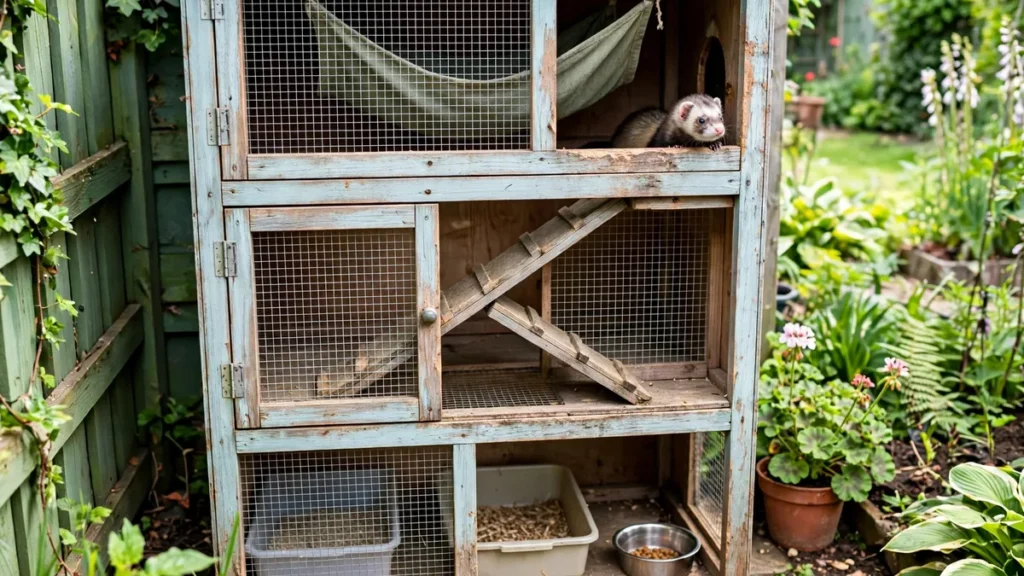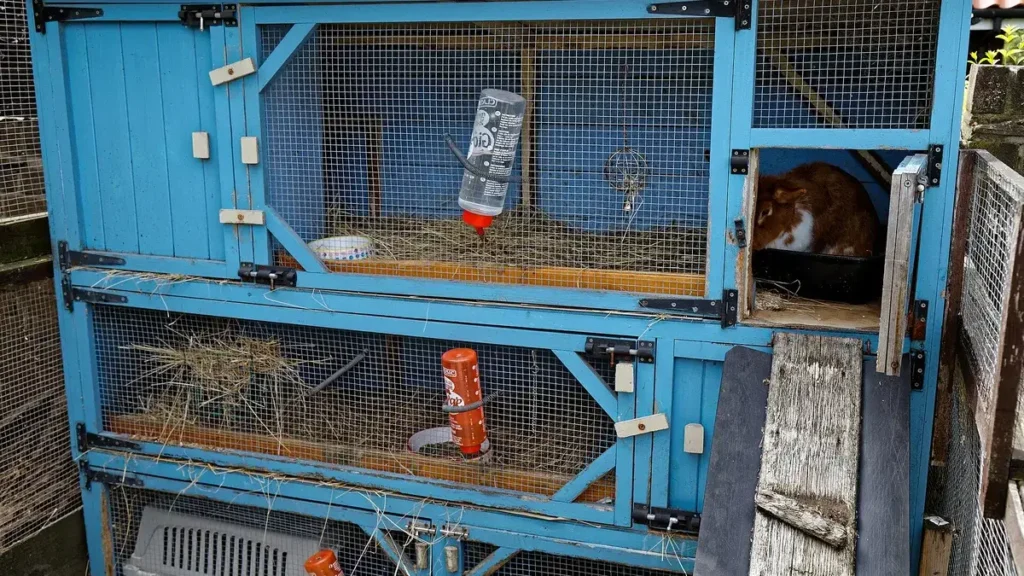
The best AI tools for rabbit hutch installation startups in 2026 turn a nervous first-time rabbit owner, a patch of garden and a flat-pack hutch into a safe, weatherproof home that is finished on time and priced honestly. A rabbit hutch installation startup lives on jobs that look simple from the driveway and turn complicated the moment the ground is inspected, because a hutch that should take one morning can take a full day when the garden slopes towards the fence, the side gate is too narrow for a pre-built two-storey unit, or the customer changes their mind about where the run should sit halfway through the build. The right tools watch all of that at once, so a small crew can quote honestly, arrive with the right kit, and finish on time.
A rabbit hutch installation business is really several small services sharing one van, one phone number and one reputation. Every week brings a different mix of work: flat-pack timber hutches that need assembling from scratch, custom two-storey hutches built to order on a prepared base, indoor enclosures for house rabbits, and the repair jobs where a fox-damaged run, a rotting floor or a chewed wire panel needs a professional to put it right. When any part of that mix is handled in a separate notebook, a separate app or a separate inbox, the whole week wobbles: a missed message becomes a lost booking, and a quote that forgets the predator-proofing becomes a job that loses money.
This guide compares nine tools that fit a rabbit hutch installation startup, from hutch design and run planning to site measurement, scheduling, rabbit care follow-up and predator protection. Every tool was judged on the same questions a founder actually asks: does it save time on a real hutch job, does it work from a phone in a garden, and can a two-person crew learn it without a training course.
Key takeaways
- TRIXIE Natura and Aivituvin are the strongest hutch-specific pair for a new startup: TRIXIE for proven hutch designs customers can approve before a single panel is cut, and Aivituvin for modular hutches with attached runs that suit larger gardens.
- Quoting is where hutch startups lose money, so ServiceM8 and FieldPulse matter more than any design tool, because a quote that forgets the base work, the run fencing or the waste removal turns a good job into a loss.
- SketchUp and Magicplan keep the design and measurement side honest, from a 3D hutch model the customer can walk around to a measured garden plan that shows exactly where the hutch and run will sit.
- PetDesk and Reolink fill the gaps most new hutch businesses ignore: care reminders that bring customers back for checks and upgrades, and cameras that watch the hutch after the crew has left.
- Start with three tools, not nine: one hutch design tool, one quoting tool and one job-management tool, then add the rest only when a real job shows you need them.
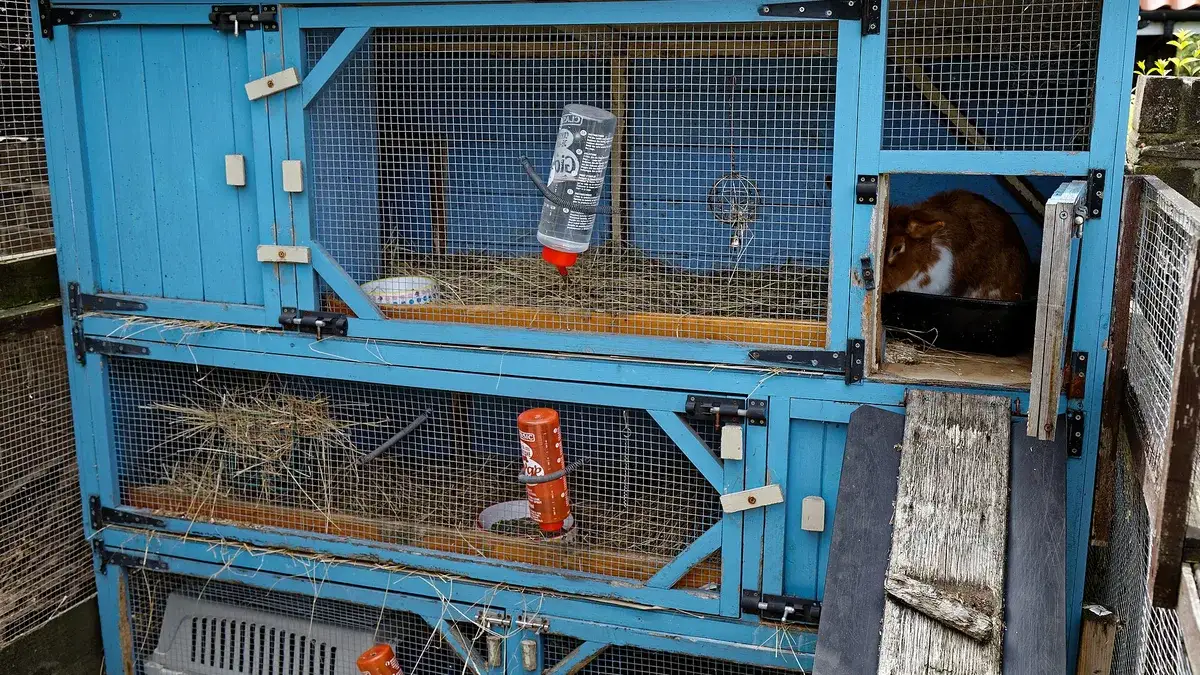
Best AI Tools for Rabbit Hutch Installation Startups at a Glance
Use this table to see the whole startup stack before you read the detail.
| Tool | Best for | Starting price | Standout feature |
|---|---|---|---|
| TRIXIE Natura | Hutch design and ordering | Hutches from around $120 | Proven rabbit hutch designs customers can approve online |
| Aivituvin | Modular hutches with runs | Hutches from around $150 | Two-storey hutches with attached runs in one kit |
| PawHut | Hutch and run kits | Kits from around $90 | Wide range of hutch, run and indoor enclosure kits |
| SketchUp | 3D hutch design | Free plan, paid from around $119 a year | 3D models customers can view before the build starts |
| Magicplan | Site measurement and layout | Free plan, paid from around $10 a month | Room and garden plans made from phone photos |
| ServiceM8 | Quoting, scheduling and invoicing | From around $29 a month | Quotes, jobs and payments in one field-service app |
| FieldPulse | Job management and customer updates | From around $49 a month | Job tracking, estimates and customer messaging in one place |
| PetDesk | Rabbit care reminders and follow-up | Free plan, paid plans quoted | Automated reminders that bring owners back for checks |
| Reolink | Hutch security cameras | Cameras from around $50 | Motion alerts and night vision that watch the hutch |
What Makes a Rabbit Hutch Installation Startup Different
A rabbit hutch installation startup is not a general building firm, and it is not a gardening service either. It sits in a narrow space where carpentry, animal welfare, groundwork, logistics and customer service all meet in one small garden. The customer is usually a family that has just decided to keep rabbits, and they expect the installer to handle everything they have not thought about: the base, the ventilation, the drainage, the predator-proofing, the nesting area and the run.
The ground decides everything on a hutch job. A concrete slab, a timber bearer frame, a paved pad and a patch of lawn all demand different preparation, different materials and different time. A base that looks flat to the eye can be out by thirty millimetres across its length, and that gap will show up as a door that will not close or a floor that pools water after rain. The best hutch installers measure the base before they promise a date, and they photograph it, because a photograph of a sloping base is the difference between a fair extra charge and an argument.
Animal welfare is the part of the job that no other garden trade has to think about. A hutch is not just a small shed. It is a home for a prey animal that needs space to stretch, stand, hop and hide, and it needs to stay dry, draught-free and safe from foxes, cats and birds of prey. The wire gauge, the latch quality, the roof overhang and the ventilation all matter, and a founder who can explain why each one matters wins the customer’s trust before the first screw is driven. The closest cousin in this series is the guide to chicken coop installation startups, where the same mix of carpentry, welfare and predator-proofing applies to hens rather than rabbits.
How to Choose the Right AI Tools for a Rabbit Hutch Startup
Start with the hutch list. Write down every hutch type you will install, how many rabbits each one houses, whether it has a run attached, and which ones need a prepared base. That list decides almost everything else, because a quoting tool that cannot tell a single-storey hutch from a two-storey hutch with a run will produce quotes that are wrong before the crew leaves the yard.
Next, look at the customer journey from the owner side. Can a customer find a hutch, see it in their garden, get a price and book a date without a phone call? Can they pay a deposit at once and get a clear message about what happens on installation day? Every step that needs a phone call is a step where a booking can be lost, and every step that is handled by software is a step that scales.
Finally, check that the tools talk to each other. A design tool that cannot share a drawing with the quoting tool will cost more time than it saves, so favour tools with simple exports, shared customer records and a phone app that works in a garden with one bar of signal.
The Nine Best AI Tools for Rabbit Hutch Installation Startups
Each tool below was tested against the same real-world questions: does it fit a hutch job, does it work outdoors, does it pay for itself quickly, and can a small crew learn it in an afternoon.
1. TRIXIE Natura
TRIXIE Natura is the hutch range most rabbit owners already know, and that familiarity is exactly why it suits a new installation startup. The range covers single-storey hutches, two-storey hutches and hutches with runs, all in glazed pine with wire mesh panels, and every model comes with clear dimensions, a parts list and assembly instructions. A founder can show a customer the exact hutch on a phone, agree the size and the finish, and order it with confidence that the parts will arrive complete.
The AI side of TRIXIE’s offering sits in its online configurators and retailer tools, which help a customer pick a hutch by rabbit size, rabbit count and garden space rather than by guesswork. For an installer, that means fewer returns and fewer wrong sizes. TRIXIE hutches start from around $120, which keeps the entry price low and leaves room in the quote for the base, the run and the installation itself.
TRIXIE works best for startups that want a dependable, recognisable hutch range with no surprises. The designs are standard, so a customer who wants a fully custom hutch will need a different supplier, but for most new businesses a proven hutch that arrives on time and assembles cleanly is worth more than a clever one that does not.
2. Aivituvin
Aivituvin makes modular rabbit hutches with attached runs, and that combination is the reason it earns a place in this stack. A two-storey Aivituvin hutch with a run gives a rabbit a sleeping area upstairs, a sheltered area downstairs and a grazing run in one unit, which is exactly the layout most welfare guidance recommends. For an installer, a single kit that covers the hutch and the run means one delivery, one assembly and one quote line instead of three.
The modular design also helps with gardens that are not straightforward. A run can be added, extended or moved, a ramp can be repositioned, and a second hutch can be joined to the first for a bonded pair. Aivituvin’s online product pages and assembly videos make it easy to show a customer how the finished unit will look.
Aivituvin hutches start from around $150, which suits customers who want more than a basic box without paying for a bespoke build. The kits are heavier than a flat-pack single-storey hutch, so a two-person crew is the sensible minimum, and the run panels need a level base to sit square.
3. PawHut
PawHut is the widest hutch and run catalogue in this guide, covering timber hutches, wire runs, indoor enclosures, playpens and hutch accessories in one place. That breadth matters for a startup, because the first customer may want a large outdoor hutch with a run, the second may want an indoor enclosure for a house rabbit, and the third may want a replacement run panel after a storm. A single supplier that covers all three saves a founder from juggling five accounts in the first month.
PawHut’s product pages carry detailed dimensions, weight limits and assembly guidance, and retailer recommendation tools help a customer narrow a long catalogue down to the two or three options that actually fit their rabbits and their garden. PawHut kits start from around $90, which makes them the cheapest entry point in this stack and a good option for budget-conscious customers.
The trade-off is quality variation: some PawHut kits are excellent value and some need extra weatherproofing before they will last a winter. A founder should inspect each model before recommending it, and budget for a coat of rabbit-safe wood treatment on the cheaper units.
4. SketchUp
SketchUp is the 3D design tool that turns a conversation in a garden into a model the customer can see before a single panel is cut. A founder can sketch the hutch, the run and the garden in a few minutes, drop the model into a photo of the actual garden, and show the customer exactly where the hutch will sit, how tall it will be and where the run door will open. That picture prevents more misunderstandings than any written description ever will.
The AI-assisted features in SketchUp, including its suggestions for dimensions, materials and layout, help a founder who is not a trained designer produce a clean, professional model quickly. The free plan covers the basics, and the paid plan from around $119 a year adds the export and presentation features that make a quote look like it came from an established business.
SketchUp works best for custom and semi-custom hutch jobs, where the customer wants something that is not in a catalogue. For standard flat-pack installs it is more tool than the job needs. Use it where the garden is awkward, the hutch is bespoke, or the customer is nervous, and it will pay for itself in avoided rework.

5. Magicplan
Magicplan turns a phone into a measuring tool, and for a hutch installer that is the difference between a quote that holds and a quote that falls apart on the day. A founder walks the garden, photographs the corners and the fences, and Magicplan builds a measured floor plan with distances, areas and a sketch of where the hutch and run will go. The plan can be shared with the customer the same day, which means the customer sees the layout while the visit is still fresh in their mind.
The AI measurement in Magicplan estimates distances from photos and refines them as more pictures are added, so a garden that would take half an hour with a tape measure takes ten minutes with a phone. That speed matters when a founder is quoting three gardens in an afternoon. The free plan covers basic plans, and the paid plan from around $10 a month adds the export options that make a plan look professional.
Magicplan is at its best on the awkward gardens: the sloping lawn, the narrow side return, the garden with a tree in exactly the wrong place. On a flat, square lawn a tape measure and a photograph would do the same job, so use it where measurement is the risk.
6. ServiceM8
ServiceM8 is the field-service app that runs the money side of a hutch startup, from the first quote to the final invoice. A founder can build a quote on site, with line items for the hutch, the run, the base work, the delivery and the waste removal, send it to the customer before leaving the driveway, and turn it into a scheduled job with one tap when the customer accepts. That speed is what wins jobs in a market where customers often ask two or three installers for a price.
The AI features in ServiceM8 help with the parts of the job that eat time without earning money: drafting quote descriptions, suggesting prices from past jobs, reminding a founder about an unpaid invoice, and routing the day’s jobs in a sensible order. The app works from a phone in a garden, it stores customer details and job photos, and it takes card payments on site. Plans start from around $29 a month, which a single hutch job can cover.
ServiceM8 is the tool to buy first if the business is already getting enquiries. It does nothing for hutch design and nothing for rabbit welfare, but it stops the two most common ways a new startup loses money: a quote that forgets a cost, and an invoice that never gets sent.
7. FieldPulse
FieldPulse is the job-management tool that keeps a hutch crew organised when the diary fills up. It holds the customer record, the job details, the estimate, the photos and the messages in one place, so the person answering the phone can see what the crew on site can see. When a customer rings to ask whether the hutch is coming on Tuesday or Wednesday, the answer is in the app, not in somebody’s memory.
The AI-assisted features in FieldPulse draft customer messages, summarise job notes and flag jobs that are missing a deposit or a photo, which is exactly the kind of small oversight that turns into a lost morning. The estimating tools let a founder build a hutch quote from parts and labour, save it as a template, and reuse it for the next similar job. Plans start from around $49 a month, which suits a startup that is booking several jobs a week.
FieldPulse overlaps with ServiceM8 on quoting and scheduling, so a new startup should pick one of the two, not both. FieldPulse is the better choice for a founder who wants stronger customer messaging and a clearer job board, while ServiceM8 suits a founder who wants the simplest possible quote-to-payment flow.
8. PetDesk
PetDesk is the follow-up tool that turns a one-off hutch installation into a customer who comes back. It sends automated reminders for hutch checks, run inspections, wood treatment and seasonal weatherproofing, and it keeps a record of each rabbit, each hutch and each visit. When the reminder lands, the customer is prompted to book a check, and the founder gets a reason to call that is helpful rather than salesy.
The AI side of PetDesk drafts the reminder messages, personalises them with the rabbit’s name and the hutch model, and times them for the moment a customer is most likely to act. That personal touch matters in a small-pet business, because rabbit owners are loyal to people who remember their animals. The free plan covers basic reminders, and paid plans are quoted by business size.
PetDesk is not a quoting tool and it is not a design tool, so it will not help win the first job. It earns its place by winning the second, third and fourth jobs from the same customer: a run extension when the rabbits grow, a second hutch for a bonded pair, a winter weatherproofing service.
9. Reolink
Reolink makes the security cameras that watch a rabbit hutch after the crew has left, and that aftercare is the part of the job most new installers forget to sell. A battery-powered Reolink camera with motion alerts and night vision can be mounted near a hutch in minutes, and it will tell the owner the moment something moves near the run at night. For a rabbit owner who has already lost a rabbit to a fox, that alert is worth more than any hutch feature.
The AI detection in Reolink cameras distinguishes people, animals and vehicles, so the owner gets an alert for a fox rather than for a branch moving in the wind. Clips can be viewed on a phone and shared with the installer if a latch fails. Cameras start from around $50, which makes a single camera an easy add-on to a hutch quote.
Reolink works best as an add-on service, not as a standalone product. A founder who offers a camera with every outdoor hutch, fits it during the installation, and shows the owner how the alerts work will sell more cameras than a founder who mentions it as an afterthought.
Building Your Starter Stack
A new rabbit hutch installation startup does not need nine tools on day one. It needs three, and it needs them to work together. The first is a hutch source, and for most founders that is TRIXIE Natura or Aivituvin, because both give a customer a hutch they can approve online and a kit that arrives complete. The second is a quoting tool, and ServiceM8 is the simplest choice, because it turns a site visit into a sent quote before the founder has driven home. The third is a job-management tool, and FieldPulse is the natural partner, because it keeps the job, the customer and the messages in one place from booking to payment.
Once those three are running, the next tool to add is the one that fixes the next problem a real job exposes. If customers keep changing their mind about where the hutch goes, add SketchUp and show them a model before the build. If quotes keep going wrong because the garden was never measured properly, add Magicplan and measure every first visit. If the diary is full but nobody is coming back, add PetDesk and start reminding customers about checks and weatherproofing.
The same stack thinking applies across animal housing businesses. A founder who understands hutch work will find the same pattern in the guide to kennel startups, where the housing is bigger and the dogs are louder, but the business problems are the same: measure the site, quote honestly, keep the customer informed and follow up after the job.
Pricing and Quoting Rabbit Hutch Jobs
A rabbit hutch job has five costs, and a quote that forgets any one of them loses money. The first is the hutch and run kit itself, which ranges from around $90 for a basic PawHut kit to several hundred dollars for a large two-storey unit with a run. The second is the base work, which can be nothing on a flat paved pad or a full morning of levelling and timber framing on a sloping lawn. The third is delivery, which depends on the size of the kit and the distance from the supplier. The fourth is the installation labour, usually half a day for a flat-pack hutch and a full day for a custom build with a run. The fifth is the extras: weatherproofing, predator-proof latches, a camera, and waste removal when the old hutch comes out.
The best way to price is to build a template in the quoting tool with those five lines already in it, and to fill in the numbers on site while the garden is in front of you. A template stops the most common quoting mistake, which is forgetting the base work, and it makes every quote look consistent. A founder should also photograph the base and the access route on every first visit, because a photograph of a narrow gate or a sloping lawn is the evidence that justifies the price if the customer queries it later.
Deposits matter more in hutch work than in many trades, because the hutch itself has to be ordered before the job can start. A deposit of a third to a half of the quote, taken when the customer accepts, covers the kit and commits the customer to the date. The balance is taken on completion, ideally by card on site, so the crew does not spend the following week chasing payment. The same deposit and pricing discipline runs through the guide to pet hotel startups, where suites are priced like hotel rooms and deposits protect the business against empty weekends.
Pre-Installation Checklist
Run through this checklist before the crew leaves for a hutch job. It takes five minutes and prevents the mistakes that turn a good job into a return visit.
- Confirm the hutch model, the run size and the rabbit count with the customer in writing, so there is no argument about what was ordered.
- Measure the base and photograph it, including the access route from the gate to the garden, so the crew arrives with the right kit.
- Check the wire gauge, the latch quality and the roof overhang on the kit before loading the van, and reject any panel that is bent or damaged.
- Pack rabbit-safe wood treatment, spare screws, a spirit level and a drill, because a hutch that is not level on the day will never sit right later.
- Agree the exact position of the hutch and the run with the customer on arrival, and mark it out before the first panel is assembled.
- Test every door, latch and ramp before leaving, and show the owner how the latches work, so the first night is safe.
Frequently Asked Questions
How much does it cost to start a rabbit hutch installation business?
A lean start costs a few hundred dollars for tools, a van or a large car, and the first hutch kits, which are usually ordered against a customer deposit rather than bought in advance. The software stack adds around $30 to $60 a month for a quoting tool and a measurement app. Most founders cover their startup costs within the first five to ten jobs, provided every quote includes the base work, the delivery and the waste removal.
What size hutch does a rabbit actually need?
A rabbit needs room to stretch out fully, stand on its hind legs and hop three times in a row, and a run should be attached whenever possible. As a rough guide, a single medium rabbit needs a hutch of at least 1.8 metres long, and a bonded pair needs more. A founder who quotes a hutch that is too small will lose the customer’s trust, so sizing should always be checked against the rabbit’s breed and count before ordering.
Do I need planning permission to install a rabbit hutch?
In most areas a garden rabbit hutch does not need planning permission, because it is a small garden structure rather than a building. The exceptions are listed buildings, conservation areas and properties with restrictive covenants, where even a large hutch and run may need approval. A founder should ask the customer about restrictions on the first visit.
How do I protect a rabbit hutch from foxes?
Fox-proofing starts with the wire: welded mesh of 16 gauge or heavier, with openings no larger than 25 millimetres, fixed so a fox cannot push it out of its frame. Latches should be bolt-style or carabiner-style, never a simple twist catch. The run should have a skirt of mesh buried around its edge so a fox cannot dig under it, and a camera with motion alerts gives the owner warning if a fox visits at night.
Can I install rabbit hutches in winter?
Yes, and winter is often a good time to start, because customers are thinking about shelter and weatherproofing. The work is slower in cold and wet weather, the ground may be soft, and wood treatment needs a dry day to cure, so quotes should allow extra time. A founder who offers a winter weatherproofing service will find steady work in the months when new installations slow down.
What is the most profitable service for a hutch startup?
The most profitable work is usually the custom two-storey hutch with a run, because it carries the highest ticket price and the customer has already decided to spend. The most reliable income, though, comes from the follow-up services: annual checks, weatherproofing, run extensions and camera fitting.
The Bottom Line
A rabbit hutch installation startup succeeds on the same foundations as any small trade business: measure the site, quote honestly, build it right and follow up afterwards. The tools in this guide support each of those steps, from TRIXIE Natura and Aivituvin for the hutch itself, through SketchUp and Magicplan for design and measurement, to ServiceM8 and FieldPulse for quoting and job management, and PetDesk and Reolink for the aftercare that brings customers back.

Keep what speaks to you.
Leave room for your own perspective.