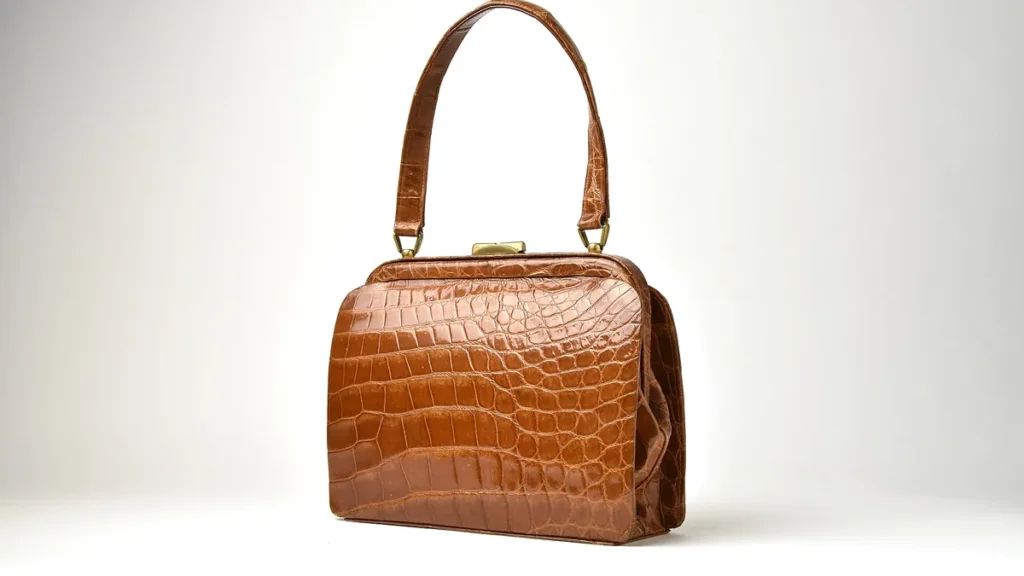
Why I Stopped Buying Designer Bags
I did not stop buying designer bags in one dramatic moment. There was no single purchase I regretted so much that I swore off handbags for life. I stopped slowly, one small disappointment at a time, until the wanting itself started to look strange to me.
For years, a designer bag was the thing I saved for. Not a holiday, not a course, not a cushion for a bad month. A bag. I told myself it was an investment and a reward for hard work.
The First Bag Felt Like an Arrival
I still remember the first expensive bag I bought. I had saved for months, and walking into the shop with the money set aside made it feel responsible. The bag was wrapped carefully, and I carried it out like something fragile and important. For about a week, I felt different.
Then the week passed, and the bag was simply the bag I carried. The feeling of arrival faded, and what was left was an expensive object doing an ordinary job. The feeling I chased did not live inside any bag. It lived in the buying, and buying is a feeling with a very short life.
The Real Cost Was Never Just the Price
People talk about designer bags as though the price is the only cost, and the price is certainly part of it. A bag can cost as much as a month of rent. I knew that comparison at the time. I simply did not let it land. I treated the bag as a separate kind of money, money that did not count in the same way as the money I spent on ordinary life.
But the real cost went further than the price on the tag. There was the worry. I worried about rain, scratches, and leaving it on a restaurant chair. A bag that is supposed to make your life easier should not make you nervous every time you put it down. Mine did. I carried it like something I was afraid of damaging, and that took the pleasure out of owning it.
There was also the cost I only understood later: the opportunity cost. Every bag was money that could not be doing something else. It could not sit in savings, pay down a debt, or fund a trip. I was not just spending money. I was spending the future uses of that money, on an object that sat in a cupboard most of the time.
The Resale Trap
Every time I hesitated over a bag, someone would tell me it was an investment. Designer bags hold their value, they said. Some even go up. You can always sell it later. I repeated that to myself, and it made the purchase feel almost sensible.
The first time I actually tried to sell one, I learned what that promise was worth. The resale price was a fraction of what I had paid, even though I had barely used it. The buyer wanted a discount for a tiny scuff, and the platform took a fee. What came back was so much less than what had gone out that I felt embarrassed, not relieved.
I tried again with another bag and got the same result. The bags that hold their value are a small number of famous styles, in the right colour and condition, bought at the right time. Mine were none of those. A real investment does not quietly lose half its value while it sits in a cupboard. Mine did. Calling them investments had only been a way of giving myself permission to buy them.
The Closet Full of Bags I Did Not Use
One Saturday I took every bag I owned out of the cupboard and laid them on the bed. There were more than I expected, and some I had forgotten entirely.
I counted how often I actually used each one. Two bags did almost all the work. One was a plain bag I reached for every day. The other was a small bag for evenings out. The rest were ornaments, not tools I used, only a collection that cost me money every time it grew.
That afternoon changed how I saw the whole habit. I had not been buying bags because I needed somewhere to put my things. I had been buying them because buying felt like progress. Each new bag was a small ceremony: the saving, the choosing, the carrying home. Then it ended, the bag joined the others, and I started looking for the next one. I had already learned to stop buying things I do not need, but bags had been the exception, the one category where I still let the ceremony override my judgement.
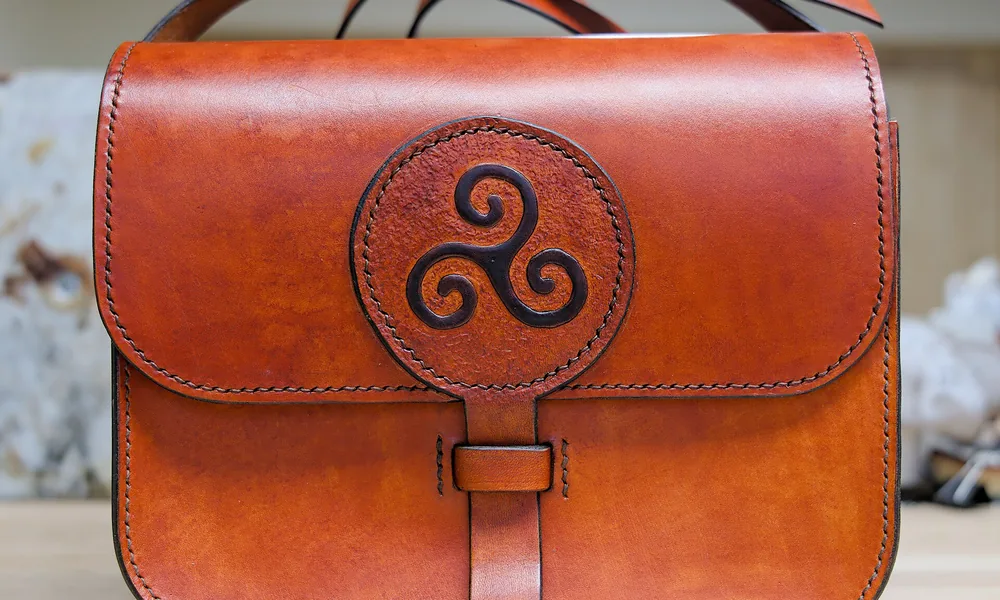
It was the same pattern I had seen in my clothes. When I stopped buying brand-name clothes, I discovered that the label had been doing most of the talking, and the garment itself was often ordinary. Bags were the same. I was paying for a name and the brief feeling of having bought the right thing. The bag underneath was leather and stitching, which does not need a famous name to be good.
What I Carry Now
These days I carry one good bag, and it is not a designer bag. It is plain, well made, and comfortable to carry. It fits what I need, cost a fraction of what my designer bags cost, and I do not worry about it. I put it down without thinking and carry it in the rain. A mark on a bag I use every day is evidence that it is doing its job.
Most people do not look at my bag at all. Other people are not studying my accessories; they are thinking about their own lives.
What I Do With the Money Instead
The money I used to spend on bags has not disappeared. It has gone somewhere I can actually feel it. Some of it goes into savings, where it quietly does the job a bag never could: it makes the next bad month less frightening. Some goes towards things I use every day, and some towards experiences I still remember long after a bag would have been forgotten.
I also stopped measuring myself against other people. When I stopped trying to keep up with everyone else, my spending calmed down in every area, not just bags. The designer bag was the most visible version of that habit. Letting it go meant deciding I did not need a visible signal to prove I was doing well. Doing well is having savings, having choices, and not being owned by the things I own.
A Simpler Rule
My rule now fits on one line: buy the bag, not the name. If a bag is well made, comfortable, and useful, it is worth paying for. If the only reason it costs more is the name on it, I do not pay more. That rule has saved me from more bad purchases than any budget, because it forces me to look at what is in my hands.
I do not judge anyone who still buys designer bags; I felt the pull for years. I am not saying a beautiful bag is a bad thing. For me, it was a very expensive way of buying a feeling that faded in a week, and I have found better uses for the money. The best bag I own is the one I reach for without thinking. It does not need to prove anything to anyone. Neither do I.

Keep what speaks to you.
Leave room for your own perspective.


