
A park ranger’s pay does not come from one job alone. The same uniform covers a surprising range of paid work: summer posts, fire crews, patrols, trail teams, research fieldwork, winter seasons, school programmes, boat work, historic sites and private reserves. Each one pays differently, suits a different kind of person, and peaks at a different time of year.
The ten routes below are all ways to earn money as a park ranger, not stages of one career ladder. Some are steady year-round posts. Others are short, intense seasons that pay well for a few months. For the full picture of getting into the job itself, see how to make money as a park ranger.
1. Work a Seasonal Ranger Post
The classic route is a seasonal ranger post, usually running from spring to autumn. You staff the park day to day: greeting visitors, checking trails, keeping campgrounds running and answering the same questions with a smile. The hourly pay is modest, but the package is better than the headline rate suggests. Many posts include low-cost housing inside the park, a uniform allowance and overtime in the busy summer weeks, so a large share of what you earn can be saved. A good summer in a busy park also builds the record that leads to year-round work.
2. Join a Wildland Fire Crew
Fire season turns rangers into some of the best-paid outdoor workers around. Wildland fire crews clear fuel, cut fire lines, run controlled burns and respond when a wildfire breaks out. The work is hard, hot and sometimes dangerous, and it demands serious fitness and specialist training. The pay reflects that: long shifts, hazard pay and overtime stack up fast during a busy fire season. If you are fit, calm under pressure and happy working in a team, this is one of the fastest ways to lift a ranger’s income in a single season.
3. Patrol as a Law-Enforcement Ranger
Law-enforcement rangers are the park’s police force. They patrol roads and trails, enforce park rules, respond to accidents and emergencies, and deal with everything from lost walkers to wildlife incidents. The role needs extra training, a clean record and a steady temperament, and it is usually one of the better-paid ranger posts. The work runs around the clock, so night shifts, weekends and public holidays bring extra pay. But for rangers who want a higher wage and a clear path to senior posts, the law-enforcement route is the strongest single step up.
4. Join a Paid Trail Crew
Trails do not maintain themselves, and paid trail crews are the people who keep them open. The work covers building boardwalks, repairing washed-out paths, cutting back overgrowth, fixing bridges and clearing fallen trees after storms. It is physical, muddy and deeply satisfying, and it suits rangers who prefer working with their hands to working a desk. Trail crews are usually hired by the park service or by a conservation corps, and posts run for a season or a full year. Pay is hourly and steady, with overtime when storm damage needs clearing fast. Those skills travel: carpentry and chainsaw work learned here are valued on every park.
5. Do Wildlife Survey and Field Research Work
Parks need to know what lives in them, and that counting is paid work. Wildlife survey rangers track animal numbers, monitor nesting birds, check water quality, record plant growth and help researchers with field studies. The work is quieter than patrol or guiding: early mornings, careful notes, long walks with binoculars and a notebook. It suits patient people with an eye for detail and some knowledge of ecology. Pay is usually hourly or a fixed seasonal rate, and specialist skills such as bird identification, bat surveys or water sampling can command more.
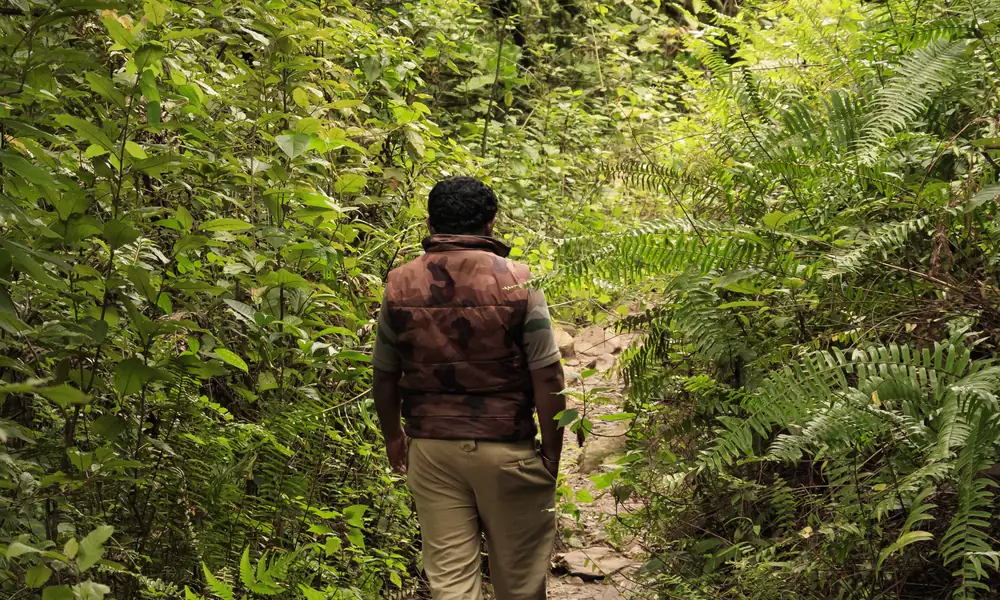
6. Work the Winter Season
When the summer crowds leave, the parks do not close: they change. Winter ranger work covers snow patrols, avalanche checks, winter trail grooming, visitor safety in icy conditions and staffing parks that stay open through the cold months. Some rangers move to ski areas for the winter, working as slope patrollers or mountain safety staff. The trick is planning the year as two seasons rather than one job: a summer park post followed by a winter mountain post can add up to a full year’s income. For ideas on filling the gaps between seasons, see how to make extra money on weekends.
7. Run School and Youth-Camp Programmes
School groups and youth camps are a steady source of ranger income that many newcomers overlook. Parks run education programmes for visiting school parties, and outdoor centres hire rangers to lead activity weeks, nature camps and residential trips for young people. The work mixes teaching with practical outdoor skills: pond dipping, shelter building, night walks and team challenges. Pay is usually a day rate or a seasonal salary, and school term dates make the work predictable. It suits rangers who enjoy working with young people and can hold a group’s attention outdoors.
8. Work on the Water as a Marine Ranger
Not every park is dry land. Coastal parks, lakes and rivers need rangers who work on the water: boat patrols, lifeguarding, checking fishing permits, monitoring water quality and rescuing swimmers and boaters in trouble. Marine ranger work needs extra certificates, such as a boat licence or lifeguard qualification, and it pays more than a standard land post because those skills are scarcer. If you are a strong swimmer who loves being on the water, this route turns that into a proper wage rather than a hobby.
9. Ranger a Historic Site
Battlefields, old houses, castles, mines and industrial heritage sites all need rangers too, and historic-site work pays just as well as nature work. The job blends visitor care with history: opening the site, caring for old buildings and collections, answering questions and keeping the grounds safe. It suits people who love stories and old places more than long hikes, and the work is often less physically demanding than backcountry patrol. Historic sites are usually open all year, which makes this one of the steadier ranger incomes.
10. Take a Resident Post at a Private Reserve or Eco-Lodge
Private nature reserves, wildlife estates and eco-lodges hire their own rangers, and these posts can be among the best paid in the field. The work is similar to public park rangering: wildlife care, guest safety, trail upkeep and guiding visitors around the reserve. The difference is the package. Resident posts often include a house, meals, a vehicle and a share of guest tips, which makes the real income higher than the salary alone. Some lodges pay a premium for rangers with guiding or wildlife qualifications. The trade-off is living where you work, often in a remote spot, and being on call when guests need help. For rangers happy to live on site, it is a route that combines a wage with a very low cost of living.
Which Route Pays Best for You?
There is no single best-paying route: the answer depends on what you are willing to do. Fire crews and law-enforcement patrols pay the most per hour but demand the most training and the hardest conditions. Seasonal posts and school programmes pay less per hour but come with housing and predictable hours. The highest earners mix routes across the year, pairing a summer post with winter work or a specialism that commands extra pay. Start with the route that fits your fitness, your skills and the season in front of you, then add a second one when the first is steady. If animals are your pull rather than landscapes, the best ways to make money as a dog trainer show how another outdoor career can pay.

Keep what speaks to you.
Leave room for your own perspective.


