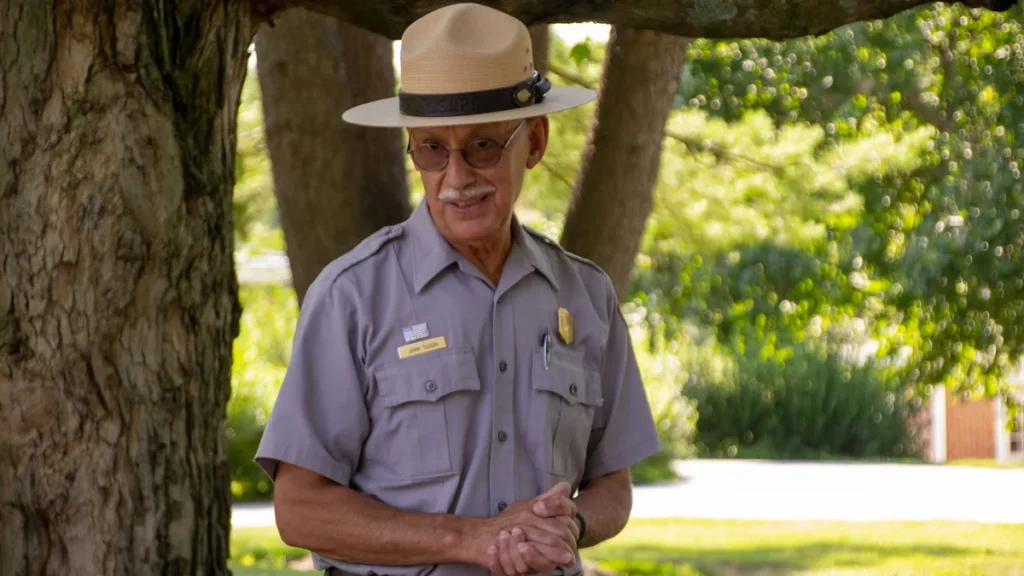
If you love being outdoors and want a job that pays you to protect wild places, becoming a park ranger is one of the most rewarding paths you can take. Rangers patrol trails, teach visitors, protect wildlife, and keep parks safe. The work is physical, seasonal at first, and competitive, but the route in is clearer than most people think.
This guide explains how to make money as a park ranger: the jobs that pay, what they earn, the qualifications you need, where to apply, and how to turn seasonal work into a steady income.
What Does a Park Ranger Actually Do?
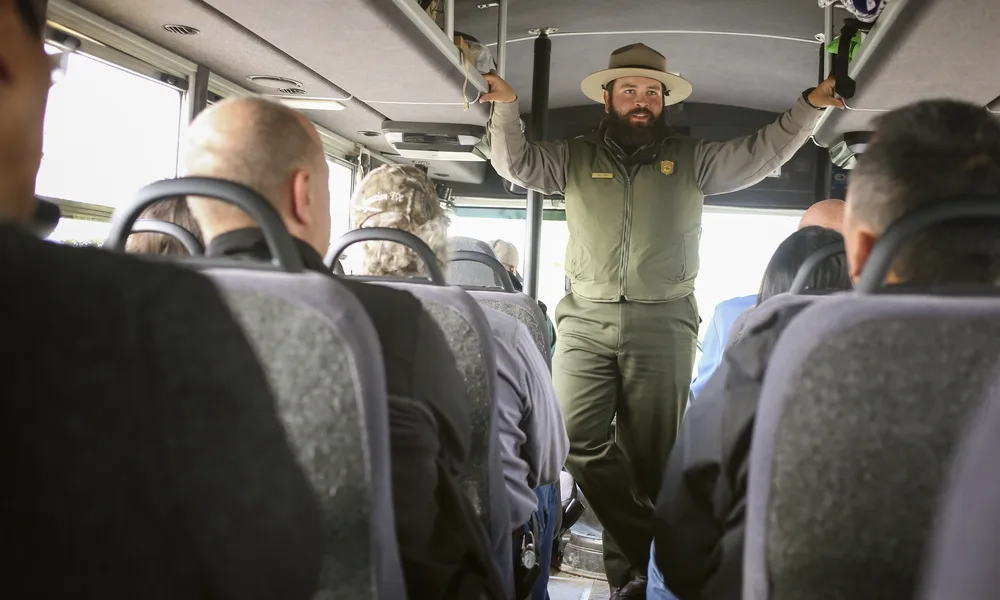
A park ranger is not one job but a family of jobs that share a workplace: public land. Some rangers greet visitors and run campgrounds. Others lead guided walks and teach school groups. Law enforcement rangers patrol the backcountry and respond to emergencies. Resource rangers look after trails, wildlife, and water.
Most rangers do a mix. A seasonal ranger might staff the visitor centre in the morning and lead a guided hike after lunch. That variety is part of the appeal, and it is how the money adds up: different duties can mean different pay grades and overtime.
How Much Do Park Rangers Earn?
Pay depends on the employer, the grade, and the location. Federal rangers in the United States are usually paid on the General Schedule, and most start around the GS-4 or GS-5 level, roughly fifteen to twenty dollars an hour depending on the area. With experience, a full-time ranger can move into the GS-7 to GS-9 range, a comfortable middle income.
State park rangers often earn a little less at the start but may get better housing deals. Private reserves pay on their own scales, sometimes higher for specialist skills. Seasonal rangers are usually paid hourly, and many posts include free or very cheap housing in the park, which is a big part of the real income. Overtime is common in summer.
Step 1: Pick the Type of Ranger Job You Want
Before you apply anywhere, decide which kind of ranger work fits you. The three main routes are federal, state, and private. Federal jobs cover national parks and forests. State jobs cover state parks. Private jobs cover nature reserves and conservation charities.
Within those routes, think about the work itself. If you love talking to people, aim for interpretation or visitor services. If you want physical work outdoors, look at trails and resource management. The law enforcement route is the most demanding and best paid, but it needs extra training and a background check.
Step 2: Check the Requirements
Most ranger jobs ask for a mix of education and experience. A degree in a relevant subject helps a lot: environmental science, biology, forestry, history, recreation, or education are all useful. But a degree is not always essential. Many seasonal posts accept a year or two of college, or equivalent experience.
Other requirements are practical. You will usually need a driving licence, and a clean record matters for law enforcement roles. First aid and CPR certificates are expected for most field posts, and a wilderness first aid certificate makes your application stand out. You need to be fit enough to hike and work in all weather.
Step 3: Build Experience Before You Apply
Ranger hiring is competitive, and experience is what separates the applications that get read from the ones that do not. Start by volunteering. Most parks run volunteer programmes for trail work, guiding, wildlife surveys, and events. Volunteering gives you contacts, a reference, and real stories for your application.
Add useful skills one at a time. A chainsaw certificate, a guiding qualification, or a water safety certificate can each open a different door. Seasonal work in a related field counts too. If you already earn extra cash at the weekend, pick work that builds ranger skills. For ideas, see how to make extra money on weekends.
Step 4: Apply for Seasonal Posts First
Almost every ranger starts seasonal. Seasonal posts run from spring to autumn, usually for three to six months, and they are the standard way into the profession. One summer as a seasonal ranger teaches you more than a year of reading about it.
Apply early and apply widely. Federal seasonal posts are usually advertised in the autumn and winter for the following summer. State parks hire in late winter or spring. Send applications to ten or twenty parks, not two or three, and be willing to go where the work is. Tailor every application to the specific park.
Step 5: Make the Seasonal Income Work for You
Seasonal pay looks modest on paper, but the economics are better than they seem. Most seasonal posts include housing at very low rent, and some add a uniform or meal allowance. With rent covered, you can save a large share of what you earn.
Plan your off season as carefully as your season. Many rangers work a second seasonal job in winter: ski resorts, holiday parks, or outdoor education centres. Look for paid extras inside the park too, such as leading private walks or covering extra shifts.
How to Earn More as a Ranger
Once you have a season or two behind you, there are several ways to lift your income. First, move up the grades. Each season of experience qualifies you for the next grade. Second, specialise. Rangers with scarce skills earn more: law enforcement, search and rescue, and wildlife biology all command higher pay.
Third, guide privately. Experienced rangers often lead paid walks, wildlife tours, or photography trips in their time off. Fourth, teach and write. Rangers who give talks or write guidebooks can earn on top of their salary.
What the Work Is Really Like
Be honest about the trade-offs. Ranger work means early mornings, weekends, and public holidays, because that is when visitors come. It means rain, heat, insects, and long days on your feet, often far from cities. It also means sunrises over empty valleys and wildlife most people never see.
The money will not match a city office job at the start. What it offers instead is low living costs, a job that keeps you fit, and a career that grows with experience. It is also a career with a long tail: rangers often keep working in parks long after a normal retirement age. For what that stage looks like, read these best side hustles for retired park rangers.
Common Mistakes to Avoid
The most common mistake is applying only to famous parks. Everyone wants the same handful of names, so the competition is fierce. Smaller, quieter parks hire more rangers, give you more responsibility, and often teach you faster. The second mistake is waiting until you feel fully qualified. Most rangers learn on the job.
The third mistake is ignoring the off season. A ranger who earns well in summer and nothing in winter is worse off than one who plans both halves of the year. Finally, do not overlook similar outdoor work while you wait. For example, if you are good with animals, the best ways to make money as a dog trainer show how another outdoor career can pay while you build ranger experience.
Your First Season Starts Now
Making money as a park ranger comes down to a simple sequence: pick your route, meet the basic requirements, build experience by volunteering, apply early and widely for seasonal posts, and plan your off season. Each step is small on its own, and together they add up to a career that pays you to be outside.
Start this week. Find your nearest park, ask about volunteering, and check the application dates for next season. The hardest part is getting the first season; after that, the parks start to open up.

Keep what speaks to you.
Leave room for your own perspective.