Glassblowing looks like pure art from the outside: a glowing ball of molten glass, a steady breath, and a vase where there was nothing a minute ago. Behind that magic is a real trade with real bills — furnace fuel, studio rent, raw glass, and hours of skilled labour. If you can shape hot glass, you already hold a skill most people can only watch in wonder. These are the best ways to make money as a glassblower, ranked from the most reliable to the ones that pay off once your name starts travelling.
1. Sell finished glass art online
Selling your own pieces online is the most direct way to earn from glassblowing, and it is where most glassblowers start. Vases, bowls, paperweights, ornaments, and drinking glasses all sell well, because buyers love owning something handmade and one of a kind. Photograph each piece in natural light against a plain background, note its size and colours honestly, and price it to cover your glass, your gas, your time, and the occasional piece that cracks in the annealer. Small ornaments and paperweights are smart starter products: they use less glass, they survive shipping more easily, and they let new buyers try your work without spending a fortune. The same logic works for other handmade crafts, as the best ways to make money as a potter show: start small, sell consistently, and let repeat buyers fund bigger work.
2. Take custom commissions
Commissions are where glassblowing stops being a hobby and starts paying like a profession. A couple planning a wedding may want matching vases, a homeowner may want a pendant light in exactly the right shade of blue, or a business may want branded awards for its staff. Custom work pays more than ready-made pieces because the buyer is paying for something made only for them. Always agree the design, colours, size, price, and delivery date in writing before you light the furnace, and take a deposit of at least half up front. That deposit covers your materials and protects you if a buyer changes their mind.
3. Teach workshops and beginner classes
Teaching is one of the steadiest incomes in glassblowing, because people will pay well for an hour at the end of a blowpipe. Beginner sessions — making a paperweight, a small ornament, or a flower — are popular gifts and date-night activities. Price your classes to cover furnace time, materials, your teaching time, and the fact that some student pieces will not survive. Small groups of four to six people work best: everyone gets enough time at the bench, and you can still watch them all safely. Offer gift vouchers for classes, and you will sell teaching time even in your quiet months.
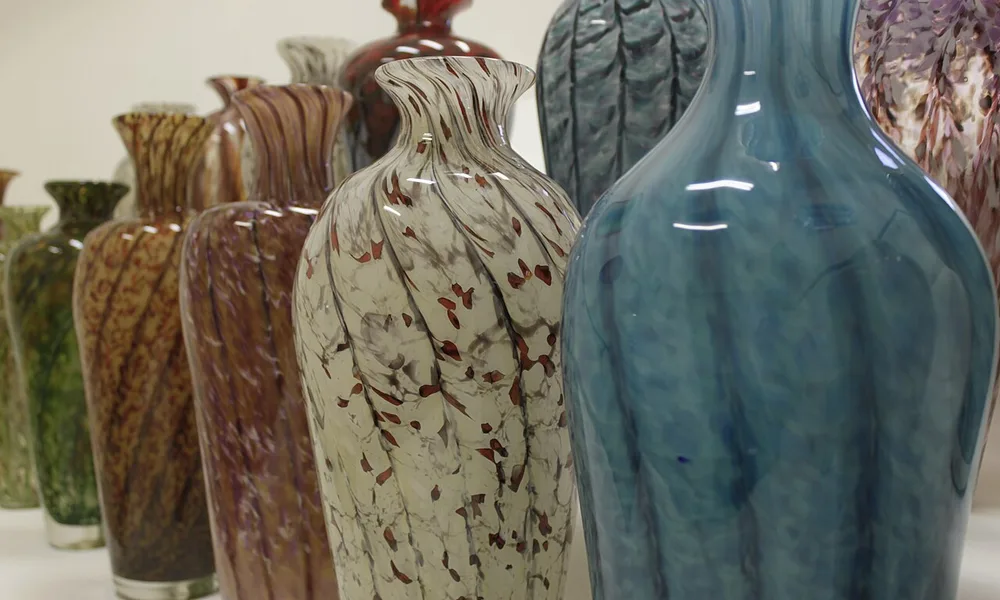
4. Sell at craft fairs and art markets
Craft fairs put your glass in front of people who are already in a buying mood, and nothing sells glass like seeing it catch the light in person. Choose fairs that fit your price range: a small local market suits ornaments and small bowls, while a juried art fair suits larger, higher-priced work. Set up your stall so the light hits the glass — a white cloth and a spot near the edge of a marquee can make an ordinary piece glow. Bring pieces at three price levels so nobody walks away empty-handed: something affordable, a mid-range gift, and one or two showpieces that draw people in.
5. Sell wholesale to galleries and gift shops
Wholesale is less glamorous than selling direct, but it can be the backbone of a glassblowing income. Galleries and gift shops buy in batches and sell your work on your behalf, which means money coming in without you standing at a market stall every weekend. Wholesale prices are usually about half the retail price, so this only works if you can make a run of similar pieces efficiently — a set of twelve matching vases, for example, rather than twelve completely different ones. Start with shops near you, bring a few samples, and leave a simple price list.
6. Make lighting and decor for homes and businesses
Glass and light were made for each other, which is why lighting is one of the most profitable corners of glassblowing. Pendant lights, wall sconces, chandelier drops, and decorative bowls for hotels, restaurants, and offices can sell for far more than tableware of the same size, because the buyer is paying for a feature of the room, not just an object. Like other skilled makers who turn a craft into commissions, the way blacksmiths make money from bespoke work applies here too: the bigger and more personal the piece, the more the client expects to pay, and the more your reputation matters.
7. Offer glass repair and restoration
Not every job involves making something new. Antique dealers, museums, hotels, and private collectors all own damaged glass that needs a skilled hand, from a chipped decanter to a broken chandelier drop. Repair work is fiddly and slow, but it pays by the hour rather than by the piece, and far fewer people can do it than can blow a vase. You will need a steady hand, patience, and honest conversations about what can and cannot be fixed — some pieces can be made beautiful again, and some can only be made stable. Photograph everything before you touch it, and charge for an assessment before you start.
8. Create glass for weddings and special events
Weddings, anniversaries, and milestone birthdays are occasions when people happily spend more than usual, and glass fits them perfectly. Unity glass ceremonies, where a couple blends coloured glass that is later blown into a keepsake, have become a popular wedding feature. Matching sets of drinking glasses, engraved ornaments, table decorations, and guest favours all sell at event prices rather than everyday prices. Events are seasonal, so take bookings well in advance and ask for deposits.
How much can a glassblower actually make?
There is no single salary for a glassblower, because income depends on how you mix these streams. A small ornament might sell for twenty-five to sixty dollars, a large vase for several hundred, and a custom lighting installation for thousands. The glassblowers who earn a living from the craft usually combine at least three of the ways above: direct sales for daily cash, commissions for bigger paydays, and teaching or wholesale for steady income between them. Price every piece as though your time matters — because it does — and raise your prices a little each year as your skill and your name grow.
Getting started without a fortune
You do not need your own studio on day one. Many glassblowers start by renting bench time at a shared studio, assisting an established maker, or taking evening classes until their skills and their customer list are both ready. Sell your first pieces to friends, at local markets, and online, and put the money back into glass and furnace time. Study how other creative makers build a business around handmade work, including the ways freelance illustrators make money from commissions, prints, and teaching, because the business lessons cross over even when the medium does not. Start with one income stream, do it well, add a second when the first is steady, and the hot shop can become a real living.

Keep what speaks to you.
Leave room for your own perspective.