Carpentry is one of the few trades where the skill itself is the business. People always need doors fixed, shelves built and furniture made to fit. The money follows when you treat the work as a process: learn the trade, pick a specialty, buy tools in the right order, find clients who pay on time, and price every job so it leaves a profit. For the pay picture, see the carpenter salary in 2026 guide.
Key Takeaways
- Learn before you earn: an apprenticeship or a year as a helper beats buying tools you cannot yet use well.
- Pick one specialty early and let your reputation grow in that lane.
- Buy hand tools first; add power tools only when a paying job justifies each one.
- Price every job as materials plus labour plus overhead plus margin, and take a deposit first.
Step 1: Learn the Trade Properly
Start with an honest check of your skill level. If you can measure accurately, cut square and fix a door so it closes cleanly, you have a foundation. If you are still learning, that is the work to do first.
An apprenticeship is the strongest route in. You earn while you learn beside experienced carpenters, usually for three or four years, with pay rising as your skill grows. If no apprenticeship is available, take a vocational course, then work as a helper on a building site. Practise measuring, cutting, fitting hinges and locks, and scribing a board to an uneven wall. Wear eye and ear protection, and keep the workspace tidy.
Step 2: Pick a Specialty Early
A carpenter who does a bit of everything is hard to recommend. A carpenter known for one thing gets called for that thing again and again. Choose a specialty once you have tried the main kinds of work.
Framing builds the skeleton of houses, fast and physical. Finish carpentry is the precision end: doors, trim and cabinets where every millimetre shows. Cabinetmaking rewards careful measuring, while remodeling mixes repair and new work inside lived-in homes. Ask local builders what work they struggle to find carpenters for, and let the answer shape your choice.
Step 3: Build Your Tool Kit in the Right Order
You do not need a workshop full of machines to earn money. Start with hand tools: a tape measure, a square, a handsaw, chisels, a hammer, a level and a tool bag. Add a cordless drill, a circular saw and a sander as your first power tools. A mitre saw and a jigsaw come next.
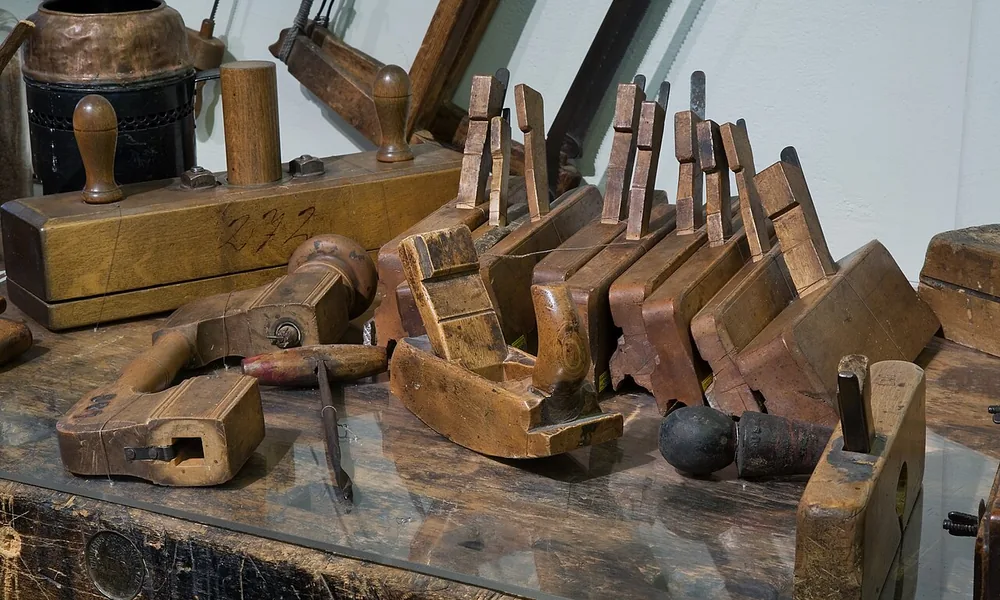
Buy quality for the tools you use every day, and consider good used tools from a reputable second-hand dealer. Keep blades sharp and a small stock of fixings on hand. A reliable vehicle matters too: clients judge you on turning up on time.
Step 4: Get Legal and Protected
Before you charge for your first job, check the rules where you live. Some areas require a trade licence or registration, and some jobs need permits. A quick check with your local authority or a trade association saves far more trouble than it costs.
Insurance is not optional once you work in other people’s homes. Public liability cover protects you if you damage a client’s property, and tool insurance covers the kit you depend on. Use a written agreement for every job, even a small one: the work, the price, the deposit and the start date. Keep copies of every quote and invoice, and set aside money for tax from every payment.
Step 5: Find Your First Paying Clients
Your first clients are usually local, and they find you through people, not adverts. Tell friends, neighbours, builders, plumbers and estate agents what you do. Builders and property managers are the best source of steady work: they will pass you job after job if you answer the phone, turn up on time and finish cleanly.
Small repair jobs are the fastest way to start. Doors that stick and drawers that will not close are jobs larger firms often turn down, and they build a local reputation fast. Charge a fair call-out fee and leave the home cleaner than you found it. Photograph every finished job in good light. The best ways to make money as a carpenter guide compares the main income routes.
Step 6: Price Jobs So You Actually Profit
Use a simple method and stick to it. Add the materials, your labour at a rate you can live on, a share of overheads such as fuel and insurance, and a margin for jobs that go wrong. Say the price clearly and stop talking.
Price by the job, not by the hour, whenever you can. A fixed quote rewards your speed, while hourly pricing punishes you for getting faster. Always visit the site and measure before you quote, and take a deposit of at least half the materials cost before you buy timber. Track your time on every job, and raise your rates when the diary stays full. Other hands-on trades follow the same rule, as the guide to making money as a blacksmith shows.
Step 7: Run the Job Like a Business
Good carpentry gets you hired once. Good business habits get you hired again. Answer messages quickly, confirm the start date the day before, and tell the client at once if a job will run late. Most complaints are about silence, surprise and mess, not the woodwork.
Keep a simple system: a diary for bookings, a folder for quotes and invoices, and a weekly hour for admin. Send the invoice on the day the job finishes. Ask every satisfied client for a review or a referral, and book the next job before the current one ends, so a cancellation never leaves a hole in your week.
A Realistic First Six Months
In the first month, finish your training basics, sort insurance and paperwork, buy starter tools, and build three pieces you are proud to photograph. In the second and third months, take small repair jobs and help an experienced carpenter, and start collecting reviews. In the fourth month, take your first quoted jobs and ask for deposits in writing. In the fifth and sixth months, do more of what worked. Carpentry will not make you rich quickly. It can build a steady income for a person who makes good work, charges fairly and keeps showing up.
Common Mistakes to Avoid
- Quoting without measuring the site first.
- Buying expensive machines before you have the jobs to pay for them.
- Charging by the hour and apologising for the price.
- Taking every job, including ones outside your specialty.
- Skipping the deposit, the agreement or the insurance.
Frequently Asked Questions
How long does it take to start earning as a carpenter?
You can earn from small repair and helper work within weeks, but a full income usually takes a year or two of steady work. An apprenticeship takes longer and pays less at first.
Do I need my own workshop to make money as a carpenter?
No. Repairs, fitting, decks and fences need little more than hand tools, a vehicle and a reliable way for customers to reach you. A workshop helps once you take on furniture and built-in work, but many carpenters earn well for years without one.
The Bottom Line
Making money as a carpenter is a process, not a single trick. Learn the trade, pick a specialty, buy tools in the right order, get your paperwork sorted, find clients through local work and good photos, and price every job to leave a profit. The trade rewards reliability, clean finishes and honest pricing, and a carpenter who delivers on all three rarely has an empty diary.

Keep what speaks to you.
Leave room for your own perspective.