I did not stop buying brand-name clothes because I could no longer afford them. I stopped because I finally admitted what I was actually paying for, and it was not better clothing. It was a small logo, a familiar name, and the brief feeling of having bought the right thing. The shirt itself was often ordinary. The price was not.
For years, my wardrobe worked like a loyalty programme I had never signed up for. I bought the same labels again and again because they felt safe. If the name was known, the purchase felt justified, and nobody could question a shirt with a famous label, including me.
The change happened slowly, one disappointing purchase at a time. An expensive jumper that lost its shape after three washes. Jeans that cost four times more than the last pair and felt exactly the same. A T-shirt I bought mainly for the logo on the chest, which I then spent the whole day aware of, as if I were wearing an advertisement I had paid to carry.
The Label Was Doing the Talking
The first thing I had to admit was that the label was doing most of the talking. When I picked up a branded item, I was not really judging the fabric, the stitching, or the fit. I was judging the name. The name told me the item was good before I had even tried it on. That shortcut saved me thinking, and it cost me money.
It also changed how I felt about clothes I already owned. A plain, well-fitting shirt that cost very little could feel somehow less than a branded one, even when it looked better on me. I had trained myself to see value in the label rather than in the garment.
Once I noticed that, I started turning items inside out in shops. I checked the seams, pulled gently at the stitching, and felt the fabric. More often than I expected, the expensive branded version was thinner or worse finished than the cheaper one beside it. The label had been covering for the garment, not guaranteeing it.
The Moment the Maths Stopped Adding Up
The turning point came with a coat from a brand I admired. I thought about it for weeks before buying it, felt proud for about a day, and then watched the lining pull, the pockets sag, and the cuffs fray within a month.
That evening I did the maths. The coat had cost as much as five good, plain coats, but it had not lasted five times longer or kept me five times warmer. I had paid for the name on the inside label, and nobody except me ever saw it.
That was when I stopped asking whether a brand was worth it and started asking a different question: what am I actually getting for this money? If the answer was better fabric, a better fit, or a longer life, I would happily pay more. If the answer was only a logo and a feeling, I put it back. That one question quietly changed my whole wardrobe.
What I Wear Instead
These days, I buy clothes the boring way: fabric first, then fit, then finish. Cotton that feels solid, seams that lie flat, buttons sewn on properly, a cut that suits my shape rather than the shape on the shop poster. None of that needs a famous name. The famous name often gets in the way, because it asks me to stop looking and start trusting.
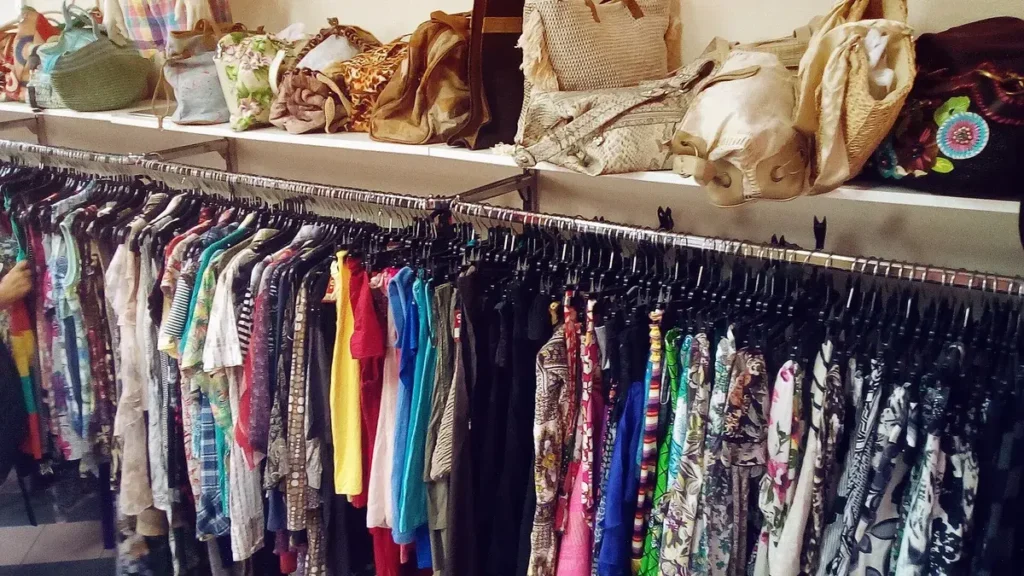
I also buy far more from second-hand shops and smaller, unbranded sellers. A second-hand rail is the best test of what brand names are really worth, because the label is still there but the price has collapsed. I have found beautifully made jackets and coats there for a fraction of their original price, beside branded items that were falling apart.
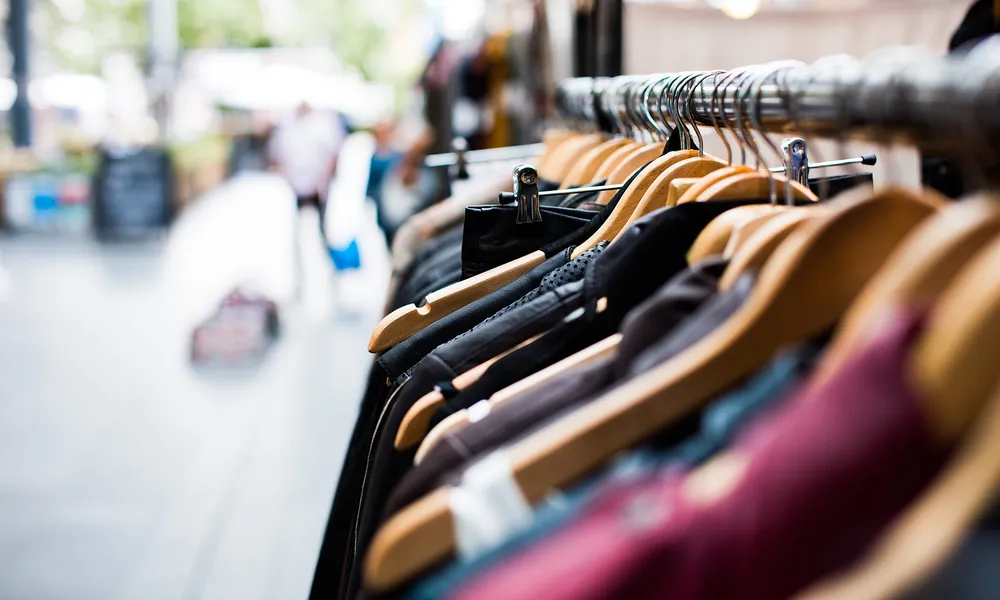
I keep my wardrobe smaller now, too: fewer pieces, but pieces I actually wear. When every item has to earn its place by fitting well and lasting, the label stops mattering. Nobody has ever asked me what brand my favourite shirt is. They have only said it looks good, which is the whole point of clothing.
The Quiet Part Nobody Mentions
There is a quieter reason I stopped, and it took me longer to admit it. Buying brand names was a way of asking other people to approve of me without saying anything. The logo did the talking: I have taste, I have money, I belong. It was a shortcut to confidence, and it faded as soon as I left the shop, so I needed another purchase to top it up.
That is a different problem from the one I described earlier, and it is worth naming honestly. When I stopped trying to keep up with everyone else, my spending calmed down in every area, not just clothing. The branded clothes were simply the most visible version of that habit. I was dressing for an audience that was not really looking, and paying a premium for the privilege.
Letting go of that was about deciding my clothes should serve me, not the other way around. A shirt should keep me comfortable, fit well, and last. It should not need to prove anything to a stranger. Once I accepted that, the shop windows stopped feeling like instructions.
What Changed in My Money
The financial difference has been bigger than I expected, and it has come from small decisions. A shirt that costs a quarter of the branded version but lasts just as long is not a compromise. It is a saving, repeated every time I need something new, and over a year those savings added up to real money.
I notice it most at the end of the month. There is less of that low-level guilt that used to follow a shopping trip, the feeling that I had spent too much on something I did not really need. I had already learned to stop buying things I do not need, and the branded clothes were the last holdout, the one category where I still let the label override my own judgement. Closing that gap made my spending feel consistent for the first time.
I still buy nice things, and I enjoy them. The difference is that now I buy them because the item itself is good, not because the name is loud. If a well-made piece happens to carry a known label, I will still buy it. The label is no longer the reason, though, just a detail I am happy to ignore.
A Simpler Rule for the Rail
My rule now fits on one line: buy the garment, not the name. If I cannot tell why something costs more without reading the label, I do not pay more. That rule has saved me from more bad purchases than any budget ever did, because it forces me to look at what is actually in my hands.
It has also made shopping less tiring. Shopping used to be my default way to fill a free afternoon, and the branded stores were the brightest part of that habit. Now I shop with a short list, and I leave when the list is done. The clothes I bring home get worn, not stored.
I still like looking good, and I still like a well-cut coat and a shirt that fits properly. I have simply stopped believing a famous name is the way to get there. The best-dressed people I know are not the ones with the most logos. They are the ones whose clothes fit and who look comfortable in what they are wearing. That comfort is free, and no brand can sell it to you. I know, because I spent years trying to buy it.

Keep what speaks to you.
Leave room for your own perspective.