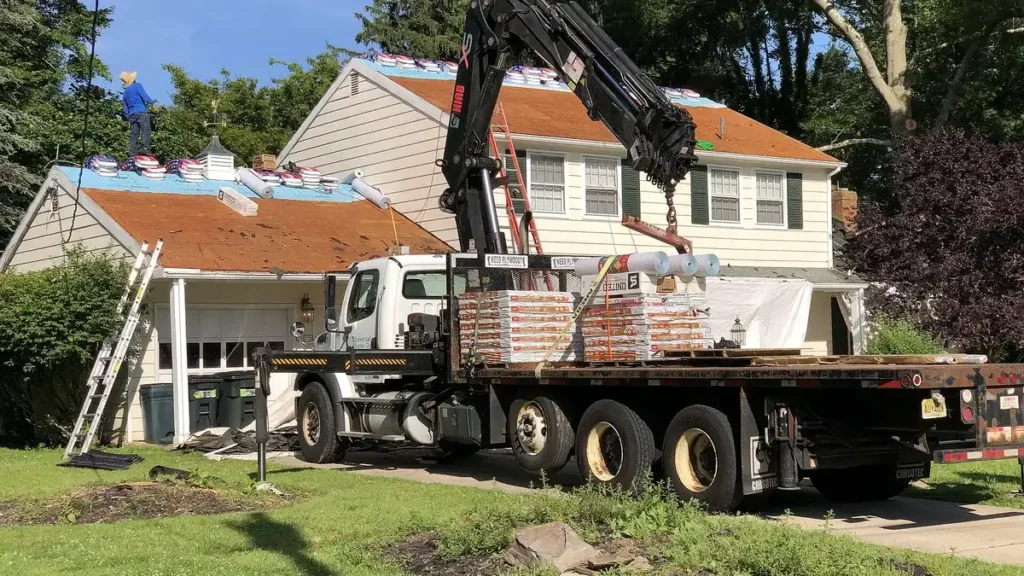
A new roof is one of the most expensive jobs a homeowner ever pays for, and one of the easiest to overspend on. The first quote is rarely the whole story: tear-off, disposal, underlayment, flashing, permits, and repairs to the deck underneath can add thousands to a job that looked straightforward.
Key Takeaways
- Confirm whether you need a full replacement or a repair before you ask for quotes.
- Get at least three quotes for the same materials, the same scope, and the same warranty.
- Compare the total cost per year of service, not the lowest headline price.
- Pay in stages, keep the contract in writing, and inspect the finished roof before the final payment.
1. Check Whether You Need a Full Replacement
The biggest saving of all is not paying for a new roof you do not yet need. A roof leaking in one place, or with a small patch of damaged shingles after a storm, may only need a repair. A roof near the end of its expected life, with widespread curling, missing granules, soft decking, or leaks in several rooms, is a different matter.
Look in the attic first. Daylight through the boards, damp insulation, and dark stains on the underside of the deck all point to water getting in. From the ground, look for shingles that are curling, cracked, or missing.
2. Get at Least Three Like-for-Like Quotes
One quote tells you nothing about the market. Three quotes for the same job tell you a great deal. The point is not to pick the lowest number, but to find out what the job should cost and where the numbers differ. A quote far below the others usually means something has been left out, and that something will appear later as an extra charge.
Give every roofer the same information: the size of the roof, the material you want, whether the old roof is to be stripped, and what you expect for underlayment, flashing, vents, and disposal. Ask each one to break the price down into labour, materials, tear-off and disposal, permits, and decking replacement. The habit of comparing full prices before you commit helps with any large home purchase, and our guide to why I only buy things on sale explains how waiting for the right moment and refusing the first price can cut the cost of big buys.
3. Choose the Material for Value, Not Just Price
Materials drive a large share of the final bill, and the cheapest option is rarely the cheapest over time. Asphalt shingles are the most common choice because they cost less up front and suit most houses. Architectural shingles cost more than basic three-tab shingles, but they last longer and cope better with wind, so they often work out cheaper per year. Metal roofing costs much more to install, yet it can last twice as long as asphalt, which makes it worth pricing for a home you plan to keep.
Work out the cost per year rather than the cost on the day. A 12,000-dollar roof lasting twenty years costs about 600 dollars a year, while a 9,000-dollar roof lasting twelve years costs 750 dollars a year. Spend the money where it protects the house: good underlayment, sound flashing around chimneys and valleys, and proper ventilation. A sound roof also helps the rest of the house, and our guide to the best ways to save money on heating your home shows how sealing drafts can cut bills once the roof is sound.
4. Time the Job Well
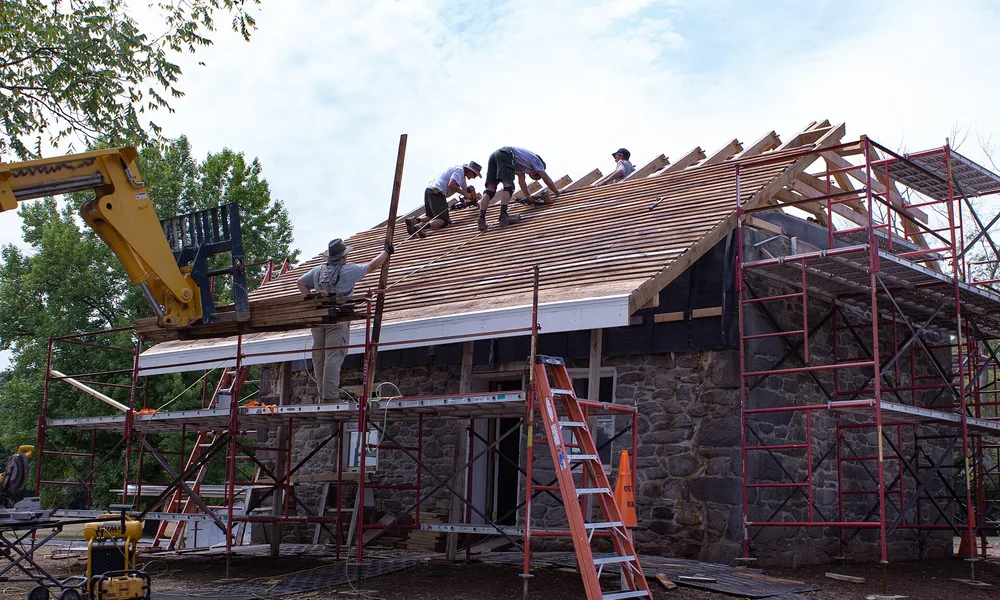
Roofing prices move with the seasons. Late spring and summer are the busiest months, when crews are booked weeks ahead and have little reason to discount. Late autumn and early winter are often quieter in many areas, and a roofer with a gap in the diary may price more keenly to fill it. Ask local roofers when their quiet season falls rather than assuming it.
Emergency work is the most expensive kind. A roofer called out after a storm, on a weekend, or to stop an active leak will charge for the urgency, and you will have no time to compare quotes. If the roof is leaking but the house is not in danger, a temporary repair and a tarp can buy you the weeks you need to get proper quotes. The same timing habit pays off on other large purchases, and our guide to how to save money on a new mattress shows how waiting for a seasonal sale can cut hundreds from a big household buy.
5. Compare the Total Cost, Not the Headline Price
The headline price is the least useful number on a roofing quote. Two quotes can differ by thousands while describing the same roof, because one includes everything and the other leaves half the job out. Read every line. Tear-off and disposal, replacement decking, underlayment, flashing, drip edges, ridge vents, and permits are all real costs, and they should all appear on the quote.
Decking is the most common surprise. A roofer cannot see the full condition of the deck until the old shingles come off, so most quotes allow for a small amount of replacement and charge extra beyond that. Ask what the rate is per sheet, how many sheets are included, and what happens if more are rotten. A quote with a fair decking rate and a clear allowance is better than a low quote with an open-ended charge.
6. Ask About Insurance, Rebates, and Payment Options
Before you pay for the whole job yourself, check whether anyone else should share the cost. If the roof was damaged by a storm, hail, or a fallen tree, your home insurance may cover part or all of the replacement, minus your excess. Tell your insurer promptly, take photographs of the damage before any repair, and keep every quote and receipt.
Ask the roofer and the manufacturer about rebates and discounts. Some manufacturers offer rebates on certain shingles, and some areas offer help for energy-efficient roofing. Be careful with financing, though: a roofer who offers payment over several years is usually selling a loan as well as a roof, and the interest can add thousands to the real cost. Compare it with a loan from your bank and work out the total you will repay, not just the monthly figure.
7. Put It in Writing and Check the Finished Roof
Never agree to a roofing job on a handshake. The contract should name the materials by brand and type, the scope of the work, the start and finish dates, the total price, the payment schedule, and the warranties for labour and materials. It should state who removes the old roof, who disposes of it, who pays for permits, and what happens if extra decking is needed.
Pay in stages, and keep the final payment until the job is finished and checked. Before you pay the balance, walk around the house and look for straight shingle lines, tidy flashing, sealed vents, and clean gutters, then check the attic for daylight or damp patches. Keep the contract, the warranty papers, and the receipts in one place.
The Cheapest Roof Is the One You Only Pay For Once
Saving money on a new roof is mostly a matter of slowing down at the start. Check whether you need a replacement, get three honest quotes for the same job, choose a material that lasts, and time the work for a quieter season. Compare the total cost, ask about insurance and rebates, and keep everything in writing. Start this week with the inspection, and if the roof is near the end of its life, ask three local roofers for a detailed quote and compare them line by line.

Keep what speaks to you.
Leave room for your own perspective.