I have one shopping rule: I only buy things on sale. If it is not discounted, I walk away. I made it three years ago, after a coat I loved went on sale for almost half price days after I had nearly paid full price for it.
That moment changed how I shop. I still shop, and I still buy the things I like. I simply stopped paying the first price I was shown. The rule is not about being cheap. It is about refusing to pay more than I have to for things I was going to buy anyway.
Three years in, it has saved me real money. Here is how it works, what it saved, and what I never pay full price for, as I share it on Face Zem.
Key takeaways
- I only buy things on sale, and the discount decides when I buy, not my mood.
- The rule works because I wait for planned purchases instead of chasing random bargains.
- Fake discounts are the biggest trap: a crossed-out price means nothing alone.
- A sale price is only a saving if I needed the thing in the first place.
- Clothes, shoes, homeware and gifts are never full price here; a few things still are.
How the Rule Started
The coat was the turning point. I bought things the moment I wanted them and paid whatever the tag said. That winter I started watching prices instead of just paying them. The coat dropped by forty percent, my favourite trainers by a third, and the bedsheets I needed went on sale twice in two months.
What the Rule Actually Is
The sale-only rule is a waiting rule, not a shopping rule. I keep a running list of things I need or genuinely want, and I buy them only when the price drops. I set a target price for bigger items first, and if the price never reaches it, I keep waiting.
What It Saved Me in a Year
In the first full year, I added up the difference between what I paid and what I would have paid at full price. The total was just over a quarter of my usual spending on clothes, shoes and homeware, enough to cover a short holiday. Waiting changed what I bought too. About a third of the things on my list never got bought at all.
The First Trap: Fake Discounts
The biggest trap is the fake discount. A tag shows eighty crossed out and forty underneath. But the crossed-out price is often one the item was never really sold at. I compare it with other shops and with its price when I first listed it. My test is simple: would I be happy with this price if there were no crossed-out number next to it?
The Second Trap: Buying Things I Do Not Need
The second trap feels like winning. A sale price on something I never wanted still feels like money saved, but it is money spent. My drawer proves it: a gadget I used twice, a top I never wear, glasses that do not fit my cupboard. Seventy percent off something I do not need is still a hundred percent wasted. Before buying I ask: what will this replace?
The Third Trap: Sale Brain
Sale brain is when the discount starts making the decisions. A countdown says the offer ends tonight, the assistant says it is the last one in my size, and suddenly I am in a hurry. I slow down on purpose: I leave the shop or close the tab and give myself a day. I also set a monthly cap: when it is gone, it is gone.
What I Never Pay Full Price For
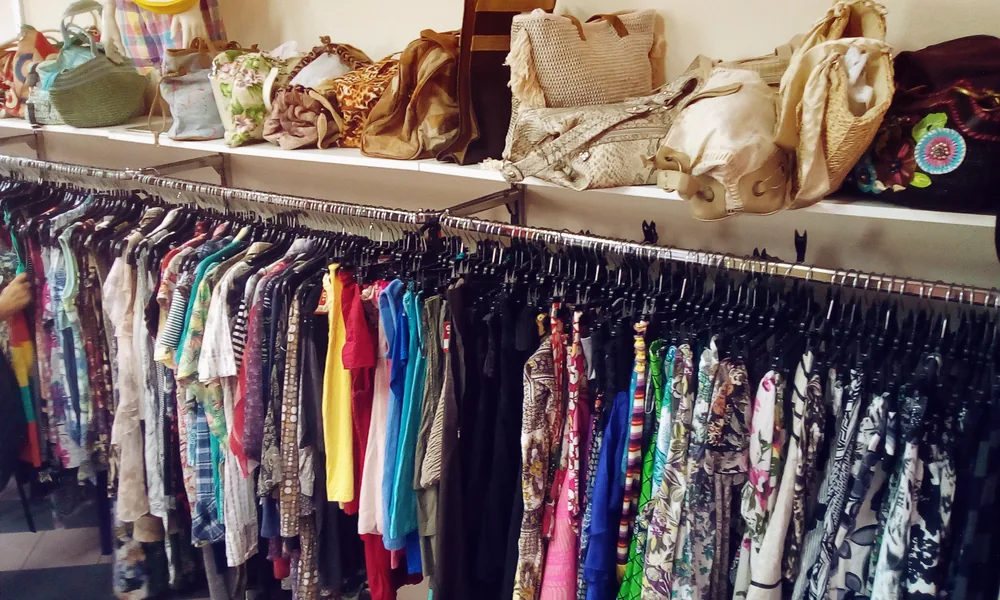
Clothes top the list. Almost everything I wear was bought on sale, because clothes go on sale constantly. Shoes, homeware, bedding and towels are the same. I buy gifts on sale all year and keep them in a cupboard. For more ideas, see these best ways to save money on clothes.
What I Still Pay Full Price For
The rule has limits, and I am honest about them. I pay full price for health and safety, for anything urgent, and for work by small makers where the price is already fair. I pay full price for things that rarely go on sale and that I need now. The rule covers things that go on sale all the time.
How I Shop a Sale Without Losing the Plot
I keep the list on my phone, check prices once a week, and buy only when the price hits my target. Bargain hunting starts with the discount. My rule starts with the list. That habit matters more than any purchase, as I wrote in why I stopped shopping for fun.
Here is the checklist I run through before I buy anything on sale:
- Is it on my list, or did the sale put it there?
- Is the sale price genuinely lower than the usual price elsewhere?
- Would I buy it at this price with no discount sign in sight?
- Does it replace something worn out, or fill a real gap?
- Can I afford it inside this month’s spending cap?
- Will I still want it in three months, or is this sale brain talking?
If the answer to any of those is no, I do not buy it. Thirty seconds, and it has saved me from more bad purchases than any discount.
Sale Price vs Full Price: An Honest Comparison
Not every sale is worth waiting for. Here is my honest comparison.
| What I compare | Buying on sale | Paying full price |
|---|---|---|
| Price | Lower, often by 20 to 50 percent | Highest price, paid for speed |
| Choice | Smaller range, sizes may be gone | Full range and all sizes in stock |
| Timing | I wait weeks for the right price | I buy the day I want it |
| Risk | I may buy things I do not need | I may overpay for things on sale soon |
| Best for | Clothes, shoes, homeware and gifts | Urgent needs and fairly priced local goods |
Need it today? Full price is right. Can you wait? The sale price usually is.
Frequently Asked Questions
Does buying only on sale really save money?
Yes, but only for planned purchases. If sales make you buy extras, you will spend more, not less.
How long do you wait for a sale?
Usually weeks, sometimes months for bigger items. Clothes and homeware go on sale often, so the wait is rarely long.
What if the sale item sells out before you buy it?
It happens, and I let it go. There is almost always another sale. Missing a deal is not a loss; panic-buying the wrong thing is.
Do you use coupons and cashback too?
I do, when they stack with a sale. A coupon is only useful if the item is on my list and the final price beats the usual price.
Is the rule different for second-hand shopping?
Same idea: pay less than new for something you need. I wrote about why I only buy second-hand separately.
What is the hardest part of the sale-only rule?
Patience. The hardest moment is walking away from something you love at full price. It gets easier with practice.
Bottom Line
It is the simplest money rule I have ever kept. It saved me a quarter of my spending on clothes, shoes and homeware. The list, the target price and the checklist keep it honest. Take the list: write down what you need, set your price, and let the sale come to you.
Note: This is my personal experience, not financial advice. Take the parts that suit your life, and leave the rest. Face Zem is where I share the money habits that work for me.

Keep what speaks to you.
Leave room for your own perspective.