Looking sharp does not have to mean spending a fortune. Clothes are one of the easiest places to overspend, because a new season, a sale sign, or a scroll through social media can make a full wardrobe feel out of date overnight. The truth is simpler: most people already own more than they wear.
The best ways to save money on clothes all share one idea. Buy less, buy better, and make what you own last longer. That means shopping with a plan, knowing when prices drop, trying second-hand first, and taking simple care of the clothes you already have. This guide walks through ten practical ways to do exactly that.
Key takeaways
- Shop with a list and a budget, and wait a day before buying anything not on it.
- Second-hand shops, swaps, and end-of-season sales are the cheapest way to find quality clothes.
- A small wardrobe of versatile pieces beats a full closet of clothes you rarely wear.
- Simple care — washing cold and fixing small damage early — makes clothes last years longer.
- Fit and fabric matter more than brand names when you want to look sharp for less.
The 10 best ways to save money on clothes
1. Shop your closet first
Before you buy anything new, take a proper look at what you already own. Pull everything out, try on the pieces you have forgotten, and set aside anything that does not fit or that you have not worn in a year. A simple mix of old pieces can feel like a new wardrobe.
2. Make a list and set a clothing budget
Decide what you actually need before you shop, then write it down. A short list — one pair of dark jeans, two plain shirts, a warm jumper — stops impulse buys and keeps the trip focused. Pair the list with a small monthly clothing budget, and stop shopping when it is gone.
3. Try second-hand and thrift shops first
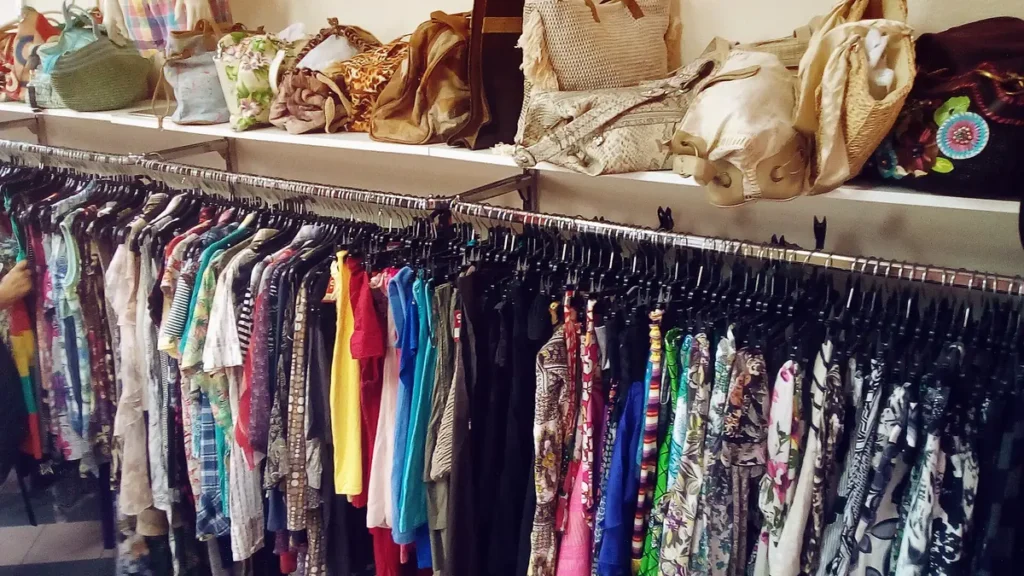
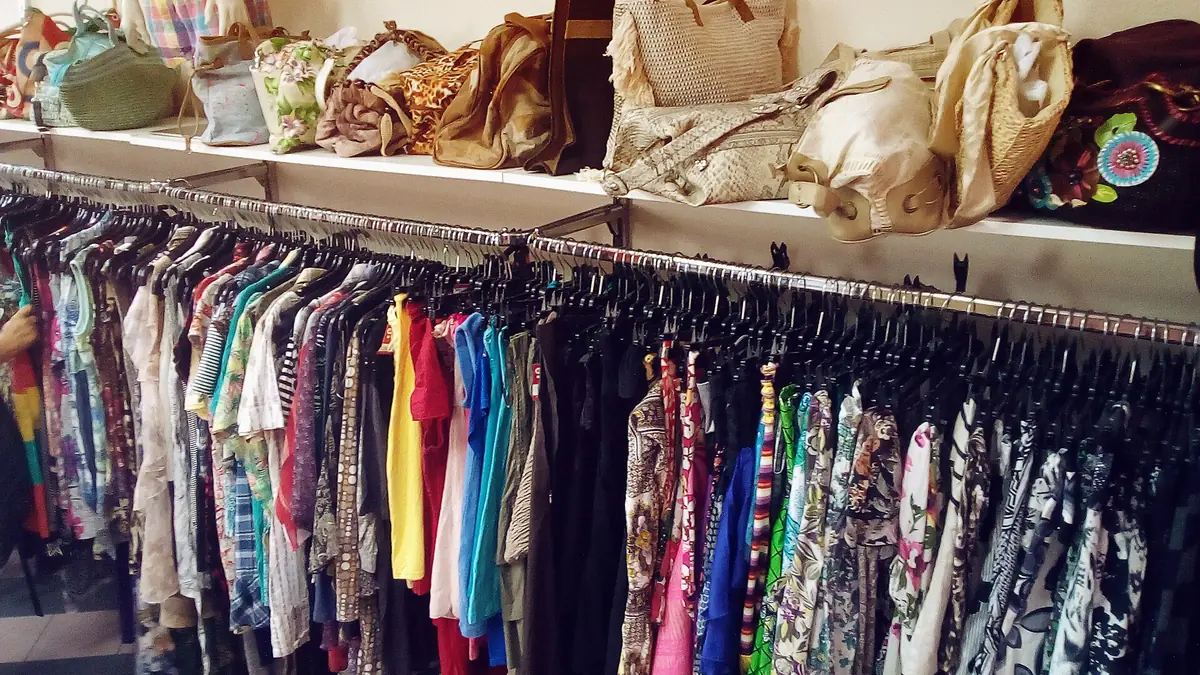
Second-hand shops are the single best place to save money on clothes. You can find good brands, strong fabrics, and barely worn pieces for a fraction of the shop price, and every rack holds something different. Check seams, zips, and fabric first, and visit often, because the best finds go fast.
4. Buy at the end of the season
Shops clear out seasonal clothes at deep discounts to make room for the next range. Winter coats go cheap in late winter, swimwear drops in price at the end of summer, and festive jumpers are marked down in January. Buy next season’s clothes at this season’s sale price and you can save half or more.
5. Build a capsule wardrobe
A capsule wardrobe is a small set of clothes that all work together — neutral bottoms, plain tops, one good jacket, and shoes that go with everything. When every piece matches several others, you need far fewer clothes to make many outfits. Start with easy-to-mix colours such as black, navy, white, and grey.
6. Choose quality over quantity
A cheap shirt that loses its shape after three washes costs more in the long run than a better one that lasts three years. Check the fabric, the stitching, and the weight of the cloth before you buy. Natural fibres such as cotton, wool, and linen usually wear well.
7. Learn simple repairs and care
A missing button, a loose hem, or a small hole does not mean a garment is finished. A basic sewing kit costs very little and can save dozens of clothes from the bin. Wash in cold water, skip the dryer when you can, and hang or fold clothes properly.
8. Swap clothes with friends and family
A clothes swap is free, fun, and surprisingly effective. Gather friends or family, bring the good clothes you no longer wear, and trade for pieces that fit your style. Everyone leaves with something new for free.
9. Wait for sales, coupons, and price drops
Patience pays. If you do not need something today, wait for a sale, a coupon, or a price drop. Many shops run sales around holidays and season changes, so compare prices and never let a sale push you into buying something never on your list.
10. Rent or borrow for one-off occasions
Wedding guest outfits, formal dresses, and fancy suits are often worn once and then forgotten. Renting a special outfit costs far less than buying it, and borrowing from a friend is free. For parties and interviews, a rented piece looks just as smart as a new one.
How to build a wardrobe that lasts
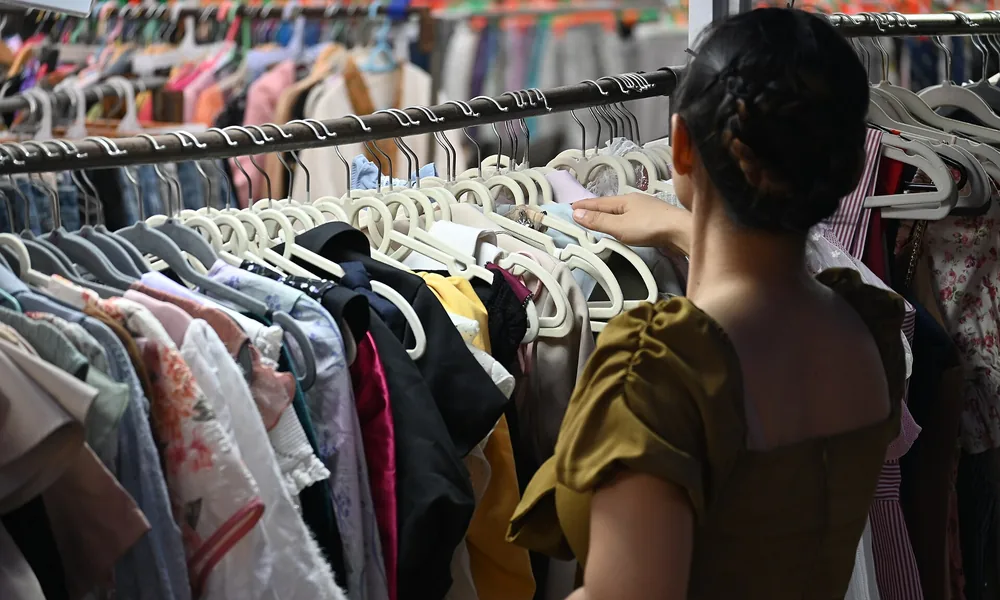
Start with the pieces you wear most and build around them. A good pair of jeans, comfortable shoes, a plain white shirt, and a jacket that fits well will carry most outfits, so spend a little more on those and save on the rest. Add one versatile piece at a time, and only buy items that match at least three things you already own.
The same careful thinking helps with the rest of your money too. Learning to save money when you earn minimum wage shows how small, steady choices add up, and clothes are a perfect place to start. A wardrobe built slowly costs less and lasts far longer than one bought in a rushed spree.
What to avoid when shopping for cheap clothes
Cheap is not always good value. Ultra-cheap fast fashion often uses thin fabric, weak stitching, and dyes that fade fast, so the savings disappear when the item falls apart. Avoid buying just because something is on sale, buying sizes that almost fit, and copying every trend online.
It also helps to change how you think about buying in general. Once you have stopped buying things you do not need, clothes get much easier to manage. And when gift season comes, the same approach applies — learning to save money on gifts keeps special occasions joyful without overspending.
Save money on clothes checklist
- Look through your closet before every shopping trip and note what you actually need.
- Write a short list and a budget, and wait a day before buying anything extra.
- Check second-hand shops and end-of-season sales before buying new.
- Choose quality fabrics and good stitching over the cheapest price.
- Wash cold, air-dry, and fix small damage early so clothes last longer.
- Swap, borrow, or rent clothes for one-off occasions instead of buying.
Frequently asked questions
How much should I spend on clothes each month?
There is no single right amount, but a good start is a small fixed sum you can afford every month, saved up for bigger buys. Many people manage well on a modest budget once they shop second-hand, wait for sales, and stop buying on impulse.
Is second-hand clothing clean and safe to wear?
Yes, as long as you check each piece and wash it before wearing. Look for stains, damage, and worn seams, choose items that feel clean and sturdy, and wash them in warm water where the fabric allows.
What is a capsule wardrobe?
A capsule wardrobe is a small collection of versatile clothes that all match each other. With around twenty to thirty pieces, including shoes and a jacket, you can make many different outfits without owning a crowded closet.
The bottom line
Saving money on clothes is not about looking plain or going without. It is about shopping with a plan, choosing quality over quantity, and making the most of what you already own. Try one or two ideas this month and see how much you save.

Keep what speaks to you.
Leave room for your own perspective.