A new fireplace can warm a room, lift the feel of a whole house, and add value when you sell. It can also become one of the most expensive purchases you make for your home, once the unit, the flue, the surround, the labour, and the finishing are added up. Most of that cost is not fixed: the type you choose, the size, the time of year you buy, and the quotes you accept all move the final bill by hundreds, sometimes thousands.
Saving money on a fireplace is not about buying the cheapest box you can find. Spend where it matters — safety, fit, and efficiency — and cut hard everywhere else.
Start With the Right Type
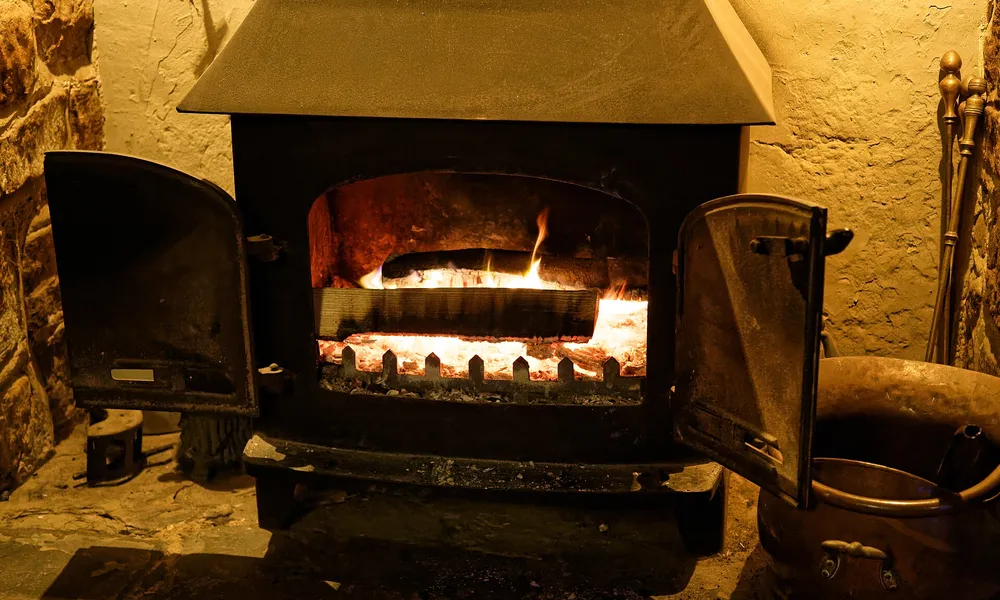
There are three main types, and the price gap between them is wide. A wood-burning fireplace gives real flames and real heat, but it is the dearest to install, because it needs a proper chimney or flue, a hearth, and ventilation. If your home already has a sound chimney, the cost drops a lot. If it does not, building one can cost more than the fireplace itself.
A gas fireplace is usually cheaper to install than wood, especially a balanced-flue model that vents straight through an outside wall. An electric fireplace is the cheapest to buy and the simplest to install — many just plug in. The catch is the running cost: electricity is dear per unit of heat, so an electric fire works best as a feature and a top-up heater, not your main source of warmth. If you are weighing running costs, our guide to saving money on your electric bill shows where the money really goes.
Size It to the Room, Not the Showroom
Fireplaces look small in a showroom and enormous in a living room, which is how people end up buying far more fire than they need. An oversized fireplace costs more to buy, install, and run — and it will roast a small room until you stop using it. An undersized one looks lost and leaves you cold.
Measure your room first. As a rough guide, a small room of around 15 square metres needs roughly 4 to 5 kilowatts of heat output, a medium room needs 6 to 8, and a large open-plan space needs 9 or more. The same sizing logic applies to any heater — see how to save money on a new heater for the same buy-it-once logic applied to portable and fixed heaters.
Time the Purchase
Fireplaces are seasonal, and the calendar is your friend. Prices and installer availability are at their worst in autumn, when everyone suddenly remembers winter is coming. Buy in late spring or summer and you will often find last season’s models discounted and showrooms keen to clear floor stock.
Ask about ex-display models and last year’s range. A fireplace is not a phone — last year’s model heats a room exactly as well as this year’s, and the discount can be a quarter of the price or more. Just check that spare parts are still available and the warranty is full.
Get Three Quotes — and Read Them Properly
Never accept the first quote. Get at least three, from different kinds of supplier: a specialist fireplace shop, an independent installer, and a general builder who does fireplaces as part of wider work. The spread will surprise you.
Ask every quoter to break the price down the same way: the unit, the flue and chimney work, the hearth and surround, the labour, the finishing, and the removal of the old fireplace. A quote that lumps everything into one number hides where you are overpaying. Check what is not in the quote, too: plastering, painting, and disposing of rubble are the classic extras that appear after the work starts. Get them in writing first.
Check credentials too: a gas fireplace must be fitted by a registered gas engineer, and a wood burner by someone certified for solid-fuel work.
Where DIY Saves Money — and Where It Does Not
There is real money to be saved by doing the easy jobs yourself. Removing an old surround, clearing the room, painting, tiling the hearth, and fitting a simple mantel are all jobs a careful homeowner can do well, and each one you take off the installer’s list cuts the bill.
But know the line. Connecting gas, fitting a flue liner, sealing a chimney, and anything structural belong to a professional. A badly fitted flue can leak carbon monoxide into a bedroom, and a gas connection done wrong can be fatal.
Cut the Extras That Add Little
Fireplace brochures are full of extras: remote controls, fancy trims, decorative fuel beds, smart-home links, and designer surrounds. A thermostat on a gas fire genuinely saves fuel; most extras do not. A remote control for a fire you sit next to is a luxury, and a premium trim no one notices after the first week is money you will never get back.
Think About Running Costs Before You Buy
The purchase price is only the first bill. Over ten years, the fuel will cost you far more than the fireplace, so the running cost deserves as much attention as the sticker price. Wood is usually the cheapest fuel if you buy it seasoned and in bulk, and dearest if you buy small bags from a petrol station. Electricity is the dearest way to heat a room, so use an electric fire for short bursts and atmosphere, not as the main heat source.
Efficiency matters more than most people think. An open wood fire can lose most of its heat up the chimney, while a modern closed stove turns the same logs into far more warmth. Paying a little more for an efficient model can pay for itself in fuel savings within a few winters — the same logic behind the best ways to save money on heating your home, where small efficiency gains add up to real money over a season.
Mistakes That Wipe Out the Savings
The most expensive fireplace is the one you have to buy twice. The common mistakes are easy to avoid: buying before measuring the room, and ending up with a fire that is too big or too small; choosing a style before checking whether your home can take a flue; and skipping the chimney inspection and discovering a cracked liner halfway through the job.
A Simple Checklist Before You Buy
- Measure the room and work out the heat output you actually need.
- Choose the fuel type by running cost, not just by looks.
- Buy in spring or summer, and ask about ex-display and last-year models.
- Get three itemised quotes and check the fitter’s credentials.
- Do the decorating yourself; leave gas and flues to a professional.
Frequently Asked Questions
What is the cheapest type of fireplace to install?
An electric fireplace is usually the cheapest to install, because most models need no flue or chimney work and simply plug in. A gas fireplace costs more, and a wood-burning fireplace costs the most, mainly because of the chimney and flue work.
When is the best time to buy a fireplace?
Late spring and summer are usually the best times. Demand is low, showrooms discount last season’s stock, and installers have more availability, which often means keener quotes and faster fitting dates.
A new fireplace should be a pleasure, not a regret. Buy the right type for your room, time it for the quiet season, compare proper quotes, and spend on the parts that keep you safe and warm. Do that, and the fire will pay you back in comfort — and in money saved — for many winters to come.

Keep what speaks to you.
Leave room for your own perspective.