
Teaching dance can pay the bills, but only if you treat it like a career, not a single class on a timetable. Most working dance instructors earn from several streams at once: a steady studio schedule, private students, performances, choreography, and online teaching. Alone each stream is modest; together they can make a full, reliable income. The best earners mix high-paying work, like private lessons, with steady work, like weekly classes, and scalable work, like recorded courses. Here are ten proven ways to make money as a dance instructor.
1. Teach Regular Group Classes at a Studio
Weekly group classes are the backbone of most dance instructors’ income. Studios hire teachers for ballet, jazz, hip hop, salsa, ballroom, and contemporary, paying $25 to $60 per hour. The work is steady, and the studio handles bookings and payments. Good classes earn you more hours, and a warm, encouraging manner matters as much as technique. Many instructors also use AI tools for dance classes to plan lessons and organise music.
2. Offer Private Dance Lessons
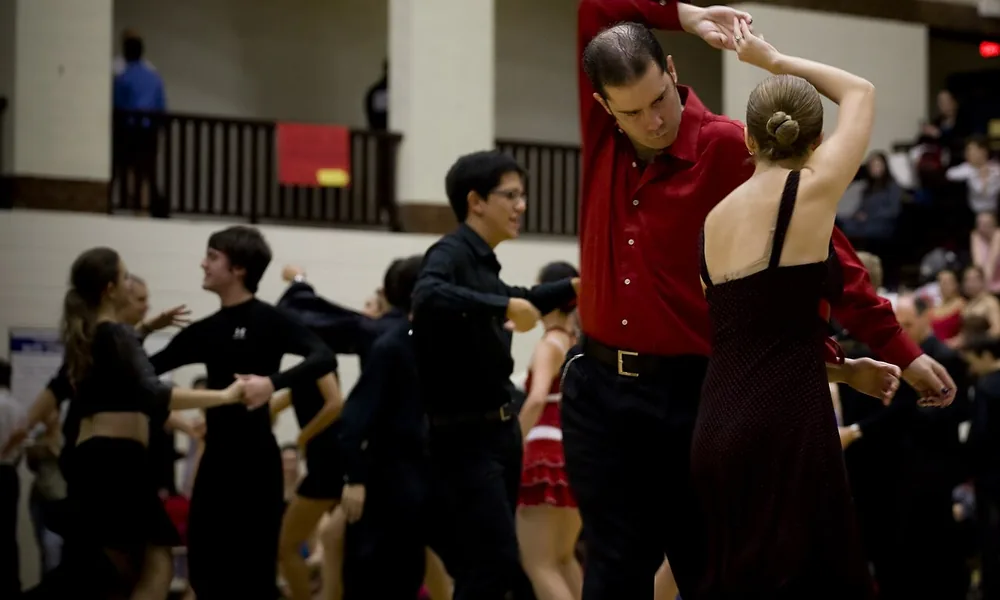
Private lessons pay the highest hourly rate in dance teaching. Students want fast progress and a schedule that fits their life, and they will pay for it. Most instructors charge $40 to $100 per hour, with exam preparation and wedding coaching at the top of the range. Students range from adults learning a first dance to teenagers preparing for auditions. Charge for a block of lessons in advance, and ask happy students for referrals. Even four private students a week can add $640 or more a month.
3. Teach Dance in Schools and Community Programmes
Schools, after-school clubs, youth centres, and community programmes all hire dance instructors, and the work is regular and reliable. Sessions run in term-time blocks, pay $30 to $70 per hour, and come with a ready-made group. It suits instructors who enjoy working with children and teenagers. You will usually need a background check and public liability insurance, so sort those out before you apply. Contact local schools directly with a short proposal and clear prices.
4. Choreograph Wedding First Dances
Wedding first-dance choreography is one of the best-paid short projects in dance teaching. Couples hire an instructor for four to six private lessons before the big day, and a typical package sells for $300 to $800. Charge extra for a venue rehearsal or a surprise routine. Promote the service with a short showreel and a clear package price. Spring and summer are the busiest seasons, so block out time early and take deposits to secure bookings.
5. Perform at Shows, Events, and on Tour
Performing is still a real income stream for working instructors, and it keeps your own dancing sharp. Theatres, cruise ships, resorts, corporate events, and touring productions hire dancers, paying $200 to $1,000 or more per show. Cruise ship contracts are especially steady, often running for several months with a fixed monthly salary. Students love learning from a teacher who still performs.
6. Create and Sell Online Dance Courses
Recorded online courses let you earn from work you make once and sell again and again. You can record a beginner ballet series, a salsa basics course, or a wedding dance programme, and sell it on a course platform or from your own website. A short course of ten lessons usually sells for $29 to $99. Start with one clear topic and a phone on a tripod. If you want ideas for structuring a course that sells, these best online courses for making money show what buyers look for.
7. Teach Live Lessons by Video Call
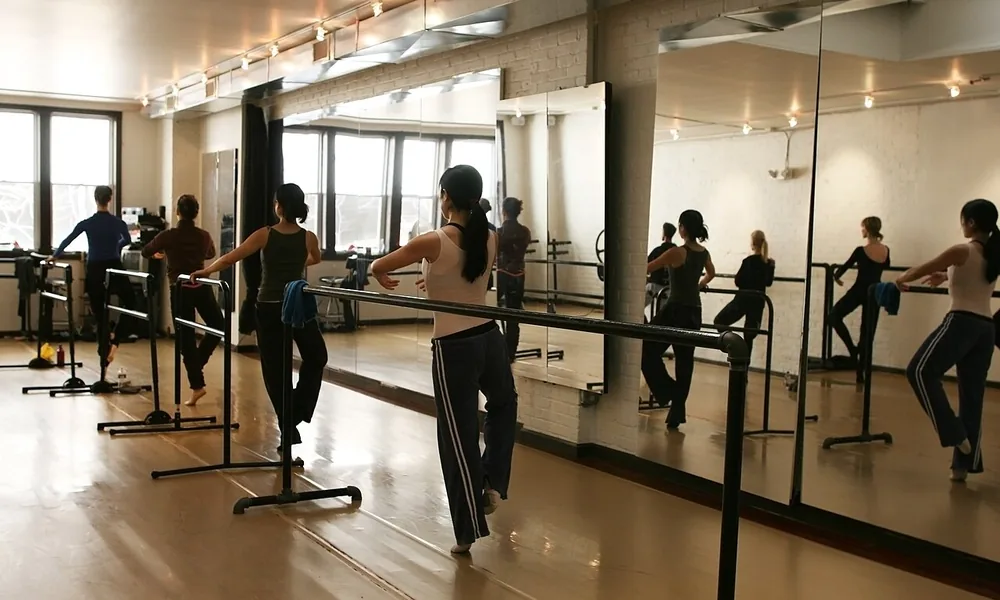
Live video lessons reach students who live far away, work unusual hours, or feel shy about joining a group class. You meet the student on a video call and give corrections in real time, just as you would in a studio. Rates usually run $30 to $60 per hour, a little below in-person lessons because there is no travel or studio hire. You need only a laptop, a camera, and space to demonstrate. Offer a free ten-minute taster call to turn enquiries into paying students.
8. Choreograph for Theatre, Music Videos, and Competitions
Choreography commissions pay well and build your name. Theatre companies, schools, video directors, and competition teams hire choreographers, with fees typically $500 to $5,000 per project. Start with local productions and school shows, build a portfolio of filmed work, and charge a clear project fee. Studios also pay for original competition routines each season. Keep contracts simple and in writing, and agree on rehearsal hours in advance.
9. Build a Dance Channel and Earn From Content
Short dance videos, tutorials, and behind-the-scenes clips can become a genuine income stream. A growing channel earns through ads, brand partnerships, and affiliate links for dancewear, while sending students to your classes and courses. Post three or four short videos a week: beginner tutorials, common mistakes, and follow-along routines. You do not need a huge audience to earn. Dance fitness classes also cross over into other fitness teaching careers, so it helps to understand how becoming a personal trainer works if you want to add fitness qualifications.
10. Run Workshops, Intensives, and Dance Camps
Workshops and intensive days earn a larger sum in a short time. A weekend salsa workshop, a ballet intensive, or a summer dance camp can charge $50 to $300 per person. A full workshop with twenty participants can earn $1,000 or more in a single weekend. Use a hired hall and an early-bird price to fill places fast. Offer every participant a discount on your regular classes, and follow up with an email the next day.
How to Combine These Into a Full Income
No single stream needs to carry your whole income. A realistic mix: ten group classes a week, four private students, one wedding couple a month, and a recorded course selling in the background. That combination can reach $3,000 to $5,000 a month in many areas. Track hours and income for three months, then raise rates a little each year. Protect your body too: schedule rest days and warm up properly, so you can keep teaching for years to come.
Frequently Asked Questions
How much can a dance instructor earn in a year?
A full-time working instructor who mixes studio classes, private lessons, and a few extra streams typically earns $30,000 to $60,000 a year. Top instructors in large cities can earn considerably more.
Do I need a teaching qualification?
Strong dancing ability and teaching experience are usually enough for private lessons, group classes, and wedding choreography. Some studios, schools, and theatre companies ask for a recognised teaching qualification or a background check, so check requirements before you apply.
What is the highest-paying work for a dance instructor?
Private lessons and wedding choreography usually pay the most per hour, while choreography commissions and workshops pay the most per project. Online courses pay less at first but can keep earning for years from work you record once.
How do I find my first paying students?
Start with people who already know your dancing: former classmates, local studios, and community groups. Offer a free taster class, post short teaching clips online, and ask every happy student to recommend you.
Bottom Line
The best way to make money as a dance instructor is to build a mix of income streams rather than relying on one class or one employer. Group classes give you steady work, private lessons and wedding choreography pay the highest rates, and online courses and content keep earning while you rest. Start with one stream, do it well, then add the next.

Keep what speaks to you.
Leave room for your own perspective.


