
A flight attendant’s pay is rarely just an hourly wage. It is a stack: flight hours, per diem, layover allowances, holiday premiums, language pay, and the extra trips you pick up. Two crew members on the same aircraft can take home very different amounts in the same month, and the gap usually comes down to how they bid, which trips they accept, and what they do between flights.
If you are already flying, or thinking about joining a cabin crew, start with the baseline. Our guide to how much flight attendants earn in 2026 sets out the pay picture, and the nine ways below show how working crew push past it while staying in the job they love.
1. Bid for Long-Haul and International Routes
The single biggest lever on a flight attendant’s income is the flying itself. Long-haul and international routes generally mean more flight hours per trip, higher per diem, and longer layovers with allowances. A three-day international pairing can pay far more than three days of short domestic turns, before you even count the hotel and meal allowances. Bid for the flying that pays, not just the flying that is convenient. Senior crew take the best international lines first, so newer crew should bid consistently and accept the less popular long-haul trips others pass over.
2. Pick Up Open Time and Extra Trips
Most airlines publish open time: trips needing cover because another crew member called in sick or dropped the trip. Picking up open time is the fastest way to add flight hours to a month without changing your base schedule. Watch the open-time board daily, especially around holidays and peak periods when uncovered trips pile up. Some airlines pay a premium for last-minute pickups, and one trip on a day off can be worth a full day’s flying pay. Take extra flying when your energy allows it and protect your rest days when it does not, because crew who burn out picking up everything soon fly worse and earn less.
3. Earn Premium Pay for Holidays, Nights, and Lead Roles
Airlines pay extra for the flying nobody else wants. Holiday trips, overnight departures, red-eye flights, and irregular operations all carry premiums at many carriers, and they add up across a year. Volunteering for Christmas Day, New Year’s Eve, or a string of night flights is not everyone’s idea of fun, but it is one of the most reliable ways to lift monthly pay. If you speak a second language, get it tested and recorded: bilingual crew are often paid a premium and get first call for the routes that need them. Ask scheduling which premiums your contract includes: many crew leave money on the table by never claiming what they are owed.
4. Make Per Diem and Layover Allowances Work Harder
Per diem is the daily allowance airlines pay to cover food and expenses away from base, and it is paid whether you spend it or not. Crew who eat sensibly, use crew meals where provided, and carry snacks can bank a meaningful slice of every trip’s per diem. Layovers add more: hotel points, airline miles, and meal allowances stack up trip after trip. Join every loyalty programme your carrier allows and keep the points for personal travel instead of letting them expire. Over a year, the allowances and points from regular flying are worth hundreds of dollars.
5. Use Seniority to Win Better Rosters
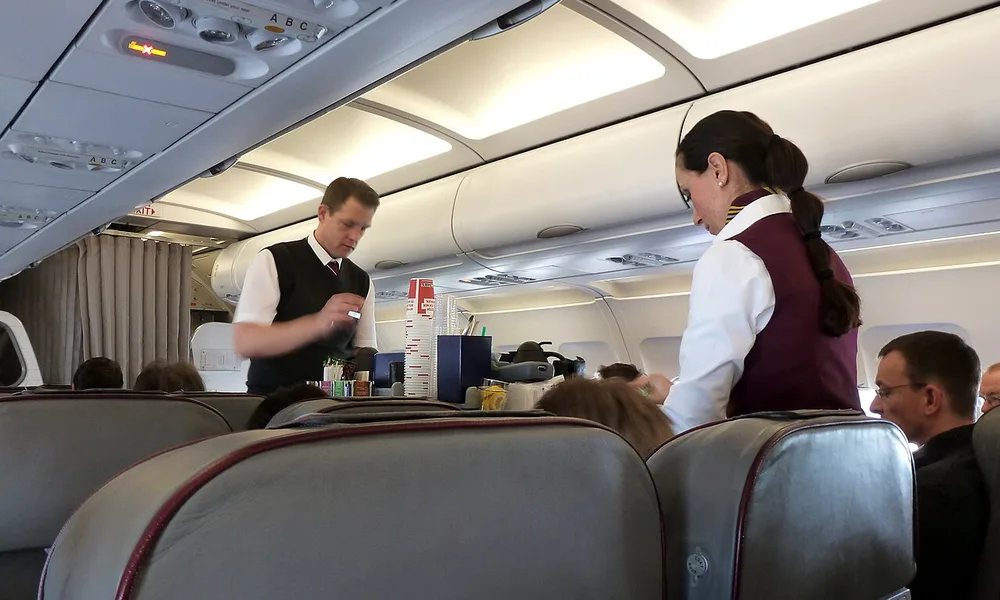
Seniority is the currency of cabin crew life. It decides who gets the best lines, the preferred layovers, the weekends off, and first pick of holiday flying. You cannot buy it, but you can use it well and protect it while you build it. Avoid unpaid leave that pauses your accrual, think before switching bases and dropping down the list, and bid every month even when the lines look thin. Crew who bid strategically, trading a popular weekend for a high-paying international pairing, often earn more than longer-serving crew who bid on habit.
6. Become a Purser, Trainer, or Line Check Crew Member
Moving up inside the cabin is one of the surest ways to earn more without leaving flying behind. Pursers and lead crew earn extra pay for running the cabin, managing the team, and handling paperwork and difficult passengers. Trainers and line check crew earn more still, flying a mix of regular trips and training duties that breaks up the routine. These roles usually need a few years of solid flying, a clean record, and a short selection process, so put your name forward early. The pay rise is only part of it: leadership roles also open doors to flying support jobs that keep you close to the operation.
7. Turn Layovers into Income with Travel Content
A flight attendant’s working life is a stream of destinations, hotel rooms, and hours between flights, and that is exactly the raw material travel content is made of. Short videos, photos, and honest guides from someone who visits these places weekly can build an audience far faster than content from an occasional holidaymaker. Start with the cities you already know and post on a schedule your roster allows. Selling travel photography is one of the most natural fits, and our guide to the best ways to make money as a photographer shows how to price and sell images once you have a library. Content income starts slowly, so treat it as a long-term side project, not a replacement for flying pay, and follow your airline’s social media rules before posting anything filmed at work.
8. Teach Languages or Coach New Crew Between Trips
Flying international routes builds two things most people pay to learn: languages and confidence with strangers. If you speak a second language well, online tutoring fits a flying roster better than almost any other side work, because you set your own hours and can teach from a hotel room as easily as from home. Short sessions between trips can add a steady second income, and bilingual crew often charge more. Coaching is another natural fit: new cabin crew pay for honest advice on interviews and assessments, and nobody is better placed to give it than someone flying the job right now. Keep sessions short, charge clearly, and never let side work eat into the rest you need to fly safely.
9. Build a Flexible Side Income That Fits a Flying Roster
The best side income for a flight attendant is work that bends around a roster instead of fighting it. Freelance writing, online tutoring, selling digital travel guides, and remote customer work all share one trait: you can do them between trips and pause them when flying gets busy. The mistake is choosing side work with fixed shifts that clash with your flying days. Pick one thing, keep the hours small, and only grow it once you know how it fits around your real schedule. Other shift workers face the same puzzle, and the way paramedics make money around shift work is a useful parallel for crew weighing overtime, rest, and a second income. A side income that respects your roster lasts; one that does not will cost you the flying income that matters most.
The Bottom Line
Making good money as a flight attendant comes down to flying smart, not just flying more. Bid for the routes that pay, pick up open time when you can, claim every premium and allowance you are owed, and use seniority to keep winning better lines. Add a leadership role or a roster-friendly side income on top, and the job that already takes you around the world can pay far better than its basic wage suggests. Start with one change this month and build from there.

Keep what speaks to you.
Leave room for your own perspective.


