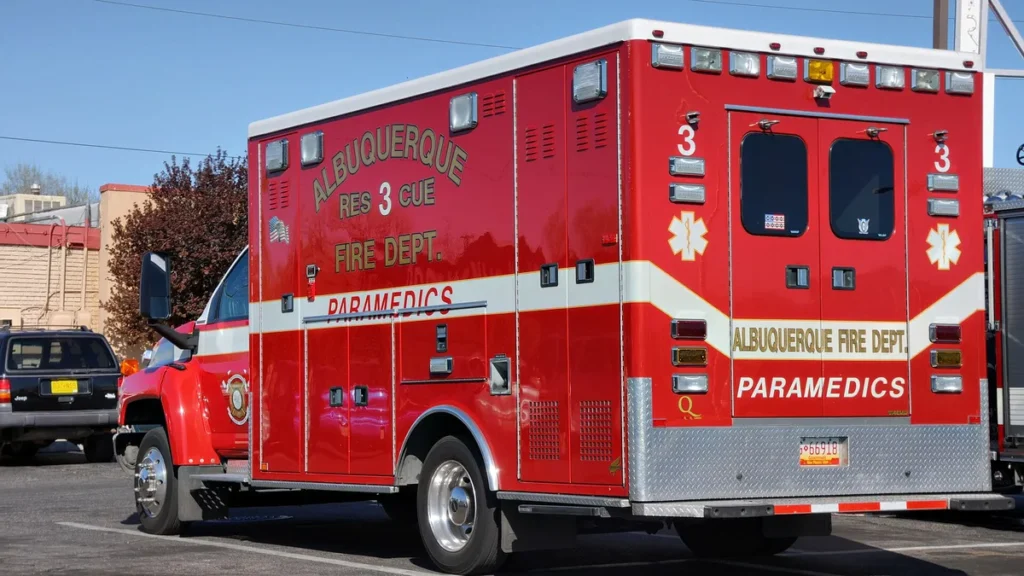
Paramedics do skilled, high-pressure work, yet many earn far less than their experience deserves. The good news is that a paramedic licence opens more doors than a single ambulance shift. With the right moves, you can raise your hourly rate, add extra shifts that actually pay, and turn the skills you already use every day into a second stream of income.
This guide covers the practical ways to do that, from earning more in the job you already have to specialties, teaching, and side work that fits around shift life.
How Paramedic Pay Actually Works
Most paramedics are paid an hourly rate, and the final pay packet depends on far more than that number. Shift length, overtime rules, night and weekend differentials, holiday pay, and employer type all change what lands in your bank account each month.
A paramedic at a city fire department, a private ambulance company, and a hospital will often earn very different amounts for the same skills. Private services may offer more overtime, while fire departments and hospitals may offer steadier schedules and better benefits. Pay also varies by location: busy urban systems tend to pay more than quiet rural ones. For typical figures, see our guide to paramedic salary in 2026, broken down by state and experience.
Step 1: Earn More From the Job You Already Have
The fastest way to make more money is usually to earn more from the employer you already work for. Read your pay policy properly: many paramedics leave money on the table because they never checked how overtime, callback pay, and shift differentials work. A night shift or a holiday shift often pays noticeably more per hour than a weekday day shift, so choosing shifts with pay in mind can add hundreds of dollars a month without adding hours.
Prepare for your annual review with evidence, not feelings. Keep a short record of extra duties, difficult calls handled well, and new skills gained. A calm, evidence-based conversation works far better than a vague request, and our guide on how to negotiate a higher salary explains how to prepare for that talk. Also check whether your employer funds extra certifications, since each new certificate can unlock higher-paid roles at no cost to you.
Step 2: Move Into a Higher-Paying Specialty
General 911 response is the backbone of the job, but it is rarely the best-paid corner of it. Specialties pay more because they demand rarer skills and carry greater responsibility, and moving into one is often the single biggest pay jump a paramedic can make.
Flight paramedicine is one of the best-known examples: air ambulance crews handle critical transfers and scene flights, usually for well above ground ambulance pay. Critical care transport is another strong option, moving seriously ill patients between hospitals while managing ventilators and complex monitoring. Tactical, industrial, and community paramedicine are also worth a look; ask your employer what training support is available.
Step 3: Pick Up Extra Shifts the Smart Way
Overtime is the most obvious way to earn more, but it is also the easiest way to burn out. Pick extra shifts strategically instead of saying yes to everything. An extra shift at time and a half sounds good, but if it wrecks your sleep and leaves you exhausted for your regular shifts, the cost is higher than the pay. Aim for shifts that pay the most for the least strain, such as standby shifts, low-volume stations, or shifts with a differential attached.
Many paramedics also work per diem for a second service, picking up shifts as needed, often at a higher hourly rate, with no fixed commitment. Before you sign up, check your main contract for exclusivity rules and make sure the second service covers you with proper insurance. Keep a simple limit, such as one extra shift a week at most, with at least one full rest day built in.
Step 4: Teach What You Already Know
Teaching is one of the most natural ways for a paramedic to earn extra money. You already explain medical situations to patients, families, and new colleagues every day, and that skill is in demand. First aid and CPR instruction is the easiest place to start: schools, workplaces, gyms, and sports clubs all need qualified trainers, and many pay by the session. Becoming an instructor usually takes a short course plus an assessment.
Colleges that run EMT and paramedic programmes often hire working paramedics as part-time instructors or skills assessors, with regular hours and rewarding work. Online teaching is growing fast too: short video courses on first aid or exam preparation for EMT students can earn money long after you record them.
Step 5: Event Work and Side Income
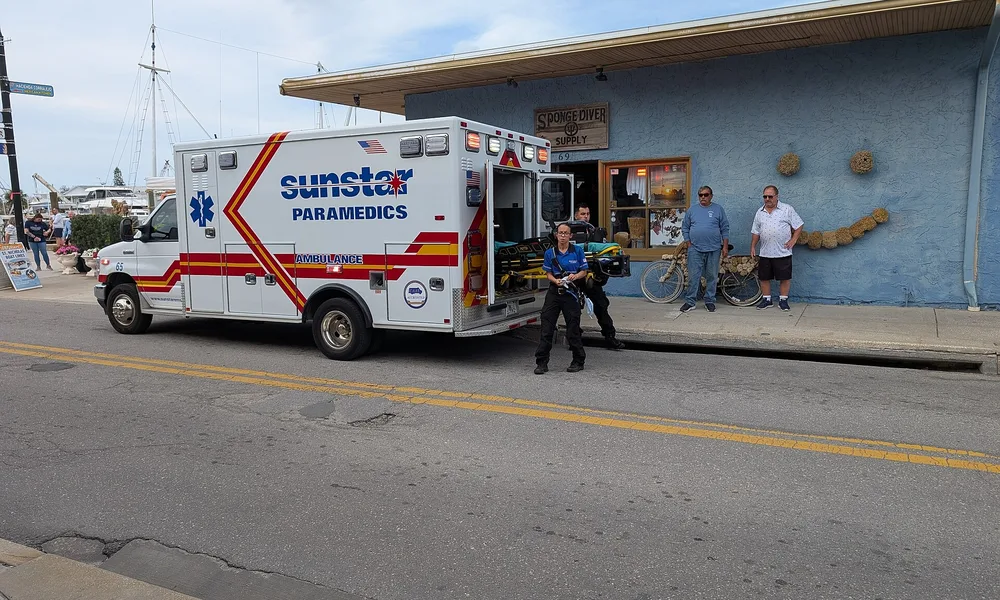
Concerts, sports matches, festivals, and film sets all need medical cover, and they pay paramedics to provide it. Event work is flexible, usually paid by a flat fee or an hourly rate, and it can be a pleasant change from emergency calls. Contact local event medical providers, tell them your qualifications and availability, and get on their freelance list. Standby work is similar but quieter: covering a construction site or a remote work camp, paid for the full shift whether or not you are called on.
Beyond teaching and events, paramedic skills translate into other income streams. Health websites and training companies pay people who understand emergency care to write clear, accurate content. Small businesses and schools need advice on emergency planning and first aid provision, and consulting usually pays by the project. Some paramedics build a business around their skills, such as a first aid training company or short online courses. For a broader look at flexible earning ideas, see our roundup of side hustles that actually pay.
What to Avoid, and a Simple 90-Day Plan
Be cautious of any scheme that asks you to pay a large fee upfront for training or equipment with a promise of easy income. Genuine employers and clients pay you; they do not charge you for the chance to work. Never practise beyond your scope, never work without proper insurance, and never take a job that asks you to cut corners on patient safety. A short-term payment is never worth a complaint against your licence. Guard your energy too: keep one day a week free and treat extra work as a bonus, not a permanent second full-time job.
For a clear start, try this plan. In month one, review your pay policy, check your differentials, and ask about funded certifications. In month two, choose one direction, a specialty, a teaching certificate, or event work, and book the course or contact one provider. In month three, take on your first paid work in that direction, even if it is small. One teaching session, one event shift, or one writing assignment is enough to prove the idea works.
Frequently Asked Questions
Can a paramedic earn a good income without changing careers? Yes. Most of the extra income here comes from the same skills you already have: better shifts, a specialty, teaching, and event work. You do not need to leave emergency care to earn more from it.
What is the highest-paying paramedic specialty? Flight paramedicine and critical care transport are usually among the best paid, followed by industrial and offshore roles. Pay varies by location and employer, so compare local roles before choosing a path.
Making money as a paramedic is not about working yourself to exhaustion. It is about using the skills you already have in smarter ways: choosing the shifts that pay best, moving into a specialty that values your experience, and sharing what you know with people who will pay to learn it. Start with one step, keep your energy protected, and build from there.

Keep what speaks to you.
Leave room for your own perspective.