
A tile kiln installation startup builds the place where clay becomes a tile. That sounds simple until you stand in front of a half-built kiln with a lorry-load of wet clay, a client asking when the first firing will happen, and a production line that has to turn out thousands of identical roof tiles or floor tiles from a single firing. The kiln is a slow oven, not a bonfire: clay is pressed into shape, dried until it stops shrinking, glazed, stacked on kiln cars, and fired until the body turns to stone and the glaze turns to glass. Get the clay body wrong and the tiles warp. Get the glaze wrong and the colour drifts from batch to batch. Get the stacking wrong and the bottom rows crush the top rows. Get the firing wrong and you get a kiln full of cracked, pale, unsellable tiles.
That production scale is what separates this startup from every other kiln trade. A brick kiln fires clay into bricks for walls, and the tools that launch brick kiln installation startups are built around green bricks stacked tight and fired for days. A tile kiln fires the same clay into thin, flat, identical units, and the failure modes are different: warping, glaze crawling, shade variation across a single firing, and tiles sticking together on the kiln car. One bad firing does not ruin a dozen bricks. It ruins a whole production run, and the buyer who ordered ten thousand matching roof tiles will not accept nine thousand that match and one thousand that do not.
The nine tools in this guide are chosen for that exact build. They help a new installer pick a clay body that holds its shape, lay out a pressing line that makes the same tile ten thousand times, keep glaze colour steady across batches, load kiln cars so air and heat reach every tile, run the firing cycle without babysitting it, and grade the finished tiles so only the good ones reach the buyer. Nothing here is a generic kiln tool with the word tile pasted on it. Each one earns its place by solving a problem that only a tile maker faces.
Key takeaways
- A tile kiln is a production machine: thousands of identical tiles per firing, so consistency matters more than peak temperature.
- Most tile failures start before the fire, in the clay body, the pressing, or the glaze batch.
- Stacking and loading decide whether heat reaches every tile evenly, and uneven heat is the main cause of shade variation.
- Vision grading after the firing protects the buyer relationship, because one bad tile in a delivered batch costs more than the tile itself.
- Buy the clay and firing tools first, and add quoting and bookkeeping once the kiln is actually firing.
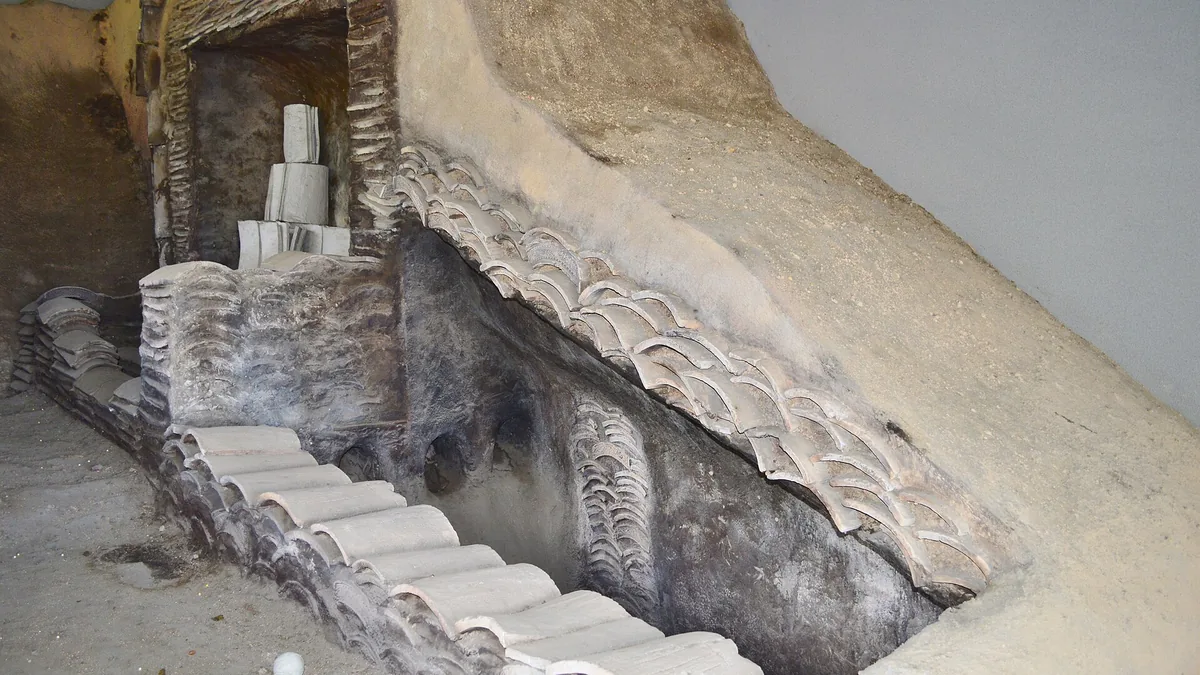
The nine tools at a glance
Use this table to see the whole toolkit before the detail. Each tool covers one stage of the tile-making line, from the clay pit to the delivered pallet.
| Tool | Best for | Stage |
|---|---|---|
| TileBody Blend AI | Clay body recipes that resist warping | Clay |
| TilePress Planner AI | Pressing and moulding line layout | Moulding |
| GlazeCoat AI | Even glaze cover on every tile face | Glazing |
| KilnCar Load AI | Loading kiln cars for even heat | Stacking |
| KilnRun AI | Running the firing cycle unattended | Firing |
| TileSort Vision AI | Grading fired tiles by shade and flatness | Grading |
| TilePlant Layout AI | Laying out the whole tile works | Plant |
| TileKiln Quote AI | Pricing an installation before the builder does | Quoting |
| TileLedger AI | Invoicing, buyer payments and records | Business |
Clay and moulding: getting the tile body right
Every tile problem that shows up after the firing started life as a clay problem. A tile is thin, wide, and flat, which is the worst possible shape for a fired clay body: it wants to warp, curl at the edges, and shrink unevenly. A brick is a chunky block and forgives a lot. A tile forgives nothing. The two tools in this section exist to make the clay behave before it ever reaches the kiln, because once a warped tile is fired, no tool can straighten it.
1. TileBody Blend AI: best for clay body recipes that resist warping
TileBody Blend AI starts where a tile kiln startup actually starts: with a pile of clay and a question about whether it will make a tile that stays flat. The tool takes the clay analysis, the tile size, and the firing temperature the kiln will run at, and works out a body recipe that holds its shape. It blends clays and grog in proportions that keep shrinkage even across the tile, so the corners do not pull in faster than the middle. That is the difference between a tile that lies flat on a roof and a tile that rocks on its corners.
What makes it a tile tool rather than a generic clay tool is the way it thinks about scale. A potter makes one piece at a time and can adjust the next one by hand. A tile maker presses the same body ten thousand times, so a recipe that works for a hundred tiles and fails on the thousandth is useless. TileBody Blend AI tests the recipe against the full production run: it flags bodies that drift as the clay pit changes, warns when a new delivery needs a different blend, and keeps a record of every batch so a warp problem in March can be traced back to the clay that arrived in February.
The tool also earns its keep on drying. Tiles crack in the dryer far more often than they crack in the kiln, because a thin tile dries fast at the edges and slow in the middle. TileBody Blend AI sets the drying curve for the body it has blended, with a slower start for large floor tiles and a shorter cycle for small roof tiles. A founder who gets the body right spends the first year fixing small problems. A founder who gets it wrong spends the first year re-firing warped tiles and explaining shade differences to buyers.
2. TilePress Planner AI: best for pressing and moulding line layout
TilePress Planner AI lays out the pressing and moulding line that turns blended clay into identical tiles. It takes the tile profile, the daily output target, and the floor space available, and plans where the press, the moulds, the drying racks, and the handling trolleys go so the line never stops waiting for the previous station. A tile press is not a brick mould: it stamps a thin, flat shape with a pattern or a curve, and the mould wears a little with every press, so the ten-thousandth tile is slightly different from the first unless the line is planned for it.
The tool plans mould changes into the working day. It schedules die swaps before the wear shows in the tiles, not after a buyer complains, and it works out how many spare moulds the startup needs to keep the line running while one set is being repaired. It also sizes the drying racks to the press output, because a press that makes tiles faster than the racks can dry them creates a pile of wet tiles that warp before they ever reach the kiln. That matching of press speed to drying capacity is the quiet skill of a tile works, and it is where most new founders lose their first month.
For a startup, the practical value is that the line is planned on paper before a single press is bought. TilePress Planner AI shows whether the planned output fits the planned floor, whether the handling route from press to dryer to kiln car is short enough to avoid damage, and where a second press would pay for itself. A tile kiln startup that presses well fires well, because the kiln can only fire what the press makes, and it cannot fix a badly pressed tile.
Glaze and loading: the finish before the fire
Glazing and loading are the two stages a visitor never notices and a tile maker never stops thinking about. The glaze is the colour and the weatherproof skin of the tile, and it has to be the same colour on the first tile of a firing and the ten-thousandth. The loading is the way the tiles sit on the kiln car, and it decides whether the heat reaches every tile or only the ones on the outside. Get either wrong and the firing itself is wasted.
3. GlazeCoat AI: best for even glaze cover on every tile face
GlazeCoat AI controls how glaze goes onto the tile, and that matters because glaze is the part of the tile the buyer actually sees. The tool sets the glaze thickness, the spray or dip pattern, and the drying time before firing, so the coat is even across the face and does not pool in the curves of a roof tile or thin out at the edges of a floor tile. Uneven glaze is the main reason a batch of tiles comes out of the kiln in three different shades, and shade variation is the complaint that kills a tile supplier fastest.
The tool is built for batch consistency, which is the tile maker’s real problem. It records the glaze recipe for every batch, tracks how the glaze behaves as raw materials change, and flags a drift before it becomes a visible difference. A glaze that was perfect in January can go wrong in April because the frit supplier changed something, and GlazeCoat AI catches that in the test tile rather than in the delivered pallet. It also plans the glaze store so the startup is never caught with half a batch of one glaze and a customer waiting for the other half.
There is a kinship here with glass, because a glaze is a thin layer of glass melted onto clay, and the heat that makes it is the same kind of careful heat a glass kiln uses. The tools that launch glass kiln installation startups think about annealing and slow cooling, and a tile maker who understands that kinship glazes better. But a glass kiln anneals sheets and vessels, and a tile kiln glazes thousands of flat units at once, so the tool has to work at tile scale: it checks glaze cover tile by tile, not piece by piece.
4. KilnCar Load AI: best for loading kiln cars for even heat
KilnCar Load AI plans how tiles are set on the kiln car, and this is the stage where a tile kiln startup wins or loses a firing. Tiles are stacked on setters, spaced so hot air can move between them, and loaded so the weight is even and nothing leans on anything else. A tile that touches its neighbour in the firing will stick to it. A stack that is too tight in the middle will come out under-fired in the centre and over-fired at the edges. The tool works out the setting pattern for each tile shape, the spacing between layers, and the total load per car so the kiln sees the same load every time.
What makes it a tile tool is the sheer number of units involved. A single firing can hold thousands of tiles, and no human can plan that load by eye and keep it consistent from one firing to the next. KilnCar Load AI keeps the pattern the same, car after car, so the firing behaves the same way every time. It also tracks setter wear, because a warped setter makes a warped tile, and it tells the crew which setters to retire before they ruin a load. A founder who loads well can fire the same tiles the same way all year. A founder who loads by guesswork gets a different result from every firing and never knows why.
The tool also plans the loading bay itself: where the cars are loaded, how they move from the glaze line to the kiln mouth, and how long a car can wait before the glaze dries too much or the tiles shift. That movement matters more than it sounds, because a tile works is a line, and a kiln car that waits too long becomes a bottleneck that slows the press, the dryer, and the glaze line behind it.
Firing at production scale
Firing is the moment the tile becomes a tile, and it is also the moment a tile kiln startup is most different from a potter’s kiln. A potter fires a chamber full of individual pieces, each one different, and watches the firing like a craft. A tile kiln fires thousands of identical units in one run, and the firing has to be repeatable, unattended for long stretches, and the same on Tuesday as it was on Monday. The tool in this section runs that firing like a production process, not like a craft event.
5. KilnRun AI: best for running the firing cycle unattended
KilnRun AI runs the firing cycle for a tile kiln, from the first gentle warm-up to the final cool-down, and it does it the same way every time. It sets the ramp, the soak, and the cooling for the tile body and glaze the startup is firing, and it holds the kiln on that schedule without needing someone to watch a dial all night. The schedule is built for tiles: a slow start so the last of the drying water leaves without cracking the body, a steady climb so the glaze melts evenly, and a controlled cool so the tiles do not crack as they contract.
The contrast with a potter’s kiln is the point. The tools that launch outdoor kiln installation startups are built for a garden-scale firing chamber where a potter fires a studio’s work and checks the heat with pyrometric cones. A tile kiln is a production kiln, and its firing is measured in thousands of identical units, not in single pieces. KilnRun AI does not ask the founder to judge the firing by eye. It reads the kiln’s sensors, compares the actual curve with the planned curve, and adjusts the burners or elements before a drift becomes a ruined load.
For a startup, the practical value is that the firing stops being a gamble. KilnRun AI keeps a record of every firing, so when a load comes out with a fault, the founder can look back at the exact curve that produced it instead of guessing. It also plans the firing calendar: how many firings a week the kiln can run, how long the cool-down takes before the next load can go in, and when maintenance has to happen. A tile kiln that fires on a plan makes money. A tile kiln that fires when someone remembers to check it does not.
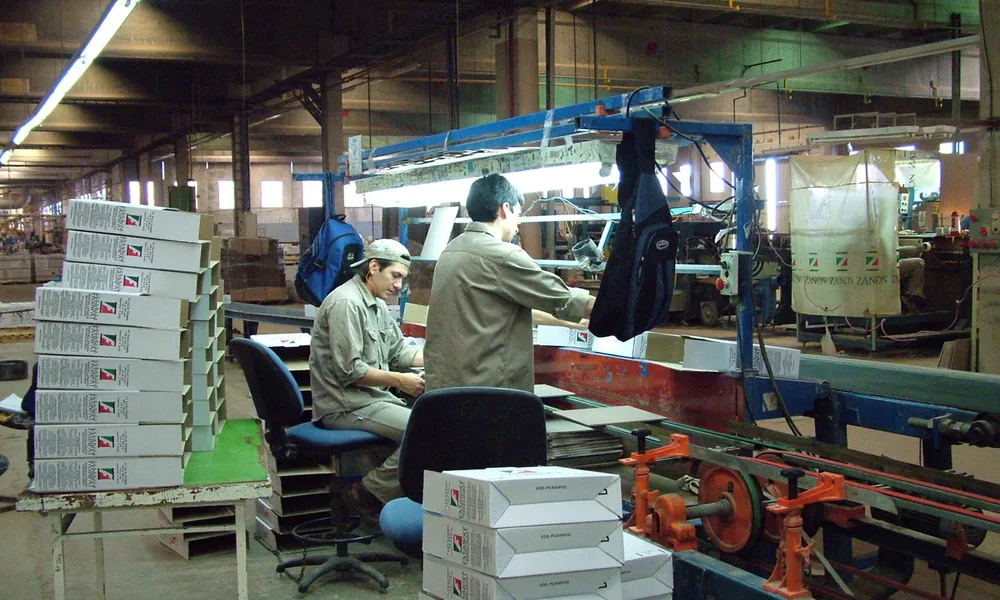
After the fire: grading, layout and the business
The kiln has done its work, but the startup has not finished. The tiles have to be graded, the plant has to be laid out so the next firing starts smoothly, the installation has to be priced, and the buyers have to be invoiced. These four tools cover everything after the fire, and they are the difference between a kiln that fires tiles and a business that sells them.
6. TileSort Vision AI: best for grading fired tiles by shade and flatness
TileSort Vision AI looks at every fired tile and sorts it before it reaches the buyer. A camera and a flatness check run over each tile as it leaves the kiln car, and the tool grades it by shade, surface, and flatness, sending the good tiles to packing and the seconds to a separate pile. This matters because a buyer who orders ten thousand matching tiles will find the one that does not match, and that one tile costs the startup the next order.
The tool is built for the tile maker’s definition of quality, which is stricter than it looks. A tile can be strong and still be a second if its shade is half a step off the batch, or if it rocks slightly on a flat surface. TileSort Vision AI learns the shade of each batch and holds the line, so tiles from Monday’s firing and Thursday’s firing go into the same delivery only if they actually match. It also counts the seconds by fault type, which tells the founder whether the problem is in the glaze, the loading, or the firing, and that feedback is worth more than the sorting itself.
Grading is also where the startup protects its price. Unsorted tiles get sold cheap or returned. Sorted tiles get sold at full price, and the seconds get sold honestly as seconds instead of being discovered by the buyer. A tile kiln startup that grades well can charge for quality. A tile kiln startup that does not grade at all will find its buyers grading for it, and charging for the privilege.
7. TilePlant Layout AI: best for laying out the whole tile works
TilePlant Layout AI lays out the whole tile works, from the clay store to the dispatch yard. It takes the site, the kiln size, and the output target, and plans where the clay preparation, the press line, the dryers, the glaze line, the kiln, the grading line, and the packing area go so the tiles move in one direction and never cross their own path. A tile works that is laid out badly wastes labour on every load, because someone is always carrying tiles further than they need to go, or waiting for a trolley that is on the other side of the building.
The tool plans for the heat as well as the handling. It keeps the dryers close to the kiln so waste heat can help dry the next load, puts the glaze line where dust from the clay store cannot reach it, and leaves room for the kiln cars to move without turning in a tight space. It also plans the yard: where the finished pallets wait for collection, where the clay deliveries arrive, and where the seconds are stored separately so they never get mixed into a good delivery by mistake.
For a new founder, the value is that the plant is planned before the first wall is built. TilePlant Layout AI shows whether the site is big enough for the planned output, where a second kiln would go if the business grows, and what the layout will cost to build. A startup that lays out its plant well can grow without rebuilding. A startup that lays it out badly will spend its second year moving walls.
8. TileKiln Quote AI: best for pricing an installation before the builder does
TileKiln Quote AI prices a tile kiln installation before the builder does, and that is the tool that turns a technical founder into a business that wins work. It takes the kiln size, the tile type, the site conditions, and the production target, and produces a quote that covers the kiln, the press line, the dryers, the glaze line, the grading line, and the labour to install them all. The quote is built from real tile kiln costs, not from generic building rates, so it does not miss the parts that only a tile kiln has: the setters, the kiln cars, the glaze store, and the dust extraction that keeps the glaze line clean.
The tool also protects the founder from the two classic quoting mistakes. The first is pricing the kiln and forgetting the line around it, which leaves the startup paying for the dryers and the grading line out of its own margin. The second is quoting a flat price for a site that needs extra work, like a floor that cannot take the weight of a loaded kiln car or a power supply that cannot run the kiln and the dryers at once. TileKiln Quote AI flags those site risks in the quote, so the founder can price them honestly instead of discovering them halfway through the build.
A good quote also wins the next job. Buyers of tile kilns are usually tile makers themselves, and they can tell a quote that understands tiles from one that does not. TileKiln Quote AI writes the quote in the language of the trade, with the firing capacity, the tile sizes, and the output per week spelled out, so the buyer can see exactly what they are getting. That clarity is what turns a first installation into a second one.
9. TileLedger AI: best for invoicing, buyer payments and records
TileLedger AI keeps the money straight once the kiln is firing and the tiles are selling. It invoices buyers by the pallet, tracks which deliveries have been paid and which are still outstanding, and records every batch against its invoice so a complaint about a delivery can be traced back to the firing that made it. A tile kiln startup sells in volume, and volume means a lot of small invoices, a lot of repeat buyers, and a lot of chances for a payment to go missing.
The tool is built for the way tile buyers actually pay. Some pay on delivery, some pay thirty days after delivery, and some pay in stages as a big order is fired and dispatched over weeks. TileLedger AI tracks all three, chases the late ones, and shows the founder which buyers pay on time and which ones always need a reminder. It also keeps the tax and cost records in one place, so the founder can see whether the kiln is actually making money or just making tiles.
Bookkeeping is the least exciting tool on this list and the one a founder misses most when it is not there. A tile kiln startup that knows its numbers can price the next job with confidence, order clay before it runs out, and spot a buyer who is quietly becoming a problem. A startup that does not know its numbers will find out too late, usually when the clay bill arrives and the bank balance does not cover it.
Pre-launch checklist
Work through this list before the first firing. Each item is a check that saves a ruined load later.
- Test the clay body on a full press run, not a handful of tiles, and check every tile for warp before the body is approved.
- Fire a test load of glazed tiles and compare the shade across the whole kiln car before promising a colour to a buyer.
- Load one kiln car exactly as KilnCar Load AI plans it, and fire it before changing anything about the setting pattern.
- Run the firing cycle once with the kiln empty of saleable tiles, so the curve is proven before real stock is at risk.
- Grade the test firing with TileSort Vision AI and record the fault types, so the first real firing starts from known numbers.
- Price the installation with TileKiln Quote AI and confirm the quote covers the press line, dryers, glaze line, and grading line, not just the kiln.
Frequently asked questions
What does a tile kiln installation startup actually install?
It installs the whole tile-making line: the kiln itself, the press and moulding line, the dryers, the glaze line, the kiln cars and setters, the grading line, and the packing area. The kiln is the centre of it, but the startup’s job is to make the whole line work together so clay goes in one end and graded, packed tiles come out the other.
How is a tile kiln different from a brick kiln?
A brick kiln fires clay into chunky bricks for walls, stacked tight and fired for days. A tile kiln fires the same clay into thin, flat, identical tiles, where the risks are warping, glaze shade variation, and tiles sticking together. The scale is similar, but the product, the failure modes, and the tools are different, because a tile has to lie flat and match its neighbours in a way a brick never has to.
How is a tile kiln different from an outdoor kiln for potters?
An outdoor kiln is a garden-scale firing chamber where a potter fires a studio’s work, piece by piece, and judges the firing by eye. A tile kiln is a production kiln that fires thousands of identical tiles in a single run, on a repeatable cycle, with sensors and records instead of guesswork. One is a craft firing. The other is a factory firing.
How many tiles can a tile kiln fire in one load?
It depends on the kiln size and the tile size, but a production tile kiln fires thousands of tiles in a single load. That is why consistency matters so much: a small fault in the clay, the glaze, or the loading is multiplied across the whole firing, and a buyer who ordered ten thousand matching tiles will notice the ones that do not match.
What goes wrong most often on a first tile kiln build?
The clay body is the usual culprit. A body that was never tested at full production scale warps in the firing, or dries unevenly and cracks before it reaches the kiln. The second most common problem is the loading: a kiln car loaded by guesswork fires unevenly, so the tiles come out in different shades. Both problems are cheaper to fix before the first real firing than after it.
Which tool should a tile kiln startup buy first?
Buy TileBody Blend AI and KilnRun AI first. The clay body decides whether the tiles stay flat, and the firing cycle decides whether they come out the same every time. Add the glazing and grading tools once the kiln is firing, and add quoting and bookkeeping once there are buyers to quote and invoice.
The bottom line
A tile kiln installation startup is a production business, and the tools that launch it have to think in thousands, not in single pieces. Pick a clay body that holds its shape, press it the same way ten thousand times, glaze it evenly, load the kiln cars so the heat reaches every tile, fire on a repeatable cycle, and grade what comes out so only the good tiles reach the buyer. Do that, and the kiln pays for itself one firing at a time.

Keep what speaks to you.
Leave room for your own perspective.


