
A ginger farm installation startup does not begin with a field and a hope. It begins with rhizomes. A founder who gets the rhizome seed pieces right, builds raised beds that drain in heavy rain, and gives the young shoots the shade they need has already solved most of the problems that sink a first season. A founder who plants tired pieces in flat, wet ground spends the whole season fighting rot and thin shoots, and no amount of clever marketing fixes a crop that never bulks up underground.
Ginger is a tropical rhizome crop, and that single fact shapes every decision in the build. The plant grows from pieces of rhizome, each with buds that push up green shoots, while the new rhizome swells slowly below the surface for eight or nine months. It wants warmth, steady moisture, rich loose soil, and protection from harsh midday sun. It does not want standing water, cold nights, or baked bare soil.
This guide compares nine AI tools that fit the ginger-growing build, from grading rhizome seed pieces to lifting and curing the harvest. Each tool is judged on the same question: does it help a small founding team install a working ginger farm, with raised beds, shade, watering, and a curing shed, and bring in a first harvest they can sell with confidence? The tools below do that job, in the order a founder actually needs them.
Key takeaways
- Start with the rhizomes: graded, healthy seed pieces with live buds are the cheapest insurance a ginger farm can buy.
- Raised beds are not optional in a wet tropical climate — drainage decides whether rhizomes bulk up or rot.
- Shade is a yield tool, not a luxury: young ginger shoots scorch in open sun and grow best under light, shifting cover.
- Water little and often, and never let beds sit wet — rhizome rot follows waterlogging faster than drought follows a missed watering.
- Harvest timing and curing decide the price: lift at the right window, then cure the rhizomes properly before they go to market.
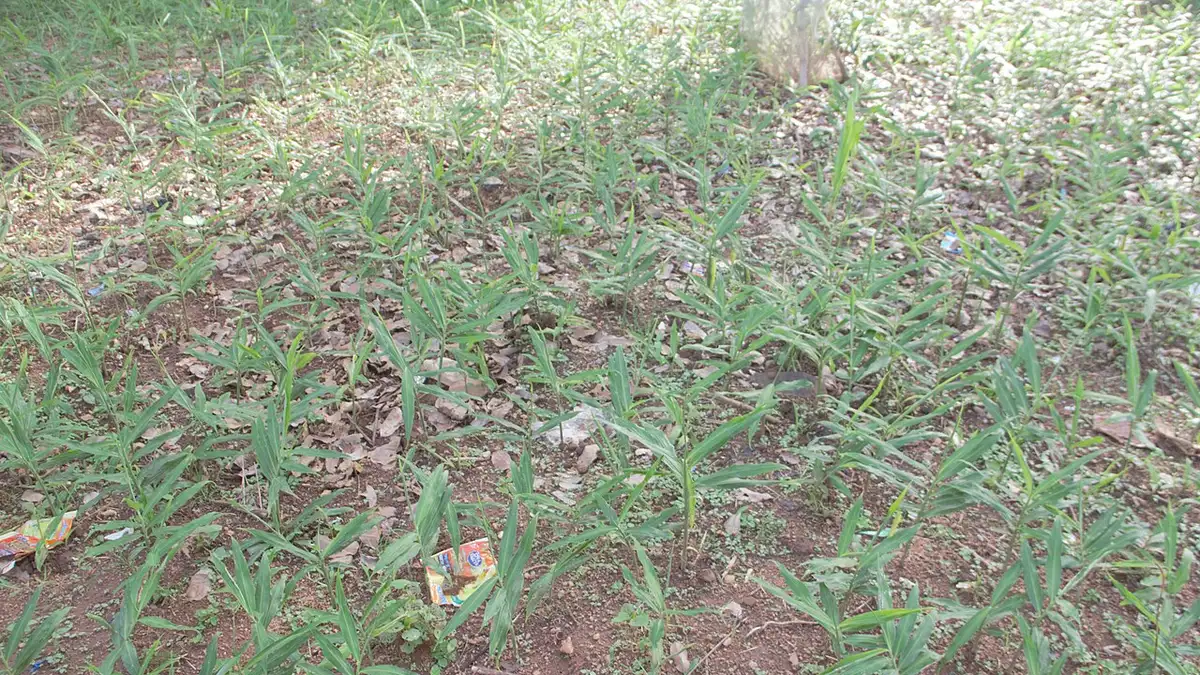
What a ginger farm installation startup actually builds
A ginger farm installation startup builds a working tropical rhizome farm from bare ground. That means clearing and levelling a warm, sheltered site, forming raised beds with loose, rich soil, setting out rhizome seed pieces at the right spacing and depth, putting shade over the young shoots, laying water lines that keep the beds moist without flooding them, and building a dry, airy curing shed for the harvest. The farm is small at first — a few beds, a shade structure, a water tank, a shed — and it grows bed by bed as the first harvest pays for the next planting.
The work is hands-on and seasonal. Planting happens when the soil is warm and the rains are coming. The long growing season is mostly watching: shoots emerging, leaves unfurling, beds staying moist, shade adjusted as the sun shifts. Then, after eight or nine months, the leaves yellow and die back, and the lifting begins. A startup that plans the shed and the market before planting day has somewhere dry to put the harvest and someone ready to buy it.
The nine tools in this guide map onto that build in order. The first grades the seed pieces. The next three lay out the beds, the soil, and the shade. The following three carry the crop through the growing season. The last two handle the lift and the cure. A founder does not need all nine on day one, but a founder who knows what each one does can buy them in the right order and avoid paying for harvest tools before the first bed is even formed.
The nine tools at a glance
| Tool | What it does | Best for |
|---|---|---|
| RhizomeGrade AI | Grades rhizome seed pieces by buds, size, and health | Planting day |
| BedRaise Planner AI | Lays out raised beds, spacing, and drainage | Site setup |
| WarmLoam Sense AI | Reads soil warmth, moisture, and richness | Bed preparation |
| ShadeCanopy AI | Plans shade cover and timing for young shoots | Early growth |
| RhizomeShoot AI | Tracks shoot emergence across the beds | First weeks |
| GingerMist AI | Schedules light, frequent watering | The long season |
| RhizomeRot Guard AI | Spots rot and wilt risk before it spreads | Crop protection |
| RhizomeLift AI | Times the lift and plans the digging crew | Harvest |
| RhizomeCure AI | Manages curing, drying, and grading | After harvest |
The table is a map, not a ranking. A farm with poor seed pieces gains most from the first tool. A farm on heavy, wet ground gains most from the bed planner and the soil reader. A farm in a hot, open site gains most from the shade planner. Read the sections below against your own site, and spend first where your site is weakest.
Choosing and preparing rhizome seed pieces
Everything in a ginger farm traces back to the pieces that go into the ground. A rhizome seed piece is a chunk of mature rhizome, cut so that each piece carries one or two live buds, and each bud becomes a shoot. Pieces that are plump, firm, and full of life push up strong shoots within weeks. Pieces that are shrivelled, soft, or budless sit in the soil and rot, leaving gaps in the bed that weeds fill and that no later tool can close. Grading seed pieces is slow, fiddly work when done by eye across hundreds of kilos, and it is the first place a small team benefits from a tool that never gets tired.
RhizomeGrade AI
RhizomeGrade AI grades rhizome seed pieces before planting, sorting each piece by bud count, size, firmness, and visible health. The founder photographs or feeds pieces through the tool at cutting time, and it marks which pieces are ready to plant, which should be cut again, and which should be thrown away. A piece with two strong buds and a firm, plump body goes into the planting pile. A piece with a single weak bud goes into a smaller pile for the best beds only. A soft or mouldy piece goes into the compost, not into the ground where it would rot and spread trouble to its neighbours.
The tool earns its place because grading by eye drifts over a long day. The first hundred pieces get careful attention, and the five hundredth gets a glance. RhizomeGrade AI does not drift. It applies the same standard to the last sack as to the first, and it keeps a count, so the founder knows exactly how many plantable pieces the farm has and how many beds that fills. That count drives the whole planting plan: bed numbers, spacing, shade area, and water lines all follow from how much good seed the farm actually holds, not from how much was bought.
It also teaches the team what good seed looks like. A new worker who watches the tool reject soft pieces and keep firm ones learns the standard in a day, instead of learning it over a season of gaps in the beds. And because the tool records the grade of each batch, a founder can trace a weak patch back to the sack it came from. For a startup whose whole first season rides on the pieces it plants, that traceability is worth more than the grading itself. The closest parallel is the care a garlic farm takes over its planting cloves, and founders who have read about garlic farm installation startups will recognise the same discipline: sort the planting material first, and the season gets easier from there.
RhizomeGrade AI is best bought before the first sack of rhizomes arrives, and used at the cutting table on planting week. It needs good light and a clean surface, and it works best when pieces are cut to a steady size first, so the tool judges health and buds rather than size alone. A founder who grades after planting has missed the point — the tool belongs at the start of the build, not the end.
Building the beds
Once the seed pieces are graded, the farm needs beds to put them in. Ginger beds are raised, loose, and free-draining, because rhizomes swell underground and rot in standing water. A bed that is too low holds water after rain. A bed that is too narrow wastes paths and shade. A bed that is too wide cannot be weeded or lifted from the edge without treading on the crop. The three tools in this section plan the beds, read the soil, and cover the young shoots, and they are best used together, in that order, before a single piece goes into the ground.
BedRaise Planner AI
BedRaise Planner AI lays out raised beds across the site, setting bed height, width, length, and spacing from the slope, the soil, and the expected rain. It maps where water runs after a storm and keeps beds off the wettest lines, and it sizes paths so a worker with a barrow and a fork can move along every bed without stepping onto the crop. On a sloping site it runs the beds along the contour, so rain soaks in instead of washing the loose soil downhill. On flat ground it builds in a gentle fall, so water leaves the beds instead of pooling at their feet.
The planner also counts the work. It turns the site map into a list of beds, each with a length, a volume of soil to move, and a number of seed pieces to fill it, so the founder can hire the right number of hands for the right number of days and order the right amount of compost. A farm that guesses at bed numbers either runs out of prepared ground with seed pieces still in sacks, or prepares beds it cannot plant. The planner closes that gap, and it keeps the plan when the site changes — if a corner turns out wetter than expected, the beds move on the map before anyone lifts a spade, not after.
For a startup, the planner’s real value is that it makes the farm buildable by a small team. Raised beds are heavy work, and a team of three or four cannot afford to rebuild them. BedRaise Planner AI lets the founder walk the site once, settle the layout, and then build it once, properly.
WarmLoam Sense AI
WarmLoam Sense AI reads the soil in each bed, reporting warmth, moisture, and richness in plain terms a founder can act on. Ginger wants soil that is warm to the hand, moist like a wrung cloth, and rich with rotted organic matter, loose enough for rhizomes to push through. The tool takes readings across the beds and marks which are ready to plant, which need more compost, and which are still too cold or too wet. A bed that reads cold and wet waits. A bed that reads dry and poor gets compost and water before planting, not after.
The readings matter because soil changes across a single site. The corner under the trees is cooler and richer. The open patch is warmer and drier. The low end holds water after rain. A founder who plants the whole site on one guess plants half the beds wrong. WarmLoam Sense AI turns that guess into a map, and the map turns into a planting order: warmest, best-drained beds first, coolest and wettest last, with compost going exactly where the readings say it is needed instead of being spread evenly over beds that do not need it.
Through the season the tool keeps reading, and the readings tell the founder when the beds are drying out or staying too wet after rain. That is the difference between watering on a calendar and watering on evidence. A bed that is still moist after a rainy week needs no water, however hot the day feels.
ShadeCanopy AI
ShadeCanopy AI plans the shade that young ginger shoots need, and times it to the sun. Ginger shoots are tender in their first weeks, and harsh midday sun scorches the leaves, slows growth, and dries the beds. But deep, permanent shade starves the plants of light and leaves them pale and weak. The tool models the sun across the site through the day and the season, and plans a canopy — shade cloth, palm fronds, or a light living cover — that cuts the harsh middle of the day while letting in the softer morning and evening light.
The plan covers height as well as cover. A canopy hung too low traps hot, still air over the beds and invites trouble. A canopy hung too high lets the midday sun slide underneath. ShadeCanopy AI sets the height, the spacing of the posts, and the density of the cloth, so air moves under the cover and the beds stay warm without baking. It also plans the timing: heavier cover for the first month after shoots emerge, lighter cover as the plants grow tall and shade their own beds with their leaves, and removal or thinning before harvest so the beds dry and the leaves die back cleanly.
For a startup on a hot, open site, the shade plan is often the difference between a crop and a failure. Founders who skip shade to save money spend the season watering scorched beds and watching thin shoots. Founders who plan shade spend once, on posts and cloth, and then watch the shoots grow fast and green under cover.
Growing the crop
The long middle of the ginger season is quiet work. Shoots emerge, leaves unfurl, and the beds need steady moisture, clean weeding, and a watchful eye for the first signs of trouble. Nothing dramatic happens above ground for months, while below ground the rhizomes swell finger by finger.
RhizomeShoot AI
RhizomeShoot AI tracks shoot emergence across the beds, counting where shoots have come up and where the bed is still bare. A few weeks after planting, the founder walks the beds with the tool, and it maps the gaps: this bed is up evenly, that bed has a bare patch at the low end, the next bed is late all over. The map tells the founder whether the gap is a bad batch of seed pieces, a wet patch, or a cold corner, and whether to fill the gaps with spare pieces or leave them and let the neighbouring plants spread.
Emergence is the first honest report on the planting. Seed pieces that were graded well come up fast and even. Pieces that were weak come up late or not at all. A founder who counts emergence knows the true plant population of the farm, and can plan the season on that number instead of on the number of pieces planted.
GingerMist AI
GingerMist AI schedules watering for the ginger beds, keeping them moist without ever letting them sit wet. It reads the soil moisture, the weather, and the stage of the crop, and tells the founder when to water, how much, and which beds need it most. Young shoots want light, frequent watering that keeps the top soil damp. Older plants with a full leaf canopy want deeper, less frequent watering that reaches the swelling rhizomes. The tool shifts the schedule as the crop grows, so the beds are never flooded and never baked dry.
The schedule matters because ginger is unforgiving about water in both directions. Too little, and the leaves flag, growth stalls, and the rhizomes stay small. Too much, and the beds waterlog, the roots suffocate, and rot takes hold. A founder who waters by habit — the same amount every morning, whatever the weather — will be wrong half the time. GingerMist AI waters by reading, and the readings keep the beds in the narrow band where ginger grows best: moist, airy, and never standing in water.
For a startup, the tool also saves the scarcest resource on a small farm, which is the founder’s time. Hand-watering beds takes hours, and deciding which beds need water takes longer. The tool turns that decision into a short morning list, bed by bed, so the team waters what needs water and leaves the rest. Founders who grow leafy crops alongside their ginger will recognise the same rhythm from herb farm installation startups, where light, frequent watering keeps tender leaves growing without drowning the roots — and ginger, for all its tropical toughness, wants the same gentle hand with water.
RhizomeRot Guard AI
RhizomeRot Guard AI watches for the first signs of rhizome rot and wilt, the troubles that can take a ginger bed in days once they get going. It reads leaf colour, shoot vigour, soil moisture, and temperature together, and flags the beds where the pattern matches the early stages of rot: leaves yellowing from the base, shoots wilting in damp soil, growth stalling while neighbouring beds push on. A flagged bed gets checked the same day, and a rotting plant gets lifted out before the trouble spreads along the bed.
Early warning is everything with rot, because there is no cure for a rhizome that has already rotted, only containment. A founder who spots trouble in one plant saves the bed. A founder who spots it a week later loses the bed and risks the next one, because rot travels in water and on tools. RhizomeRot Guard AI buys the founder that week.
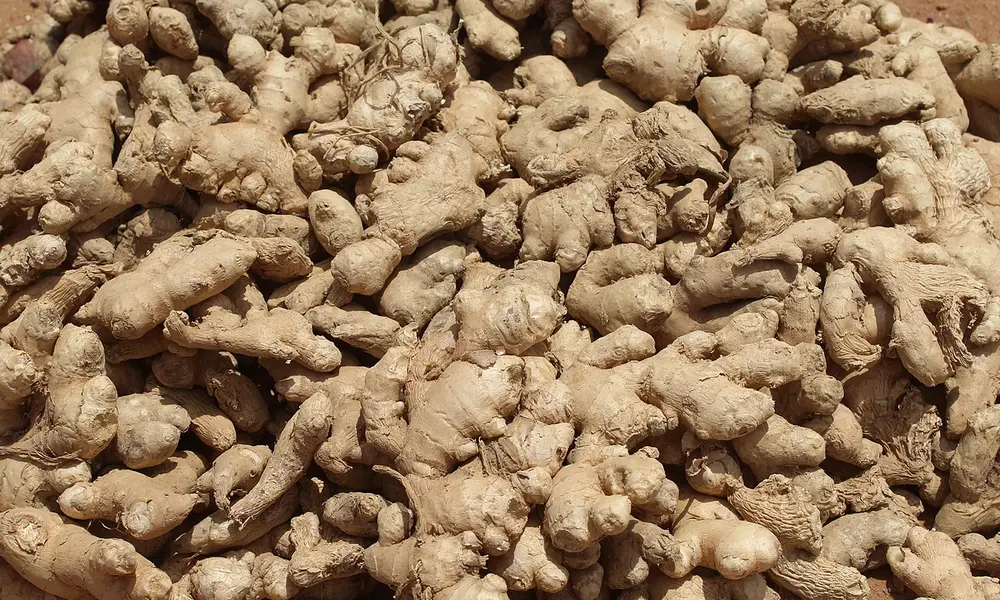
Lifting and curing the harvest
After eight or nine months, the leaves yellow and die back, and the farm’s work changes in a week. The rhizomes must be lifted at the right moment, cleaned, graded, and cured before they go to market. Lift too early and the rhizomes are small and watery. Lift too late and they turn fibrous and tough. Cure them badly and they shrink, mould, or lose the price they earned in the ground.
RhizomeLift AI
RhizomeLift AI times the lift and plans the digging crew. It watches the die-back of the leaves, the firmness of sample rhizomes, and the weather ahead, and calls the lifting window: the days when the rhizomes are at their best size and the beds are dry enough to dig cleanly. It then turns the beds into a work plan, bed by bed, with a crew size and a number of days, so the founder hires enough hands to lift the crop while it is at its peak, instead of hiring too few and watching the last beds go fibrous while the first beds wait in sacks.
The plan covers the digging itself. Ginger rhizomes are lifted with a fork, loosened from below and pulled by hand, so the fat hands come up whole and unbruised. A fork driven too close cuts the rhizome. A fork driven too far misses it. RhizomeLift AI marks the digging line for each bed from the planting map, so the crew digs where the rhizomes are, not where they guess. It also plans the order: driest beds first, wettest last, so the crew works on ground that digs cleanly and the rhizomes come up with soil that shakes off, not mud that has to be washed off.
For a startup, the lift is the most expensive week of the year, and the tool keeps it from becoming the most wasteful. A crew that digs to a plan lifts fast, keeps the rhizomes whole, and leaves the beds clean for the next planting.
RhizomeCure AI
RhizomeCure AI manages the curing of the harvested rhizomes, the slow drying that turns fresh, wet rhizomes into firm, saleable ones. Fresh rhizomes are mostly water, and if they are packed wet they heat, sweat, and mould. Curing dries the skin, firms the flesh, and lets the flavour settle, in a dry, airy shed with racks and airflow, out of direct sun. The tool reads the shed’s temperature and humidity, tracks the weight loss of sample batches, and tells the founder when to turn the rhizomes, when to increase the airflow, and when a batch is cured and ready to grade and pack.
Curing is slow work, and the temptation is to rush it. A founder who packs rhizomes before they are cured sells water by weight and loses the buyer when the sacks mould. A founder who over-dries them loses weight and flavour, and sells light, shrivelled rhizomes at a lower price. RhizomeCure AI holds the middle: it watches the drying curve and calls the moment each batch is ready, so the rhizomes leave the shed firm, dry-skinned, and heavy enough to pay. It also keeps batches separate, so a batch lifted from a wet bed cures on its own rack and does not pass its damp to a dry batch beside it.
The curing shed is the last building in the farm, and the tool is what makes it work as a business rather than a drying room. A founder who cures well can hold the harvest for the best price instead of selling on lifting day, and can grade the cured rhizomes into fresh, dried, and seed stock, each at its own price. The same rule holds across the planting world: founders who have read about pumpkin patch installation startups will recognise it — the crop is not finished when it leaves the ground, it is finished when it leaves the curing shed in saleable condition.
Your first-season checklist
Use this checklist in order, from the week before planting to the week after curing. Tick each item off only when it is done, not when it is planned.
- Grade every rhizome seed piece, keep only firm pieces with live buds, and count the plantable pieces before you mark out a single bed.
- Walk the site after rain, mark the wet lines, and lay out raised beds that drain, with paths wide enough for a barrow and a fork.
- Read the soil in every bed, add compost where the readings say it is needed, and plant the warmest, best-drained beds first.
- Put shade over the young shoots before the first hot week, at a height that lets air move under the cover.
- Water little and often on readings, not on habit, and check the low beds first after every heavy rain.
- Call the lifting window from the leaves and sample rhizomes, lift bed by bed to a plan, and cure every batch in the shed before it is graded and sold.
Frequently asked questions
How long does ginger take to grow?
Ginger takes eight or nine months from planting to lifting in a warm climate. The shoots come up within a few weeks, the plants grow through the warm season, and the leaves yellow and die back when the rhizomes are ready. A founder who plants in the warm season and lifts before the cold or the heavy rains gets the best size and the cleanest beds.
Can ginger grow in the open sun?
Ginger grows in open sun in mild climates, but in hot tropical sun the young shoots scorch and the beds dry out. Light shade through the middle of the day keeps the leaves green and the beds moist, and the plants grow faster under cover than they do in harsh sun. Plan the shade before planting, not after the leaves have already burned.
What soil does ginger need?
Ginger needs warm, loose, rich soil that drains freely. Heavy clay that holds water rots the rhizomes, and poor sandy soil that dries out starves them. Raised beds filled with loose soil and plenty of rotted compost give the rhizomes room to swell and let water pass through, which is the combination the crop wants.
How do you know when ginger is ready to lift?
Ginger is ready when the leaves yellow and die back, and sample rhizomes dug from the edge of a bed are fat, firm, and full-sized. Lift a few samples before committing the crew, and lift the whole bed only when the samples show the size you want. Lifting too early gives small, watery rhizomes, and lifting too late gives fibrous ones.
Why do ginger rhizomes need curing?
Fresh rhizomes are wet, and wet rhizomes packed straight into sacks heat, sweat, and mould. Curing dries the skin and firms the flesh in a dry, airy shed, so the rhizomes keep, travel, and sell at a proper price. A cured rhizome is a saleable product. An uncured one is a race against rot.
How much space does a ginger farm startup need?
A startup can begin with a handful of raised beds on a small, warm, sheltered plot, plus room for a shade structure, a water tank, and a curing shed. The farm grows bed by bed as the first harvest pays for the next planting. What matters is not the size of the plot but the quality of the beds: raised, drained, shaded, and planted with graded seed pieces.
The bottom line
A ginger farm installation startup succeeds on the same things its crop needs: good rhizome seed pieces, raised beds that drain, light shade, steady water, and a careful lift and cure. The nine tools in this guide serve those needs in order, and a founder who buys them in that order — grading first, beds and shade second, watering and protection through the season, lifting and curing last — builds a farm that pays for its own growth. Start small, plant only graded pieces, keep the beds moist and never wet, and cure every rhizome before it is sold. Do that, and the first harvest will fund the second planting, which is how a ginger farm becomes a business.

Keep what speaks to you.
Leave room for your own perspective.


