
A changing room installation startup fits out the rooms where sports teams, gym members, swimmers and leisure-centre users change, shower and store their kit. The work is practical and physical: locker bays that hold a full squad, benches that take muddy boots and heavy bags, showers that run back to back at half time, floors that stay safe when they are wet, and a layout that moves thirty people through the room without a queue forming at the door. A founder who gets this build right wins repeat work from clubs, schools, gyms and leisure centres, because every one of those clients needs the same room again in the next building.
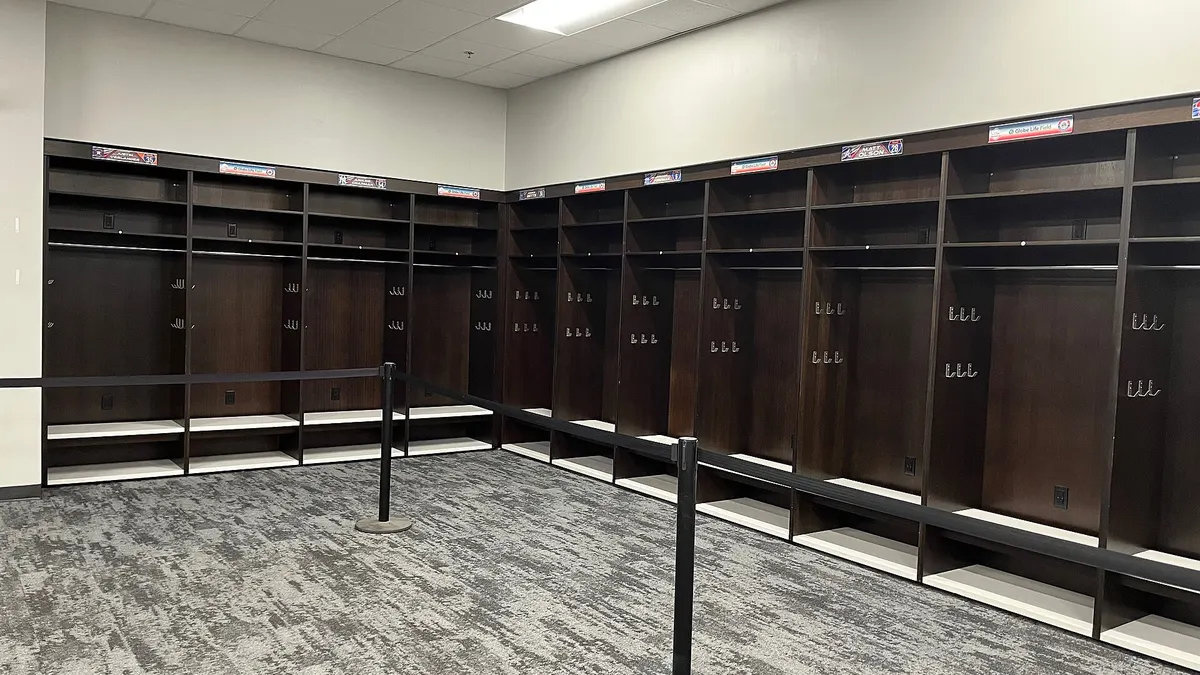
The room itself is a standalone sports and leisure build, and that matters more than it sounds. A changing room is not a spare room with a few hooks in it. It is a working facility with a dry side and a wet side, a locker wall, a bench run, a shower bank, durable flooring and a flow plan that handles peak changeover. The tools in this article are picked for that build: they plan locker bays, size bench runs, zone wet and dry areas, model team flow, size ventilation, lay out shower banks, price the job and hand it over. Nothing here is borrowed from a neighbouring trade, and nothing here treats the changing room as a corner of somebody else’s building.
Artificial intelligence earns its place on this job because the numbers are unforgiving. Get the locker count wrong and a squad of twenty-two has nowhere to put its kit. Get the wet and dry zones wrong and water walks across the whole floor. Get the ventilation wrong and the room smells damp within a month. The nine tools below take the measurements, the team sizes and the peak-use times a founder already collects, and turn them into layouts, quantities, costs and schedules that hold up on site. They do not replace a fitter’s judgement, but they stop the expensive mistakes that sink a first year.
Key takeaways
- A changing room is a standalone sports and leisure build: lockers, benches, showers, wet and dry zones and team flow, all in one working room.
- Plan the dry side and the wet side as two different rooms that share a wall, with a clear threshold between them.
- Size everything from peak changeover, not from average use: the room must work when a full team changes at once.
- Ventilation and drainage are not extras; they decide whether the room still smells and looks right a year after handover.
- Price from measured drawings and a locker-by-locker count, and hand over with a snag list and a maintenance schedule.
What counts as a changing room, and what does not
The first decision a founder makes is what the room is, and the neighbours on this site draw the line clearly. A pool house names a changing room as one of its five compartments, alongside a shower, a toilet, a kitchenette and storage for pool equipment, all wired and plumbed to the house. That changing corner belongs to the pool house: it serves swimmers walking in from one pool, in one private building. A standalone changing room serves whole teams and whole gym floors, and it is a different job from fitting out a compartment of a pool house installation. The pool-side compartment is a small part of a bigger building; the changing room is the whole building’s purpose.
The home dressing room is the other false friend. A closet build designs fitted storage for one household’s clothes, with hanging rails, drawers and a mirror, in a dry bedroom. A changing room holds kit for twenty or thirty strangers at once, with lockers that lock, benches that take weight, and a wet zone next door. The waiting room is a third neighbour to keep out: it plans reception seating, queue calls and signage for people who sit and wait. Nobody changes, showers or stores kit in a waiting room, and no waiting-room tool knows what a locker bay is. The mudroom is a home entry for one family’s coats and boots, and the cloakroom hangs visitors’ coats and shoes by the door of a house or a hall. Both are small, dry and domestic. A changing room is none of those things: it is a commercial sports room, built for teams, built for water, and built to be cleaned hard every day.
Even the shower room, the closest neighbour of all, is only part of the job. A shower room is a wet room: tray, screen, tiles, drainage and ventilation, fitted as a room on its own. A changing room contains showers, and this article covers shower banks in detail, but a founder who only plans the showers has built half a room. The lockers, the benches, the dry zone, the team flow and the handover still need planning, and that is what the tools below are for. Keep the boundary firm and the work stays clean: lockers, benches, showers, wet and dry zones, team flow, one standalone sports and leisure room.
The nine tools at a glance
| Tool | Best for | Standout strength |
|---|---|---|
| LockerBay Planner AI | Locker bay layouts | Bay counts from squad size |
| BenchLine AI | Bench runs and seating | Seating per bay, fixed right |
| WetDry Zone AI | Wet and dry zoning | Thresholds that stop water spread |
| TeamFlow AI | Arrival and changeover flow | Peak-time bottleneck modelling |
| LockerVent AI | Ventilation and drying | Humidity and odour control |
| ShowerBank AI | Shower bank layouts | Pressure and privacy planning |
| ChangingQuote AI | Fixed-price quotes | Quotes from measured drawings |
| LockerLedger AI | Job costing and invoicing | Cost tracking per locker bay |
| ChangingHandover AI | Snagging and handover | Handover packs that clients keep |
The tools in detail
1. LockerBay Planner AI: Best for locker bay layouts
LockerBay Planner AI starts where every changing room starts: how many lockers, in how many bays, and in what shape. A founder enters the squad size, the mix of full lockers and half lockers, and the room’s measured plan, and the tool lays out bays that fit the walls without blocking the door swing or the route to the showers. It counts door clearances, it keeps a clear metre of floor in front of every bay, and it flags a bay that would leave a team member changing with their back against a wet wall. That matters because lockers are the most expensive fixed item in the room, and a bay ordered in the wrong size cannot be trimmed on site.
The tool also handles the awkward rooms, which are most of them. Changing rooms are often long and narrow, or L-shaped around a shower block, or split across two levels. LockerBay Planner AI tests bay runs along each wall, tries the corners, and shows which arrangement gives the most lockers without narrowing the circulation below a workable width. It prices each layout as it goes, so a founder can show a club the difference between twenty-four full lockers and thirty half lockers in plain numbers. For a startup, that is the difference between a quote that wins and a quote that has to be reworked after the first site visit.
2. BenchLine AI: Best for bench runs and seating
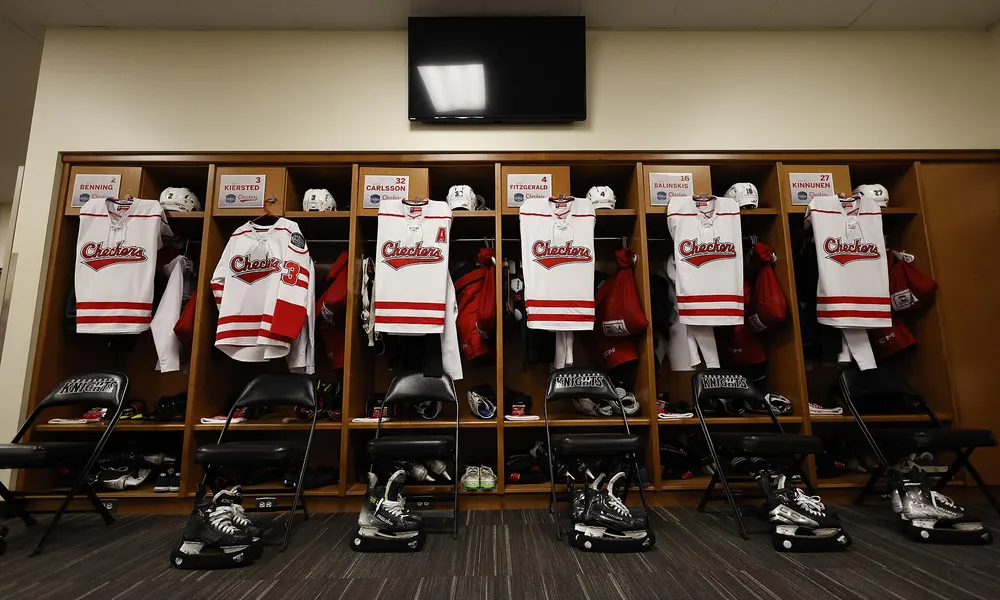
BenchLine AI plans the bench runs that sit in front of the lockers, and benches deserve a tool of their own because they take the hardest use in the room. Players sit on them in wet kit, bags get thrown on them, boots get changed on them, and they are the first thing a client leans on when they inspect the job. The tool sizes bench length per bay from the locker count, sets the seat height and depth for changing rather than sitting, and picks fixings that hold when a whole team sits down at once. It also plans the gap between bench and locker so bags fit underneath without blocking the floor.
Where BenchLine AI earns its keep is in the details a founder would otherwise learn from a callback. It flags a bench run that crosses a drainage fall, it keeps bench fixings out of pipe runs, and it lists the timber or laminate quantities per run so nothing is ordered twice. It also plans boot-room benches for the entrance, where muddy footwear is changed before the dry zone. A bench is a simple thing, but a bench run planned badly is a trip hazard, a cleaning problem and a complaint, and this tool keeps all three out of the room.
3. WetDry Zone AI: Best for wet and dry zoning
WetDry Zone AI draws the line that decides whether a changing room works: the threshold between the wet side and the dry side. The wet side holds the showers, the drying area and the floor that is meant to get wet. The dry side holds the lockers, the benches and the kit that must stay dry. The tool plans the threshold itself, the falls that send water toward the drains instead of across the room, and the slip-resistant flooring for each zone. It also places the towel rails, the drying hooks and the waste bins where wet users actually stand, rather than where they look tidy on a plan.
The value here is in the failures it prevents. Water that crosses into the dry zone rots locker bases, swells bench fixings and leaves a floor that is dangerous for the next team. WetDry Zone AI models a full shower session at peak use, shows where water travels, and moves the threshold or the falls until the dry side stays dry. It also checks that the cleaning route works: a floor that cannot be mopped in one pass will not be mopped properly, and a room that is not cleaned properly is a room that loses its client. Zone it right once, and the room stays usable for years.
4. TeamFlow AI: Best for arrival and changeover flow
TeamFlow AI models the movement of people through the room, and that is the test a changing room either passes or fails. A team arrives together, changes together, plays, returns together and showers together. The tool takes the team size, the fixture time and the shower count, and simulates the peak changeover: who is at a locker, who is queuing for a shower, who is waiting at the door. It finds the bottleneck before the room is built, whether that bottleneck is a narrow entrance, a shower bank that is two heads short, or a bench run that blocks the route to the exit.
For a founder, the flow model is also a selling tool. A club committee can see, in plain pictures, why the room needs a second door, or why the showers sit at the far end rather than by the entrance. TeamFlow AI turns that argument from opinion into numbers: changeover minutes saved, queue lengths at peak, and the maximum team size the room can handle. A startup that can show a client the flow, rather than just describe it, wins the jobs where the room has to work for a full league fixture list rather than a quiet Tuesday evening.
5. LockerVent AI: Best for ventilation and drying
LockerVent AI sizes the ventilation that keeps a changing room usable, and ventilation is the part of the job clients notice last and complain about first. Wet kit, wet towels, thirty warm bodies and a bank of hot showers push humidity up fast, and a room without enough air movement smells damp within weeks. The tool calculates the air changes the room needs from its volume, its shower count and its peak occupancy, then places inlets and extracts so air moves across the locker bays rather than short-circuiting from one vent to another. It also plans drying provision: heated rails, drying cupboards and airflow over the bench runs where kit is left.
The tool also keeps the ventilation honest about noise and running cost. A fan that is loud enough to hear over a team talk will be switched off, and a fan that is switched off is the same as no fan. LockerVent AI checks noise levels and running costs alongside airflow, and it flags a design where the extract sits over the dry zone and pulls damp air across the lockers. Get this right and the room dries between sessions, the lockers stay free of mould, and the client never has to call about a smell. That is the kind of result that brings the next job.
6. ShowerBank AI: Best for shower bank layouts
ShowerBank AI plans the shower bank, and a bank of showers is a different job from a single shower in a house. The tool sizes the bank from the team size and the changeover time, so the last player is not still waiting when the coach wants the room. It plans the water supply and pressure so every head runs properly when all of them are on at once, it places thermostatic mixing where it can be reached for servicing, and it lays out privacy screens that keep the bank usable for mixed-age groups without turning it into a maze. It also plans the drainage falls for the whole bank, so water leaves through the drains rather than across the wet zone floor.
The tool also knows where the shower bank ends and the changing room begins. A shower bank on its own is a wet room, and a wet room on its own is a different trade: the shower room installation build covers trays, screens, tiling and drainage as a room in its own right. Inside a changing room, the bank has to serve the lockers and the benches next door, which means thinking about the walk from bench to shower in bare feet, the towel hooks at the bank entrance, and the drying space on the way back. ShowerBank AI plans the bank as part of the changing room, not as a room on its own, and that is why it belongs on this list.
7. ChangingQuote AI: Best for fixed-price quotes
ChangingQuote AI turns a measured drawing into a fixed-price quote, and fixed pricing is what wins changing room work from clubs and schools. Those clients have a budget set by a committee, and a quote that moves after the work starts is a quote that causes an argument. The tool takes the locker count, the bench runs, the shower heads, the flooring areas and the ventilation spec, prices each line from the founder’s own rates, and produces a quote that shows exactly what is included. It flags the items that usually get forgotten: threshold trims, locker locks, bench fixings, drying rails and the handover pack.
The tool also protects the founder’s margin. It separates materials, labour and contingency, it shows the cost of each locker bay on its own, and it warns when a change to the layout pushes the price over the client’s budget before the quote goes out. A startup that quotes from measured drawings, with every locker counted and every bay priced, looks professional to a club secretary and a school bursar alike. That is the audience for this trade, and a clean fixed quote is often what separates the winning bid from the one that never gets a reply.
8. LockerLedger AI: Best for job costing and invoicing
LockerLedger AI tracks the money once the job is won, and it tracks it per locker bay rather than per job. That level of detail matters because a changing room job is really a set of repeated units: bays, bench runs, shower heads and floor areas. The tool records the cost of each bay as it is fitted, compares it with the quote, and shows the founder which bay is over budget while there is still time to fix it. It handles deposits, stage payments and final invoices, and it keeps the paper trail a school or a leisure centre will ask for before they pay.
For a small startup, the ledger is also the record that makes the second job cheaper than the first. LockerLedger AI keeps the true cost of each bay, each bench run and each shower head, so the next quote is built on real numbers rather than guesses. It also tracks supplier prices across jobs, which matters when locker and bench prices move between orders. A founder who knows the true cost of a bay can price the next room with confidence, and a founder who cannot is guessing. In a trade where margins are thin and callbacks are expensive, that difference decides whether the startup lasts.
9. ChangingHandover AI: Best for snagging and handover
ChangingHandover AI manages the end of the job, and the end of the job is where changing room startups earn their reputation. The tool builds a snag list bay by bay: every locker door opened and closed, every lock tested, every bench fixing checked, every shower head run, every drain tested and every threshold inspected. It records the snag with a photo, assigns it, and tracks it until it is closed. Nothing is left to memory, and nothing is handed over with a fault still sitting in it.
The handover pack is the other half of the tool. ChangingHandover AI produces the pack the client keeps: locker key schedules, cleaning guidance for the wet and dry zones, ventilation settings, shower maintenance notes and the guarantee terms for the lockers and benches. A club or a leisure centre that receives a proper handover pack knows how to look after the room, which means fewer callbacks and a better-looking room a year later. It also means the client remembers the founder when the next building needs a changing room, and that is the cheapest marketing a startup will ever get.
How to choose your first three tools
A new founder does not need all nine tools on day one. Start with LockerBay Planner AI, because the locker layout decides the room, then add ChangingQuote AI, because a fixed quote from measured drawings is what wins the first jobs, and then add LockerVent AI, because ventilation is the mistake that costs the most to fix after handover. Those three cover the layout, the price and the room’s long-term health. Add TeamFlow AI when the work moves to bigger clubs with full squads, and add ChangingHandover AI as soon as the first job reaches completion, because a clean handover is what turns one job into the next. The rest can follow as the order book grows, and each one should pay for itself on the first job that uses it.
A first-job checklist
- Measure the room, count the squad, and plan the locker bays before anything is ordered.
- Draw the wet and dry zones with a clear threshold, and check the drainage falls on site.
- Model the peak changeover: a full team arriving, changing and showering at once.
- Size the ventilation from peak occupancy and shower count, and check the noise level.
- Price the job bay by bay from the measured drawing, and quote it fixed.
- Snag every locker, bench and shower head, and hand over with a written pack.
Frequently asked questions
What is the best AI tool for a changing room installation startup in 2026?
LockerBay Planner AI is the best starting point, because the locker layout decides the whole room: bay counts, circulation, door swings and the route to the showers all follow from it. Add ChangingQuote AI for fixed pricing and LockerVent AI for ventilation, and the three together cover the layout, the price and the room’s long-term health.
How is a changing room different from a cloakroom?
A cloakroom hangs coats and shoes for visitors by the door of a house or a hall, and it is dry, small and domestic. A changing room is a commercial sports room with lockers that lock, benches for a full team, a shower bank and a wet zone. The cloakroom installation build covers hooks, rails and shoe storage; the changing room build covers all of that plus showers, ventilation and team flow.
How many lockers does a changing room need?
Count from the largest team that will use the room, not the average one, and add a few spare bays for kit bags and officials. A squad of twenty-two needs at least twenty-two full or half lockers, plus bench space to match. LockerBay Planner AI sizes the bays from the squad size and the measured plan, so the count is driven by the team rather than by guesswork.
Do I need a separate shower room as well as a changing room?
No. The showers belong inside the changing room, in a wet zone with its own drainage and threshold. A separate shower room is a different build for a different client. Inside a changing room, the shower bank serves the lockers and benches next door, and the walk from bench to shower is part of the plan.
How long does a changing room installation take?
A single-team room usually takes two to four weeks on site, depending on the locker count, the shower bank and the state of the existing drainage. Rooms that need new drainage falls or a new ventilation route take longer. The quote should carry a schedule bay by bay, so the client can see what happens in each week.
Is a changing room installation startup a good business in 2026?
Yes, for a founder who plans the room properly. Clubs, schools, gyms and leisure centres all need the same room, and they need it again in the next building. The work repeats, the clients are easy to find, and a room that still looks and smells right a year after handover brings the next job without advertising.
Bottom line
A changing room is a standalone sports and leisure build, and it deserves tools made for it: lockers planned bay by bay, benches built to take a team, wet and dry zones held apart by a real threshold, showers sized for peak changeover, ventilation that keeps the room dry, and a handover that leaves the client with a pack they can use. Start with the locker layout, the fixed quote and the ventilation, prove the room on the first job, and let the handover bring the second one.

Keep what speaks to you.
Leave room for your own perspective.


