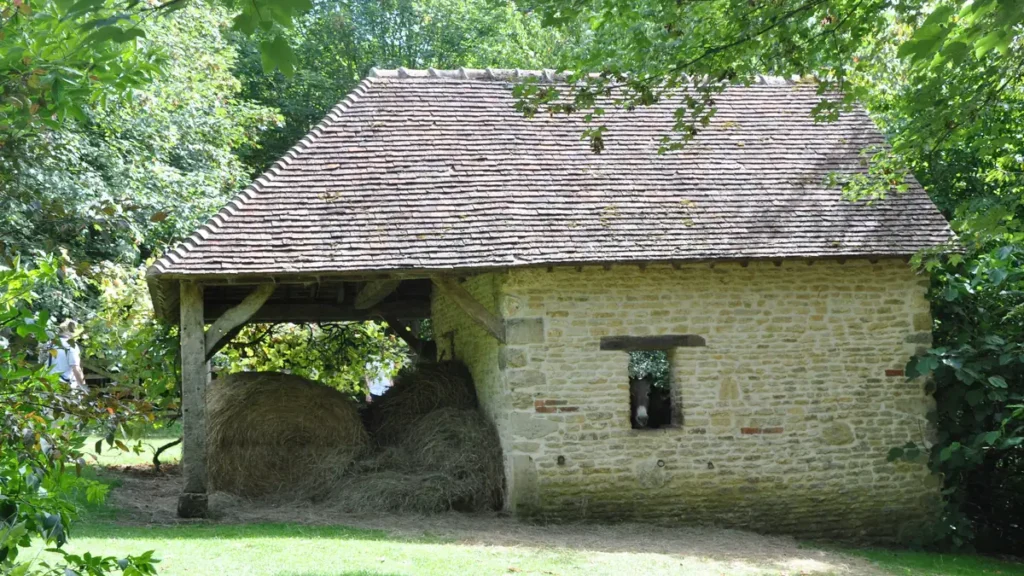
The best AI tools for pool house installation startups in 2026 give a brand-new building crew something that once took years of backyard jobs to earn: a design office, a pricing desk, a permits file and a dispatch board, all working from the first week. A founder with one van, a small crew and a handful of local jobs can now draw a permanent pool house beside a real swimming pool, price the foundations, the walls, the roof, the bathroom and the kitchenette accurately, and book the build team with the same polish as a company ten times its size.
The first year of a pool house installation business is won or lost on the work around the build, not on how well the walls go up. The carpentry and the blockwork can be learned. The groundworks, the plumbing, the permits, the inspections and the cash flow are what sink new firms. A pool house is a permanent enclosed building, and every part of it has to be right: the slab has to be level and dry, the walls and roof have to hold heat in winter and keep it out in summer, the bathroom has to drain properly, and the whole structure has to pass inspection before the customer can use it.
A pool house installation startup is a very particular kind of trade business, and it is not the same as selling garden structures or poolside shelters. The customer is not buying a shade canopy or a storage box. They are buying a small building that will stand beside their pool for decades, with a changing room, a shower, a toilet, a kitchenette and storage for pool equipment, all wired and plumbed to the house. The right tools watch all of that at once, so a small crew can quote honestly, arrive with the right kit, and finish on time while still giving each customer the feeling that their garden is the only job that matters that day.
Key takeaways
- A pool house is a permanent plumbed building with foundations, walls, a roof, a bathroom and a kitchenette, not a curtained shelter or a garden shed.
- Permits and inspections decide the schedule, so plan approval and building control need to be tracked like any other job stage.
- Plumbing is the highest-risk trade on a pool house, so the bathroom, kitchenette and drainage deserve their own quote lines and their own checks.
- The nine tools below cover design, estimating, permits, plumbing, 3D walkthroughs, scheduling, accounting and daylight, with no overlap against the closest neighbouring trades.
- A small crew wins by quoting honestly, documenting every stage with photos, and handing over a building the customer can use on day one.

The 9 best AI tools for pool house installation startups
The nine tools in the table below are the ones a pool house startup actually needs in its first year. Each one solves a different part of the job, from the first sketch to the final handover, and each one is chosen for a building trade rather than a shelter or shed trade. Read the table first, then the detail on each tool.
| Tool | What it does | Why it fits a pool house | Price |
|---|---|---|---|
| Autodesk Revit | Building information modelling | Full BIM plans with plumbing and electrics | From around $2,545 a year |
| Buildxact | Estimating and takeoffs | Accurate quotes for foundations, walls and roof | From around $109 a month |
| Bluebeam Revu | Permit drawings and markups | Clean plan sets for permits and inspections | From around $349 a year |
| ServiceTitan | Plumbing and trade job management | Runs the bathroom and kitchenette work | Custom pricing |
| Matterport | 3D walkthroughs | Lets customers walk through the finished building | From around $69 a month |
| Jobber | Scheduling, quoting and invoicing | Keeps a small crew booked and paid | From around $39 a month |
| Xero | Accounting and cash flow | Tracks deposits, materials and margins | From around $15 a month |
| Uponor | PEX plumbing systems | Reliable water supply for bathroom and kitchenette | Trade pricing |
| Velux | Roof windows and skylights | Daylight and ventilation for a small building | Skylights from around $500 |
1. Autodesk Revit
Autodesk Revit is the design backbone of a pool house business, and it is the tool that marks the difference between a building trade and a shelter trade. A pool house has foundations, load-bearing walls, a roof structure, a bathroom, a kitchenette, electrical circuits and a drainage run, and Revit models all of it in one building information model. When the founder moves a wall, the floor area, the material quantities and the door schedule update with it, so the quote and the plan never drift apart.
For a startup, the practical value is in the plan set. A council or building control officer wants to see proper drawings: foundations, wall sections, roof details, plumbing runs and electrical layouts. Revit produces those drawings from the same model the crew builds from, which means fewer revisions and fewer questions during the permit process. The customer also benefits, because a 3D view of the finished pool house is far easier to approve than a flat sketch.
Revit is not cheap, and it is not a tool to learn on a live job. A founder who already knows it, or who hires a freelance technician for the first few plan sets, gets the most from it. Used well, it turns the design stage from a risk into a selling point: the customer signs off on a model they can see, and the crew builds from drawings they can trust.
2. Buildxact
Buildxact is the estimating tool that keeps a pool house quote honest. A pool house quote has more lines than most garden jobs: excavation, concrete, blockwork or timber frame, roofing, insulation, glazing, plumbing, electrics, tiling, joinery and finishing. Buildxact builds the quote from a takeoff, so each line is tied to a real quantity in the plan, and the margin is visible before the price goes to the customer.
The danger for a new firm is underpricing the groundworks and the plumbing, which are the two parts of the job most likely to run over. Buildxact makes it easy to keep those lines separate and to add a sensible allowance for unknown ground conditions, rather than burying the risk in a single round number. When a customer asks for a change, such as a bigger kitchenette or an extra window, the revised price takes minutes rather than an evening.
Buildxact also produces a professional quote document, which matters more than most founders expect. A pool house is a five-figure purchase, and a typed, itemised quote with the company name, the payment schedule and the inclusions listed clearly is what turns an enquiry into a signed contract. From around $109 a month, it pays for itself on the first job it saves from a pricing mistake.
3. Bluebeam Revu
Bluebeam Revu is the tool that carries a pool house through permits and inspections without the paperwork becoming a second job. Every pool house needs a clean plan set: site plan, floor plan, elevations, sections, drainage layout and structural notes. Revu lets the founder mark up drawings, add comments, measure areas and lengths on screen, and assemble a submission pack that a planning officer can read without a phone call.
The markup tools are the heart of it. When the council asks for a change, such as a moved boundary line or a different roof height, the revision is marked on the drawing, dated and filed, so there is always one current version. On site, the crew opens the same drawings on a tablet, and the inspection notes go straight onto the plan instead of into a notebook that stays in the van.
Revu also helps with the handover file. At the end of the build, the customer gets a pack with the as-built drawings, the inspection sign-offs and the product warranties, all in one place. That file is what turns a one-off build into a referral, because the customer can show a neighbour exactly what was built and how it was approved. From around $349 a year, it is one of the cheapest ways to look like a serious building firm.
4. ServiceTitan
ServiceTitan runs the plumbing and trade work that sits inside every pool house, and it is the tool that keeps the wet trades from swallowing the schedule. A pool house bathroom and kitchenette mean a plumber on site, a drainage connection to the house, a hot water supply, and a set of inspections that cannot be skipped. ServiceTitan schedules the plumber, tracks the job from first visit to sign-off, and keeps the customer informed at each step.
The dispatch board is where the value shows. A small crew juggling two or three pool house builds at once needs to know which site the plumber is on, which materials are ordered, and which inspection is booked for Thursday. ServiceTitan holds all of that in one place, and the customer gets a message when the plumber is on the way, which is a small touch that makes a big difference on a high-value build.
ServiceTitan also handles the money side of the wet trades: invoices for the plumbing stage, payment tracking, and a record of every visit and every part fitted. When the customer asks, a year later, which tap was fitted or which pipe run was used, the answer is in the job record rather than in someone’s memory. Pricing is custom, so a startup should ask for a quote based on a small team and grow into the fuller feature set.
5. Matterport
Matterport turns a finished pool house into a 3D walkthrough that sells the next one. A pool house is a small building, and photographs never quite show how the changing room connects to the shower, or how the kitchenette sits beside the storage area. A Matterport scan lets a prospective customer walk through a completed build on their phone, room by room, and picture their own family using it.
For a startup with only one or two finished builds, that walkthrough is the showroom. It goes on the website, into the quote, and onto the tablet at the first site visit, so the customer is not buying from a drawing alone. It also helps with the handover: a scan taken at completion is a dated record of the finished standard, which settles any later argument about what was included.
The cost is modest for what it returns. From around $69 a month, a founder can scan each completed pool house, build a small library of finished work, and let the buildings do the selling. The scans also make a useful record for insurance and for the customer’s own files, which is another reason to offer them as part of the handover pack.
What makes a pool house different from a cabana, a shed or a garden room
A pool house is a permanent building, and that single fact changes every part of the business. A cabana is a poolside shelter with a frame, fabric curtains and a changing area, and it can be taken down or moved. A shed is a storage box with a door and a roof, and a garden room is a lived-in space that rarely needs plumbing. A pool house has foundations, load-bearing walls, a proper roof, a bathroom with a toilet and shower, a kitchenette with running water, and storage for pool equipment, all connected to the house drains and electrics.
That difference shows up first in the permits. A cabana or a shed often needs no permission at all, while a pool house usually needs planning approval and building control sign-off, because it is a habitable structure with water and power. The founder has to know the local rules before quoting, and the quote has to include the time and the fees for the application. A job that starts without permission can be stopped halfway through, and that is a cost no startup can absorb.
It shows up second in the groundworks. A pool house sits on a proper slab or strip foundations, and the ground beside a swimming pool is not always straightforward. The excavation has to avoid the pool shell, the drainage has to fall away from the building, and the slab has to be level enough for tiling and for doors that open and close properly for years. The groundworks are the least visible part of the job and the most expensive to fix, so they deserve the most care at the quoting stage.
The neighbours in this trade make the contrast clear. A pool enclosure installation startup builds a screened aluminium cage over the water, which is a large-span structure with no walls, no plumbing and no roof to insulate. A pool house, by contrast, is a walled, roofed, plumbed building, and the tools that suit one do not automatically suit the other. Knowing that difference is what keeps a founder from quoting a building job at shelter prices.

The site work around the building matters just as much as the building itself. The best AI tools for pool deck installation startups show how the deck, the drainage and the access paths tie the pool house to the pool, and a founder who plans the deck and the building together avoids the common mistake of finishing the house and then discovering the deck levels do not match the door thresholds. Measure the whole site, not just the footprint of the building.
The plumbing is the third difference, and it is the one that catches new firms out. A garden room needs a heater and a light. A pool house needs a water supply, a hot water source, a toilet, a shower, a kitchenette sink and a drainage connection, all of which have to be tested before the walls are closed up. A leak behind a tiled bathroom wall is a demolition job, not a repair, so the plumbing is tested twice and photographed before the boarding goes on.
6. Jobber
Jobber is the day-to-day operating system for a small pool house crew. It holds the quote, the schedule, the customer record and the invoice in one place, so the founder is not running the business from a notebook, a spreadsheet and a phone. When a customer calls to ask when the slab goes in, the answer is on the screen rather than in someone’s head.
The scheduling view is the part a founder uses most. A pool house build runs for several weeks, with groundworks, structure, roofing, plumbing, electrics and finishing in sequence, and each stage needs the right trade on the right day. Jobber shows the crew calendar, flags clashes, and sends the customer a reminder before each stage starts, which keeps the site tidy and the customer calm.
Jobber also handles the money in a way that suits a staged build. The customer pays a deposit, then stage payments as the foundations, the structure and the fit-out are completed, and Jobber tracks each payment against the quote. From around $39 a month, it is the cheapest way to make a two-person firm feel organised, and it is the tool most likely to be open on the founder’s phone at seven in the morning.
7. Xero
Xero is the accounting tool that keeps a pool house startup honest about its margins. A pool house job ties up thousands in materials before the first stage payment arrives, and a founder who does not know the cash position is guessing. Xero shows the bank balance, the outstanding invoices, the bills due and the profit on each job, all in one dashboard.
The job costing is the part that matters most. Each pool house gets its own cost record: materials, subcontractors, plant hire and labour, set against the quoted price. After two or three jobs, the founder can see which parts of the build make money and which ones do not, and the next quote can be adjusted with evidence rather than instinct. That is how a startup survives its first year without accidentally working for nothing.
Xero also makes the admin bearable. Receipts are photographed on site, invoices go out from the same app, and the accountant gets clean records at year end instead of a box of paper. From around $15 a month, it costs less than a single tank of fuel and removes the most common reason small building firms fail, which is not bad work but bad books.
8. Uponor
Uponor is the plumbing system inside the pool house, and it is the product choice that decides whether the bathroom and kitchenette work quietly for decades or cause call-backs. Uponor PEX pipework is flexible, quick to install and resistant to the scale and corrosion that affect rigid pipe in hard-water areas, which matters in a small building where the pipe runs are short but the fittings are many.
For the installer, the advantage is speed and reliability. PEX runs can be pulled through walls and floors without a joint at every turn, which means fewer connections and fewer places for a leak to start. The manifold system also lets the founder isolate the bathroom and the kitchenette separately, so a future repair does not shut off the whole building. In a pool house, where the plumbing is buried behind tiling, fewer joints is a genuine selling point.
Uponor is trade-priced, so the founder should open a trade account and buy through a merchant rather than retail. The system is worth specifying by name in the quote, because it tells the customer the plumbing is a proper system rather than a collection of parts. A pool house that never leaks is a pool house that gets recommended, and the pipework is where that reputation starts.
9. Velux
Velux roof windows and skylights solve the oldest problem in a small pool house: how to get daylight and fresh air into a building that is often tucked into a corner of the garden. A pool house with small windows feels dark and damp, and a customer who changes and showers in it every day will notice. A Velux skylight over the changing area or the kitchenette brings in daylight from above and lets warm, humid air out through the vent.
The ventilation matters as much as the light. A pool house sits beside a swimming pool, so the air inside is warm and wet, and without ventilation the walls will sweat and the finishes will suffer. A venting skylight gives the customer a simple way to air the building after use, and a rain sensor model closes itself when the weather turns, which is one less thing for the customer to remember.
Velux is also a product customers already know and trust, which makes it easy to sell as an upgrade. Skylights start from around $500, and a founder who offers one or two as an option on every quote will find that most customers say yes. It is a small addition that changes how the finished building feels, and it photographs well, which helps the next sale.
Your first-build checklist
Before the first pool house goes up, work through this checklist in order. Each step protects the next one, and skipping a step is how a small job becomes an expensive lesson.
- Confirm planning permission and building control requirements with the local authority before quoting, and include the application time in the schedule.
- Survey the whole site, including the pool shell, the drainage and the access for deliveries, and agree the finished floor level with the customer in writing.
- Price the groundworks and the plumbing as separate lines with their own allowances, and get the plumber’s price in writing before the quote goes out.
- Order materials against the plan quantities, and photograph every stage, from the slab to the roof to the pipework before the walls are closed.
- Test the plumbing and the electrics twice before boarding and tiling, and keep the test records in the handover file.
- Hand over with a walkthrough, a 3D scan, the as-built drawings, the inspection sign-offs and the product warranties, and ask for a review while the customer is still delighted.
Frequently asked questions
How much does it cost to start a pool house installation business?
A lean start costs far less than a general building firm, because the work is specialised and the kit is small. A van, basic tools, insurance, a website and the software in this article can be running for a few thousand, with materials bought per job against a customer deposit. The expensive part is the first build, which is why the quote has to cover the groundworks and the plumbing properly rather than hoping they come in cheap.
Do I need planning permission for a pool house?
Usually, yes, because a pool house is a permanent building with water and power, and most local authorities treat it as development. The rules vary by area and by the size and position of the building, so the founder should check with the local planning department before quoting. A job that starts without permission can be stopped, and the cost of that delay falls on the builder.
How long does a pool house build take?
A straightforward pool house takes four to eight weeks from the first dig to handover, depending on the size, the ground conditions and the permit timetable. The groundworks and the permit application take the longest, while the structure itself can go up in a week or two. A founder should quote the honest timetable rather than the optimistic one, because a customer who expects eight weeks and gets six is delighted, and the reverse is not.
What is the hardest part of a pool house build?
The plumbing and the drainage are the hardest parts, because they are hidden, they have to be right first time, and a failure means opening up finished work. The bathroom, the kitchenette and the drainage connection need a qualified plumber, a proper test before the walls close, and photographs of every run. The best AI tools for outdoor shower installation startups cover the simpler end of poolside plumbing, and a pool house is a step beyond that in every respect.
Can one person run a pool house installation startup?
One person can run the business, but not the build. The founder can handle the quoting, the design, the permits and the customer, and subcontract the groundworks, the plumbing and the electrics to trusted trades. The crew on site is usually two or three people plus the specialist trades on their days. The tools in this article are built for exactly that shape of business: one organiser, a small crew, and reliable subcontractors.
How do I get my first pool house customers?
The first customers come from the pool trade and from finished work, in that order. Pool builders, pool maintenance firms and landscape gardeners all meet homeowners who want a pool house, and a simple referral arrangement with two or three of them is worth more than any advert. After that, a 3D walkthrough of the first completed build, honest photographs and a review from a happy customer will do the rest.
Bottom line
A pool house installation startup is a building trade with a clear product, a high-value customer and a repeatable process, and the nine tools in this article cover every stage of it, from the first sketch in Revit to the final walkthrough in Matterport. The firms that survive their first year are not the ones with the biggest vans or the cheapest quotes. They are the ones that price the groundworks and the plumbing honestly, get the permits right, document every stage, and hand over a building the customer can use on day one. Start with the checklist, quote the job properly, and let the finished building sell the next one.

Keep what speaks to you.
Leave room for your own perspective.