A salt kiln installation startup builds the heated room where brine becomes salt. The work starts with salty water, not with clay, grain, hops or timber, and it ends with dry crystals that can be raked, graded and bagged. Between those two points sits a kiln: a fire chamber, a set of shallow brine pans, a flue that carries heat and steam away, and a drying floor where the finished salt loses its last dampness. The startup that installs one is part builder, part heating engineer and part salt maker, because the kiln only earns its keep when the evaporation rate, the pan temperature and the harvest rhythm all line up.
The trade is easy to confuse with its neighbours and worth getting right from the first paragraph. A salt kiln does not fire pots, dry grain, cure hops or season timber. Its pans hold brine, a salty liquid that gives up its water to heat and leaves crystals behind. The heat curve matters because brine that boils too hard throws up spray and scale, while brine that simmers too gently never finishes a batch in a working day. The pans matter because shallow, wide pans evaporate faster than deep ones, and the drying floor matters because salt that leaves the pan damp will cake in the bag. Every decision in the build serves evaporation, and that single purpose is what makes the salt kiln its own trade.
Artificial intelligence now helps a small salt kiln team plan, price and run that build without hiring a full design office. The tools below read a site survey and suggest a pan layout, model how fast a given fire will evaporate a given brine, watch pan temperatures through a firing, estimate brine use and salt yield, and keep the harvest ledger straight. None of them replaces the kiln builder’s judgement about fire, draught and salt, but together they take the guesswork out of the numbers a startup lives or dies by: how big to build, how hot to run, how much brine to buy in, and how much salt a day’s firing will actually produce.
Key takeaways
- A salt kiln is a heated brine-evaporation build: brine pans, a fire chamber, a flue and a drying floor, designed around evaporation rather than firing or drying grain.
- The build stands apart from grain kilns, hop kilns, ceramic kilns and timber kilns, because the material in the kiln is salty water and the product is dry salt crystals.
- AI tools help most at the planning stage, modelling evaporation rates, pan layouts and heat curves before a single brick is laid.
- Pan temperature, brine depth and draught are the three numbers that decide whether a firing finishes on time and the salt comes out clean.
- A startup should price the job on brine in and salt out, with a harvest ledger that tracks every batch from pan to bag.

What a salt kiln installation startup actually builds
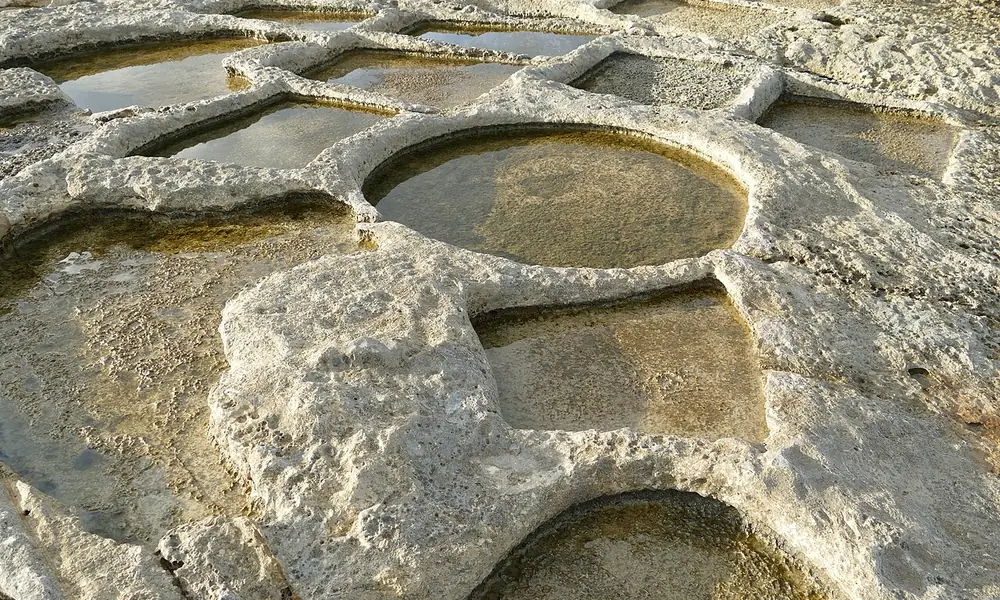
The heart of the build is the pan room. Shallow brine pans sit over or beside the fire chamber, usually in a row so that brine can be moved from a cooler pan to a hotter one as it concentrates. The fire chamber itself is a brick or steel box with a grate, an ash pit and an air inlet the operator can open or close. Above the pans, a hood or flue pulls steam out of the room, because steam that hangs in the air condenses on the roof and drips back into the pans. Around the pans sits the drying floor, a warm, flat surface where fresh salt is spread thin to finish drying before it is graded and bagged.
The brine side of the job is just as important as the brickwork. A startup has to know where the brine comes from, how salty it is, how fast it arrives and where it is stored before it reaches the pans. Some sites draw brine from a well or a spring, others bring it in by tank, and a few make it by dissolving rock salt in fresh water. The strength of the brine changes everything downstream: weak brine needs more heat and more time to reach the same weight of salt, while strong brine can throw down crystals too fast and coat the pan in scale. An installation startup that measures the brine first and sizes the pans second avoids the most common failure in the trade, which is a handsome kiln that cannot finish a batch.
The distinction from other kilns is practical rather than academic. A salt kiln is not a corn kiln that dries harvested grain on a perforated floor, and it is not a hop kiln that dries green hops on a drying floor above a fire. Grain and hops are solids that need warm air moving through them, while brine is a liquid that needs steady heat under a shallow pan. The salt kiln is also not an outdoor kiln built for firing ceramics, where the goal is a temperature curve that hardens clay without cracking it. In a salt kiln the goal is a steady evaporation rate that leaves clean crystals, and the temperature that achieves it is far lower than a firing temperature. The builder who understands that difference sizes the fire smaller, the pans wider and the flue taller than a ceramic kiln builder would.
Heat, draught and salt handling make up the rest of the trade. The fire must be controllable, because a salt kiln runs for hours at a steady simmer rather than in a short, fierce firing. The draught must be strong enough to carry steam away without pulling the fire into a roar. And the salt itself must be handled cleanly, raked from the pan with tools that do not chip the pan surface, spread on the drying floor without picking up grit, and stored dry. A startup that plans all three together, rather than treating the kiln as a brick box and the salt as an afterthought, delivers a kiln that a salt maker can run every day.
The 9 best AI tools for salt kiln installation startups
The nine tools below cover the whole job, from the first site survey to the last bag of salt. Each one was chosen because it answers a question a salt kiln startup actually asks: where the kiln should sit, how the pans should be laid out, how hot the fire should run, how much brine the job needs, and how the harvest is recorded. Used together, they give a small team the planning power of a much larger firm, and they keep the numbers honest when a client asks how much salt a new kiln will make.
1. BrinePan Planner AI
BrinePan Planner AI takes a room size and a target daily output and returns a pan layout: how many pans, how wide and shallow each one should be, and how they should sit over the fire chamber. It accounts for the way brine moves between pans as it concentrates, so the layout it suggests has a natural flow from a cool receiving pan to the hot finishing pan. The planner also flags layouts that would leave one pan starved of heat while another boils, a common fault in kilns drawn by hand.
For a startup, the value is in the quote stage. A client who asks for a kiln that makes a certain weight of salt a day can be shown a pan plan that matches that output, with the fire size and brine intake to go with it. The tool keeps the conversation honest, because a pan layout that cannot evaporate enough water in a working day is visible before any bricks are ordered. BrinePan Planner AI is the first tool to open on a new job, and the layout it produces becomes the drawing the rest of the build follows.
2. EvapCurve AI
EvapCurve AI models the evaporation curve of a salt kiln: how fast brine loses water at a given pan temperature, brine strength and room humidity. It turns the fire chamber, the pan area and the flue into a single curve a builder can read at a glance, showing where evaporation is fast, where it stalls, and where the brine is at risk of boiling over or scaling the pan. The model can be run for a weak brine and a strong brine side by side, which shows a client why the same kiln behaves differently with different brine.
The practical use is in setting the firing schedule. A startup can tell the salt maker what temperature to hold in the first hour, when to top up the pans, and when to stop feeding the fire and let the crystals finish forming. That schedule is the difference between a kiln that produces steady salt all day and one that alternates between frantic boiling and long stalls. EvapCurve AI also helps after handover, because the salt maker can compare the real evaporation against the modelled curve and spot a blocked flue or a tired fire before it ruins a batch.
3. PanHeat Monitor AI
PanHeat Monitor AI watches pan temperatures through a firing and warns the operator before a pan overheats or goes cold. It reads temperature sensors under the pans and turns the readings into a simple display: which pans are in the right range, which are running hot, and which need more fire or more brine. The alerts are plain and timely, so a single operator can manage a row of pans without standing over them all day.
The tool earns its place on jobs where the kiln will be run by a small team or a single salt maker. A pan that runs too hot throws up spray that carries salt onto the fire and the flue, while a pan that runs too cold wastes a day. PanHeat Monitor AI keeps the whole row inside the working band, and it keeps a log of every firing so the startup can show a client exactly how the kiln behaved in its first month. That log is also the evidence a startup needs when a client reports a problem and the cause turns out to be a firing habit rather than a build fault.
4. BrineFlow Estimator AI
BrineFlow Estimator AI works out how much brine a kiln needs, how fast it must arrive, and how big the storage tanks should be. It starts from the target salt output and the measured strength of the brine, then calculates the daily brine volume, the delivery rhythm and the buffer a site needs for a slow delivery or a dry spell. The estimate covers the whole chain from source to pan, including the settling tank where grit drops out before the brine reaches the pans.
For a startup, brine flow is a quiet risk that becomes loud only after handover. A kiln with too little storage stops every time a delivery is late, while a kiln with too much storage ties up money in tanks and brine that sits and grows stale. BrineFlow Estimator AI sizes the chain to the job, and it gives the client a plain number for brine cost per bag of salt, which is the figure that decides whether the kiln pays. It is the tool that turns a salt kiln from a building project into a working business.
5. SaltGrade Sense AI
SaltGrade Sense AI grades the finished salt by crystal size, colour and dampness, using photographs of the drying floor and the bagged salt. It sorts each batch into grades a buyer can understand, from fine table salt to coarse crystals, and it flags batches that are damp, discoloured or mixed with grit. The grading is consistent from batch to batch, which matters when a salt maker sells to the same buyers week after week.
The startup value is in the handover pack. A new kiln owner who can grade every batch the same way can price it properly and keep buyers coming back. SaltGrade Sense AI also helps the builder, because the grade of the salt is a report card on the kiln: clean, even crystals mean the pans ran at the right temperature, while damp or dirty salt points to a drying floor that needs more heat or a pan that needs cleaning. A startup that leaves this tool running after handover gets early warning of a kiln that is drifting out of tune.
6. SaltDry Planner AI
SaltDry Planner AI plans the drying stage, from the moment salt leaves the pan to the moment it goes into the bag. It sizes the drying floor, sets the spreading depth, and works out how long each batch needs on the floor at the kiln’s spare heat. It also plans the rotation, so that fresh salt goes onto the floor as dry salt comes off, and the floor is never left idle or overloaded.
Drying is the stage most often squeezed in a small build, because the pans and the fire get the attention and the floor gets whatever space is left. SaltDry Planner AI makes the case for giving the floor its proper share, showing how a cramped floor forces the salt maker to bag damp salt or to stop the pans while the floor clears. The planner’s schedule keeps the whole kiln moving at one rhythm, and it is the tool that stops the drying floor from becoming the bottleneck that caps the kiln’s output.
7. KilnSalt Survey AI
KilnSalt Survey AI reads a site survey and reports whether the site suits a salt kiln, and where the kiln, the brine store and the drying floor should sit. It weighs the ground, the water supply, the wind, the access for brine deliveries and salt collection, and the distance to neighbours who will notice smoke and steam. The survey output is a marked-up plan with the kiln position, the flue height and the delivery route drawn in.
A startup that surveys with this tool avoids the expensive mistake of building a good kiln in the wrong place. A site with poor access means brine arrives late and salt leaves slowly, while a site with the flue facing the wrong way means steam and smoke blow back into the pan room. KilnSalt Survey AI also produces the drawings a planning application needs, which shortens the permission stage of the job. It is the tool that keeps a salt kiln project on the right ground from the first visit.
8. BrinePermit AI
BrinePermit AI gathers the permissions a salt kiln needs: planning consent for the building, consent for drawing brine or discharging waste water, and any local rules about smoke, steam and salt storage. It lists each permission, the evidence each one needs, and the order to apply in, so the startup does not start building before the paper is ready. The tool tracks each application and flags the ones that are close to a deadline.
Permissions are the slow part of a salt kiln job, and a startup that treats them as an afterthought loses months. BrinePermit AI keeps the paper moving alongside the build, so the kiln is ready to fire on the day the last consent lands. It also keeps a record of every consent and condition, which protects the salt maker later when a neighbour or an inspector asks what the kiln is allowed to do. For a small team, that record is worth as much as the kiln itself.
9. SaltHarvest Ledger AI
SaltHarvest Ledger AI is the harvest book: every batch weighed from pan to bag, every brine delivery logged, every sale recorded, and the yield of each firing worked out automatically. It shows the salt maker which firings produced the most salt per litre of brine, which batches were graded down, and what the kiln earned in a week or a month. The ledger is simple enough to keep up during a busy harvest, and it produces the monthly summary a small business needs for its accounts.
The startup that installs this ledger gives its client a business, not just a building. A salt maker who knows the yield of every firing can spot a falling yield early, price the salt to cover the brine and the fuel, and prove the kiln’s output to a buyer or a lender. SaltHarvest Ledger AI also closes the loop for the builder, because a kiln whose ledger shows steady yields is a kiln that was sized right. It is the last tool in the list and the one that keeps the salt kiln earning long after the builders have left.
Salt kiln tools at a glance
| Tool | Best for | Standout feature |
|---|---|---|
| BrinePan Planner AI | Pan layout | Flow from cool receiving pan to hot finishing pan |
| EvapCurve AI | Evaporation modelling | One readable curve for fire, pans and flue |
| PanHeat Monitor AI | Live firing | Plain alerts before a pan overheats or cools |
| BrineFlow Estimator AI | Brine supply | Daily brine volume and storage sizing |
| SaltGrade Sense AI | Grading salt | Consistent crystal grading from photographs |
| SaltDry Planner AI | Drying floor | Rotation schedule that stops the floor bottlenecking output |
| KilnSalt Survey AI | Site choice | Marked-up plan with kiln, flue and delivery route |
| BrinePermit AI | Permissions | Every consent listed in application order |
| SaltHarvest Ledger AI | Harvest records | Yield per firing worked out automatically |
How a salt kiln build comes together
A salt kiln job moves in a clear order, and the tools above follow that order. The survey comes first, with KilnSalt Survey AI marking the ground, and the permissions run alongside it through BrinePermit AI. Then the pan layout is drawn with BrinePan Planner AI, the evaporation curve is modelled with EvapCurve AI, and the brine supply is sized with BrineFlow Estimator AI. Only when those numbers agree does the brickwork start, because a kiln built on untested numbers is a kiln that gets rebuilt.
The build itself is masonry, steel and flue work, and it rewards a team that has planned the heat path before lifting a trowel. The fire chamber goes in first, then the pan supports, then the pans themselves, then the hood and flue, then the drying floor. Each stage is checked against the plan, and the first firing is a test, not a harvest: the pans are filled with water first, the fire is lit gently, and the team watches the evaporation curve against the model. A kiln that matches its model on the test firing is ready for brine, and a kiln that does not is adjusted before salt is ever at stake.
The heat in a salt kiln behaves differently from the heat in other mineral kilns. A salt kiln runs at a steady simmer for hours, while a lime kiln that burns limestone runs far hotter to drive off carbon dioxide, and the materials, the lining and the flue are chosen for those different temperatures. The salt kiln builder who borrows a lime kiln’s firebox without adjusting it will boil the brine too hard and scale the pans, while the builder who respects the simmer gets clean crystals and a long pan life. Knowing which kiln family a design belongs to is part of the trade, and it is why the salt kiln keeps its own tools rather than borrowing a hotter kiln’s kit.
Salt kiln startup checklist
- Measure the brine first: strength, flow and grit, before sizing a single pan.
- Model the evaporation curve for the site’s brine, not for a textbook brine.
- Give the drying floor its full share of space, so damp salt never has to be bagged.
- Size the flue to carry steam away without pulling the fire into a roar.
- Line up every permission before the brickwork starts, in application order.
- Hand over a harvest ledger with the kiln, so the first month’s yield is recorded from day one.
Frequently asked questions
What is a salt kiln?
A salt kiln is a heated build that turns brine into dry salt. Shallow pans of brine sit over a fire chamber, the heat evaporates the water, and the salt crystals left behind are raked out, dried on a warm floor, graded and bagged. The kiln exists to evaporate water at a steady, controlled rate.
How is a salt kiln different from a corn kiln?
A corn kiln dries harvested grain, a solid, by moving warm air through it on a perforated floor. A salt kiln evaporates brine, a liquid, by holding it in shallow pans over steady heat. The materials, the temperatures and the daily routine are different, even though both kilns use fire and draught.
How is a salt kiln different from a ceramic kiln?
A ceramic kiln fires clay to harden it, running far hotter than a salt kiln and following a firing curve that avoids cracking the ware. A salt kiln simmers brine to evaporate water, running cooler and longer. The firebox, the lining and the flue are sized for those different jobs.
How much brine does a salt kiln need each day?
It depends on the strength of the brine and the target salt output. Strong brine needs far less volume than weak brine for the same weight of salt, which is why the brine should be measured before the kiln is sized. A brine flow estimate that starts from the measured strength gives the daily volume, the delivery rhythm and the storage size.
What goes wrong most often in a salt kiln?
The common failures are a pan that runs too hot and scales over, a flue that cannot carry the steam away, a drying floor too small for the harvest, and a brine supply that runs short. All four are planning failures rather than building failures, and all four show up in the numbers before the first brick is laid.
Do I need permission to build a salt kiln?
Most sites need planning consent for the building, and many need consent for drawing brine or discharging waste water, plus local rules on smoke and steam. The permissions should be listed and applied for in order before building starts, so the kiln is ready to fire when the last consent arrives.
Bottom line
A salt kiln installation startup succeeds when it treats the kiln as an evaporation machine rather than a brick box. Measure the brine, model the curve, lay out the pans to match, give the drying floor room, and keep a harvest ledger from the first firing. The nine tools above cover each of those steps, and a team that uses them together can quote honestly, build once, and hand over a kiln that makes clean salt every working day.

Keep what speaks to you.
Leave room for your own perspective.