
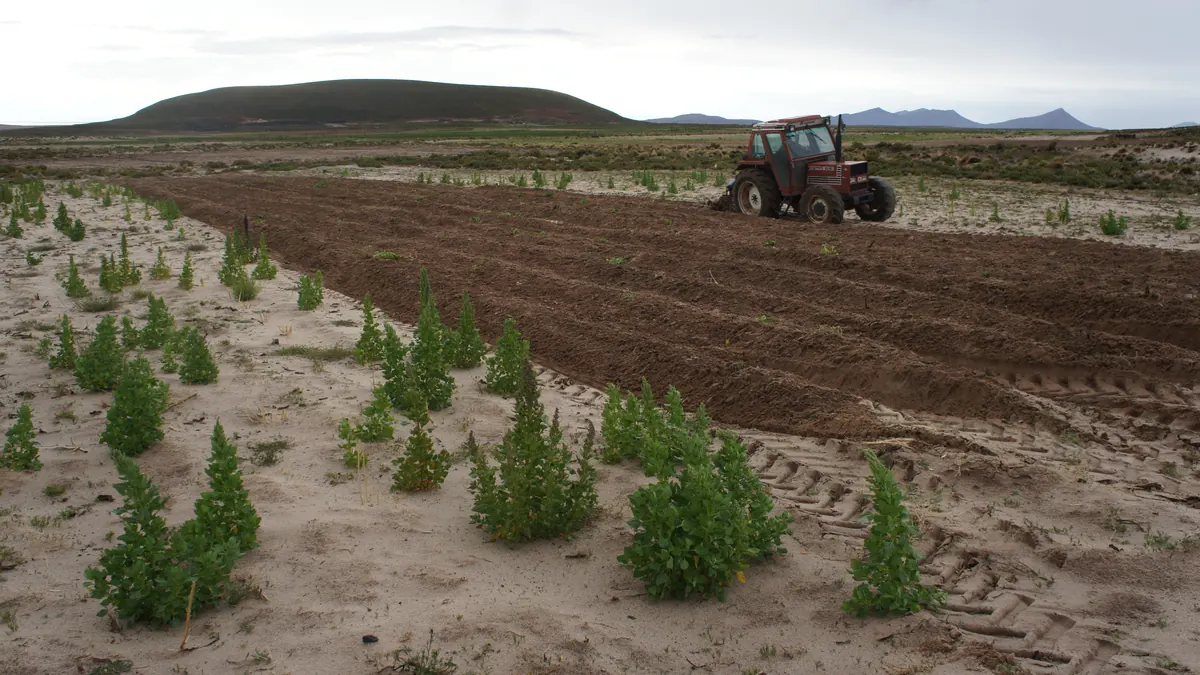
A quinoa farm is not a lowland grain field moved uphill. It is a high-altitude seed crop grown where the air is thin, the nights are cold, the sun is fierce by day, and the soil is often light, sandy and short on water. Quinoa evolved on the Andean Altiplano, several thousand metres above sea level, and it still behaves like a mountain plant: it tolerates frost better than most grain crops, it copes with poor soil, and it produces a small, light seed that must be handled gently from sowing to storage. A founder who plans it like any other cereal field will sow at the wrong density, lose plants to a single frost night, thresh too hard and crack the seed, or deliver grain that still tastes bitter because the saponin coating was never washed off properly.
That is why a quinoa farm installation startup needs tools built around altitude, seed and grain rather than generic farm software. The work starts before a seed is sown, with choosing a plot high enough to suit the variety but sheltered enough to survive the wind, and it ends after harvest, with threshing, winnowing, washing and drying a fragile seed that buyers will reject if it is broken, damp or bitter. Between those two points sit seed sorting, frost watches, thin-air stress checks, harvest timing, storage and the quotes and records that keep a small business honest. Each of the nine tools below covers one of those jobs, and together they cover the whole build from bare high ground to a graded, washed sack of grain ready for sale.
This guide compares the best AI tools for quinoa farm installation startups in 2026, with the emphasis on what each tool actually does on a real quinoa plot. Every tool is judged on the quinoa-growing build: seed, altitude, thin air, harvest, grain and saponin washing. Nothing here is a generic farm app with the word quinoa pasted on the front. If a tool cannot help with a high-altitude seed crop, it does not belong on the list, and the checklist at the end shows the order to buy and use them so a new founder spends money on the ground first and on paperwork last.
Key takeaways
- Quinoa is a high-altitude pseudocereal, not a lowland cereal: altitude, frost and thin air shape every decision, from plot choice to harvest day.
- Seed quality decides the crop before sowing starts — sort the seed lot, check germination, and set the rate for thin, sandy mountain soil.
- Frost is the biggest single risk: one cold night at flowering can cut the yield, so frost watches and harvest timing matter more than fertiliser.
- Threshing must be gentle and washing must be thorough: quinoa seed cracks easily, and unwashed saponin leaves the grain bitter and unsellable.
- Buy the altitude, seed and frost tools first; add threshing, washing and storage tools once the crop is standing, and keep quotes and records in one place from day one.
At a glance: the nine tools
| Tool | Job | When |
|---|---|---|
| AltitudePlot AI | Plot and altitude selection | Before sowing |
| QuinoaSeed Sort AI | Seed sorting and germination | Before sowing |
| ThinAir Sense AI | Altitude stress and thin-air checks | Sowing to flowering |
| FrostNight Guard AI | Frost watches and cold-night alerts | Sowing to harvest |
| QuinoaThresh AI | Gentle threshing and winnowing | Harvest |
| SaponinRinse AI | Saponin washing and rinse checks | After threshing |
| QuinoaBin Sense AI | Dry grain storage and bin checks | After washing |
| QuinoaQuote AI | Quotes, invoices and buyer records | All season |
| QuinoaLedger AI | Costs, sales and farm records | All season |
The best AI tools for quinoa farm installation startups
The nine tools below are grouped in the order a founder uses them, from plot choice to the ledger. Each one is judged on the quinoa build alone: high-altitude seed, thin air, frost, gentle threshing, saponin washing and dry grain storage.
AltitudePlot AI: The Best Tool for Choosing a High-Altitude Plot
AltitudePlot AI reads the ground before a founder spends anything on seed. It takes the altitude, slope, aspect, wind exposure and soil type of each candidate plot and ranks them for quinoa, favouring high, open ground with good drainage and a slope that sheds cold air instead of pooling it in a frost hollow. A plot that looks flat and easy on a map can be the coldest patch on the farm, and this tool is the one that catches that before the seed goes in.
A new founder uses it by walking each plot with a phone, marking the boundaries, and letting the tool score the site against the variety they plan to grow. It flags plots that sit too low for the variety, ground that stays wet after rain, and corners where wind will strip moisture from young plants. It also keeps the better plots for the seed crop and steers buildings, tracks and storage to the ground that grows worst, which is a small decision that saves a surprising amount of money over a first season.
The check that matters is the frost-hollow test. If AltitudePlot AI marks a plot as a cold-air pocket, do not sow the main crop there, however convenient the access is. Use it for a trial strip only, and keep the main sowing on the higher, better-drained ground the tool ranks first. A quinoa startup that starts on the right plot has already avoided the most expensive mistake in the whole build.
QuinoaSeed Sort AI: The Best Tool for Sorting Seed and Checking Germination
QuinoaSeed Sort AI works on the seed lot itself, and that is where the crop is really decided. Quinoa seed is small and light, and a sack can hide broken seed, empty seed, weed seed and seed from a different variety. This tool grades a sample by size and weight, estimates germination from the sample, and sets a sowing rate that fits the lot in hand rather than a rate printed on a bag for a different farm in a different year.
In practice the founder takes a sample from each sack, runs it through the tool’s checks, and gets a simple answer: sow this lot, sow it heavier, blend it, or reject it. That answer matters more on thin mountain soil than anywhere else, because a weak lot sown at a standard rate leaves gaps that weeds fill, while a strong lot sown too thickly wastes expensive seed and crowds the plants until they lodge. The tool also records which lot went into which plot, so a poor patch in July can be traced back to a sack, not blamed on the weather.
The habit to build is sampling every sack, not every delivery. Two sacks from the same supplier can behave differently, and the tool only helps if it sees the seed that is actually going into the ground. Keep the rejected seed out of the main sowing, use it for a trial strip if it is worth testing at all, and never let a pretty label stand in for a germination check.
ThinAir Sense AI: The Best Tool for Altitude Stress and Thin-Air Checks
ThinAir Sense AI watches how the crop copes with thin air, strong sun and dry wind at altitude. At height the air holds less moisture, the sun burns harder, and the temperature can swing from warm afternoon to near-freezing night in a few hours. Quinoa tolerates that better than most crops, but young plants still suffer when the wind strips moisture faster than the roots can replace it, and the tool’s job is to spot that stress while there is still time to act.
The founder uses it through the growing season, checking the daily stress reading for each plot and comparing it with the growth stage of the plants. When the reading climbs, the answer is usually water at the right time, a windbreak repair, or simply waiting out a dry spell rather than feeding a stressed crop. The tool also logs which plots suffer first, and that record is worth keeping, because the plots that stress early in year one are the plots to plant last, or not at all, in year two.
What this tool does not do is replace looking at the plants. A stress score is a prompt to walk the plot, not a diagnosis on its own. Check the leaves, check the soil under the surface, and only then decide whether the crop needs water, shelter or nothing at all. Used that way, ThinAir Sense AI turns altitude from a vague worry into a daily number a small team can act on.
FrostNight Guard AI: The Best Tool for Frost Watches and Cold-Night Alerts
FrostNight Guard AI is the tool that guards the crop on the nights that decide the harvest. Quinoa can survive light frost when it is young, but a hard frost at flowering can strip the yield from a whole plot in a single night, and at altitude those nights arrive with little warning. This tool tracks the temperature curve through the evening, forecasts the overnight low for each plot, and sends an alert early enough for a small team to act.
A founder sets the alert thresholds by growth stage, because a frost that a seedling shrugs off will damage a flowering plant. When an alert comes in, the work is practical: check the low plots first, cover or protect the most exposed trial rows, hold off irrigation that would leave wet leaves to freeze, and move the harvest plan forward if the crop is close to ripe. The tool also keeps a frost log for the season, and that log becomes the evidence for next year’s variety choice and plot ranking.
The mistake to avoid is treating a frost alert as a reason to panic-spray or panic-feed. Cold damage cannot be fed away, and a stressed plant takes up little of anything sprayed on it at night. The right response is protection, patience and a clear record, and FrostNight Guard AI is the tool that makes that response possible on a farm where the founder cannot watch every plot at once.
QuinoaThresh AI: The Best Tool for Gentle Threshing and Winnowing
QuinoaThresh AI plans the threshing step, which is where good quinoa is most often ruined. The seed is small, the seed coat is thin, and a thresher set for a tougher grain will crack a large share of the crop and turn a premium product into broken grain fit only for feed. This tool sets the drum speed, the clearance and the feed rate for quinoa specifically, and it adjusts those settings as the moisture of the harvested plants changes through the day.
On harvest day the founder feeds a small test batch first, checks the cracked-seed count the tool reports, and only then runs the full load. The tool also plans the winnowing, because quinoa seed is light enough to blow away with the chaff if the fan is set too high, and heavy enough to stay dirty if the fan is set too low. Getting that balance right is a quiet skill, and the tool turns it into numbers a new operator can follow without a season of trial and error.
Keep a sample from every threshing run and compare the crack rate across the day. If the rate climbs as the plants dry out, slow the drum and widen the clearance rather than pushing through to finish early. A slower threshing day that keeps the seed whole is worth more than a fast day that fills the sacks with broken grain.
SaponinRinse AI: The Best Tool for Saponin Washing and Rinse Checks
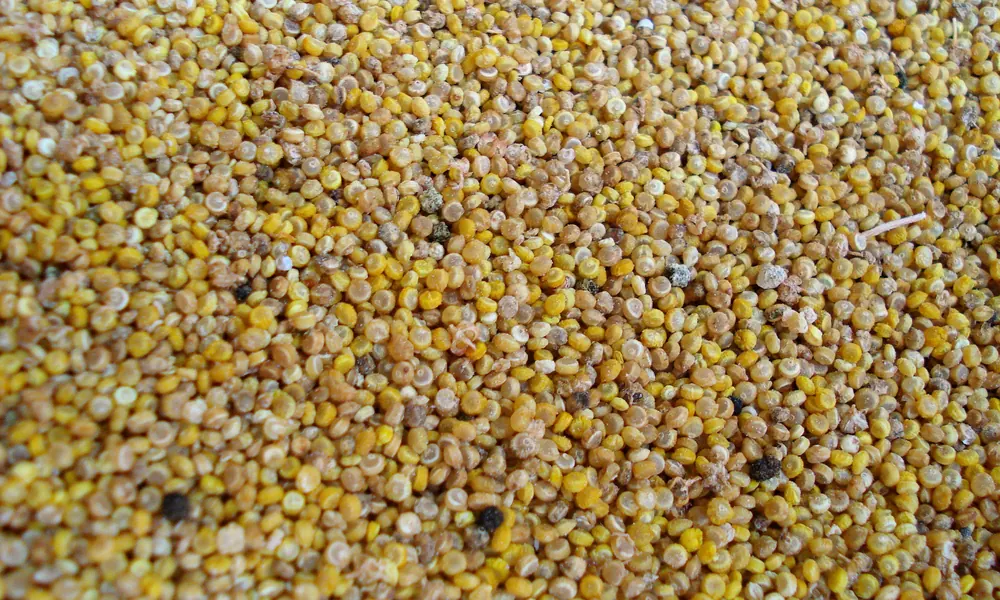
SaponinRinse AI covers the step that makes quinoa edible: washing the bitter saponin coating off the seed. Every quinoa grain carries a thin layer of saponin, and if it is not washed off properly the cooked grain tastes bitter and soapy, however well it was grown. This tool plans the wash cycles, tracks the water use, and tests the rinse water so the founder knows when the grain is clean instead of guessing.
The practical routine is simple but easy to rush. The grain is washed in batches, the rinse water is checked after each cycle, and the batch is only passed when the test shows the saponin has dropped to the target level. The tool records how many cycles each batch needed, which matters because a batch that needed five washes probably came from a plot or variety with a heavier coating, and that is information worth carrying into next year’s seed choice.
Do not skip the final rinse test to save time, and do not wash in water that is already loaded with saponin from an earlier batch. Clean water, counted cycles and a recorded result are the whole discipline, and SaponinRinse AI is the tool that keeps that discipline honest when the harvest is piling up and the temptation is to call a batch done a wash early.
QuinoaBin Sense AI: The Best Tool for Dry Grain Storage and Bin Checks
QuinoaBin Sense AI watches the grain after washing and drying, when a good harvest can still be lost in the store. Quinoa seed must go into the bin dry, and it must stay dry, because damp seed heats, moulds and loses germination in a matter of days. This tool tracks moisture and temperature in each bin, warns when a bin starts to warm, and tells the founder which bin to sell, move or dry first.
A new founder uses it by logging each batch into its own bin record, with the moisture reading at intake, the wash date and the variety. That record is what stops a damp batch from being mixed with a dry one, which is the single most common storage mistake on a small farm. The tool’s alerts are deliberately simple: a bin that warms by a degree overnight needs checking the next morning, not next week.
The rule is to dry before you store, not after. If the moisture reading is above the target, dry the batch again before it goes into the bin, even if that means a late finish. QuinoaBin Sense AI cannot rescue grain that went in wet; it can only warn early enough that a founder who listens still has time to act.
QuinoaQuote AI: The Best Tool for Quotes, Invoices and Buyer Records
QuinoaQuote AI handles the selling side, which is where many small growers lose money they never notice. Quinoa buyers grade on seed size, cleanliness, moisture and saponin level, and a quote that ignores those grades will either lose the sale or sell premium grain at a standard price. This tool builds quotes from the actual batch record, so the price follows the grain that is really in the sack.
The founder uses it to quote each batch separately, with the grade, the moisture reading and the wash result attached to the quote. That stops the common habit of quoting one price for the whole harvest when half of it is premium and half of it is not. It also keeps every quote, invoice and buyer note in one place, so a buyer who asks for the same grade next season can be quoted from the record instead of from memory.
Keep the quote honest about the batch. If a batch tested high on saponin before washing and clean after, say so, and show the rinse record. Buyers who cook with quinoa remember a bitter batch for years, and a clean record is the cheapest marketing a new farm will ever buy.
QuinoaLedger AI: The Best Tool for Costs, Sales and Farm Records
QuinoaLedger AI keeps the money straight across a season where costs arrive months before any income. Seed, plot preparation, threshing, washing, drying and storage all cost money before a single sack is sold, and a founder who cannot see those costs by plot and by batch cannot tell which part of the farm actually pays. This tool records every cost against the plot and batch it belongs to, and matches it against the sales that batch eventually makes.
In practice that means logging costs as they happen, not at the end of the season from a pile of receipts. A plot that cost more to prepare but yielded clean, high-grade grain may be the best plot on the farm, while a cheap plot that produced bitter, broken grain may be the worst. Without the ledger those two plots look the same on a bank statement, and the founder will plant the wrong one again next year.
The discipline is weekly, not yearly. Ten minutes a week keeping the ledger current beats a weekend of reconstruction in winter, and it is the record a buyer, a lender or a partner will ask for first. QuinoaLedger AI is the least exciting tool on this list and the one a founder will miss most if it is skipped.
How to choose and sequence the tools
Buy in the order the crop needs the tools, not in the order the adverts arrive. AltitudePlot AI and QuinoaSeed Sort AI come first, because a wrong plot or a weak seed lot cannot be fixed later in the season. FrostNight Guard AI and ThinAir Sense AI come next, because they guard the growing crop through the riskiest weeks. QuinoaThresh AI, SaponinRinse AI and QuinoaBin Sense AI are harvest tools, and they should be ready before the first plant is cut, not ordered when the grain is already in sacks. QuinoaQuote AI and QuinoaLedger AI run all season in the background, and they cost the least to start, so start them on day one even though they feel like paperwork.
Compare the tools on the quinoa build, not on their feature lists. A tool that cannot tell a frost hollow from a good plot, or a saponin wash from a rinse, is not a quinoa tool, however polished its dashboard looks. Ask each supplier for a trial on one plot and one batch, check the cracked-seed count after threshing, taste the washed grain, and read the bin moisture log before committing to a full season. The tools that survive that trial are the ones to keep, and the rest can go back, however good their sales call sounded.
A short contrast keeps the choice honest. A lowland cereal build plans around drilling dates and spray windows on flat, fertile ground, and the closest grain comparisons on this site are the millet farm installation guide and the wheat farm installation guide, which both work from seed rates and harvest maps for their own crops. Quinoa needs the same discipline, but at altitude, with frost nights, thin air and a saponin wash that neither of those builds has to plan for. The sorghum farm installation guide is another useful grain comparison, because sorghum also grows on dry ground, yet it is a warm-climate grain that never faces the cold nights and the washing step that define a quinoa harvest.
Quinoa farm installation checklist
- Walk every candidate plot with AltitudePlot AI and rank it before buying seed — reject frost hollows for the main crop, however handy they look.
- Sample every seed sack with QuinoaSeed Sort AI, record the germination result, and set the sowing rate from the lot in hand.
- Set FrostNight Guard AI thresholds by growth stage and check the overnight forecast every evening from flowering onward.
- Run a small threshing test with QuinoaThresh AI first, count the cracked seed, and only then run the full harvest load.
- Wash every batch with SaponinRinse AI, test the final rinse, and do not pass a batch that still tastes bitter or tests high.
- Dry to target moisture, log each batch into QuinoaBin Sense AI separately, and quote it with QuinoaQuote AI from its own grade record.
Frequently asked questions
What is a quinoa farm installation startup?
A quinoa farm installation startup is a small business that sets up a quinoa-growing farm from bare ground: it chooses and prepares high-altitude plots, sows graded quinoa seed, guards the crop through frost and thin-air stress, harvests it, threshes it gently, washes the saponin off the grain, dries it and stores it ready for sale. It is an installation business as much as a growing business, because the first season is mostly groundwork — plot selection, seed sourcing, threshing setup and washing setup — and the crop itself is the proof that the setup works.
How much does it cost to start a quinoa farm installation business?
The cost depends on the size of the plots, whether the founder already owns threshing and washing equipment, and how much ground preparation the site needs. The tools in this guide are the smaller part of the bill: the larger costs are seed, labour at harvest, water for washing, and drying and storage. A founder should budget for a trial plot in year one, keep the tool spend to the altitude, seed and frost tools first, and only scale the harvest equipment once the first crop has proved the ground and the variety.
When should quinoa be harvested?
Quinoa is ready when the seed is hard, the leaves have dropped, and the seed heads feel dry to the touch, which is usually in the dry weeks after flowering. Harvest too early and the seed is soft and damp, which makes threshing messy and storage risky. Harvest too late and the seed shatters in the field, especially after wind or rain. The practical test is to rub a seed head in the hand: if the seed comes away cleanly and feels hard, it is time, and FrostNight Guard AI helps by showing whether a frost night is coming that would force the harvest forward.
Why does quinoa taste bitter, and how is it fixed?
Quinoa tastes bitter because of saponin, a natural coating on the seed that protects it from birds and insects in the field. It is not a sign of bad growing; every quinoa variety carries some saponin, though some carry more than others. The fix is washing: the grain is rinsed in clean water in counted cycles until the rinse water tests clean, and that is exactly what SaponinRinse AI plans and checks. Grain that has been washed properly tastes mild and nutty, and grain that has not will taste soapy however well it was cooked.
Can quinoa grow at low altitude?
Quinoa can grow at lower altitudes, but it performs best as a high-altitude crop, and the varieties bred for the Altiplano expect cool nights, strong sun and a short season. At low altitude the crop faces more heat, more pests and a longer, softer season, and the seed quality often falls. A founder at low altitude should choose a variety bred for those conditions, use AltitudePlot AI to find the coolest, best-drained ground available, and treat the first season as a trial rather than a full commercial crop.
What goes wrong most often on a new quinoa farm?
The most common failures are a frost hollow chosen for convenience, a weak seed lot sown at a standard rate, threshing set too hard so the seed cracks, and a saponin wash cut short so the grain tastes bitter. Each of those is preventable, and each is covered by one of the tools in this guide. The pattern is the same every time: the mistake happens early, the cost appears late, and the record that would have caught it was never kept. Start with the plot and the seed, guard the frost nights, thresh gently, wash thoroughly, and keep the ledger current.
Bottom line
A quinoa farm succeeds on altitude discipline, not on scale. Choose the high, well-drained plot, sow a tested seed lot at the right rate, watch the frost nights, thresh gently, wash the saponin off properly, and store the grain dry. The nine tools in this guide cover those jobs in order, and a founder who buys them in that order — plot and seed first, frost and air next, threshing, washing and storage at harvest, quotes and records all season — will have a small farm that produces clean, mild-tasting grain a buyer will come back for. Start with one trial plot, prove the ground and the variety, and scale from the record, not from optimism.

Keep what speaks to you.
Leave room for your own perspective.


