A pump house is a small insulated outbuilding with one job: keep a pump and its pressure system alive through every season. It is not the pump itself, and it is not a general garden shed. The building shelters the pump, the pressure tank, the pipework and the controls, and it has to do that while staying dry inside, staying above freezing in winter, and letting a technician reach everything without dismantling a wall. Get the building wrong and even a perfect pump install fails the first hard frost.
That difference is what makes a pump house installation startup a distinct business. A well pump installation crew sells the pump and the water; a pump house crew sells the building around it. The work is part carpentry, part plumbing and part cold-weather engineering: a level pad, a framed and insulated shell, a door wide enough for a tank, a vent that does not let in snow, and a heat source that keeps the pipes above freezing when nobody is watching. Customers judge the job by one thing, which is whether the water still runs on the coldest morning of the year.
The AI tools in this guide are chosen for that specific build, not for pump sales in general. They measure the shell, lay out the pump and tank inside it, price the job, book the crew, photograph each stage, size the pressure system, protect the pipes from frost and fit access that actually works. Nine tools made the cut, each one earning its place by solving a pump house problem that a generic builder app does not.
Key takeaways
- A pump house is a small insulated outbuilding for the pump and pressure system, so judge tools on the building, the tank, frost protection and access, not on pump sales alone.
- Measure and plan the shell first: a phone scan and a 3D layout prevent the most common failure, which is a tank that does not fit through the door.
- Price the whole build, including insulation, heat and access, because the cheapest quote usually leaves out the parts that stop a freeze.
- Photograph every stage of the build, since dated photos are the best defence when a customer claims the insulation was never fitted.
- Size the pressure tank and the frost protection together, because a tank that short-cycles and a pipe that freezes are the two call-backs that eat a startup’s margin.

How the best AI tools for pump house installation startups compare
| Tool | Best for | What it does on a pump house job | Starting point |
|---|---|---|---|
| Magicplan | Measuring the shell | Phone scan that draws the floor plan and interior layout | Free plan, paid plans for teams |
| Floorplanner | Customer-approved layouts | 3D plan showing pump, tank, door swing and clearances | Free plan, paid plans for exports |
| Jobber | Running the whole business | Quotes, scheduling, invoicing and customer records | Paid monthly plans |
| Housecall Pro | Bookings and dispatch | Online booking, dispatch and emergency call handling | Paid monthly plans |
| CompanyCam | Photo records | Time-stamped job photos organised by project | Paid monthly plans |
| Amtrol Well-X-Trol | Pressure tanks | Bladder tanks sized to the pump and the household demand | Buy per tank |
| Franklin Electric SubDrive Connect | Constant pressure | Variable-speed control that holds steady pressure | Buy per controller |
| Heat-Line Retro-Line | Frost protection | Self-regulating heat cable for pipes through the shell | Buy per length |
| Bilco | Access doors and hatches | Weather-tight doors and hatches for entry and servicing | Buy per door |
How the tools in this guide were judged
Every tool here was judged against the pump house build itself, in the order a real job runs: measure the site, plan the shell, price the work, build it, fit the pressure system, protect it from frost and hand over access that works. A tool that is excellent for general builders but blind to insulation, tank clearances or freeze protection did not make the list. Price mattered too, because a new startup cannot carry five subscriptions before its first paid job, so the list favours tools with a free starting tier or a clear per-job cost.
Plan the pump house before you price it
Most pump house problems are planning problems. The tank arrives and does not fit through the door. The pump sits where the door swings. The insulation leaves a gap behind the pressure switch, and that gap is exactly where the first freeze starts. A shed installation crew can forgive a loose plan because a shed stores garden tools; a pump house stores a pressurised water system, so every centimetre of clearance matters and every cold bridge is a future call-back.
1. Magicplan: The Best Tool for Measuring the Pump House Shell
Magicplan turns a phone into a measuring tool. Walk around the site, scan the walls and corners, and the app draws a floor plan with dimensions that are close enough to price from and accurate enough to order materials against. For a pump house startup, that matters because the first visit is often a muddy field with a well head and nothing else, and the customer wants a price before the crew has even dug the pad.
The scan does more than measure the outside walls. Inside the shell, Magicplan lets the installer mark where the pump, the tank, the pressure switch and the drain will sit, and then check the clearances between them on the spot. A pressure tank needs room to be lifted in, a pump needs space around it for servicing, and the door needs a clear swing. Catching a clash on a phone screen costs nothing; catching it after the framing is up costs a day.
The app also builds a record the startup keeps. Each scan is saved with the address, the date and the photos, so the quote, the materials order and the build all refer to the same plan. When a customer asks why the pump house is bigger than the one their neighbour has, the installer can show the plan and point at the tank, the clearances and the frost line. That is a better answer than a shrug, and it is the kind of answer that wins the job.
2. Floorplanner: The Best Tool for a 3D Pump House Plan the Customer Can Approve
Floorplanner takes the measurements and turns them into a 3D plan that a customer can understand without reading a drawing. The pump, the tank, the door, the vent and the drain all appear in place, and the customer can see the clearances for themselves. That visual approval is worth more than a signature on a quote, because it removes the most common dispute in small outbuilding work, which is the customer remembering a different layout from the one that was built.
For a pump house, the 3D view earns its keep on the small details. The door swing can be shown against the tank position. The vent can be placed high on the wall where it moves air without letting in driven snow. The frost protection can be drawn as a zone around the pipes rather than described in words. Customers who have never thought about a pressure tank suddenly understand why the building needs to be a certain size, and they stop asking for a smaller, cheaper shell that would not fit the system.
Run the job: quotes, bookings and the build
Planning wins the job, but running the job is where the money is made or lost. A pump house build is short, usually one to three days, and it involves a pad, framing, insulation, roofing, pipework and wiring in a tight sequence. If the quote is wrong, the materials arrive late, or the crew is booked on two jobs at once, a three-day build becomes a week, and the customer starts calling. The three tools in this section keep the business side of that sequence tight.
3. Jobber: The Best All-Round Platform for a New Pump House Crew
Jobber is the tool that holds the whole business together: quotes, scheduling, invoicing and customer records in one place. A pump house startup lives or dies on its quote, because the job mixes materials that vary in price, from insulation board to pressure tanks, with labour that depends on the site. Jobber lets the installer build a quote from a template, adjust the line items for the shell size and the tank, and send it to the customer before leaving the site.
Scheduling is where Jobber pays for itself on small builds. The pad, the framing and the pipework each need different people or different weather, and Jobber shows the crew calendar so a pump house is never double-booked against another job. The customer gets reminders, the crew gets the address and the plan, and the office, even if the office is one person in a van, knows what is happening on every live job without a whiteboard.
Invoicing closes the loop. Jobber tracks the quote against the actual materials and hours, so the startup learns which jobs made money and which ones did not. Pump house work has a quiet trap, which is the small extras, the extra insulation, the longer pipe run, the second visit to bleed the system, that never make it onto the invoice. Jobber’s line items and photos make those extras visible, and visible extras get paid for.
4. Housecall Pro: The Best Tool for Bookings and Emergency Call-Outs
Housecall Pro is built for the phone call that every pump house startup dreads and depends on: a customer with no water on a freezing morning. Online booking and dispatch let that call become a booked job in minutes, with the address, the symptoms and the priority recorded before the crew leaves. In winter, that speed is the difference between a loyal customer and a customer who calls the next firm on the list.
The dispatch board is the practical heart of the tool. A pump house emergency is not a scheduled build, so it has to fit around the jobs already on the calendar without breaking them. Housecall Pro shows the crew’s day, the travel time and the job priority, so the dispatcher can move a non-urgent job and send the nearest technician to the frozen pump house first. Customers get a text with the arrival window, which stops the second and third phone calls asking where the van is.
5. CompanyCam: The Best Tool for Photo Records of Every Build Stage
CompanyCam is a camera with a filing system. Every photo taken on a job is time-stamped, placed on the map and filed under the project, so the startup has a dated record of the pad, the framing, the insulation, the pipework and the finished building. For pump house work, that record is not a nice extra; it is the evidence that the insulation was fitted, the pipes were lagged and the tank was installed to the plan.
The value shows up months later, when a customer reports a freeze or a leak. The installer can open the job, find the photo of the insulation behind the pressure switch and the photo of the heat cable on the pipe run, and answer with facts instead of memory. If the work was done properly, the photos end the argument. If something was missed, the photos show where, and the crew can fix it without digging into a wall to find out.
CompanyCam also keeps the crew honest in a good way. When everyone knows the insulation stage is photographed before the boards go on, the insulation stage gets done properly. Annotations let the lead installer mark a detail for the next visit, such as a valve that needs a second check or a vent that needs a cowl, and the office can see the job progress without driving to the site. It is the cheapest quality control a small crew can buy.
Pump, tank and pressure: the system inside the building
The building exists to protect the system, and the system is a pump, a pressure tank and a set of controls that must work together. The pump lifts the water, the tank stores pressure so the pump does not start every time a tap opens, and the controls keep the pressure steady. A pool pump installation crew thinks about flow and filtration; a pump house crew thinks about pressure, drawdown and freeze risk, because the system sits in a small building that can lose heat fast.
6. Amtrol Well-X-Trol: The Best Pressure Tank for a Pump House
Amtrol’s Well-X-Trol is the pressure tank that most pump house installers reach for first, and the reason is simple: it is a proven bladder tank with a wide range of sizes, so the startup can match the tank to the pump and the household instead of fitting whatever is on the shelf. The bladder separates the water from the air charge, which keeps the pressure steady and stops the waterlogging that kills cheaper tanks.
Sizing is where the tool earns its place in this guide. A tank that is too small makes the pump start and stop constantly, a fault called short-cycling, and short-cycling wears out the pump motor and the pressure switch years early. A tank that is too big wastes floor space the pump house does not have and costs more than the job needs. Well-X-Trol’s sizing charts let the installer work from the pump’s flow rate and the household’s peak demand, then pick the smallest tank that gives a proper drawdown, which is the amount of water the tank delivers between pump starts.
The tank’s footprint matters as much as its capacity. Pump houses are small, and a tank that fits on paper can still block the door or the access to the pressure switch. Well-X-Trol’s range includes tall, narrow models that fit against a wall and leave a clear path to the pump, and the installer who checks the dimensions against the Floorplanner layout before ordering avoids the most embarrassing moment in the trade, which is a tank that has to go back on the van.
For the startup, the Well-X-Trol is also a selling point. Customers who have lived with a short-cycling pump know the sound of a pump starting every few seconds, and they know the repair bills that follow. Explaining that the new tank is sized to the pump, with a proper drawdown and a bladder that will not waterlog, turns a line item on the quote into a reason to choose this firm over a cheaper one.
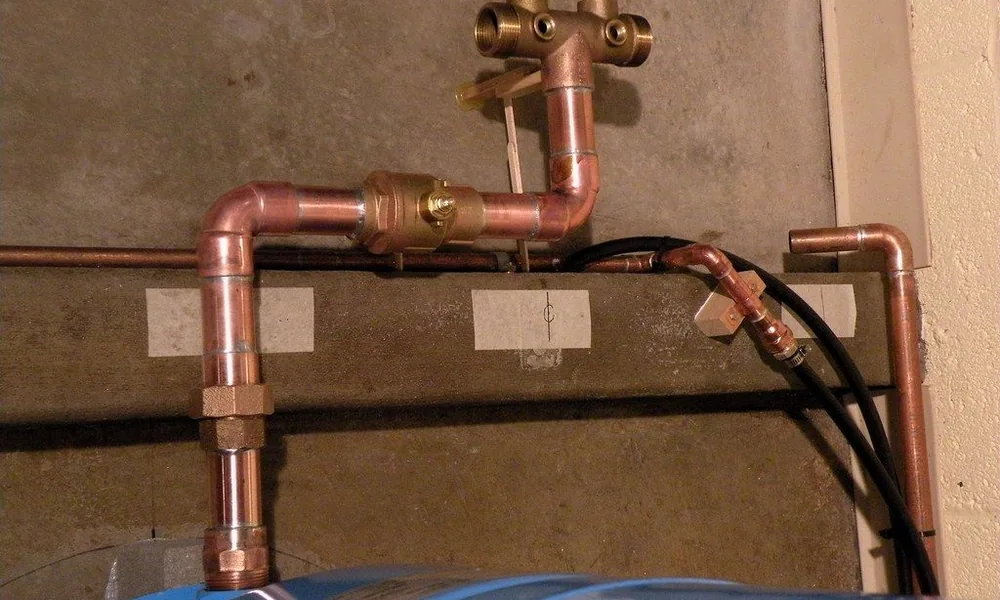
7. Franklin Electric SubDrive Connect: The Best Constant-Pressure Control
Franklin Electric’s SubDrive Connect is a variable-speed drive that holds the water pressure steady instead of letting it swing between the pump’s cut-in and cut-out points. In a house, that means the shower does not go weak when a tap opens elsewhere. In a pump house, it means the system runs smoothly, the pump starts gently, and the pressure tank can be smaller because the drive, not the tank, is doing the work of smoothing demand.
The soft start is the feature that saves pump motors. A pump that starts at full power, many times a day, takes a mechanical and electrical shock every time. The SubDrive ramps the motor up and down, which cuts wear, reduces the hammer in the pipes and lets the installer use a smaller pressure tank without short-cycling. For a startup, that is a genuine selling point: a quieter system, a longer-lived pump and a smaller tank that fits a small building.
The Connect part matters for a business that cannot be on every site at once. The drive pairs with a phone app, so the installer can check pressure, running hours and fault history without driving out, and the customer can see the system is healthy. When a fault does appear, the drive records what happened, which turns a vague report of low pressure into a diagnosis before the van leaves the yard.
Frost, access and the finish
A pump house that is warm in October and frozen in January is a failed build, and a pump house that nobody can get into is a failed build too. Frost protection and access are the two parts of the job that customers never ask about and always suffer from, so they are the two parts where a startup proves it knows the trade. The tools in this section are physical products, not software, because the finish of a pump house is decided by hardware.
8. Heat-Line Retro-Line: The Best Frost Protection for Pipes Through the Shell
Heat-Line’s Retro-Line is a self-regulating heat cable that runs inside or alongside a pipe and keeps the water inside it above freezing. For a pump house, its best use is the pipe run that passes through the wall of the building, which is the coldest point in the whole system. The wall is where the wind hits, where the insulation is thinnest and where a freeze almost always starts.
Self-regulating is the key word. The cable gives out more heat where the pipe is cold and less where it is warm, so it does not overheat the pipe and does not waste electricity through the winter. A thermostat switches it on only when the temperature drops toward freezing, which keeps the running cost low enough that the customer leaves it switched on instead of turning it off to save money and then calling in January with a burst pipe.
Retro-Line can be fitted to an existing pipe, which makes it useful for the repair and upgrade work that fills a pump house startup’s winter. Many pump houses were built without proper frost protection, and their owners call when the first freeze arrives. A crew that can fit heat cable to the exposed run, insulate over it and test it the same day has a service that sells itself, and it is a service that a general plumber without pump house experience often does not offer.
The cable is not a substitute for insulation. Heat cable on a bare pipe in an uninsulated wall is a heater fighting the weather, and it will lose. The right build is insulation first, then heat cable on the pipe, then insulation over the cable, all inside a sealed shell. Startups that explain that order to the customer sell a system that works, and they avoid the call-back where the cable did its best and the building let it down.
9. Bilco: The Best Access Doors and Hatches for a Pump House
Bilco makes the doors and hatches that let a technician reach the pump, the tank and the controls without a fight. A pump house door has a harder life than a house door: it faces the weather, it is opened by people carrying tools, and it must seal tightly enough to keep the heat in. A cheap door warps, lets in a draught and quietly defeats the insulation on the walls around it.
The practical choice is a door wide enough for the largest item that will ever go through it, which is usually the pressure tank. A door that fits the installer but not the tank means the tank is fitted before the door frame goes on, and it can never be replaced without taking the building apart. Bilco’s range includes doors and hatches sized for equipment access, and the installer who sizes the opening to the tank, not to the person, saves the customer a demolition bill years later.
Access also means light and safety. A pump house with a single small door and no window is a dark box with a pump, a tank and live wiring, which is a poor place to work. A well-placed door with a vent, or a hatch that opens fully, gives the technician light, air and an escape route. It also gives the customer a building they are willing to open and check, which means small problems get spotted before they become emergencies.
For the startup, a Bilco door is a visible sign of quality. Customers may not notice the insulation or the pipe lagging, but they notice a door that closes with a solid seal and opens without sticking. It is the part of the build they touch every time they check the system, and a good door tells them the rest of the job was done properly too.
What a pump house build should cost, and where the margin sits
Pump house prices vary with size, insulation, the pressure system and the site, but the shape of the quote is the same everywhere. The shell, the pad, the insulation and the door are the fixed cost. The pump, the tank and the controls are the system cost. The frost protection, the vent and the drain are the small lines that decide whether the building survives its first winter. Startups that itemise all three groups on the quote win more jobs at a fair price, because the customer can see what the money buys.
The margin sits in the parts that other builders leave out. Insulation fitted properly, heat cable on the wall penetration, a tank sized to the pump and a door that seals are all small costs on the quote and large savings over the life of the building. A startup that explains those lines, with a photo record to prove they were fitted, can charge for them without apology. The cheapest quote in the area is usually the one that left them out, and it is also the quote that produces the frozen pump house in January.
Pump house installation startup checklist
- Survey the site and the well head, then scan the shell with Magicplan and check the tank and pump clearances before quoting.
- Draw the 3D layout in Floorplanner, showing the door swing, the tank position and the vent, and get the customer’s approval in writing.
- Quote the whole build in Jobber, including insulation, frost protection and access, and send the quote before leaving the site.
- Build the pad, the frame and the insulation, then photograph each stage in CompanyCam before the boards cover the work.
- Fit the pump, the Amtrol tank and the SubDrive control, then test the pressure and the drawdown before the customer signs off.
- Fit Heat-Line cable on the wall penetration, insulate over it, fit the Bilco door, and book the first winter check in Housecall Pro.
Frequently asked questions
What is the best AI tool for a new pump house installation startup?
Jobber is the best first buy, because it handles quotes, scheduling and invoicing for the whole build. Add Magicplan for measuring and Floorplanner for customer-approved layouts, then CompanyCam for photo records. The pressure system and frost protection are physical products, so pair the software with a sized Amtrol tank and Heat-Line cable on the wall penetration.
How is a pump house different from a shed?
A shed stores things, while a pump house shelters a pressurised water system through winter. The difference is insulation, frost protection, ventilation and access to the pump and tank. A shed can be draughty and cold; a pump house must stay dry, stay above freezing and let a technician reach every part of the system. That is why the tools in this guide focus on the building, the tank, frost and access together.
How much should a pump house installation startup spend on software each month?
A new startup can run on one measuring tool, one planning tool and one job management tool for a modest monthly total, with photo records added as the first upgrade. The physical products, the tank, the drive, the heat cable and the door, are bought per job, so they belong on the quote rather than on a subscription. Keep the subscriptions to the tools that are used on every job, and drop any tool that is not opened in a week.
Can AI tools size a pressure tank or predict frost risk?
AI tools can help with measuring, layout and scheduling, but tank sizing still follows the pump’s flow rate and the household’s peak demand, using the manufacturer’s charts. Frost risk is judged from the building’s insulation, the wall penetration and the local climate, not from an app. Use the software to measure and record, and use the manufacturer’s data for the engineering decisions.
Do pump house installers need different AI tools from general builders?
Yes, in emphasis rather than in kind. General builders need tools for large projects and many trades, while a pump house startup needs tools that handle small outbuildings, tight clearances, pressure systems and freeze protection. A general tool that cannot show a tank clearance or a frost zone will not prevent the failures that define this trade, so the startup should choose tools that fit the building, not the other way round.
Should a new pump house startup offer maintenance plans?
Yes, and winter is the reason. A maintenance plan that covers an autumn insulation check, a heat cable test and a pressure check turns one build into a yearly visit, and it catches the small failures before they become a frozen system. Housecall Pro can book the visits, CompanyCam can record them, and the customer gets a pump house that works every winter instead of a surprise in January.
The bottom line
A pump house installation startup succeeds by building a small, warm, accessible home for a pump and its pressure system, and the nine tools in this guide cover that build from the first measurement to the last door fitting. Measure with Magicplan, plan with Floorplanner, run the business with Jobber and Housecall Pro, record the work with CompanyCam, fit a sized Amtrol tank with a Franklin Electric drive, protect the pipes with Heat-Line cable and finish with a Bilco door. Do that on every job, photograph every stage, and the pump house will still be running water on the coldest morning of the year, which is the only review that matters.

Keep what speaks to you.
Leave room for your own perspective.