
A pool pump is the heart of every swimming pool. It pulls water from the skimmer and main drain, pushes it through the filter and heater, and returns it clean to the pool. When the pump is wrong for the pool, nothing else works properly: the water turns cloudy, the filter never catches the fine debris, the heater short-cycles, and the owner ends up paying for electricity that buys them nothing but noise. For a new pool pump installation startup, that single fact shapes the whole business. Your reputation is built one circulation system at a time, and every job is a small engineering project with a customer watching.
The best AI tools for pool pump installation startups in 2026 help a small crew get the engineering right and the business side tidy at the same time. They size the pump to the pool volume and the plumbing, work out the flow rate the filter needs, plan the priming sequence, and turn those numbers into a quote the homeowner can say yes to. Then they keep the job on track: scheduling the crew, recording the pipework and wiring, invoicing the same day, and following up for the first service visit. A startup that does this well wins repeat work, because a pump that primes first time and runs quietly is the kind of result neighbours talk about.
This guide compares nine tools that matter most for a pool pump installation startup, from variable-speed pumps with smart controls to water-balance software and field-service apps. It covers flow-rate sizing, priming, variable-speed setup, filtration turnover, quoting, scheduling and invoicing. If your crew also fits heaters, the companion guide to pool heater installation covers heater sizing, gas and electrical supply, and venting, which are a different job from the circulation work described here.
Key Takeaways
- A pool pump is a circulation pump: size it by pool volume, turnover rate and total dynamic head, not by horsepower alone.
- Variable-speed pumps are the default choice for new installs in 2026, because they cut running costs and run far quieter than single-speed models.
- Priming fails most often because of air leaks on the suction side, so check every joint, O-ring and valve before blaming the pump.
- Match the pump flow rate to the filter: a pump that pushes water faster than the filter can handle sends debris straight back to the pool.
- Quoting, scheduling and invoicing software matters as much as the hardware, because a startup lives or dies on how fast it turns a site visit into paid work.
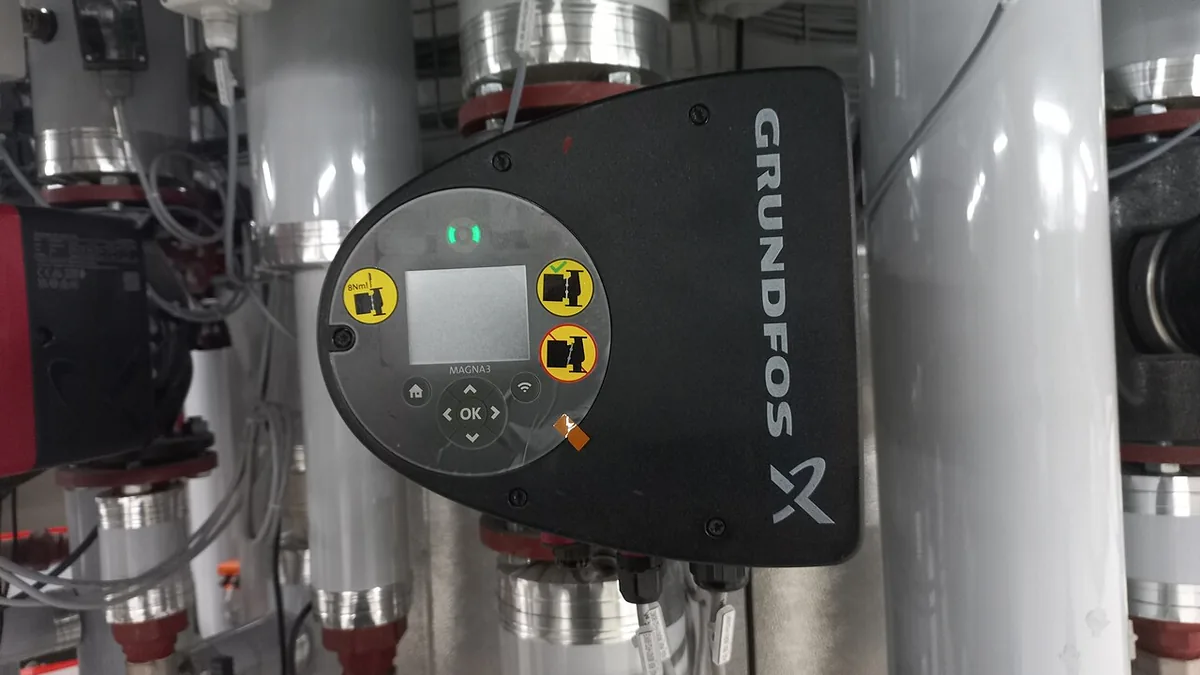
Top AI Tools for Pool Pump Installation Startups at a Glance
| Tool | Best for | What it does for a startup | Pricing signal |
|---|---|---|---|
| Hayward TriStar VS 900 | Variable-speed installs | Smart variable-speed pumping with app control and quiet running | Premium pump, check current list price |
| Jandy VS FloPro 2.7 HP | High-flow pools | High-flow variable-speed pump for large pools and water features | Premium pump, check current list price |
| Speck Badu EcoM3 V | Energy-efficient retrofits | Variable-speed pump built for low energy use on existing pools | Mid to premium pump, check current list price |
| Waterway Power Defender 270 | Value variable-speed jobs | Variable-speed performance at a friendlier price for budget-conscious customers | Mid-range pump, check current list price |
| Davey Silensor SLS200 | Quiet residential installs | Low-noise pump for pools close to bedrooms and neighbours | Mid-range pump, check current list price |
| Orenda App | Water balance and filtration | Calculates LSI balance, dosing and turnover for healthy circulation | Free app with paid Pro features |
| Skimmer | Pool route software | Scheduling, routing, service records and customer messaging for pool crews | Paid monthly plan, check current pricing |
| Workiz | Quoting and invoicing | Estimates, dispatch, invoicing and payments for installation teams | Paid monthly plan, check current pricing |
| Polycam | AI site surveys | Phone-based 3D scans of the equipment pad and pipe runs before quoting | Free with paid Pro plan |
How a Pool Pump Installation Startup Really Works
A pool pump installation startup is a plumbing business, an electrical business and a water-quality business sharing one van. Every job starts with the pool itself: its volume in gallons, the pipe sizes, the height the water must be lifted, and the filter the water will pass through. From those numbers comes the flow rate the system needs, usually enough to turn the whole pool over once every six to eight hours. A pump that is too small leaves dead spots where algae grows. A pump that is too big wastes electricity, strains the filter and can even damage the plumbing with excessive pressure.
The site visit is where the money is made or lost. A good installer photographs the equipment pad, measures the suction and return lines, checks the electrical supply and the condition of the existing valves, unions and strainer basket, and notes how much room there is for the new pump. Older pools often hide surprises, such as undersized pipework or a pad that floods when it rains. Recording all of this before quoting means the price holds and the crew arrives with the right fittings.
Installation day follows a set sequence. The crew isolates the power and the water, removes the old pump, checks the suction line for blockages, and fits the new pump on a level pad with vibration-absorbing feet. Unions and valves go in where they make future service easy, not where they are quickest to fit today. Then comes priming: filling the strainer basket housing with water, sealing the lid, and starting the pump so it pulls water up the suction line and pushes the air out through the filter. A pump that will not prime almost always has an air leak on the suction side, a lid O-ring that has gone flat, or a suction line that runs uphill and traps air.
Variable-speed setup is the part customers notice most. Instead of running flat out all day, a variable-speed pump can run slowly for most of the filtration cycle and faster for short periods when the pool needs a boost, for example after heavy use or when the cleaner is running. The installer programs the speeds, shows the owner the controller or the phone app, and sets a schedule that matches the pool. Done well, the pool stays clear and the electricity bill drops sharply, which is the result that earns referrals and five-star reviews.
The handover matters as much as the fitting. Leave the customer a written record with the pump model and serial number, the programmed speeds and run times, the filter pressure at handover, and the date of the first check-up. That record protects both sides and gives the startup a reason to call back and book the first service visit.
What to Look for Before You Buy
Start with the hydraulics, not the brand. Work out the pool volume, the target turnover time and the total dynamic head, which is the resistance the pump must overcome from pipe length, fittings, the filter and any heater or cleaner. A pump curve chart shows how much water a pump moves at a given head pressure, and that chart is more useful than the horsepower number on the box. Two pumps rated at the same horsepower can move very different amounts of water once they are connected to real pipework.
Check the electrical requirements before you promise a price. Variable-speed pumps usually need a dedicated circuit and a proper earth connection, and some need a specific breaker type. If the existing supply is an old single circuit shared with the garden lights, the job may need an electrician and a separate quote line. Finding that out on installation day turns a profitable job into a loss, so confirm the supply during the site visit.
Look for pumps with controls your customers can actually use. A clear display, a simple phone app and a schedule that survives a power cut are worth more than a long feature list. Ask the supplier how firmware updates work and whether the app needs a subscription, because a customer who loses control of their pump after a year will blame the installer, not the manufacturer.
Finally, weigh up the supplier behind the pump. A startup needs parts quickly, honest warranty handling and someone on the phone who knows the product. A pump that is cheap to buy but slow to get parts for will cost far more in call-backs and unhappy customers than a slightly dearer pump from a supplier who answers the phone. Keep the brands you fit to a short list, learn them properly, and stock the common spares: lid O-rings, drain plugs, unions and baskets.
The Best AI Tools for Pool Pump Installation Startups in Detail
1. Hayward TriStar VS 900: Best for Variable-Speed Installs
The Hayward TriStar VS 900 is a variable-speed pool pump built around a permanent magnet motor and a digital controller that lets the installer set exact speeds for filtration, cleaning and water features. It moves a large volume of water for its size, which makes it a strong choice for medium to large residential pools and for pools with a spa or a cleaner that needs a higher flow rate for part of the day. The controller sits on the pump itself, so there is no separate control box to mount and wire.
For a startup, the TriStar VS 900 earns its place because it is straightforward to program and easy to explain to the customer. The installer sets a low speed for the long filtration run, a medium speed for the cleaner, and a short high-speed period if the pool needs it, then shows the owner how to change the schedule from the controller. The pump runs quietly at low speed, which helps on jobs where the equipment pad is close to the house. Spare parts are widely stocked, which matters when a startup cannot afford to wait a week for a lid or a seal.
Pricing signal: a premium variable-speed pump, so expect a higher equipment cost than a single-speed replacement, with the saving coming from the customer’s lower running costs. Check the current list price with your supplier before quoting, and show the customer the running-cost comparison in the quote so the higher upfront price makes sense.
2. Jandy VS FloPro 2.7 HP: Best for High-Flow Pools
The Jandy VS FloPro 2.7 HP is a high-flow variable-speed pump aimed at larger pools, pools with water features and pools where the plumbing runs are long. Its hydraulic design pushes a strong flow rate even when the system has a high total dynamic head, which is common on pools with a heater, a salt chlorinator and a cleaner all in line. The pump connects to Jandy automation systems, so on a pool that already has Jandy controls the new pump can join the existing setup rather than needing its own schedule.
A startup uses the VS FloPro where a smaller pump would struggle: big family pools, pools with a raised spa that spills into the pool, and installations with long pipe runs from a distant equipment pad. The variable-speed control means the pump can still run slowly and cheaply for most of the day, then step up for the spa spillover or the cleaner. That flexibility makes it easier to quote one pump for a complicated pool instead of explaining why two pumps are needed.
Pricing signal: premium, in line with other high-flow variable-speed pumps. Check the current list price and confirm whether the customer needs the automation interface, which may be priced separately. Quote the pump, the fittings and the programming as one line so the customer sees the whole job.
3. Speck Badu EcoM3 V: Best for Energy-Efficient Retrofits
The Speck Badu EcoM3 V is a variable-speed pump from a German manufacturer with a long history in pool circulation. It is designed for energy efficiency, with a motor and hydraulics tuned to move water well at low speed, which is where a pool pump spends most of its life. The pump is compact, which helps on crowded equipment pads, and its controls are simple enough that an owner can adjust the schedule without calling the installer every time.
For a startup, the EcoM3 V is a strong retrofit option. Many older pools still run a single-speed pump that has been costing the owner money for years, and swapping it for a variable-speed model is one of the easiest sales in the trade: the owner sees the electricity saving within a billing cycle. The pump fits standard pipework and unions, so the swap is usually a half-day job with no changes to the pad. A startup can build a whole service around these swaps, visiting pools, checking the existing pump and quoting the replacement on the spot.
Pricing signal: mid to premium, usually below the biggest American variable-speed models. Check the current list price with your supplier, and keep one in stock if you do a lot of retrofit work, since the swap is fast once the pump is on the van.
4. Waterway Power Defender 270: Best for Value Variable-Speed Jobs
The Waterway Power Defender 270 is a variable-speed pump that brings the running-cost savings of variable speed to customers who cannot justify the most expensive models. It offers programmable speeds, a digital display and a motor that runs quietly at low speed, covering the features most residential pools actually need. The pump is built for standard residential installations, with common union sizes that make it easy to fit into existing pipework.
A startup uses the Power Defender 270 when the customer wants lower bills but has a firm budget. It lets the installer offer a variable-speed upgrade instead of a like-for-like single-speed replacement, which keeps the job profitable and the customer happy. The programming is simple, so the crew can set the schedule and hand the pool over without a long training session. For rental properties and holiday homes, where the owner wants reliability and low running costs without a premium price, it is a practical choice.
Pricing signal: mid-range, noticeably below premium variable-speed pumps. Check the current list price and confirm warranty terms with your supplier. Show the customer the estimated annual saving against their old single-speed pump so the upgrade sells itself.
5. Davey Silensor SLS200: Best for Quiet Residential Installs
The Davey Silensor SLS200 is a pool pump built for quiet operation, which matters more than most new installers expect. A pump that hums all day next to a bedroom window or a neighbour’s fence generates complaints, and complaints generate call-backs. The Silensor range uses a design that keeps noise down without giving up flow, and the SLS200 suits medium residential pools where the equipment pad is close to living areas.
For a startup, the Silensor is the pump to reach for on noise-sensitive jobs: small gardens, townhouses, pools beside a home office, and anywhere the local rules or a fussy neighbour make noise a risk. It pairs well with a variable-speed controller or a simple timer, and its straightforward build makes servicing easy. A startup that fits quiet pumps on tight sites builds a reputation for considerate work, which is exactly what earns referrals in a neighbourhood.
Pricing signal: mid-range. Check the current list price with your supplier and confirm parts availability in your area, since Davey is an Australian brand and delivery times vary by region. Stock the common spares so a service call does not turn into a second visit.

6. Orenda App: Best for Water Balance and Filtration
The Orenda App is a water-chemistry tool that helps pool professionals balance water using the Langelier Saturation Index, usually called LSI. It takes the pool’s pH, alkalinity, calcium hardness, temperature and other readings and works out exactly what to add and how much. That matters for a pump installation startup because water balance and circulation are linked: badly balanced water scales up heaters, clouds the water and damages pump seals, while good balance keeps the whole system healthy.
A startup uses the Orenda App on every handover and every service visit. After fitting a new pump, the installer tests the water, enters the readings, and follows the app’s dosing advice so the pool starts its life with balanced water. The app also helps the crew explain turnover and filtration to the customer: how long the pump needs to run each day to filter the whole pool, and why running it too little leaves the water cloudy even when the pump is brand new. That kind of explanation turns a one-off install into an ongoing service relationship, and the regular testing and dosing work that follows is steady income.
Regular water testing is part of good pool maintenance, and a startup that tests the water properly at handover shows the customer that the job was done by a professional. Pricing signal: the app itself is free to download with paid Pro features for professionals, so the cost is low and the value is high. Check the current Pro pricing before adding it to your standard toolkit.
7. Skimmer: Best for Pool Route Software
Skimmer is pool-service software built for companies that look after many pools. It handles scheduling, routing, service checklists, chemical readings, photos and customer messaging in one place, and it runs from a phone, which suits a crew working from a van. The technician opens the job on site, works through the checklist, records the readings and photographs the equipment, and the customer gets a clear service report without the office chasing anyone.
For a pump installation startup, Skimmer earns its keep after the install. Every pump fitted becomes a service customer on a route, and the software keeps track of who is due a visit, what was done last time, and which pump and filter each customer has. When a customer calls to say the pump is noisy or will not prime, the office can see the pump model, the install date and the last service notes before anyone drives out. That preparation turns a vague call into a planned visit with the right parts on the van.
Pricing signal: a paid monthly plan priced per technician or per route. Check the current pricing and start with the smallest plan that covers your crew, then grow it as the service side of the business grows. The time saved on admin usually pays for the subscription within the first month.
8. Workiz: Best for Quoting and Invoicing
Workiz is field-service software for quoting, scheduling, dispatch, invoicing and payments. A startup can build a quote on site, send it to the customer before leaving the driveway, schedule the job once it is accepted, and invoice the same day the pump is fitted. Customers can pay by card or bank transfer from the invoice, which shortens the gap between finishing a job and getting paid.
A pump installation startup uses Workiz to keep the pipeline moving. Quotes for pump swaps, new installs and service plans all live in one place, and the software shows which quotes are waiting for an answer so the office can follow up before the customer calls someone else. Dispatch shows the crew where to go and in what order, and the job record keeps the pump model, the fittings used and the photos from the site. When a job is done, the invoice goes out the same day, which keeps cash flow healthy in the early years when every payment matters.
Pricing signal: a paid monthly plan, with pricing that depends on the number of users and the features needed. Check the current pricing and compare it against the cost of chasing late payments by hand. Most small installation teams start on a basic plan and add features as the crew grows.
9. Polycam: Best for AI Site Surveys
Polycam is a phone app that turns photos into 3D scans and measurements using the phone camera. An installer walks around the equipment pad, scans the pipework, the filter, the heater and the space available, and ends up with a measured 3D record of the site that can be checked back at the office. The app also produces floor plans and measurements from the scan, which helps when the quote needs accurate pipe lengths or pad dimensions.
For a pump installation startup, Polycam replaces guesswork on the site visit. Instead of scribbling measurements that may not make sense later, the installer captures the whole pad in a few minutes and the office can measure from the scan when building the quote. The scan also records the condition of the existing equipment, which protects the startup if a customer later claims a cracked valve or a stained pad was caused by the install. A scan takes minutes, costs little, and makes the quote more accurate, which means fewer surprises on installation day.
Pricing signal: free to download with a paid Pro plan for higher-quality scans and exports. Check the current Pro pricing. Even the free version is useful for a startup, and the Pro plan is cheap compared with a single return visit to re-measure a site.
Pool Pump Installation Startup Checklist
Use this checklist on every job, from the first site visit to the handover. It keeps the engineering right and the paperwork tidy, which is what turns a good install into a good business.
- Measure the pool volume, pipe sizes and total dynamic head, then size the pump from its curve chart, not from horsepower alone.
- Check the filter flow rating and match the pump to it, so the pump never pushes water faster than the filter can clean.
- Confirm the electrical supply, breaker and earthing during the site visit, and book an electrician early if the supply needs work.
- Photograph and scan the equipment pad before quoting, and record every valve, union and fitting the crew will need.
- Prime carefully, check every suction-side joint and O-ring for air leaks, and record the filter pressure at handover.
- Leave a written handover with the pump model, serial number, programmed speeds, run times and the date of the first service visit.
Frequently Asked Questions
How do I size a pool pump for a customer’s pool?
Start with the pool volume in gallons and the target turnover time, usually six to eight hours for a residential pool. Divide the volume by the turnover time to get the flow rate needed, then check the total dynamic head from the pipework, filter and fittings. Use the pump curve chart to find a pump that delivers that flow rate at that head pressure, since a pump that looks right on horsepower alone can still be wrong once connected to real pipework.
What is the difference between a single-speed and a variable-speed pool pump?
A single-speed pump runs at one speed, flat out, whenever it is on. A variable-speed pump can run slowly for most of the filtration cycle and faster when the pool needs it, for example when the cleaner runs. Because a pump uses far less electricity at low speed, a variable-speed pump usually cuts running costs sharply and runs much quieter. For new installs in 2026, variable speed is the sensible default, and many customers recover the extra purchase price within a couple of seasons.
Why will my new pool pump not prime?
The most common cause is air getting in on the suction side. Check the strainer basket lid and its O-ring first, since a flat or cracked O-ring is the usual suspect, then check every suction-side joint, union and valve for leaks. Make sure the water level is high enough for the skimmer to draw properly and that no suction valve is closed. If the suction line runs uphill and traps air, fill the strainer housing with water and try again, and check for a blockage in the suction line or the impeller.
How long does a pool pump installation take?
A straightforward like-for-like swap usually takes half a day, including removing the old pump, fitting the new one, priming and programming. A new installation with fresh pipework, valves and electrical work takes a full day or more, especially if the pad needs levelling or the electrical supply needs upgrading. Site visits with surprises, such as undersized pipework or a filter that needs replacing at the same time, add time, which is why a proper survey before quoting matters.
How much should a pool pump installation startup charge?
Price the pump and materials at cost plus a fair margin, add labour at your day rate, and include the site visit, programming and handover in the quote rather than treating them as free extras. A simple swap is the cheapest job, while a new install with pipework and electrical work costs considerably more. Always quote in writing and explain the running-cost saving of a variable-speed pump so the customer understands what they are paying for.
Do I need a licence to install pool pumps?
Rules vary by location, so check the requirements where you work before taking on jobs. Many areas require a plumbing or electrical licence for parts of the work, particularly the electrical connection, and some require a specific pool licence. Even where no licence is required, insurance and proper training protect the business and the customer. If the electrical work is outside your qualification, use a licensed electrician and include that cost in the quote.
The Bottom Line
A pool pump installation startup succeeds by getting the circulation right and the business tidy. Size the pump from the pool volume and the pipework, match it to the filter, prime it properly, and set the variable speeds so the pool stays clear without wasting electricity. Then use the software to turn each job into a quoted, scheduled, invoiced and followed-up piece of work. The nine tools in this guide cover both halves of that job, from the pumps themselves to the apps that keep the crew organised. New pool builds are a natural source of pump work, so building relationships with pool builders in your area is one of the cheapest ways to keep the diary full. Start with one reliable pump brand, one quoting system and one service routine, learn them properly, and grow from there.

Keep what speaks to you.
Leave room for your own perspective.


