The best AI tools for pool heater installation startups in 2026 do far more than answer the phone while your crew is on a roof or in a pump room. They turn a photo of a pool pad, a few measurements and a homeowner’s wish for warm water into a correctly sized heater, a firm quote, a safe installation sequence and a handover record the customer can trust. For a new pool heater installation business, that combination matters more than any single clever feature, because the first years are won or lost on how many heaters you can install well without dropping the admin that keeps customers warm, safe and willing to recommend you.
A pool heater installation startup is a plumbing business, an electrical business and a heating business sharing one van and one reputation. Every job has a pool that must be measured properly, a heater that must match the pool volume and the local climate, a gas line or electrical supply that must be correct, and venting that must carry exhaust safely outside. When any one of those pieces slips, the whole job wobbles: a heater that is too small leaves a pool that never reaches temperature, venting that was never planned properly leaves a job that fails inspection, and a customer who waited all day for an arrival window that never came will not call again.
This guide compares the tools that matter most for a pool heater installation startup, from heater sizing and quoting to scheduling, plumbing records, venting checks, electrical work, payments and reviews. It focuses on what a small, growing team actually needs in its first years: simple setup, honest pricing, tools that work from a phone beside a pool pad, and software that grows from one installer to several crews without forcing a painful switch.
Key takeaways
- Start with heater sizing, quoting and scheduling. Those three systems carry the most revenue and the most trust for a new pool heater installation startup, and AI makes each one faster and less error prone.
- Size the heater to the pool, not to the catalogue. Check pool volume, surface area, wind exposure, desired temperature rise and the local climate before you quote, because an undersized heater is the most expensive mistake in pool heater installation.
- Record every gas, electrical and venting note in the same place. An installation history you can search beats a glovebox full of paper slips when a homeowner asks why the pool heats slowly.
- Automate quotes, reminders and follow-ups first. Speed wins heater jobs, and a clear quote with a heater recommendation sent in an hour beats a perfect quote sent the next day.
- Keep the stack small and measure the numbers weekly. Track quote-to-booking time, install days per job, heater rework, repeat service bookings and review growth, and change one thing at a time until the numbers move.

Best AI Tools for Pool Heater Installation Startups at a Glance
The table below gives a quick view of where each tool helps most in a pool heater installation business. The sections that follow explain how to use each one on a real installation job, what to look for before you pay, and where small teams usually go wrong.
| Tool | Main job | Best for | Watch out for |
|---|---|---|---|
| Raypak | Gas heater sizing and selection | Gas heater installs of every size | Needs accurate pool volume to size well |
| Rheem | Electric and gas pool heaters | Installers who want one heater range | Model range varies by region |
| AquaCal | Heat pump heating | Warm-climate pools and long seasons | Heat pumps heat slowly in cold weather |
| Pentair IntelliCenter | Heater control and automation | Connected pools with pumps and heaters | Best on Pentair equipment |
| Heat Siphon | Efficient heat pump heating | Low running-cost heat pump jobs | Needs space and airflow around the unit |
| Jobber | Quoting and scheduling | Small crews that need tidy job flow | Setup time if jobs are not yet organised |
| Housecall Pro | Dispatch and invoicing | Installers who invoice on site | Some features need higher plans |
| ServiceTitan | Multi-crew installation projects | Growing teams running several jobs | Quote-based pricing for larger teams |
| Magicplan | Photo-based site surveys | Fast measured surveys at the pool | Needs clear photos of the pad and pool |
How a Pool Heater Installation Startup Really Works
A pool heater installation day is a chain of timed steps, and one late link breaks the rest. The pool must be measured before the heater is ordered, the heater must be chosen before the gas fitter or electrician arrives, the pad must be prepared before the unit is delivered, and the venting must be checked before the heater is fired up for the first time. The best stack for a new heater business connects the survey, the sizing, the quote, the build schedule and the handover record into one flow, so nothing is retyped and nothing is forgotten.
The sales side is where most new pool heater startups lose money without realising it. A homeowner comparing two or three installers will usually choose the one who replies first with a clear price and a heater recommendation that fits their pool. A lead that waits two days for a quote is a lead that has already spoken to your competitor. That is why sizing and quoting tools sit at the top of this guide: a firm price and a heater sized to the actual pool, sent the same day as the survey, wins more work than any discount. Many heater jobs also arrive alongside a new pool build, so it pays to understand how the work fits together with the AI tools for pool builders who dig the pool and set the pad you will later work on.
Heater sizing is the technical heart of the business, and it is where a new installer earns or loses a reputation fastest. The calculation starts with the pool volume, but it does not end there. Surface area sets how fast heat escapes, wind exposure and shading change the loss further, and the local climate decides whether a gas heater, an electric heater or a heat pump is the sensible choice. A gas heater warms water fast and works in any weather, a heat pump costs far less to run but heats slowly when the air is cold, and an electric resistance heater suits small pools and spas. AI sizing assistants take the measurements, the climate data and the heater specifications together and recommend a unit with a margin for the coldest week of the season.
Plumbing and venting are the two site skills that separate a heater installer from a general handyman. The heater must sit in the plumbing line after the filter, with a bypass that lets the system run when the heater is off, with unions that let the unit be removed for service, and with a flow rate inside the range the manufacturer allows. Too little flow and the heater overheats and trips; too much flow and the water rushes through before it can pick up heat. Gas heaters need venting that carries exhaust gas safely outside and away from windows, doors and the pool itself, with clearances that follow the manufacturer’s instructions and the local code. Electric heaters and heat pumps need a correctly rated supply, a disconnect within sight of the unit, and bonding that ties the metal parts of the pool system together. A tool that records the plumbing layout, the vent run and the electrical details against the job means the next visit starts with facts instead of guesswork.
What to Look for Before You Buy
Not every tool that calls itself intelligent is useful at the poolside. The first test is simple: can a technician use it with wet hands, bright sunlight, and one bar of signal? If the answer is no, the tool will be abandoned within a month. Look for large buttons, a clean mobile app, and an offline mode that saves readings and photos until the connection returns. A sizing tool that only works at a desk is useless on a survey, because the survey is where the numbers are taken.
The second test is about the job record. A heater installation business lives or dies on its history: pool volumes, heater models fitted, gas line sizes, vent runs, electrical ratings, and the dates of installs and first services. Any tool that holds that data hostage, charges for exports, or deletes history when a subscription lapses is a poor choice. The record also protects the business: when a homeowner says the pool never got warm, a job card showing the pool volume, the heater model and the heat-up test temperatures answers the question in seconds.
The third test is about the boundary between installation and maintenance. Installing a heater is a one-off project with a survey, a sizing decision, a build and a handover; maintaining a pool is a weekly routine of chemistry, cleaning and equipment checks. The two businesses share a van and a customer list, but they need different software, and a tool built for one will frustrate the other. The AI tools for pool maintenance startups are built around repeat visits and water chemistry, while the tools in this guide are built around sizing, quoting and one-off project work.
The Best AI Tools for Pool Heater Installation Startups in Detail
Every tool below was judged on the same practical questions: does it save time on a real pool heater installation job, does it work from a phone on a job site, does it cost less than the work it replaces, and can a small crew learn it in a week? The result is a shortlist you can build a whole operation around, starting with sizing and quoting and adding the rest as the order book grows.
1. Raypak: Best for Gas Heater Sizing and Selection
Raypak is the gas heater name most pool installers reach for first, because its range covers everything from a small above-ground pool to a large commercial installation, and its sizing guidance is built around the numbers an installer actually measures on site. The lineup includes compact cupro-nickel heaters for standard residential pools, high-efficiency condensing models for owners who want lower gas bills, and larger commercial units for hotels, schools and leisure centres. For a startup, that breadth matters: one supplier relationship covers most of the gas jobs you will be quoted for in your first year.
The AI-assisted part of the Raypak workflow is the sizing and selection support that distributors and online sizing tools now wrap around the range. Feed in the pool volume, the surface area, the wind exposure and the target temperature rise, and the recommendation narrows to a model with the right output, rather than a guess between two sizes. That matters because both sizing mistakes are expensive: a heater that is too small leaves a pool that never reaches temperature on a cool evening, and a heater that is too large wastes the customer’s money and short-cycles through its life.
2. Rheem: Best for Electric and Gas Pool Heaters
Rheem gives a heater installation startup a single brand that spans electric and gas heating, which simplifies stock, training and aftercare. The electric range suits small pools, plunge pools and spas where a gas supply would cost more than the heater, while the gas range covers family pools that need fast heat-up on demand. For a new business, selling one brand well beats selling five brands badly: the crew learns one control panel, one set of error codes, one venting layout and one warranty process.
The practical value of the Rheem range for a startup is the way its models are documented. Clear installation manuals, standardised clearances and well-known fault codes mean a technician can diagnose a heater that will not fire without phoning the office. AI-assisted quoting tools can pull Rheem model data into a quote automatically, so the heater specification, the price and the expected heat-up time appear together without retyping. That consistency matters when a customer asks why one quote is higher than another.
3. AquaCal: Best for Heat Pump Installations
AquaCal is the heat pump specialist in this list, and heat pumps are the fastest-growing part of pool heating because they cost far less to run than gas. A heat pump moves heat from the air into the water instead of burning fuel, so a unit that draws a few kilowatts of electricity can deliver several times that in heat. For a homeowner in a warm climate who swims for six months of the year, the running-cost saving pays for the installation many times over, and that story is easy to sell once you can show the numbers.
The installation skill for a heat pump is different from gas, and the tools around AquaCal reflect that. The unit needs clear airflow on all sides, a level pad that drains away from the house, and a position where the fan noise will not trouble the neighbours. The plumbing is simpler than gas, with no flue and no gas line, but the electrical supply must be correctly rated and the unit must be bonded to the pool system. AI sizing support for heat pumps weighs the local climate heavily: the same pool that a heat pump warms easily in a warm region may need a gas heater in a cold one.
4. Pentair IntelliCenter: Best for Heater Control and Automation
Pentair IntelliCenter is the automation system that turns a heater, a pump, a filter and a cleaner into one pool the homeowner controls from a phone. For a heater installer, it is the upgrade that makes a new heater feel modern: the homeowner sets a temperature and a schedule, the system runs the pump and the heater together, and the pool is warm when the family wants to swim without anyone touching a valve. IntelliCenter also logs heater run times and flags faults, so a heater that is cycling too often or failing to reach temperature shows up as data rather than as an angry phone call.
The installation value is in the way IntelliCenter ties the heater into the rest of the pad. The control panel manages pump speeds, valve positions and heater firing in one sequence, so the heater only runs when the flow is right and the pump only runs as fast as the heating needs. That coordination protects the heater from low-flow overheating and saves electricity at the same time. For a startup, offering IntelliCenter as an add-on to a heater install lifts the average job value and gives the customer a reason to call you back for the next upgrade.
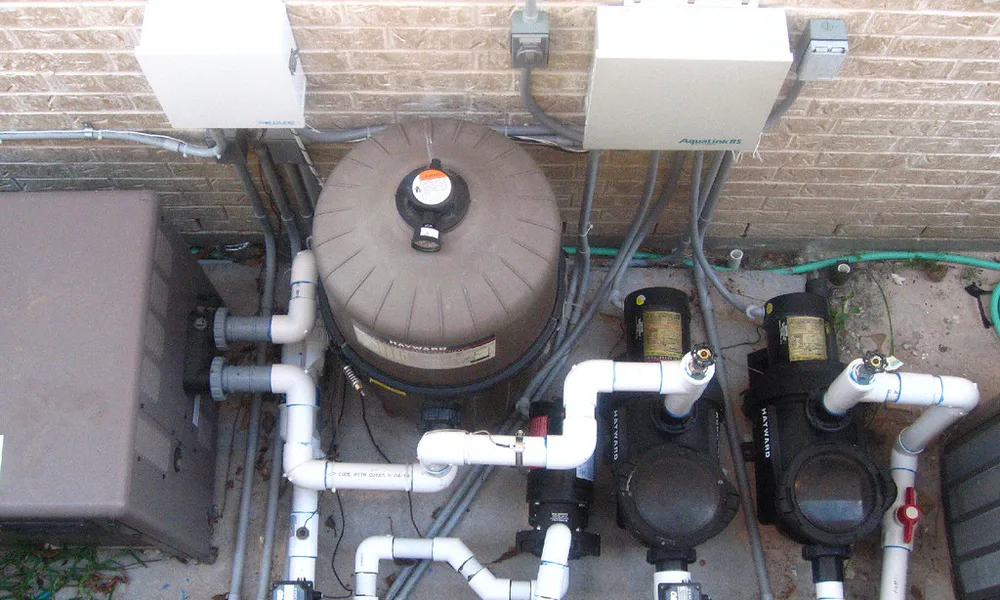
5. Heat Siphon: Best for Efficient Heat Pump Heating
Heat Siphon builds heat pumps around a simple idea: use a large titanium heat exchanger and a efficient compressor so the unit squeezes more heat from the air for every unit of electricity. For a pool heater installation startup, that efficiency is a selling point you can put in front of the customer in plain numbers, because running cost is the question every heat pump buyer asks after the purchase price. A Heat Siphon unit suits owners who swim a long season and want the lowest possible monthly cost without giving up the convenience of a heat pump.
The installation pattern follows the heat pump rules: a level pad, clear airflow, correct electrical supply and bonding, and plumbing that places the unit after the filter with a bypass for service. The difference is in the conversation with the customer, because an efficiency-led heat pump needs an honest sizing discussion more than most. A unit that is too small for the pool will run all day and still fall short on a cool evening, which erases the efficiency advantage entirely. Size with the coldest month of the swimming season in mind, not the warmest.
6. Jobber: Best for Quoting and Scheduling
Jobber is the quoting and scheduling backbone for a pool heater installation startup that runs one or two crews. It holds the job card for every installation, with the customer details, the survey measurements, the heater model, the schedule, the photos and the invoice in one place, and it keeps that card updated from a phone on site. The smart scheduling features suggest crew assignments and job order based on location and job length, and the automation sends booking confirmations, arrival reminders and follow-up messages without anyone in the office typing them. For a founder who is also the lead installer, that automation is the difference between a business that runs and a business that depends on one person remembering everything.
Heater installations are multi-visit jobs: survey, sizing approval, heater delivery, pad preparation, plumbing, gas or electrical connection, venting check and heat-up test. Jobber handles that sequence well because each visit is a job card linked to the same customer, so the gas fitter sees the heater specification and the venting notes before arriving, and the founder sees which jobs are waiting on a part or a customer decision. The job card also becomes the handover record: photos of the finished pad, the heat-up test temperatures and the care instructions, all stored against the job.
7. Housecall Pro: Best for Dispatch and Invoicing
Housecall Pro is the dispatch and invoicing tool for a heater installer who wants to quote, book, do the work and get paid without touching a spreadsheet. The customer books online or by phone, the job appears on the crew’s phones with the address, the heater model and the notes, and the invoice goes out before the van leaves the driveway. For a startup where the founder is also the installer, that closed loop is the difference between getting paid on the day and chasing invoices at midnight.
The dispatch view is the practical heart of Housecall Pro for an installation business. A day with three heater jobs in different parts of town needs a route that makes sense, arrival windows the crew can actually keep, and a way to move a job when a delivery runs late. The map view shows the day’s jobs in order, the crew sees the next address without phoning the office, and the customer gets a text when the van is on its way. That text alone cuts missed appointments sharply, because a homeowner who knows the arrival window plans their day around it.
8. ServiceTitan: Best for Multi-Crew Installation Projects
ServiceTitan is the tool for a pool heater installation startup that has grown past the one-crew stage and now runs several installs at once, including larger jobs such as hotel pools, school pools and leisure centres. It manages the whole project: the quote, the materials, the labour schedule, the subcontractors, the inspections and the invoicing, with workflow automation that moves a job from one stage to the next and flags anything that is waiting too long. For a founder who used to carry the whole schedule in their head, ServiceTitan is the moment the business becomes a system rather than a person.
Large heater jobs have the most moving parts: a heater that needs a gas supply upgrade, venting that needs a new flue run, plumbing that needs a bypass and unions, an electrician who must arrive after the plumber, and a customer who wants progress updates without phoning every day. ServiceTitan keeps the materials list, the crew schedule and the customer messages in one project record, so the plumber, the gas fitter, the electrician and the founder all work from the same plan. The automation also helps with the details that cause callbacks: a checklist for the heat-up test and a handover document that the customer signs on the day.
9. Magicplan: Best for Photo-Based Site Surveys
Magicplan turns a phone camera into a measuring tool, which is exactly what a pool heater survey needs. Walk the pool pad, take photos of the equipment area, and the app builds a measured floor plan with dimensions, door and window positions, and the distances from the pool to the pad, the house and the boundary. The AI features recognise walls and openings from the photos and stitch them into a plan you can share with the customer and the crew, and that plan becomes the base for the heater calculation and the parts order. For a startup doing surveys in the evening after a day on site, that matters: a survey that once meant a tape measure, a notepad and an hour of redrawing at home now takes fifteen minutes on site.
The heater-specific value is accuracy at the survey stage. Heater sizing depends on pool volume and heat loss, and heat loss depends on measurements that are easy to get wrong with a tape measure in a cluttered equipment area. A plan from Magicplan records the exact pad dimensions, the gas meter position, the electrical panel location and the route a vent or flue must take to outside air, which are the details that most often force a redesign after the quote has been sent. The same survey-first approach works across installation trades, and the best AI tools for sauna installation startups show how a measured survey and a fast quote win jobs in a trade where the heater is only one part of the room.
Pool Heater Installation Startup Checklist
- Measure the pool properly. Record the volume, surface area, wind exposure and shading, and keep the figures on the job card so the heater sizing can be checked later.
- Size the heater to the pool and the climate. Check the desired temperature, the heat-up time the customer expects, and whether a gas heater, an electric heater or a heat pump fits the local weather.
- Plan the plumbing and the venting before you quote. Confirm the heater position in the line, the bypass, the unions, the flow rate and the flue route, and price every part.
- Confirm the fuel and electrical supply. Check the gas line size or the electrical rating, the disconnect position and the bonding, and book the licensed trades before the install day.
- Quote in writing with line items. List the heater model, the pad, the plumbing, the fuel or electrical work, the venting and the labour, and get the customer’s approval before you order.
- Test, record and hand over. Run the heat-up test, record the temperatures and the heater settings, photograph the finished pad, and leave the customer with care instructions and a service date.
Frequently Asked Questions
How do I size a pool heater for a customer’s pool?
Start with the pool volume and surface area, then add the wind exposure, the shading, the desired temperature and how fast the customer wants to reach it. A gas heater is sized for fast heat-up in any weather, a heat pump is sized for steady heating across a long season in a warm climate, and an electric heater suits small pools and spas. Use a sizing tool or the manufacturer’s guidance rather than guessing from a catalogue, and add a margin for the coldest week of the season, because a heater that is too small is the most expensive mistake you can make.
Gas heater, electric heater or heat pump: which should a startup install first?
It depends on your climate and your customers. Gas heaters warm water fast and work in any weather, so they suit owners who swim on demand and live where winters are cold. Heat pumps cost far less to run and suit warm climates with long swimming seasons. Electric resistance heaters suit small pools and spas. Most startups begin with gas and heat pumps, because those two cover the majority of family pools.
What does a pool heater installation usually involve?
A standard job covers the survey and sizing, the pad preparation, the plumbing with a bypass and unions, the gas line or electrical connection, the venting for a gas heater, the control setup and the heat-up test. The installer also handles the handover, with the heater settings, the care instructions and a service date. Larger jobs may need a gas supply upgrade, a new flue run or a panel upgrade, which is why the survey and the quote must come before any work starts.
Do I need a licence to install pool heaters?
Pool heater installation touches gas, electrical and plumbing work, and each of those trades is licensed in most areas. The exact requirements depend on where you work, so check the local rules before you take a job, and use licensed subcontractors for any gas or electrical work you are not qualified to do yourself. Never let an unlicensed worker touch a gas line or a panel.
How long does a pool heater installation take?
A straightforward replacement on an existing pad usually takes half a day, while a new installation with fresh plumbing, a gas line and venting takes a full day or more. The survey and the heater delivery happen before the install day, so the crew arrives with everything they need. Jobs slow down when the pad needs building, the gas supply needs upgrading or the vent route needs rethinking, which is why a measured survey matters so much.
How much should a pool heater installation startup charge?
Price each job from its line items: the heater, the pad, the plumbing parts, the gas or electrical work, the venting and the labour, plus a margin for the warranty call you will one day have to make. Do not price from a competitor’s headline figure, because their pool, their pad and their fuel supply are not yours. Track the actual hours and materials against every quote, and raise the price on the job types that consistently lose money.
The Bottom Line
A pool heater installation startup wins on three things: a heater sized to the actual pool, a quote sent fast with every part priced, and an installation that passes inspection and heats the water on the first evening. The tools in this guide cover each of those three, from Raypak, Rheem, AquaCal and Heat Siphon on the heater side to Pentair IntelliCenter for control and Jobber, Housecall Pro, ServiceTitan and Magicplan for the business around the install. Start with sizing and quoting, keep the stack small, measure the numbers every week, and let the order book decide when to add the next tool.

Keep what speaks to you.
Leave room for your own perspective.