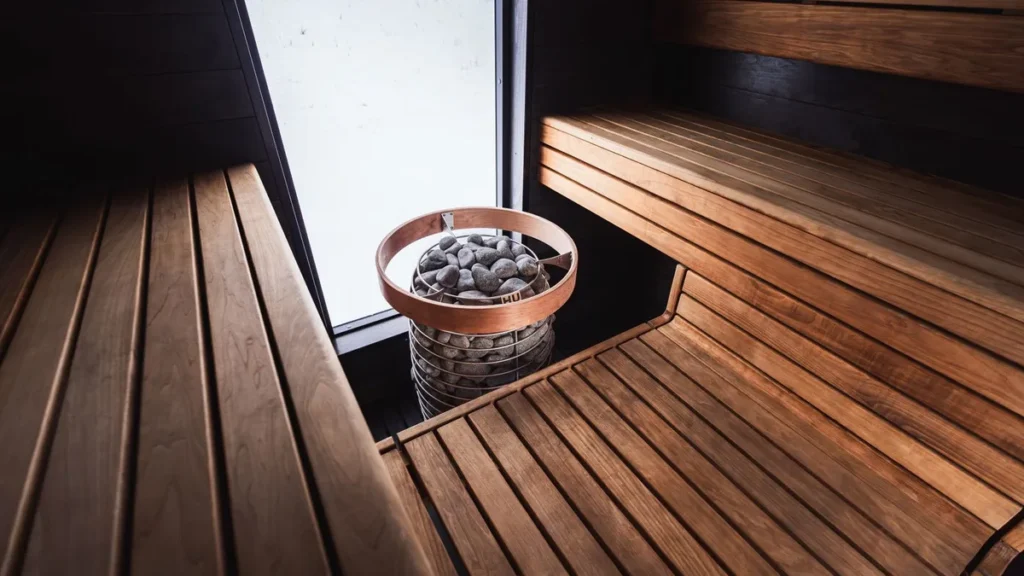
The best AI tools for sauna installation startups in 2026 do far more than answer the phone while your crew is fitting cedar panels. They turn a photo of a spare room, a garage corner or a garden cabin into a measured quote, a heater sized correctly for the space, a build schedule that keeps the electrician and the ventilation work in the right order, and a handover record the homeowner can trust. For a new sauna installation business, that combination matters more than any single clever feature, because the first years are won or lost on how many installations you can complete well without dropping the admin that keeps customers safe, warm and willing to recommend you.
A sauna installation startup is a building business, a joinery business and an electrical business sharing one van, one phone number and one reputation. Every job has a room that must be measured properly, timber that must be chosen for heat and moisture, a heater that must match the volume of the room, a power supply that must be correct, ventilation that must move air without chilling the benches, and a homeowner waiting to sit in steady, even heat. When any one of those pieces slips, the whole job wobbles. A missed message becomes a lost booking, a heater that is too small leaves a sauna that never reaches temperature, ventilation that was never planned properly leaves a room that feels stuffy or damp, and a customer who waited all day for an arrival window that never came will not call again.
This guide compares the tools that matter most for a sauna installation startup, from room design and quoting to scheduling, heater sizing, electrical checks, ventilation records, payments and reviews. It focuses on what a small, growing team actually needs in its first years: simple setup, honest pricing, tools that work from a phone beside a half-built sauna, and software that grows from one installer to several crews without forcing a painful switch. You will find a comparison table, a startup checklist, and answers to the questions new owners ask most often.
Key Takeaways
- Start with design, quoting and scheduling. Those three systems carry the most revenue and the most trust for a new sauna installation startup, and AI makes each one faster and less error prone.
- Size the heater to the room, not to the catalogue. Check room volume, insulation, glass area and ventilation before you quote, because an undersized heater is the most expensive mistake in sauna installation.
- Record every electrical and ventilation note in the same place. A sauna history you can search beats a glovebox full of paper slips when a homeowner asks why the room heats slowly.
- Automate quotes, reminders and follow-ups first. Speed wins sauna jobs, and a clear quote with a room design sent in an hour beats a perfect quote sent the next day.
- Keep the stack small and measure the numbers weekly. Track quote-to-booking time, build days per job, heater rework, repeat service bookings and review growth, and change one thing at a time until the numbers move.
The Best AI Tools for Sauna Installation Startups at a Glance
| Tool | Best for | Standout AI feature | Starting point |
|---|---|---|---|
| SketchUp | 3D sauna room design | AI-assisted modelling and layout suggestions | Free web version, then a Pro subscription |
| Magicplan | Photo-based site surveys | Room measurement from photos and floor plan generation | Free basic plan, then a subscription |
| ServiceM8 | Scheduling and dispatch | Smart scheduling and job card automation | Small-team plans with a free trial |
| Tradify | Quoting and job tracking | Quote generation and job progress prompts | Monthly subscription with a free trial |
| Simpro | Multi-crew project builds | Project tracking and workflow automation | Quote-based pricing for growing teams |
| Houzz Pro | Client proposals and visuals | Proposal templates and lead follow-up prompts | Monthly subscription |
| Fergus | Job costing and invoicing | Cost tracking and invoice reminders | Monthly plans with a free trial |
| Podium | Messaging and reviews | AI replies to enquiries and review requests | Monthly subscription |
| Dialpad | AI phone answering | Call summaries and live call coaching | Per-user monthly pricing |
How a Sauna Installation Startup Really Works
A sauna installation day is a chain of timed steps, and one late link breaks the rest. The room must be measured before the timber is ordered, the heater must be chosen before the electrician arrives, the ventilation gap must be cut before the panels go up, and the benches must be built before the heater is tested. A tool that only handles one of those steps leaves the rest to memory, and memory is where installation jobs go wrong. The best stack for a new sauna business connects the survey, the design, the quote, the build schedule and the handover record into one flow, so nothing is retyped and nothing is forgotten.
The sales side is where most new sauna startups lose money without realising it. A homeowner comparing two or three installers will usually choose the one who replies first with a clear price and a picture of what the finished room will look like. A lead that waits two days for a quote is a lead that has already spoken to your competitor. That is why design and quoting tools sit at the top of this guide: a 3D view of the sauna and a firm price, sent the same day as the survey, wins more work than any discount. The same pattern holds across other installation trades, and the guide to the best AI tools for hot tub installation startups shows how quoting speed and a tidy job record matter just as much when the product is a hot tub rather than a sauna.
The Best AI Tools for Sauna Installation Startups in Detail
Every tool below was judged on the same practical questions: does it save time on a real sauna installation job, does it work from a phone on a job site, does it cost less than the work it replaces, and can a small crew learn it in a week? The result is a shortlist you can build a whole operation around, starting with design and quoting and adding the rest as the order book grows.
1. SketchUp: Best for 3D Sauna Room Design
SketchUp is the design tool most sauna installers reach for first, because a homeowner cannot judge a sauna from a price list. A simple 3D model shows the bench heights, the heater position, the door swing, the window placement and the space left for the cold shower or changing area, and it answers the questions that otherwise take three phone calls. The AI-assisted modelling features speed up the repetitive parts: drawing the room shell, placing standard bench profiles and heater models, and suggesting layout adjustments when a bench blocks a vent or a door opens onto a heater guard. For a startup, the free web version is enough to learn the workflow, and the Pro subscription adds the desktop tools and file exports that matter once you are producing client-ready drawings every week.
SketchUp earns its place in a sauna business because it prevents the most common design mistakes before timber is cut. A bench that is too deep leaves no leg room, a top bench set too close to the ceiling leaves the bather’s head in air that is far hotter than the thermostat reads, and a heater tucked behind a door is a burn risk. Drawing the room in three dimensions makes those errors visible in minutes, and a screenshot of the model inside the quote gives the customer confidence that you have thought the room through. Keep a small library of your standard room sizes, bench profiles and heater models, and each new design becomes a variation on a proven layout rather than a drawing started from scratch.
2. Magicplan: Best for Photo-Based Site Surveys
Magicplan turns a phone camera into a measuring tool, which is exactly what a sauna survey needs. Walk the room, take photos of each wall, and the app builds a measured floor plan with room dimensions, door and window positions, and ceiling heights. The AI features recognise walls and openings from the photos and stitch them into a plan you can share with the customer and the crew, and that plan becomes the base for the heater calculation and the timber order. For a startup doing surveys in the evening after a day on site, that matters: a survey that once meant a tape measure, a notepad and an hour of redrawing at home now takes fifteen minutes on site.
The sauna-specific value is accuracy at the survey stage. Heater sizing depends on room volume, and room volume depends on measurements that are easy to get wrong with a tape measure in a cluttered spare room. A floor plan from Magicplan records the exact dimensions, the glass area of any window or door, and the ceiling height, so the heater choice is based on numbers rather than a guess. The plan also records where the power supply enters the room and where a vent can be cut to outside air, which are the two details that most often force a redesign after the quote has been sent. Attach the plan to the quote, and the customer can see that the price is based on their actual room.
3. ServiceM8: Best for Scheduling and Dispatch
ServiceM8 is the scheduling backbone for a sauna installation startup that runs one or two crews. It holds the job card for every installation, with the customer details, the survey plan, the design, the heater model, the schedule, the photos and the invoice in one place, and it keeps that card updated from a phone on site. The smart scheduling features suggest crew assignments and job order based on location and job length, and the automation sends booking confirmations, arrival reminders and follow-up messages without anyone in the office typing them. For a founder who is also the lead installer, that automation is the difference between a business that runs and a business that depends on one person remembering everything.
Sauna installations are multi-visit jobs: survey, design approval, timber delivery, build, electrical connection, ventilation check and heat-up test. ServiceM8 handles that sequence well because each visit is a job card linked to the same customer, so the electrician sees the heater specification and the ventilation notes before arriving, and the founder sees which jobs are waiting on a part or a customer decision. The job card also becomes the handover record: photos of the finished room, the heater test temperatures and the care instructions, all stored against the job so a service call a year later starts with answers instead of guesswork.
4. Tradify: Best for Quoting and Job Tracking
Tradify is built for trade businesses, and sauna installation fits it well. It turns a survey into a quote with line items for timber, heater, benches, door, ventilation parts, electrical work and labour, and it tracks that quote through approval, scheduling, build and invoicing without retyping anything. The AI-assisted quoting features draft quote descriptions and suggest follow-up messages when a quote has sat unanswered, which is where small installers lose the most work: a quote that is never followed up is a quote that dies quietly. Tradify also tracks job progress, so the founder can see at a glance which jobs are quoted, which are booked, which are mid-build and which are waiting on payment.
The sauna-specific strength is the way Tradify handles materials. A sauna quote has many small parts, from cedar panels and bench supports to heater stones, vents, thermometers and buckets, and a quote that forgets the small parts eats the margin. Tradify’s price book lets you save your standard sauna packages and their parts, so each quote starts from a complete list and the price is consistent from one customer to the next. That consistency matters when a customer asks why one quote is higher than another: a line-item quote shows the heater model, the timber grade and the ventilation work, and the conversation stays about the room rather than about haggling.
5. Simpro: Best for Multi-Crew Project Builds
Simpro is the tool for a sauna installation startup that has grown past the one-crew stage and now runs several builds at once, including larger jobs such as garden sauna cabins, gym installations and hotel sauna rooms. It manages the whole project: the quote, the materials, the labour schedule, the subcontractors, the inspections and the invoicing, with workflow automation that moves a job from one stage to the next and flags anything that is waiting too long. For a founder who used to carry the whole schedule in their head, Simpro is the moment the business becomes a system rather than a person.
Large sauna builds have the most moving parts: a cabin shell that needs a base and a roof, a heater that needs a three-phase supply, ventilation that needs an external vent, and a customer who wants progress updates without phoning every day. Simpro keeps the materials list, the crew schedule and the customer messages in one project record, so the joiner, the electrician and the founder all work from the same plan. The automation also helps with the details that cause callbacks: a checklist for the heat-up test, a record of the heater settings, and a handover document that the customer signs on the day. That record protects the business if a customer later claims the sauna never worked properly.
6. Houzz Pro: Best for Client Proposals and Visuals
Houzz Pro is the proposal and client management tool for sauna installers who sell on design as much as on price. It builds polished proposals that combine the room design, the materials, the heater choice and the price into one document the customer can approve online, and it keeps the lead, the proposal, the messages and the payments in one client record. The AI features help draft proposal text and follow-up messages, and they prompt you when a lead has gone quiet, which is the moment most installers forget to chase. For a startup selling premium cedar saunas to homeowners who are comparing several installers, a proposal that looks professional is a real competitive advantage.
The sauna-specific value is the way Houzz Pro presents the finished room before it is built. Homeowners buying a sauna are buying a feeling as much as a product: warm timber, soft light, a quiet room at the end of the day. A proposal that shows the design, the timber grade and the heater alongside the price helps the customer imagine that room, and it justifies a premium price far better than a one-line quote. Houzz Pro also keeps a record of every lead, so the founder can see which enquiries came from which channel and which ones turned into jobs, and that picture is what guides the marketing spend in year two.
7. Fergus: Best for Job Costing and Invoicing
Fergus is the job costing tool that tells a sauna installer whether a job actually made money. It tracks the materials, the labour hours and the subcontractor costs against the quoted price, and it turns the finished job into an invoice with a few taps. The AI-assisted features flag jobs where costs are running over the quote and send invoice reminders when a payment is late, which are the two leaks that quietly drain a new installation business. For a founder who has been costing jobs in a spreadsheet at midnight, Fergus is a genuine relief: the numbers are in one place, and they are current.
Sauna jobs have a particular costing risk, because the visible costs are only part of the story. The timber, the heater and the door are easy to price; the extra hours when a room is out of square, the second visit when the power supply needs upgrading, and the return trip to adjust a vent are the costs that eat the margin. Fergus records the actual hours and the actual materials against each job, so the founder learns which room types are profitable and which ones need a higher price. That learning is the difference between a business that stays busy and a business that stays solvent, and it is why job costing belongs in the starter stack rather than as an afterthought.
8. Podium: Best for Messaging and Reviews
Podium is the messaging and reviews tool that keeps a sauna installation startup in touch with customers after the first enquiry. It brings text messages, web chat and review requests into one inbox, and its AI features draft replies to common questions, summarise conversations and send review requests at the right moment, usually just after the heat-up test when the customer is happiest with the finished room. For a small installer, that timing matters: a review request sent a week later is a review that never happens, and reviews are the cheapest marketing a local installation business can buy.
The sauna-specific value is the way Podium handles the questions that arrive while the crew is on site. Homeowners ask about heater running costs, cleaning the benches, how long the room takes to heat up, and whether they can use essential oils in the water bucket. Those questions are simple, they repeat, and they arrive at the worst times, usually when the founder is holding a panel in place. Podium’s AI replies handle the routine answers instantly and hand the unusual questions to a human, so no enquiry waits hours for a reply and no lead goes cold. The same inbox also handles payments and review follow-ups, so the customer relationship stays in one thread from first message to final review.
9. Dialpad: Best for AI Phone Answering
Dialpad is the AI phone system for a sauna installation startup whose founder spends the day on site with noisy tools and sawdust on their hands. It answers calls the founder cannot take, transcribes them, summarises the enquiry and logs it against the customer record, so a missed call becomes a booked survey rather than a lost lead. The live call coaching features flag the key details during the call, such as the room size, the heater type and the budget, and the post-call summary gives the founder the facts in thirty seconds instead of a voicemail that takes three listens to understand. For a business where most enquiries still arrive by phone, that is a direct line to more booked surveys.
The sauna-specific strength is the way Dialpad captures the details that decide a quote. A caller will usually mention the room, the type of sauna they want, whether they have a suitable power supply and when they would like the work done, and those details are exactly what gets lost when a message is scribbled on the back of a delivery note. Dialpad’s summaries keep the room size, the heater preference and the timing in the customer record, so the quote that follows is based on what the customer actually said. The system also works from a phone on site, so the founder can return a call between jobs with the full enquiry in front of them.
Choosing Your Starter Stack
A new sauna installation startup does not need all nine tools on day one. Start with three: a design tool, a quoting tool and a scheduling tool. SketchUp for the room design, Tradify for the quote and ServiceM8 for the schedule will carry a one-crew business through its first year, and Magicplan can be added as soon as surveys become a weekly routine. Add Podium when enquiries outgrow one inbox, Dialpad when missed calls are costing surveys, and Fergus when you want to know the true cost of every job. Simpro and Houzz Pro come later, when the business is running several builds at once or selling design-led premium rooms.
The same staged approach works across other installation trades, and the comparison of the best AI tools for pool installation startups shows a similar pattern: a small crew starts with quoting and scheduling, then adds project management only when multi-week builds make it necessary. The lesson is the same for saunas. A tool that is bought too early becomes a subscription that nobody uses; a tool that is bought when a real bottleneck appears pays for itself in the first month. Measure the bottleneck first, then buy the tool that fixes it, and keep the stack small enough that every tool is used every week.
Sauna Installation Startup Checklist
- Measure the room with a photo-based survey and record the volume, ceiling height, glass area and power supply before you quote.
- Size the heater to the measured room, including insulation and glass, and confirm the electrical supply with a qualified electrician.
- Design the room in 3D with bench heights, heater position, door swing and ventilation, and share the design with the customer.
- Send a line-item quote with the timber, heater, ventilation and labour shown separately, and follow up within a day.
- Schedule the survey, build, electrical connection and heat-up test as one linked job, with photos and notes on the job card.
- Test the finished sauna to full temperature, record the readings, hand over the care instructions, and ask for a review on the day.
Frequently Asked Questions
What is the best AI tool for a sauna installation startup?
There is no single best tool, because a sauna installation startup needs design, quoting and scheduling, and no one product does all three well. Start with SketchUp for the room design, Tradify for quoting and ServiceM8 for scheduling, and add the other tools in this guide as real bottlenecks appear. That combination covers the survey, the design, the price and the build schedule, and it keeps the cost low while the order book grows.
How much should a sauna installation startup spend on software?
Keep software costs to a small single-digit share of monthly revenue in the first year, and review every subscription each quarter. A one-crew startup can run on three subscriptions, and the total is usually far less than the cost of one lost job a month. The expensive mistake is not the subscription fee; it is the quote that goes out late, the heater that is sized wrong, or the job that is never followed up. Spend on the tools that fix those three problems first.
Can AI tools size a sauna heater correctly?
AI tools can help, but they cannot replace the measurement and the electrician. A survey tool records the room volume, glass area and insulation, and a design tool shows the layout, but the heater choice still needs a person who understands the room and the local electrical rules. Use the tools to gather accurate numbers and keep a clean record, and let a qualified electrician confirm the supply before the heater is ordered. A heater that is too small is the most common and most expensive error in sauna installation.
Do I need a ventilation plan before I build a sauna?
Yes. Ventilation should be planned before the panels go up, not after the room is finished. A sauna needs fresh air coming in low near the heater and stale air leaving high on the opposite wall, and the vent positions affect the bench layout and the heater choice. Record the vent positions on the design and the job card, and test the airflow during the heat-up test. A room with no ventilation plan will feel stuffy, heat unevenly and age faster than one that was planned properly.
How is sauna installation different from running a sauna studio?
Installation and studio operation are different businesses. An installer builds the room, fits the heater, wires the supply, plans the ventilation and hands over a finished sauna, usually in a home, gym or hotel. A studio operator runs timed sessions, memberships and guest bookings in a venue that already exists. The guide to the best AI tools for sauna studio startups covers the booking and membership side, while this guide covers the building side: design, quoting, scheduling, heater sizing and handover. Some founders do both, but the tools for each job are different.
Should a new sauna startup offer a service and maintenance plan?
Yes, once the first installations are complete. A simple annual plan that covers a heater check, a ventilation check, a bench and timber inspection and a deep clean gives the business steady income between installations and keeps the customer relationship warm. It also creates a natural moment to ask for a review and a referral. Start the plan with your earliest customers, keep the price simple, and record every visit on the same job card as the original installation so the history of the sauna is complete.
The Bottom Line
The best AI tools for sauna installation startups in 2026 are the ones that make the room right: a survey that measures properly, a design the customer can see, a heater sized to the real room, a quote that arrives fast, a schedule that holds together, and a handover record that proves the work. SketchUp, Magicplan, ServiceM8, Tradify, Simpro, Houzz Pro, Fergus, Podium and Dialpad each cover one part of that chain, and the winning stack is the smallest combination that covers the whole chain without gaps. Start with design, quoting and scheduling, add the rest as the order book grows, and measure the numbers every week. A sauna that heats evenly, ventilates well and looks beautiful is the best marketing any installer can buy, and the tools in this guide exist to make sure every room you build is one of those.

Keep what speaks to you.
Leave room for your own perspective.