
A pig barn installation startup builds barn-scale pig housing: a roofed, walled building with multiple pens in rows, a central feed passage wide enough for a feed barrow or a small loader, mucking routes that serve every pen, ventilation sized for the whole building, and slurry handling that works at barn scale. The work is planning the shell, setting out the pen rows, fitting feed and water lines, laying slatted or straw-bedded floors, and handing over a building a farmer can fill with pigs the same week. AI tools now do much of the measuring, drawing and quoting that used to take a small crew days of site visits and paper sketches, and a startup that uses them well can quote faster, build straighter and argue less about what was agreed.
That barn-scale job is not a pigsty job. A pigsty is a single small house for a few pigs, one roof, one or two pens, and a bucket-and-barrow routine that one person can manage. The pigsty is the scaled-down house; the pig barn is the barn-scale build, and the two need different tools, different drawings and different quotes, as any look at pigsty installation startups makes clear. It is not an outdoor pig pen either: a pen is a fenced enclosure in a field, with no roof, no solid walls and no slurry system, and the tools that lay out fencing and field shelters do not design a building.
It is not a cattle, dairy, calf or sheep barn with pigs swapped in. Pigs need lower pen divisions, different feeder heights, farrowing space, weaner movement between pens, and slurry channels sized for pig muck rather than cow slurry. A pig barn startup that copies a cattle barn drawing ends up with pens pigs can climb, feeders set at the wrong height and ventilation that suits a dairy herd, not a pig house. The nine tools below are picked for the pig barn itself: the barn shell, the pen rows, the feed passage, the mucking routes, the farrowing pens and the paperwork that keeps a barn-scale job on budget.
Key takeaways
- A pig barn is a barn-scale building: multiple pens, a feed passage, mucking routes and slurry at barn scale, not a single pigsty and not a fenced outdoor pen.
- Plan the pen rows and the feed passage together, because the passage width decides how feed, straw and muck move through the building every day.
- Size ventilation for the whole barn, not pen by pen, and check it against ammonia and draughts before the roof goes on.
- Farrowing and weaner pens need their own layout, heat and movement plan; they are not ordinary finisher pens.
- Quote from measured drawings and a priced materials list, and hand over with a written aftercare note the farmer can actually use.

Pig barn vs pigsty vs pig pen: the barn-scale test
The simplest test for whether a job is a pig barn job is to count the pens and look for the passage. If the building holds one or two pens and a single sow with her litter, it is a pigsty. If there is no roof and no solid wall, it is a pen. If it has rows of pens on both sides of a feed passage, a mucking route reaching every pen, and a slurry system serving the whole floor, it is a pig barn. That test saves a startup from quoting a barn price for a pigsty job, or a pigsty price for a barn job.
The same test separates a pig barn from the other barns a startup might have built before. Cattle barn installation startups plan the same barn-scale shell, a long roof, pen rows and a feed passage, but their pens, feeders and slurry are sized for cattle, and none of it transfers directly to pigs. A dairy barn is built around milking, a calf barn around group pens of young calves, and a sheep barn around flock handling. The shell looks familiar, but the pen divisions, feeder heights, farrowing space and slurry channels all change.
Use the test on every enquiry before opening any software. Ask how many pigs the barn must hold, how many pens that means, whether there will be farrowing pens, and how feed and muck will move through the building. If the answers describe one small house, send the job to the pigsty tools. If they describe rows of pens, a feed passage and slurry at barn scale, the nine tools below are the right kit.
The nine tools at a glance
Each tool below covers one barn-scale job, from the first site drawing to the final invoice. No single tool does the whole barn well, so the kit is built to hand work from one tool to the next without redrawing anything.
| Tool | Best for | Barn-scale job |
|---|---|---|
| HogBarn Layout AI | Whole-barn layout | Shell, pen rows and passage on one drawing |
| PenBay Planner AI | Pen sizes and gates | Pen bays, divisions and gate swings that fit pigs |
| RidgeAir AI | Ventilation | Ridge and side ventilation for the whole barn |
| TroughLine AI | Feed and water | Feed lines, troughs and drinkers along the passage |
| MuckChannel AI | Slurry and mucking | Slurry channels and mucking routes at barn scale |
| DeepLitter AI | Bedding | Straw depth, volume and stores for bedded pens |
| FarrowSuite AI | Farrowing pens | Farrowing layout, heat and sow safety |
| WeanerMove AI | Weaner movement | Moving weaners between pens without stress |
| SwineLedger AI | Quotes and records | Priced quotes, job records and handover notes |
How to pick AI tools for a pig barn build
Start with the layout tool, because every other decision hangs off the drawing. A good layout tool lets the startup set the barn length and width, lay out pen rows on both sides of a feed passage, and check that gates, feeders and mucking routes all fit before anyone orders steel. If the layout tool cannot show the passage width next to the pen depths, it is not a barn tool, and the startup will discover the clash on site, where fixing it costs ten times as much. Buy the layout tool first and make it the single source of truth for the job.
Then add the tools that size the services: ventilation, feed and water, slurry and bedding. These stop a barn from smelling of ammonia in its first winter, stop feeders from running dry at the far end of the line, and stop slurry from standing in channels drawn too shallow. Each one needs the layout drawing as its input, so check that the tools share measurements rather than each keeping its own copy. A startup that retypes pen sizes into four different tools will mistype one of them.
Plan the barn shell and pen rows
1. HogBarn Layout AI: The Best Tool for Barn-Scale Pen Layout
HogBarn Layout AI draws the whole barn on one sheet: the shell, the pen rows, the feed passage and the mucking routes, all measured from the same site survey. The startup enters the barn length and width, the number of pigs the barn must hold, and whether farrowing pens are needed, and the tool sets out pen rows on both sides of a central passage, checks that the passage is wide enough for a feed barrow or a small loader, and flags any pen that ends up too narrow for its group. That single-drawing habit is what makes it a barn tool rather than a pen tool, because the mistakes it catches are barn-scale mistakes: a passage that narrows at the far end, a pen row that runs out of wall, a gate that opens into the feed line.
The tool also keeps the drawing honest as the job changes. When a farmer asks for two more pens, HogBarn Layout AI shows whether the barn can take them or whether the passage must shrink, and it says so before steel is ordered. When the site turns out shorter than the first sketch assumed, it reworks the pen rows rather than squeezing the passage, which is the change that ruins a barn for its working life.
2. PenBay Planner AI: The Best Tool for Pen Bays, Divisions and Gates
PenBay Planner AI works one level down from the layout drawing, sizing each pen bay, its divisions and its gates for pigs rather than for cattle or calves. Pig pen divisions need to be high enough that a grown pig cannot climb them and solid enough at the bottom that piglets cannot slip through, and the tool sets those heights from the age and weight of the pigs each pen will hold. It also checks gate swings against the feed passage, so a gate opened for mucking does not block the passage or swing into the next pen, which is the small clash that wastes ten minutes on every mucking round for the life of the barn.
The tool earns its keep on the farrowing and weaner bays, where the pen is not a plain rectangle. It lays out creep areas that piglets can reach and sows cannot, sets gate widths that a sow can pass but a weaner group cannot rush, and keeps a record of which pen holds which group. A startup that fits pens with PenBay Planner AI hands over a barn where every gate opens the right way and nobody has to rebuild a pen in the first month.
3. RidgeAir AI: The Best Tool for Whole-Barn Ventilation
RidgeAir AI sizes ventilation for the whole barn at once, which is the only way it works. A pig barn needs fresh air in, stale air out, and no cold draught falling directly onto the pigs, and those three things are decided by the ridge opening, the side inlets and the building volume together, not pen by pen. The tool takes the barn dimensions, the stocking numbers and the season, and it works out the ridge and inlet sizes, the air changes per hour, and where draughts are likely to fall. It also flags the ammonia risk, because a barn that smells strongly in its first winter was under-ventilated on paper long before it was built.
What makes RidgeAir AI a pig barn tool rather than a generic barn fan calculator is that it checks the answer against the pigs in the pens. It looks at piglet areas that need still, warm air and finisher pens that need steady air movement, and it shows where to baffle an inlet rather than fitting a bigger fan and hoping. Startups that run RidgeAir AI before the roof goes on hand over barns that stay dry and fresh, and farmers notice the difference every morning.
Feed, water and slurry at barn scale
4. TroughLine AI: The Best Tool for Feed Lines, Troughs and Drinkers
TroughLine AI plans the feed and water lines that run the length of the barn, and it plans them as a system rather than a row of separate fittings. It works out how many pigs each trough length can serve, where the feed line should split so the far pens do not run short, and where drinkers should sit so pigs can reach water without fouling it. It also checks the falls on the feed line and the pressure on the water line, because a line that is level on the drawing and sagging on site is the usual reason the far end of a pig barn eats late.
The tool also keeps the feed passage honest. It shows how much trough frontage each pen needs, where the troughs meet the passage, and whether a feed barrow can pass while pigs are eating. A barn where the troughs are right but the passage is blocked at feeding time will be cursed twice a day, so TroughLine AI treats the passage and the troughs as one problem.
5. MuckChannel AI: The Best Tool for Slurry Channels and Mucking Routes
MuckChannel AI designs the slurry channels and mucking routes that keep a barn-scale pig building workable, and it does so before the floor is poured, which is the only time it can be done cheaply. It sizes the channels for pig slurry rather than cattle slurry, sets the falls so slurry moves instead of standing, and checks that the mucking route from the farthest pen to the store is clear of gates, troughs and feed lines. It also works out where the channels meet the store and how the store will be emptied, because a channel that ends in a store nobody can reach is a channel that will block.
The tool is at its best on the daily routine, which is what a farmer judges a barn by. It shows how long mucking out will take, where a barrow turns, and whether a small loader can reach every pen without reversing down the whole passage. Slurry is the least glamorous part of a pig barn and the part most likely to sink a reputation, so it deserves a tool of its own.
6. DeepLitter AI: The Best Tool for Straw Depth, Volume and Bedding Stores
DeepLitter AI works out the straw a bedded pig barn actually needs, pen by pen and month by month, and it does so from the pen areas and the pig numbers rather than from a guess. It sets the straw depth each pen should hold, works out the daily and weekly volume the farmer must bring in, and sizes the bedding store so the barn does not run out of straw in the middle of winter. It also tracks which pens are deep-litter and which are slatted, because the two need different routines and a startup that mixes them up will quote the wrong store and the wrong labour.
The tool also keeps bedding honest against the slurry plan. Deep litter and slurry channels pull in opposite directions, and DeepLitter AI shows where straw will end up in the channels if the mucking route is wrong, and how much extra straw a pen will need after a wet week. A barn that is bedded right stays dry, smells less and keeps pigs comfortable, and the startup that planned it with real numbers can say so with confidence.
Pigs, people and paperwork
7. FarrowSuite AI: The Best Tool for Farrowing Layout, Heat and Sow Safety
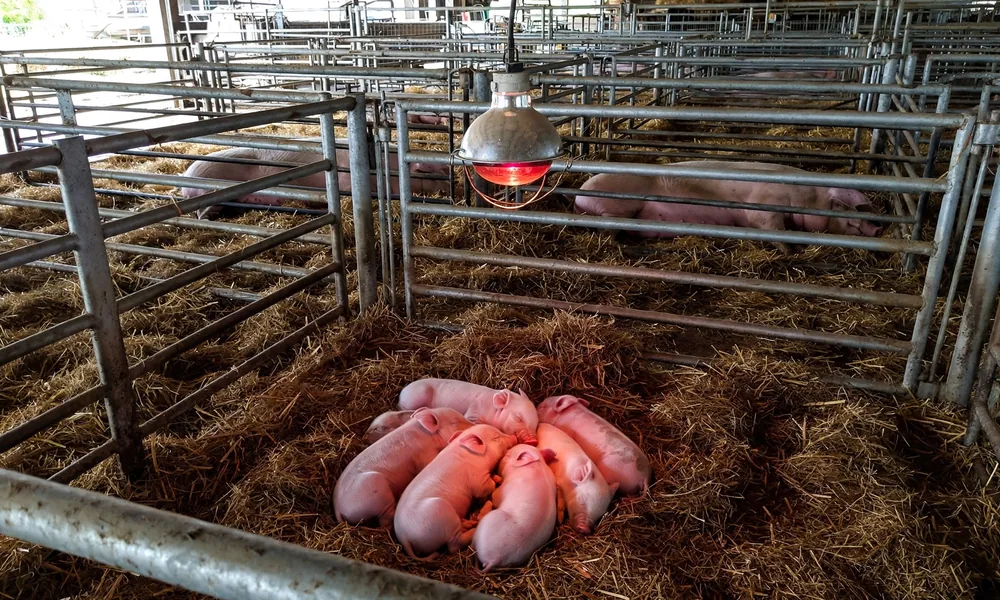
FarrowSuite AI plans the farrowing pens, which are the most demanding pens in a pig barn and the ones most often drawn as ordinary pens by startups that should know better. A farrowing pen needs a sow area, a creep area that piglets can reach and the sow cannot, a heat lamp or heat pad placed where piglets will actually lie, and rails or bars that protect piglets when the sow lies down. The tool lays all of that out from the pen size and the sow numbers, checks the heat coverage across the creep area, and flags any pen where the lamp hangs over the sow instead of the piglets.
The tool also thinks about the person working the pen, which is where farrowing plans usually fail. It checks that the stockperson can reach the creep area without climbing over a division, that the gate opens wide enough for a sow to enter without turning, and that the pen can be cleaned while the litter is still in it. A farrowing pen that is safe for piglets but awkward for people will be worked around rather than worked properly.
8. WeanerMove AI: The Best Tool for Moving Weaners Between Pens
WeanerMove AI plans how weaners move through the barn as they grow, from the farrowing pen to the weaner pens and then to the finisher pens, and it plans the moves as part of the building rather than as an afterthought. It works out how many weaners each pen can hold at each stage, when each group should move, and which gates and passages the moves will use, so the farmer is never pushing a group of weaners down a passage that is blocked by a feed barrow. It also keeps groups together where that matters and splits them where the pen sizes demand it, which is the judgement that keeps weaners calm and growing.
The movement lessons carry over from other group-pen barns: calf barn installation startups plan the same kind of group changes for young calves, though their pen sizes, milk feeding and weaning ages are all different. WeanerMove AI keeps the pig version honest by checking pen changes against pig weights, and by making sure the water and feed in the receiving pen are already running before the group arrives.
9. SwineLedger AI: The Best Tool for Priced Quotes, Job Records and Handover Notes
SwineLedger AI turns the drawings into money and the money into a record. It takes the pen count, the passage length, the feed line, the slurry channels and the bedding store, prices each one from the startup’s own materials list, and produces a quote that shows the farmer what each part costs rather than a single unexplained number. When the farmer asks why the barn costs what it does, the startup can point to the line, the drawing and the material, and that transparency is what closes pig barn jobs. It also tracks changes, so a farmer who adds two pens mid-job can see the new price before the work starts, not after it is finished.
The tool’s second job is the record the farmer keeps after handover. SwineLedger AI logs each pen as built, the feed and water settings, the ventilation settings, and the bedding and slurry routine, and it prints a handover sheet the farmer can keep in the feed store. A startup that leaves a proper record behind gets called back for the next barn, the repair and the recommendation.
What a pig barn installation costs and how to quote it
A pig barn is priced by the barn, not by the pig, and the quote should show that. The cost drivers are the shell and roof, the pen divisions and gates, the feed and water lines, the floor and slurry channels, the ventilation, and the bedding store, and each one scales with the barn’s length and pen count rather than with the number of pigs alone. A startup that quotes by the pig will underprice a long, narrow barn and overprice a short, wide one, and both errors come back as arguments. Quote from the measured drawing, line by line, and let the farmer see where the money goes.
The honest way to quote is to separate the fixed costs from the choices. The shell, the floor and the slurry channels are fixed once the barn size is agreed, while the pen divisions, the feeder type and the ventilation controls are choices the farmer can change, and the quote should show the price of each choice. A quote that shows its workings is a quote a farmer can trust, and a quote a farmer trusts is a quote that gets signed.
Pig barn installation checklist
Run through this checklist on every pig barn job before the first delivery arrives on site. It takes an hour and it catches the mistakes that cost a week.
- Measure the site and the access route before drawing anything, including the turning space for the delivery lorry and the loader.
- Fix the pen count, the pen sizes and the feed passage width on one drawing, and check that every gate opens without blocking the passage.
- Check ventilation for the whole barn, including the ridge opening and the side inlets, against ammonia and draughts.
- Plan the slurry and mucking routes so a barrow or loader can reach every pen and the store can be emptied.
- Fit farrowing and weaner pens with their own heat, water and gates, and check the creep areas before the pens are built.
- Price the materials, agree the quote in writing, and book the handover walk-through with the farmer before the build starts.
Frequently asked questions
What is the difference between a pig barn and a pigsty?
A pig barn is a barn-scale building with multiple pens in rows, a central feed passage, mucking routes and a slurry system that serves the whole floor. A pigsty is a single small house for a few pigs, with one or two pens and a simple bucket-and-barrow routine. The pigsty is the scaled-down house and the pig barn is the larger form, and they need different drawings, different tools and different quotes. A startup should decide which one the job is before opening any software, because a barn quoted as a pigsty will be underpriced and a pigsty quoted as a barn will never be signed.
How many pens should a pig barn have?
There is no single number, because the pen count follows the pig numbers, the groups and the farrowing plan. A barn for a small finishing herd might have eight to twelve pens, while a farrow-to-finish barn needs farrowing, weaner and finisher pens as separate groups. Work backwards from the pigs: how many sows, how many litters, how many weaners at each stage, and how many finishers at full stocking.
How much does a pig barn installation cost?
The cost follows the barn size, the pen count, the floor and slurry system, the feed lines and the ventilation, so no single figure covers every job. The shell and roof are usually the largest share, followed by the pen divisions and gates, then the feed, water and slurry work. A startup should quote from a measured drawing with each part priced separately, so the farmer can see what drives the total.
What ventilation does a pig barn need?
A pig barn needs fresh air in through side inlets, stale air out through the ridge, and no cold draught falling directly onto the pigs. The sizes depend on the barn volume and the stocking numbers, and they change with the season, so the system should be checked for a cold winter night and a hot summer day rather than for an average afternoon. Piglet areas need still, warm air while finisher pens need steady air movement, and the inlet and ridge sizes should reflect that difference. Ventilation should be settled on paper before the roof goes on, because moving an inlet afterwards means cutting the wall.
Do pigs need heating in a pig barn?
Grown pigs in a well-built barn usually need little extra heat, because their own body heat warms the building, but piglets always need it. Newborn piglets need a warm creep area with a heat lamp or heat pad, and the lamp must hang over the piglets, not over the sow. Weaners need a warm, draught-free pen for their first weeks after moving. The heating plan should therefore focus on the farrowing and weaner pens rather than on heating the whole barn, and the startup should check the heat coverage on the drawing before the pens are built, not after the first litter arrives.
Should a pig barn startup offer aftercare after handover?
Yes, and it should be written down rather than promised in conversation. Aftercare for a pig barn means checking the ventilation settings after the first cold snap, checking the feed and water lines after the first month, and walking the farmer through the mucking and bedding routine while the barn is still new. Startups that hand over a barn and disappear are the ones farmers warn each other about.
Bottom line
A pig barn installation startup succeeds by thinking at barn scale from the first drawing to the final handover: rows of pens, a feed passage that works every day, ventilation sized for the whole building, slurry and bedding planned before the floor is poured, and farrowing and weaner pens treated as their own job. The nine tools in this guide cover those jobs one by one, and used together they let a small startup quote a barn honestly, build it straight and hand it over with a record the farmer can use.

Keep what speaks to you.
Leave room for your own perspective.


