A chinchilla house is not a bigger cage and it is not a prettier box. It is a house-scale building for an animal that jumps like it was built for cliffs, chews everything it can reach, bathes in dust instead of water, and can overheat in a room that feels perfectly comfortable to a person. The animal inside it lives on several levels at once, moves between shelves in leaps rather than steps, and needs cool, moving air every hour of every day. That is a construction job with a very particular animal at the centre of it, and it is why a chinchilla house installation startup is a real trade rather than a weekend hobby.
The work starts long before a panel is cut. A good installer surveys the room or garden, works out where the sun falls and where the heat builds up, and draws a house with tall climbing levels, a dust bath station that keeps fine dust out of the sleeping shelves, a cooling plan that holds the temperature down on the hottest afternoon of the year, and timber that a chinchilla can gnaw for years without harm. A chinchilla house is a different build from a guinea pig house installation, where the animals live on the ground floor and move between hides and hay stations, and it is a different build from a hamster house installation, where the animal burrows through deep bedding and runs on a wheel. There is no wheel here and no burrow to dig. There are shelves to jump between, dust to bathe in, and heat to keep out.
The tools below were judged on one question each: does this tool make the finished house safer, cooler and easier to install? The nine that passed cover the whole job, from the first site survey to the final handover. A shelf set one jump too far apart, a dust bath placed where its dust settles on the sleeping ledges, or a room that warms past the safe ceiling in July can each turn a proud new house into a vet visit or a rebuild. This guide compares the nine best AI tools for chinchilla house installation startups in 2026.
Key takeaways
- A chinchilla house is a tall, multi-level climbing building, not a ground-floor pen: shelf heights, jump gaps and fall-safe landings decide whether it is safe.
- Cooling is the first design decision, not an afterthought: chinchillas overheat easily, so the house needs a temperature ceiling, shade and cool ventilation before anything else is drawn.
- Dust baths are a daily need, not an accessory: the bath station needs its own zone, the right dust grade and a routine that keeps fine dust out of sleeping areas.
- Every timber surface will be chewed, so only chew-safe, kiln-dried timber with protected joints belongs in the build — no treated wood, no MDF and no exposed plastic.
- The nine tools below cover planning, levels, dust baths, cooling, ventilation, timber, cleaning, quoting and bookkeeping, and each one was checked against the closest animal-house builds to make sure it is genuinely chinchilla-specific.
Planning the house before a panel is cut
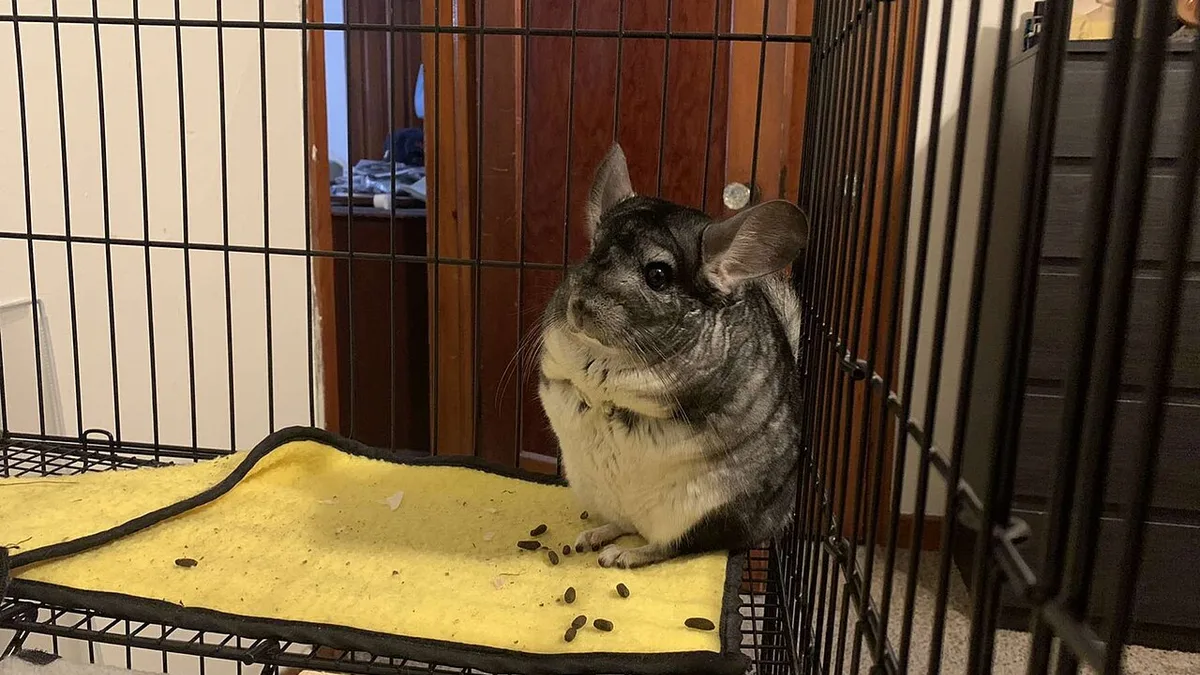
Every chinchilla house job begins the same way: a room, a garden corner or a spare wall, and a founder who has to turn the idea into measured drawings. The two tools in this section handle that first phase. One surveys the site and zones the house, and the other works out the levels, because in a chinchilla house the levels are the house. Get the survey wrong and the cooling plan is built on guesswork.
1. ChinPlan AI: the best tool for house-scale site surveys and room zoning
ChinPlan AI starts every job with the site, not the shelves. The founder photographs the room or garden corner, enters the measurements, and the tool builds a plan of the house as a small building: where the walls go, where the door opens, where the keeper stands to clean, and where the sun falls at midday and in the late afternoon. That last point matters more here than in almost any other animal-house build, because a chinchilla house that catches the afternoon sun becomes a warm box, and a warm box is a dangerous place for a chinchilla. ChinPlan AI flags sun-facing walls before the design goes any further and suggests moving the house, shading the wall or adding the cooling capacity to cope.
The zoning is what makes the tool worth its place at the top of the list. A chinchilla house needs separate zones for climbing, sleeping, dust bathing, eating and cleaning, and those zones cannot simply be stacked on top of each other. Dust from the bath station drifts, droppings fall from upper shelves, and a sleeping ledge placed under a jump route gets landed on. ChinPlan AI lays the zones out so the dust bath sits away from the sleeping shelves, the feeding station sits where spilled food can be swept without disturbing a sleeping animal, and the cleaning route lets the keeper reach every shelf without dismantling the house.
On a real job, ChinPlan AI earns its keep in the first hour: the founder walks the site with a phone, the tool records the measurements and the sun path, and by the time the customer is making tea there is a drawing to talk around. That drawing becomes the basis for the quote, the materials list and the install plan, so nothing later in the job is built on a measurement taken from memory.
2. ChinLevel AI: the best tool for multi-level shelves, jump gaps and fall-safe landings
If ChinPlan AI draws the house, ChinLevel AI draws the way the chinchilla moves through it. Chinchillas are jumpers. They cross gaps that look far too wide, land on narrow ledges and climb vertical faces with a confidence that surprises first-time keepers. A house that ignores that is either boring, because the shelves are too close together to be interesting, or dangerous, because a gap is too wide and the landing is too hard. ChinLevel AI models every shelf, ledge and jump in the house, checks the gap against the animal’s jumping range, and flags any leap that risks a hard fall or a missed landing.
The tool’s real value is in the landings. A chinchilla that misses a jump needs somewhere soft and clear to land, not a food bowl, a dust bath or a hard floor. ChinLevel AI checks the space below each jump route, marks landing zones that must stay clear, and suggests staggering the shelves so a fall is short and broken by a lower ledge rather than long and straight to the floor. It also spaces the shelves so the animal can climb the whole height of the house in a natural sequence of jumps, with resting ledges at sensible intervals, instead of facing one heroic leap between two distant platforms.
ChinLevel AI also marks which shelves must be removable for cleaning, which edges need protecting, and where a shelf should be thickened because it carries the main jump route. A founder who follows its plan ends up with a house that is fun to watch, safe to jump in and practical to clean.
Keeping the house cool and the air moving
Heat is the quiet risk in every chinchilla house, and it is the risk that separates this trade from its neighbours. A rabbit hutch installation worries about draughts, rain and predators, and those matter here too, but a hutch animal can cope with a warm afternoon in a way a chinchilla cannot. A chinchilla’s coat is one of the densest of any land animal, built for cold mountain air, and it cannot shed heat the way a rabbit can. The two tools in this section are the heart of the chinchilla build: one designs the cooling, and the other designs the air.
3. CoolChin AI: the best tool for cooling design, temperature ceilings and overheat alerts
CoolChin AI begins with a single number: the highest temperature the house is allowed to reach. The founder enters the room, the house size and the local climate, and the tool sets a ceiling for the interior temperature and then works backwards to the cooling the house needs to hold it. That ceiling is the design rule for everything that follows. If the house cannot hold its ceiling on the hottest day of the year, the design is not finished, however handsome the shelves look.
The tool models the heat sources one by one: sun through a window, warm air from the room, body heat, and heat trapped by the house’s own walls. Often the worst source is the sun on one wall, and the fix is shade, a different position or a reflective panel rather than an expensive cooler. When mechanical cooling is needed, the tool sizes it to the house rather than the room. It also plans for failure: what happens if the power cuts out on a hot day, and what the keeper should do first.
CoolChin AI also sets up temperature sensors and alerts the keeper when the interior climbs towards the ceiling, with enough warning to act before the heat becomes dangerous. For a startup, those alerts are both a selling point and a safety net: the customer gets a house that watches its own temperature, and the founder gets a record showing the cooling design worked as promised.
4. ChinBreeze AI: the best tool for cool ventilation without warm draughts
Ventilation in a chinchilla house is a balancing act. The house needs fresh air moving through it all day, because still air goes stale, dust builds up and ammonia from droppings lingers. But the air that moves through must be cool, and it must not blow directly across the sleeping shelves, because a cold draught on a sleeping chinchilla is as unwelcome as warm, still air. ChinBreeze AI plans the vents so the air changes often enough to stay fresh while the sleeping ledges stay out of the direct flow.
The tool maps the airflow through the whole house, shelf by shelf. It places intake vents low, where the coolest air sits, and exhaust vents high, where warm air gathers, and it checks that the flow reaches the back corners rather than short-circuiting from one vent to the next. It also sizes the vents for the house, not the room: a vent that suits a large building will turn a small chinchilla house into a wind tunnel, while a vent that is too small leaves the upper shelves stuffy. ChinBreeze AI shows the air changes per hour the design will deliver, and flags any shelf that sits in a dead spot where air never reaches.
ChinBreeze AI also thinks about dust: the bath station sits downwind of the sleeping ledges, and the airflow carries dust towards the exhaust rather than across the house. Used together, CoolChin AI and ChinBreeze AI give a founder a house that stays cool and smells fresh in August, which is the best advertisement a chinchilla house startup can have.
The chinchilla-only details: dust baths and chew-safe timber
Two features define a chinchilla house more than anything else. Chinchillas do not bathe in water; they roll in fine dust, and that dust keeps their dense coats clean. And chinchillas chew constantly, which means every piece of timber in the house is also, eventually, food. The two tools in this section handle those two facts.
5. DustBath AI: the best tool for dust bath stations, dust grade and bath routines
DustBath AI treats the dust bath as a room in the house, not a bowl left in a corner. The founder enters the house size and the number of animals, and the tool sizes the bath station, places it where dust will not drift onto the sleeping shelves, and works out how often the bath should be offered. Too small a bath and the chinchilla cannot roll properly; too large and it becomes a dust factory that coats the whole house. Too frequent and the coat dries out; too rare and the coat clogs and mats. DustBath AI finds the middle of all three.
The dust itself matters as much as the station. Chinchilla dust is a fine, specific grade, and the wrong grade irritates eyes and lungs or clumps in the coat instead of cleaning it. DustBath AI records the dust grade the house is designed for, checks that the bath container keeps the dust contained during a vigorous roll, and plans the refill and replacement routine so the dust stays fresh. It also designs the entrance to the bath: low enough for the animal to step in easily, high enough that dust does not spill out across the floor with every bath, and wide enough that a chinchilla can turn around inside without getting stuck.
On the install side, DustBath AI saves the founder from the most common complaint in the trade: dust everywhere. By placing the bath away from the sleeping ledges and giving it a contained design, the tool keeps the fine dust where it belongs, and its cleaning schedule tells the keeper exactly when to sieve, top up and replace the dust.
6. ChewTimber AI: the best tool for chew-safe timber, kiln-dried pine and joint protection
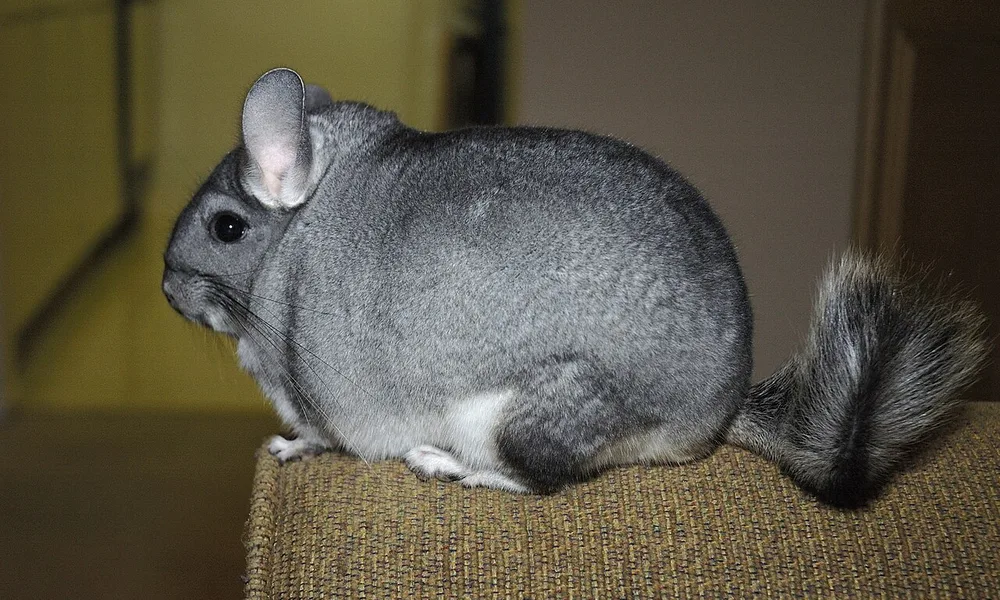
Every surface in a chinchilla house will be chewed. Shelves, ledges, door frames, hide entrances and the edges of the dust bath station are all gnawed, daily, for years. That simple fact rules out most of the materials a general builder would reach for. Treated timber is out, because the treatment chemicals are not safe to eat. MDF is out, because its dust and glues are not safe either. Exposed plastic is out, because a chinchilla can chew off and swallow pieces. ChewTimber AI is the tool that keeps a founder on the safe list: kiln-dried pine and other known-safe timbers, solid joints, and nothing the animal can eat that will harm it.
The tool checks every timber choice in the design against a safe list, flags any board, glue, stain or finish that is not chew-safe, and suggests the safe alternative with its cost and supplier. It also plans the joints, because joints are where a chewed house fails first. A shelf held by a single screw will loosen as the wood around it is gnawed; a shelf held by a protected joint, a metal bracket placed where teeth cannot reach it, or a thicker edge board will last years longer. ChewTimber AI marks the joints that need protecting, the edges that need a thicker sacrificial strip, and the fixings that must sit out of chewing range.
ChewTimber AI also plans for replacement: edge strips, gnaw blocks and shelf rims are listed as sacrificial parts, priced, and built into the aftercare plan, so the keeper knows what will wear out, when to expect it and what it costs. A customer told in advance that a shelf edge is a consumable will not feel cheated when it needs replacing in a year.
Running the job: cleaning, quoting and bookkeeping
A beautiful chinchilla house that cannot be cleaned, quoted or invoiced properly is a hobby, not a business. The last three tools handle the running of the job: keeping the house clean, pricing the work honestly, and keeping the books straight after it ends.
7. ChinClean AI: the best tool for dust, droppings and shelf cleaning schedules
A chinchilla house gets dirty in ways that surprise new keepers. Dust from the bath settles on every shelf, droppings fall from the upper levels onto the lower ones, and hay and food scatter across the floor. Left alone for a week, the house smells stale and the dust builds up; left alone for a month, it becomes a job nobody wants to do. ChinClean AI builds a cleaning routine for the finished house before the install is even finished, so the keeper knows from day one what to clean, how often and in what order.
The tool maps the house shelf by shelf and assigns each surface a cleaning frequency: daily spot-cleaning for the feeding station and the floor beneath the main jump routes, weekly cleaning for the shelves and ledges, and a deeper monthly clean for the dust bath area and the corners where dust gathers. It also plans the cleaning route, so the keeper works from the top shelf down and from the cleanest zone to the dirtiest, instead of spreading dust from the bath across the sleeping ledges. Removable shelves, which ChinLevel AI marked during the design, get their own instructions, so the keeper knows which parts lift out and how they go back.
ChinClean AI also helps the founder sell aftercare: a cleaning visit every few months, with a deep clean, a check of the shelves and joints for chew damage, a dust top-up and worn edge strips replaced. The tool prices those visits and schedules them, turning a one-off install into a relationship.
8. ChinQuote AI: the best tool for measured estimates and job costing
Quoting a chinchilla house is harder than it looks, because the price depends on measurements the customer cannot see: the height of the house, the number of shelves, the cooling capacity, the timber grade and the dust bath design. A quote guessed from a photograph will be wrong, and a wrong quote either loses the job or loses money on it. ChinQuote AI builds the quote from the measurements ChinPlan AI and ChinLevel AI have already taken, so every line in the estimate traces back to a real dimension in the design.
The tool breaks the job into materials, labour and extras, and prices each one separately. Timber is priced by the board, so a taller house with more shelves costs visibly more than a shorter one. Cooling is priced as its own line, so the customer can see what the safe temperature ceiling costs and why it is not an optional extra. The dust bath station, the chew-safe finishes and the aftercare visits are all listed, so the customer chooses between clear options rather than being surprised by a single large number.
Used well, ChinQuote AI also stops the most expensive mistake in the trade: the job that grows halfway through. When the customer asks for an extra shelf mid-install, the tool reprices the change on the spot, so the founder can agree to it with a number attached instead of absorbing the cost.
9. ChinLedger AI: the best tool for jobs, invoices and aftercare records
ChinLedger AI is the tool that turns nine installs into a business. It records every job from first enquiry to final handover: the customer’s details, the house measurements, the quote, the materials ordered, the install date, the photographs of the finished house and the aftercare schedule. When a customer calls back a year later because a shelf edge needs replacing, the founder can open the record and see exactly which timber was used, which shelf it was and what it cost last time, instead of guessing from memory.
The bookkeeping side is deliberately simple. Invoices go out from the same record as the job, payments are matched to them, and the founder can see at a glance which jobs are paid, which are overdue and which are still waiting for a deposit. ChinLedger AI also tracks the real profitability of each kind of job: a tall house with a full cooling design may earn more than a simple two-shelf build, or it may not, once the extra labour is counted. A founder who knows that can price the next job from evidence instead of instinct.
The aftercare records are the part customers notice most. ChinLedger AI keeps the temperature ceiling, the dust grade, the timber list and the cleaning schedule for every house built, and prompts the founder when a house is due its check-up. In a trade this small, the ledger is not paperwork. It is the business.
How the nine tools compare
The table below sums up the nine tools at a glance. Pick the planning tools first, add cooling and ventilation before you order timber, and bring the cleaning, quoting and bookkeeping tools in from the very first job.
| Tool | Best for | What it checks | When to use it |
|---|---|---|---|
| ChinPlan AI | Site surveys and room zoning | Sun path, zones, door and cleaning access | First visit, before any drawing |
| ChinLevel AI | Multi-level shelves and jump gaps | Jump gaps, landings and shelf spacing | Design, before timber is ordered |
| DustBath AI | Dust bath stations and routines | Bath size, dust grade and placement | Design, with the zone layout |
| CoolChin AI | Cooling and temperature ceilings | Heat sources, cooling size and alerts | Design, before the house is positioned |
| ChinBreeze AI | Cool ventilation | Air changes, vent placement and draughts | Design, with the cooling plan |
| ChewTimber AI | Chew-safe timber and joints | Timber safety, glues, finishes and joints | Materials order, before buying |
| ChinClean AI | Cleaning schedules and aftercare | Shelf-by-shelf cleaning and dust control | Handover, and every repeat visit |
| ChinQuote AI | Measured estimates and job costing | Materials, labour and change pricing | Quoting, before the customer agrees |
| ChinLedger AI | Jobs, invoices and records | Payments, profitability and check-ups | Every job, from enquiry to aftercare |
Chinchilla house installation checklist
Run through this checklist on every job before a single panel is cut. It takes ten minutes and catches the mistakes that cost a founder a rebuild.
- Measure every jump gap and check the landing below it is clear, soft and free of food bowls and dust baths.
- Set the temperature ceiling first, then prove the house can hold it on the hottest day of the year, with shade and cooling sized to the house.
- Place the dust bath away from the sleeping shelves and downwind of the ventilation exhaust, with the right dust grade recorded.
- Check every timber, glue, stain and finish against the chew-safe list, and protect the joints the animal can reach.
- Test the ventilation shelf by shelf, so no ledge sits in still air and no sleeping shelf sits in a direct draught.
- Plan the cleaning route and the aftercare visits before handover, so the keeper knows what to clean, when, and what will wear out first.
Frequently asked questions
How much does it cost to start a chinchilla house installation startup?
A lean start costs a few thousand pounds or dollars: a reliable vehicle, basic carpentry tools, a measuring kit, the nine tools in this guide and a small stock of kiln-dried pine and chew-safe fixings. Price the first five jobs carefully and let the quoting tool, not optimism, set the price. Most founders find the business pays for itself once the aftercare round begins, because cleaning visits and shelf replacements bring repeat income without new marketing.
How big should a chinchilla house be?
As tall as the room allows and as wide as the keeper can clean. Chinchillas use height more than floor space, so a tall house with several well-spaced shelves suits them better than a wide, low one. The design rules do not change: shelves spaced for safe jumps, landings kept clear, a dust bath in its own zone and a door wide enough for a person to reach every shelf.
As tall as the room allows and as wide as the keeper can clean. Chinchillas use height more than floor space, so a tall house with several well-spaced shelves suits them better than a wide, low one. The design rules do not change: shelves spaced for safe jumps, landings kept clear, a dust bath in its own zone and a door wide enough for a person to reach every shelf.
Why do chinchillas need dust baths in their house?
Chinchillas never bathe in water: their coats are so dense that water soaks in and will not dry, which can chill the animal and damage the fur. Instead they roll in fine dust, which absorbs the oils in the coat and keeps it clean and soft. A chinchilla house without a dust bath is missing the animal’s only way to clean itself, so the bath station needs its own zone, the right dust grade and a regular routine.
How cool does a chinchilla house need to stay?
Cool, always. A chinchilla cannot sweat or pant heat away effectively, so the house needs a temperature ceiling set during the design, shade from direct sun, cool ventilation and, in warm climates, mechanical cooling sized to the house. CoolChin AI sets that ceiling from the site measurements rather than a rule of thumb, and its overheat alerts are part of the handover rather than an optional extra.
What is safe timber for a chinchilla house?
Kiln-dried pine is the standard safe choice, along with other known-safe untreated timbers. Treated wood, MDF, chipboard with unknown glues, painted or varnished surfaces the animal can chew, and exposed plastic are all out, because a chinchilla will gnaw them and swallow what comes off. Every board, glue and finish should be checked against a chew-safe list before ordering, and the parts meant to be chewed away should be built as replaceable sacrificial strips.
What is the most profitable service for a chinchilla house startup?
The full house install earns the most per job, but the steadiest profit comes from the work around it: cooling upgrades, dust bath refits, shelf replacements and the regular cleaning and check-up round. Those smaller jobs use the same tools and skills, and they bring the founder back to customers who already trust the work.
The bottom line
A chinchilla house installation startup succeeds on measurements that look small and matter enormously: the gap between two shelves, the temperature on a hot afternoon, the grade of dust in the bath and the timber in a joint a chinchilla will chew for years. Start with the survey and the levels, design the cooling before you order the timber, and keep the records from the very first job. A founder who does that will build houses that keep chinchillas safe, cool and busy, and a business that keeps growing on keeper recommendations.
A chinchilla house installation startup succeeds on measurements that look small and matter enormously: the gap between two shelves, the temperature on a hot afternoon, the grade of dust in the bath and the timber in a joint a chinchilla will chew for years. Start with the survey and the levels, design the cooling before you order the timber, and keep the records from the very first job. A founder who does that will build houses that keep chinchillas safe, cool and busy, and a business that keeps growing on keeper recommendations.

Keep what speaks to you.
Leave room for your own perspective.