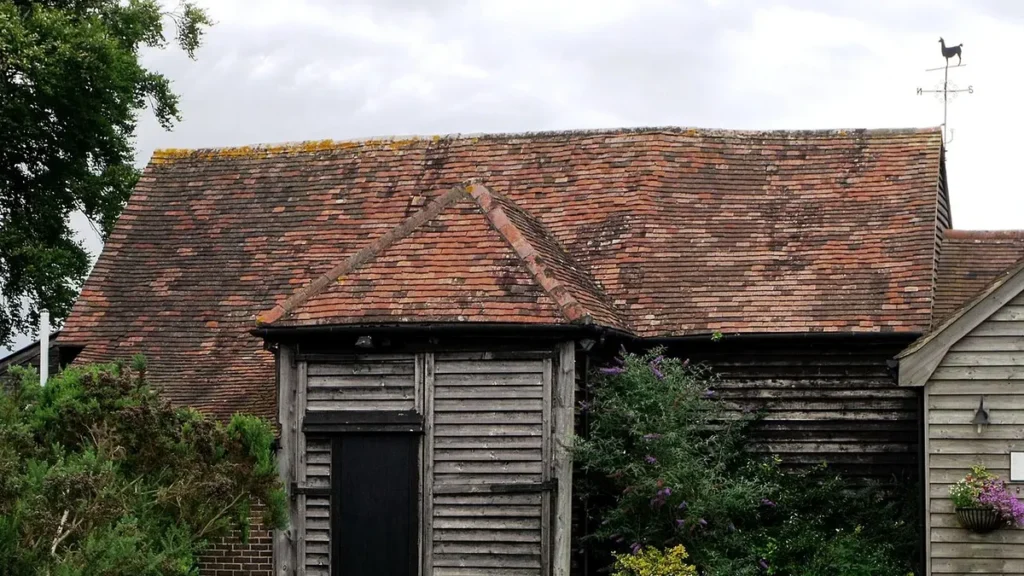
A llama barn is a barn-scale building for tall, long-necked animals that need height, air and room to move, and a llama barn installation startup is the small business that designs, builds and fits out that building for llama owners, trekking farms, therapy herds and fibre smallholdings. The work is not about one animal in a field shelter. It is about an enclosed barn with tall pens, a handling race that a six-foot animal can walk through without ducking, hay stores that stay dry through a wet winter, and ventilation sized for the whole building rather than one corner of it.
Llamas make the job harder than their size suggests. They stand close to six feet tall at the head, they spit when they feel crowded, they kick sideways when a gate swings the wrong way, and they overheat in still, humid air far sooner than cattle do. A pen that would suit a sheep is a trap for a llama: too low, too narrow, and too easy to climb out of or get a leg caught in. A barn that would suit a horse is closer, but horses do not need the same neck clearance at the feed rack, the same dry lying area for fibre that must stay clean, or the same calm, low-stress handling route that keeps a nervous camelid from panicking in a dead end.
The best AI tools for llama barn installation startups in 2026 take that awkward, animal-specific brief and turn it into a measured plan, a priced quote and a build that a client can approve before a single post hole is dug. The nine tools below cover the whole job in order: pen layout, handling, hay, air, safe fittings, fibre, health, quoting and handover. Each one earns its place by solving a llama problem, not a generic barn problem, and together they let a two-person startup take on barn-scale work without guessing at the dimensions that matter most.
Key takeaways
- A llama barn is an enclosed, barn-scale building with tall pens and handling races — not a three-sided field shelter and not a bigger sheep barn.
- Height is the dimension that decides everything: pen walls, gate tops, feed racks and roofline must all clear a standing llama’s head and neck.
- Ventilation is a heat problem, not just a smell problem — llamas overheat in still, humid air, so air movement must be designed for the whole barn.
- Hay and fibre stores need to stay dry and clean, because damp hay and dirty fibre both cost the client money within a single season.
- Quote the barn as one priced job with named tools for layout, handling, air and handover, and the client can approve it before work starts.

Why a llama barn is not a bigger shelter
The first decision a llama barn startup has to get right is the building type, because the wrong type wastes the whole budget. A three-sided llama shelter is an open field structure: a roof, a back wall and two side walls, with the front left open so llamas can walk in and out whenever they choose. It suits a small group on open pasture, and it suits llamas, which dislike dark, closed boxes. But it is not a barn. It has no enclosed pens, no handling race, no hay store under the same roof, and no ventilation system to design, because the wind does the work and the rain does the damage.
A llama barn is the enclosed step up from that shelter. It has four walls, a full roof, a dry floor and a door the owner can shut against a storm. Inside, the herd is split into pens by height and temperament rather than left to sort itself out in one open space. There is a handling race for health checks, shearing and loading, a feed passage wide enough for a barrow of hay, and a store where hay and fibre stay dry for months. The ventilation is designed rather than hoped for: inlets low, outlets high, air moving across the whole building so no pen sits in still, damp air while another freezes in a draught.
The height of the animal drives the height of the building. A standing llama carries its head close to six feet off the floor, and a pen wall that a sheep would respect is a hurdle a llama can lean over. Gates need to be tall enough that a llama cannot hook a leg over the top, feed racks need to sit at neck height rather than chest height, and the roofline needs clearance above the tallest animal in the herd, not the average one. Get the height wrong and the barn fails on its first day, however good the roof and the floor are. Get it right and the rest of the fit-out — pens, races, hay, air — falls into place around it.
The 9 best AI tools for llama barn installation startups
Each tool below solves one part of the barn, in the order a startup actually meets it: first the pen layout, then the handling route, then the feed and hay, then the air, then the fittings that keep animals and people safe, then the fibre, the health checks, the quote and the handover. Buy them in that order and every tool pays for the next one.
1. LlamaPen Planner AI: The Best Tool for Tall Pen Layout
LlamaPen Planner AI draws the pen layout from the herd, not from the building. The startup enters the number of llamas, their heights, which animals must be kept apart and which can share, and the tool returns a pen plan with tall walls, wide gates and a feed passage that a barrow can turn in. It flags any pen that is too small for the animals in it, any gate that sits below safe height, and any dead end where a nervous llama could feel trapped and panic.
The height rules are built in rather than left to memory. Pen walls default to a height that clears a standing llama’s head, gates are drawn tall with no climbable horizontal rail at leg height, and the feed rack sits at neck height so the animal eats with its head up rather than straining down. The tool also keeps the lying area dry on the plan: it marks where bedding should sit deep, where the floor should fall towards a drain, and where a pen would catch driving rain through a badly placed opening.
For a new startup, the value is in the drawing the client sees. A pen plan that shows each animal’s space, the gate swings and the feed route is easy to approve and hard to argue with later. When the client asks why one pen costs more than another, the startup can point at the plan and show the taller wall, the wider gate and the extra bedding depth, rather than asking the client to trust a verbal promise. That drawing becomes the build sheet the crew works from, so the barn that gets built is the barn that was quoted.
2. CamelidRace AI: The Best Tool for Handling Races and Chutes
CamelidRace AI designs the handling route that every other part of the barn depends on. Llamas need to be caught for health checks, shearing, toenail trimming and loading, and they need a route that moves them calmly from pen to race to trailer without a dead end or a sharp corner. The tool draws a race with curved entries, solid sides at llama eye height so the animal cannot see the distraction beyond, and a non-slip floor that stays grippy when wet.
The race is sized for camelids, not copied from a cattle crush. Llamas are narrower than cattle and taller at the neck, so a cattle race is too wide and too low at the same time: the animal can turn inside it and still duck under the top rail. CamelidRace AI sets the width so the llama walks straight without room to turn, the height so it cannot jump or climb, and the exit so the trailer or the pen is the only way forward. It also places a holding pen at each end, so one animal can wait calmly while another is handled.
3. HayLoft Llama AI: The Best Tool for Hay Stores and Racks
HayLoft Llama AI plans the hay store and the feed racks as one system, because hay that is stored badly is hay that gets fed badly. The tool sizes the store from the herd size and the length of the winter, then places it where the delivery lorry can reach it, the barrow route to the racks is short, and the bales stay dry even when the wind drives rain against the barn. It works out how many bales the store holds, how the oldest bales get used first, and where damp air would settle if the store had no ventilation of its own.
The racks inside the pens get the same attention. Llamas eat with their heads up, so a rack set at sheep height wastes hay on the floor and forces the animal to strain. HayLoft Llama AI sets the rack height and the bar spacing for a llama’s neck, so hay stays in the rack instead of falling into the bedding, and it places a rack in every pen so no animal has to cross another’s space to eat. The tool also flags racks that would sit under a drip line or beside a draughty opening, where hay would go damp within a week.
Hay is the client’s biggest running cost after the build itself, so a store that keeps it dry pays for the tool in a single winter. Damp hay loses feed value, grows mould that can make llamas ill, and has to be thrown away in armfuls. A dry store with a short barrow route and racks at the right height means the client feeds less hay, wastes less of it, and spends less time every morning hauling bales through mud.
4. LlamaAir AI: The Best Tool for Whole-Barn Ventilation
LlamaAir AI designs the air for the whole barn, and it treats heat as the main problem. Llamas overheat in still, humid air far sooner than cattle or sheep, and a barn that holds heat in summer is a barn that makes animals ill. The tool models the building with its roof height, pen layout and stocking density, then places inlets low and outlets high so warm air rises out through the ridge while fresh air sweeps across every pen at llama head height.
The design avoids the two mistakes that ruin most barn ventilation: a draught straight onto the animals, and a dead pocket of still air in the far corner. LlamaAir AI checks air speed at the lying area, not just at the ridge, and it flags any pen where the air would sit still on a hot day. It also works for winter, when the barn needs fresh air without chilling the herd: the tool sizes adjustable inlets that can be closed down in a storm and opened wide on a still summer evening.
For the startup, ventilation is the part of the quote that clients understand least and benefit from most, so the tool’s drawings matter. A plan that shows air moving through every pen, with inlet and outlet sizes marked, turns an invisible system into something the client can see and approve. When the first hot week arrives and the llamas stay calm and cool inside, the client knows the barn was designed rather than just built.
5. SpitSafe AI: The Best Tool for Spit-Proof and Kick-Proof Fittings
SpitSafe AI specifies the gates, latches, hinges and partitions that survive daily contact with llamas. A llama that feels crowded will spit, and a llama that feels cornered will kick sideways, so every fitting in the barn has to be stronger than it looks and placed where a kick cannot reach it. The tool lists each gate and partition with its height, its fixings and its latch type, and it flags any fitting that a llama could hook a leg over, chew through or kick loose.
The details are what make the difference between a fitting that lasts ten years and one that fails in ten weeks. Latches sit on the outside of the pen so a llama cannot nose them open, hinges are bolted through the frame rather than screwed into the face of it, and gate tops have no horizontal rail at the height where a leg could catch. SpitSafe AI also checks the gaps: a partition gap that looks neat on paper can trap a curious nose or a thin leg, so the tool marks every gap against the size of the animals in that pen.
6. FibreStore AI: The Best Tool for Fleece Harvest and Fibre Storage
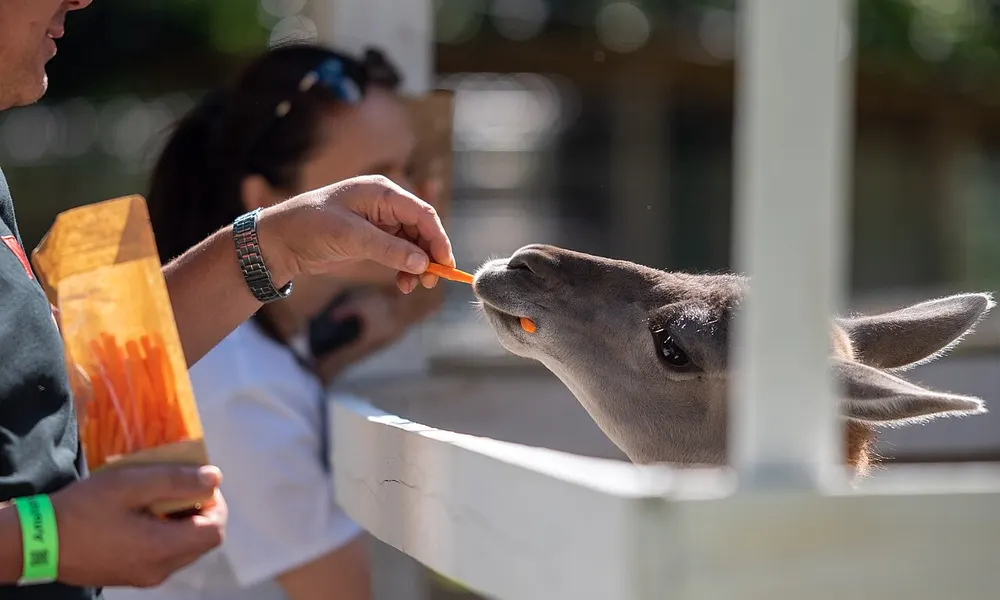
FibreStore AI plans the part of the barn that turns a cost into an income: the fleece harvest. Llamas are shorn once a year, and the fibre that comes off them is worth real money only if it is kept clean, dry and sorted. The tool places a shearing bay beside the handling race, with a clean floor, good light and room to lay a fleece out flat, then sizes a dry store where sorted fibre can wait for the spinner or the buyer without picking up dust, damp or stable smells.
The sorting matters as much as the storing. FibreStore AI lays out labelled bins for the best blanket fibre, the neck and leg fibre, and the short or matted fibre that belongs in a different bag, so the shearer can sort as the fleece comes off instead of sorting a mixed pile later. It also keeps the fibre store away from the hay store and the muck route, because fibre that smells of hay dust and ammonia loses value before it ever reaches a buyer.
An alpaca barn is built around fleece in the same way, since alpacas are bred first for their fibre, but a llama barn has to fit the harvest around animals that are kept as often for trekking, guarding or company as for their coats. FibreStore AI lets the startup give the client a shearing bay that works for a small annual clip without turning the whole barn into a fibre shed. The client gets a clean harvest, a dry store and a product to sell, and the startup gets a feature that most barn builders never think to quote.
7. LlamaCare AI: The Best Tool for Herd Health and Daily Checks
LlamaCare AI turns the daily round into a checklist the client can actually follow. Each llama gets a record with its age, weight, worming dates, vaccination dates, toenail trims and shearing dates, and the tool turns those records into a daily list: which animals need checking, which pen needs fresh bedding, which water trough needs cleaning and which animal has not been seen eating. The list is short enough to finish in one round and clear enough that a holiday helper can follow it without a phone call.
The health checks are built for camelids. Llamas hide illness well, so the tool prompts the owner to look for the small signs: an animal standing apart from the herd, a dull coat, a change in droppings, a reluctance to move. It records body condition scores with a simple scale and photographs, so a slow loss of condition shows up over weeks instead of being noticed only when the animal is already thin. It also flags the seasonal jobs — heat stress checks in summer, extra bedding in winter, and shearing dates before the fibre gets matted.
For the startup, handing over a health system is what turns a build into a relationship. The client who gets a working daily checklist calls the startup first when they want an extra pen or a new store, because the startup is the firm that understood the animals, not just the building. LlamaCare AI also protects the startup: a written health record shows the barn was handed over with healthy animals and clear routines, so a problem six months later is a problem to solve, not a blame to argue over.
8. LlamaQuote AI: The Best Tool for Priced Quotes and Job Costing
LlamaQuote AI builds the quote from the plan, so the price the client sees is the price the build actually costs. The startup enters the pen layout, the race, the hay store, the ventilation and the fittings, and the tool prices each part with materials, labour and a margin the startup sets once and keeps. It shows the client one total with a clear breakdown, so the client can see what the tall pens cost, what the ventilation costs, and what the handling race costs, instead of facing a single unexplained number.
The breakdown is what stops the two most expensive mistakes in barn work: quoting too low and quoting too vaguely. A quote that is too low wins the job and loses money on every day of the build, while a quote that is too vague invites the client to ask for extras that were never priced. LlamaQuote AI keeps a record of every quote against the job it became, so the startup can see which estimates were right, which materials ran over, and where the next quote needs a bigger allowance.
9. LlamaLedger AI: The Best Tool for Records, Handover and Aftercare
LlamaLedger AI closes the job properly, with a written record the client keeps. It gathers the pen plan, the ventilation drawings, the fittings list, the health checklist and the materials used into one handover file, and it records the date each part was finished, who built it and what guarantee it carries. The client gets a folder they can hand to a vet, an insurer or a buyer, and the startup gets a record that proves what was built and when.
The handover includes the routines the barn was designed around: how to work the ventilation inlets through the seasons, how often to check the fittings, when to muck out each pen and where the spare parts are kept. It also sets the aftercare: a check visit after a month, a call after the first winter, and a reminder when the shearing bay will be needed again. Those visits cost the startup a morning each, and they are worth far more than the morning, because they are when the client mentions the next job.
How the nine tools compare
The nine tools work as a set, but a startup buying its first tool should start with the part of the job it does most. The table below shows what each tool is best for and the first job to use it on.
| Tool | Best for | First job to use it on |
|---|---|---|
| LlamaPen Planner AI | Tall pen layout | Drawing the pen plan for a new herd |
| CamelidRace AI | Handling races and chutes | Designing the race for shearing day |
| HayLoft Llama AI | Hay stores and racks | Sizing the winter hay store |
| LlamaAir AI | Whole-barn ventilation | Placing inlets and ridge outlets |
| SpitSafe AI | Spit-proof and kick-proof fittings | Specifying gates and latches |
| FibreStore AI | Fleece harvest and fibre storage | Laying out the shearing bay |
| LlamaCare AI | Herd health and daily checks | Setting up the daily round |
| LlamaQuote AI | Priced quotes and job costing | Pricing the first barn quote |
| LlamaLedger AI | Records, handover and aftercare | Writing the handover file |
Llama barn startup checklist
Use this checklist on every job, in order, before the build starts. A barn that passes all six is a barn that will work on its first day and its hundredth.
- Measure the tallest llama first. Set every pen wall, gate top and feed rack from the tallest animal in the herd, not the average, and check the roofline clears a standing head with room to spare.
- Walk the handling route on foot. Follow the race from pen to trailer with no dead ends and no sharp corners, and check that a nervous llama can be moved by one person without a second handler.
- Price the hay store for the whole winter. Size the store from the herd and the season, place it where the lorry can reach it, and keep the oldest bales moving to the racks first.
- Check the air in every pen. Stand in each pen on a still day and feel for dead air, then check the inlets and outlets are placed to move air across the lying area, not just through the ridge.
- Test every latch from outside the pen. Open and close each gate with one hand from the feed passage, and check no latch can be nosed open and no gap can trap a leg.
- Write the handover before handover day. Gather the plans, the fittings list, the health checklist and the seasonal routines into one file, and book the first aftercare visit while the client is still on site.
A donkey barn follows the same checklist shape — tall stalls, a safe handling route, dry hay and a written handover — which is why the routine transfers so well between barns for different animals. The measurements change with the animal, but the habit of measuring first, walking the route, pricing the store, checking the air and writing the handover does not.
Frequently asked questions
What is a llama barn installation startup?
A llama barn installation startup is a small building business that designs, builds and fits out enclosed barns where llamas live, eat and rest. The firm surveys the site, draws a measured plan with tall pens, a handling race, a feed passage, a hay store and ventilation, builds the shell and the fit-out, and hands over a finished building with a written record of how to run it. It is a barn-scale business, not a shelter business, and its clients are llama owners, trekking farms, therapy herds and fibre smallholdings.
How is a llama barn different from a llama shelter?
A llama shelter is a three-sided field structure that llamas can walk in and out of freely, with no enclosed pens, no handling race and no hay store under the same roof. A llama barn is fully enclosed, with four walls, a door that shuts against a storm, pens for splitting the herd, a handling race, a feed passage, a hay store and designed ventilation. The shelter suits a small group on open pasture; the barn suits a herd that needs managing, handling and feeding through the winter.
How much does a llama barn cost?
The cost depends on the size of the herd, the site and the fit-out, so no single figure covers every job. The shell is usually the largest single cost, followed by the pen fit-out, the handling race and the ventilation. A startup that prices with a tool like LlamaQuote AI can show the client the cost of each part separately, so the client can see where the money goes and choose what to keep, cut or upgrade before work starts.
What size should the pens be?
Pens should be sized from the animals that will use them, with the tallest llama setting the height. Each pen needs room for the animals in it to lie down, stand, turn and reach the feed rack without crowding, plus a gate wide enough for a handler and a barrow. A pen plan drawn with a tool like LlamaPen Planner AI shows the space per animal, the gate swings and the feed route, so the client can approve the layout before the first post goes in.
What ventilation does a llama barn need?
A llama barn needs air that moves across every pen at llama head height, with inlets low and outlets high so warm air rises out through the ridge. Llamas overheat in still, humid air, so the design must clear heat in summer as well as bring in fresh air in winter. Adjustable inlets let the owner close the barn down in a storm and open it wide on a still summer evening, and no pen should sit in a dead pocket of still air.
Can AI tools really design a llama barn without a site visit?
AI tools can do the measuring, the drawing and the pricing, but they cannot replace the site visit. The ground, the slope, the drainage, the wind direction and the access for a delivery lorry all have to be seen in person, and a plan drawn without that visit will be wrong in ways no software can predict. The tools make the visit more useful, because the startup arrives knowing the herd, the heights and the budget, and leaves with a plan the client can approve.
Bottom line
A llama barn is a tall, enclosed, barn-scale building, and the startup that builds it well is the one that measures the tallest animal first, designs the handling route before the pens, keeps the hay dry, moves the air through every pen, fits gates that survive spitting and kicking, and hands the client a written record of the whole job. The nine tools in this guide cover that job in order, and any one of them is a good place to start — but the pen plan is the best first buy, because every other decision hangs off the layout it draws.
Start with the herd, not the building. Count the llamas, measure the tallest, walk the ground, and let the tools turn those facts into a plan, a price and a barn the client can approve with confidence. A barn built that way works on its first day, keeps working through its first winter, and brings the startup its next job by recommendation.

Keep what speaks to you.
Leave room for your own perspective.


