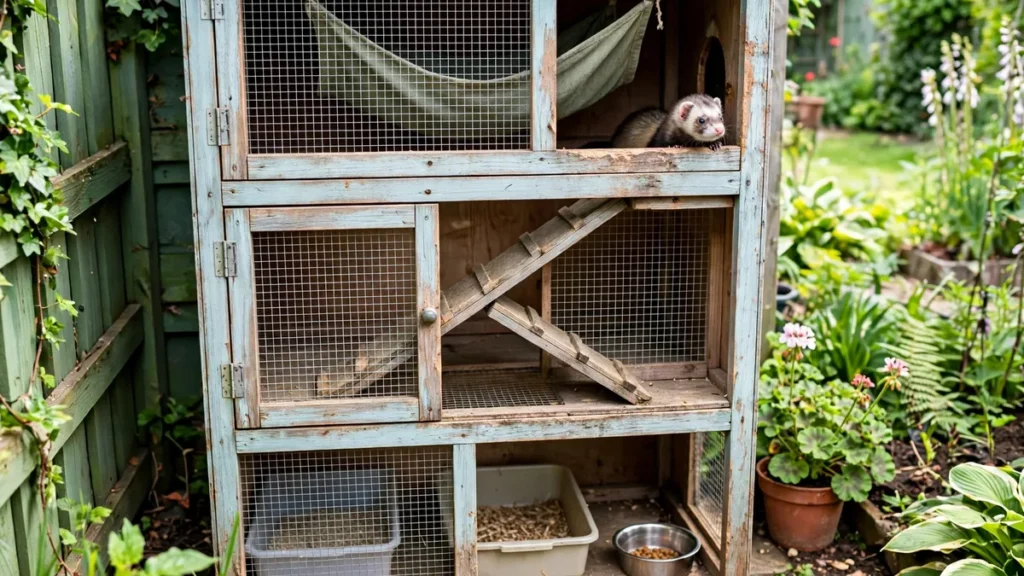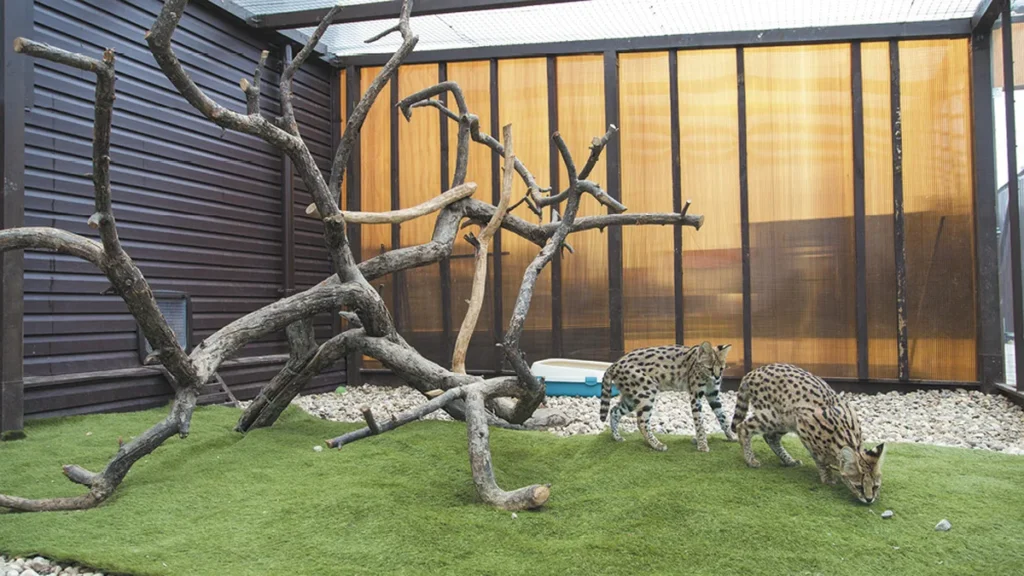
A cattery installation startup builds the building that cats stay in. That is the whole trade, and it is worth stating plainly at the start, because the word cattery gets used for several different businesses. The build itself is a small building job with a very particular client: a row of private suites, each with its own sleeping box, climbing space and attached run, put together so the cats stay warm, dry, calm and clean. The suite is the heart of it. It needs solid walls, a raised floor, insulation that holds heat through a cold night, a hiding place for a nervous cat, and a doorway sized for the cat. The run in front of it needs mesh that a determined cat cannot climb through or squeeze past, a gate that latches properly, and a floor that drains.
Most cattery jobs go wrong in the same few places, and almost all of them are decided before a single panel is ordered. A suite that is too small will stress every cat that sleeps in it. A run laid dead flat will hold puddles, and puddles mean damp bedding, sore paws and smell. A cattery put on the lowest corner of a garden will flood in the first heavy rain. Ventilation that is too weak will leave ammonia hanging in the air, and ventilation that is too strong will leave draughts across the sleeping boxes. A quote that counts panels but forgets the slab, the drainage, the insulation, the mesh and the gates will run out of money halfway through.
The best AI tools for cattery installation startups in 2026 help a small crew design suites that cats actually settle into, survey a garden and place the building where water runs away from it, prove the ventilation and drainage on paper before the first trench is dug, and hand over a finished cattery with records that show every decision. They do not run the boarding business that will one day fill those suites, and they do not turn the job into a dog kennel with smaller beds. This guide covers the nine that earn their place on a cattery job, what each one does best, and the order to buy them in.
Key takeaways
- A cattery installation startup builds the cat-boarding facility itself: suites, runs, ventilation, drainage, hygiene and security, not the boarding business that later fills it.
- Suite size, ventilation and drainage are decided on paper before building starts, because fixing them after handover costs far more than planning them.
- Cats need calm, separate suites with hiding places and climbing room, so a cattery layout cannot be copied from a dog kennel.
- Buy the layout tool first, then the survey and ventilation tools, and add quoting and handover tools once the first jobs are won.
- Every quote must count the slab, drainage, insulation, mesh, gates and waste handling, or the job will run out of money halfway through.

What is a cattery installation startup?
A cattery installation startup is a small building business that specialises in putting up catteries: the purpose-built facilities where cats stay while their owners are away. Unlike a general builder, it works with one kind of building and one kind of occupant, so its core skills are suite layout, cat-proof mesh and fencing, ventilation that clears ammonia without draughts, drainage that carries wash water away, and hygiene surfaces that can be cleaned every day without wearing out. A typical job starts with a garden or a small plot, a conversation about how many cats the owner wants to house, and a survey of levels, access and drainage. It ends with a finished row of suites, each with a sleeping box, a climbing perch, a litter area and an attached run, handed over with drawings and a cleaning routine.
The distinction that matters most is the one between building a cattery and running one. A cattery installation builds the facility; the boarding business is the separate trade of looking after the cats that stay in it, taking bookings, keeping care records and managing feeding routines. That boarding trade is covered in our guide to how a cat boarding startup runs once the building is finished, and none of the tools in this guide do that job. The tools below design suites, prove airflow, size drains and price the build. They never take a booking, never remind anyone about a feeding time, and never write an update to a cat owner.
The second distinction is between a cattery and a dog kennel. Both are animal buildings, but they are different builds, and the difference starts with the animal. Dogs need runs they can pace in and sleeping boxes that hold body heat; cats need height, hiding places and quiet, and they need to be kept apart from cats they do not know. A dog kennel layout copied at a smaller scale gives cats suites that are too open, too noisy and too easy to escape from, with mesh a cat can climb and gaps a cat can squeeze through. Our guide to how a dog kennel installation differs from a cattery build covers the kennel-house build in full, and this guide stays firmly on the cat side of that line.
A cattery installation startup usually works as a crew of two or three, with the founder doing the surveys, the drawings and the quotes, and a small team doing the build. The tools in this guide fit that shape: light enough to run from a van or a kitchen table, producing drawings and numbers a client can understand, and keeping one shared record of the build from the first survey to the handover sheet.
What a cattery build actually involves
Every cattery build follows the same order, and the order is the reason the tools are grouped the way they are. First comes the site: levels, access for deliveries, where the water runs in heavy rain, and where the sun falls through the day. A cattery that faces the afternoon sun will overheat in summer, and a cattery in a hollow will flood in winter, so the survey decides the position before the layout is drawn. Then comes the suite layout: how many suites fit, how big each one is, where the sleeping boxes sit, and how the runs connect without letting cats see or reach each other. Then comes the air and the water: ventilation that moves stale air out without draughts across the sleeping boxes, and drainage that carries wash water away on a fall the eye can barely see.
After the shell comes the inside of the suite, which is where a cattery build differs most from any other small building. Each suite needs a hiding place, a perch at height, a scratching surface, a litter area that is easy to reach for cleaning but private for the cat, and a food and water point that stays clean. The surfaces need to survive daily washing, the joints need to be sealed against urine, and the mesh needs to be fine enough to hold a kitten and strong enough to hold a large cat that climbs it.
The last part of the build is the part clients remember longest, which is the handover. A finished cattery is handed over with drawings that show what was built, ventilation readings that show the air moves as designed, drainage notes that show where the water goes, and a cleaning routine written for the person who will run the building. A startup that hands over a building without those records leaves the new owner guessing, and guessing is what turns a good build into a bad reputation.

The 9 best AI tools for cattery installation startups
The table below gives the short version of the guide: each tool, what it is best for, and the first job to use it on. The sections that follow give the full version, with the strengths and the limits of each tool, and the point in the build where it earns its keep.
| Tool | Best for | First job to use it on |
|---|---|---|
| SuitePlan AI | Suite layout and sleeping box sizes | Your first three-suite garden cattery |
| CatterySite AI | Site surveys and building position | A sloping garden with poor drainage |
| CatVent AI | Ventilation, air speed and ammonia checks | A six-suite indoor cattery |
| DrainCat AI | Floor falls, channels and wash-down routes | A cattery on a flat concrete slab |
| LitterFlow AI | Litter areas, waste handling and stores | A ten-suite cattery with daily cleaning |
| EnrichCat AI | Perches, climbing and hiding places | A cattery for nervous and older cats |
| SecureCat AI | Mesh, latches and escape-proofing | A cattery near a busy road |
| QuoteCat AI | Quotes, materials and job costing | Your first priced cattery quote |
| HandoverCat AI | Handover records and aftercare | Your first finished cattery |
1. SuitePlan AI: The Best Tool for Cattery Suite Layout and Sleeping Box Sizes
SuitePlan AI is the layout tool, and it is the first tool to buy because every other decision in a cattery build hangs off the layout. It takes the measurements of the plot, the number of suites the client wants, and the mix of single and family suites, and it draws a row of suites with sleeping boxes, perches, litter areas and runs in the right places. It flags a suite that is too small for the cats it must hold, a sleeping box placed where draughts will cross it, and a run that lets two cats see each other through the mesh. The drawings are clear enough to show a client on a kitchen table, with each suite labelled and each dimension written on the plan.
The strength of SuitePlan AI is that it thinks like a cat, not like a builder. It keeps sleeping boxes away from the mesh where a nervous cat would feel watched, puts perches at heights a cat can reach in two jumps rather than one leap, and leaves a hiding place in every suite. Its weakness is that it only knows what the survey tells it, so a wrong measurement in means a wrong layout out, and it must be fed by a proper site survey rather than a guess.
2. CatterySite AI: The Best Tool for Site Surveys and Building Position
CatterySite AI is the survey tool, and it answers the question every cattery job starts with: where on this plot should the building go. It takes levels, boundaries, access points, existing drains and the direction of the sun, and it places the cattery where water runs away from the building, where deliveries can reach the site without crossing the garden, and where the suites get morning light without afternoon overheating. It marks the low corners where water will sit, the slopes where a slab will need cutting in, and the trees whose roots will reach the foundations. A cattery placed by CatterySite AI starts the build with the ground on its side instead of against it.
The tool earns its keep on the awkward plots, which are most of them. A flat garden looks easy until the first rain shows where the water sits, and a sloping garden looks hard until the survey shows a shelf of level ground halfway down. CatterySite AI reads both, and writes its findings into a short report with a plan, a levels diagram and a list of groundworks, so the client can see why the building sits where it sits.
3. CatVent AI: The Best Tool for Ventilation, Air Speed and Ammonia Checks
CatVent AI is the ventilation tool, and it deals with the problem that quietly ruins more catteries than any other: air that is either stale or draughty. Cats produce ammonia, and a cattery with weak ventilation will smell of it within days of opening, which is the fastest way to lose a client and a reputation. Ventilation that is too strong is just as bad, because a draught across a sleeping box will keep a cat cold and stressed all night. CatVent AI models the airflow through each suite, sizes the inlets and outlets, and checks the air speed at the sleeping box, the perch and the litter area.
The tool also gives the startup something to prove at handover: a ventilation reading for each suite, showing the air changes per hour and the air speed where the cat sleeps. That reading is worth more than any promise, because a client who can see the numbers trusts the build. CatVent AI is at its best on indoor catteries, where the air has to be moved mechanically rather than left to the wind.
4. DrainCat AI: The Best Tool for Floor Falls, Channels and Wash-Down Routes
DrainCat AI is the drainage tool, and it deals with the second problem that follows every cattery: water getting in and wash water getting out. A cattery floor is washed every day, so the floor must fall gently towards a channel or a gully, and the channel must carry the water away from the building without pooling. A floor laid dead flat will hold puddles, and puddles mean damp bedding, sore paws and smell. DrainCat AI draws the falls on the plan, sizes the channels, and checks that the wash-down route from the furthest suite reaches the drain without crossing a dry area or running uphill.
The tool also checks the outside of the building, where rainwater from the roof and the runs must be kept away from the slab. It marks where a gutter will overflow onto a run, where a downpipe will discharge against a wall, and where the ground needs regrading so rain runs away from the building instead of towards it. Its strength is precision: it works in falls of a few millimetres over a metre.
5. LitterFlow AI: The Best Tool for Litter Areas, Waste Handling and Stores
LitterFlow AI is the waste tool, and it covers the part of a cattery build that clients rarely ask about and carers think about every day: where the litter goes, where the waste is stored, and how the cleaning route works. Every suite needs a litter area that is private for the cat and easy to reach for cleaning, and the building needs a waste store that is close enough to use and far enough from the suites to keep smells away. LitterFlow AI places the litter areas, sizes the waste store for the number of suites, and draws the cleaning route so the carer never carries a full tray through a clean suite.
The tool also sizes the litter store itself, because a cattery that runs out of litter on a holiday weekend has a problem that no amount of building quality can fix. It works out the daily volume from the number of suites, the size of the trays and the cleaning routine, and sizes a store that holds a fortnight of litter and bedding without blocking access.
6. EnrichCat AI: The Best Tool for Perches, Climbing and Hiding Places
EnrichCat AI is the enrichment tool, and it designs the inside of the suite: the perches, the climbing routes, the hiding places and the scratching surfaces that turn a box into a place a cat will settle in. A cat that can climb to a high perch is calmer than one stuck at floor level, and a cat with a hiding place recovers faster from the stress of arriving. EnrichCat AI places perches at heights a cat can reach in easy jumps, checks that every perch has a safe landing below it, and makes sure every suite has a hiding place that is dark, enclosed and away from the mesh.
The tool also checks the climbing routes the way a cat would use them, which is the detail most builders miss. A perch with no route up to it is decoration, and a climbing route that ends in a dead end is a trap. EnrichCat AI draws the routes as a cat would climb them, and flags the perch that can only be reached by jumping across a gap too wide for an older cat.
7. SecureCat AI: The Best Tool for Mesh, Latches and Escape-Proofing
SecureCat AI is the security tool, and it deals with the one failure a cattery can never afford: a cat getting out. Cats climb, squeeze, push and learn, and a mesh that holds a dog will not necessarily hold a cat. SecureCat AI checks the mesh size against the smallest cat the cattery will house, checks the fixings for gaps a paw can work loose, and checks every gate and latch for the ways a cat can defeat it. It flags a gate that a cat can lift, a latch that a cat can paw open, and a roof joint where a climbing cat can find a gap.
The tool also plans the double-door entries that keep cats inside while carers walk in and out. A single door is an escape route every time it opens, and a double-door entry with a small lobby between the doors is the simplest fix in cattery building. SecureCat AI places the lobbies, sizes them so a carer with a tray can pass through without holding both doors open, and checks that the doors swing the right way.
8. QuoteCat AI: The Best Tool for Quotes, Materials and Job Costing
QuoteCat AI is the quoting tool, and it is the one that decides whether the startup makes money. A cattery quote has to count everything: the slab, the panels, the mesh, the insulation, the gates, the drainage, the ventilation, the litter stores and the labour, and a quote that forgets any one of them will run out of money halfway through the job. QuoteCat AI takes the layout, the survey and the drainage plan, and it builds a quote line by line, with materials, quantities and labour for each part of the build, so the client can see what the money is for and the startup can see where the margin sits.
The strength of QuoteCat AI is that it learns from every job. A quote that came in over budget on mesh or under budget on groundworks is fed back into the next quote, so the pricing gets sharper with each cattery built. It also flags the items that are most often forgotten, which are usually the small ones: fixings, sealants, guttering and waste disposal, which add up to real money across a ten-suite build.
9. HandoverCat AI: The Best Tool for Handover Records and Aftercare
HandoverCat AI is the last tool in the guide, and it covers the day the build ends and the building starts its working life. It takes the drawings, the ventilation readings, the drainage notes and the materials list, and it turns them into a handover pack: a set of documents the new owner can keep, showing what was built, where everything is, and how to look after it. The pack includes the cleaning routine for each suite, the maintenance schedule for the mesh, latches and ventilation, and a list of the materials used.
The tool also sets up the aftercare that turns a finished job into the next job. It schedules a check-in a month after handover, prompts the startup to ask how the suites are settling in, and records any small fixes the owner reports, so the startup can put them right and learn from them. A cattery owner who gets that call is an owner who recommends the startup to the next person building a cattery.
How to choose your first three tools
A new cattery installation startup does not need all nine tools on day one. It needs three, bought in the order the work arrives. The first is SuitePlan AI, because the layout is the first thing a client asks for and the first thing a quote is built from. A startup that can draw a clear suite layout in front of a client wins the job more often than a startup that talks about it and promises drawings later. The second is CatterySite AI, because a layout drawn without a survey is a guess, and a guess about levels and drainage is the most expensive guess in the trade. The third is QuoteCat AI, because a startup that can price the layout it has just drawn, in the same meeting, looks professional and gets the deposit.
The next three tools follow the first jobs. CatVent AI and DrainCat AI come once the first quotes are won and the builds start, because ventilation and drainage are the parts of the build that cannot be fixed cheaply after the walls go up. SecureCat AI comes with them, because escape-proofing is checked as the mesh and gates go in, not after the cats arrive. LitterFlow AI, EnrichCat AI and HandoverCat AI come as the startup grows: the first two make the suites better for the cats and easier for the carers, and the last one turns finished jobs into recommendations.
One more point matters when choosing tools, and it is about knowing where the build stops. The tools in this guide build the cattery; they do not run it, and the management software that takes over once the building opens is a different purchase for a different day. The kennel startup software that handles bookings once a kennel opens shows the shape of that later decision, and it is worth reading before promising a client anything about how the finished building will be run. For now, the build is the business, and the nine tools above are the ones that build it well.
Cattery installation checklist
Use this checklist on every job, from the first survey to the handover. It is the short version of the whole guide, and a job that passes all six points is a job that will stand up to an inspector, a vet and a nervous cat owner.
- Survey the plot first: levels, drainage, access and sun, and place the building where water runs away from it.
- Draw the suite layout before ordering anything, and check every suite for size, hiding place and perch routes.
- Prove the ventilation on paper, with air speeds checked at the sleeping box, not just at the vent.
- Check the drainage falls with a level, and make sure the wash-down route reaches the drain from every suite.
- Test every gate, latch and mesh panel by hand before handover, and fit double-door entries throughout.
- Hand over drawings, ventilation readings, drainage notes and a cleaning routine, and book the one-month check-in.
Frequently asked questions
What is a cattery installation startup?
A cattery installation startup is a small building business that designs and builds catteries: purpose-built facilities where cats stay while their owners are away. It builds the suites, runs, ventilation, drainage and security, and hands over a finished building with drawings and records. It does not run the boarding business inside the building; that is a separate trade with its own tools.
How is a cattery different from a dog kennel?
A cattery is built for cats, and cats need height, hiding places and quiet, with suites that keep unfamiliar cats apart. A dog kennel is built for dogs, with runs for pacing and sleeping boxes that hold body heat. The mesh, the latches, the ventilation and the layout are all different, so a cattery cannot be copied from a kennel plan at a smaller scale.
How much does a cattery installation cost?
The cost depends on the number of suites, the groundworks, the materials and the site, and no honest figure can be given without a survey and a layout. The most common mistake is a quote that counts the panels but forgets the slab, the drainage, the insulation, the mesh and the gates. A quote built with a proper costing tool counts all of them, so the price holds through the build.
Can AI tools really design a cattery without a site visit?
No, and no tool in this guide claims otherwise. The layout, ventilation and drainage tools need a measured survey: levels, boundaries, access and existing drains. The tools turn a good survey into a good design, but a design drawn from a guess will be wrong in the same places the guess was wrong. The site visit is part of the job, not an optional extra.
How many cats should one cattery suite hold?
Most suites are built for one cat, or for two cats from the same home that are used to living together. Unfamiliar cats should never share a suite, however large it is, because the stress of sharing with a stranger is the fastest way to make a cat ill. The layout tool sizes each suite for the cats it will hold, and the hiding place and perch in every suite matter more than squeezing in one more cat.
Should a cattery installation startup offer aftercare after handover?
Yes. A check-in a month after handover catches the small problems while they are still small: a latch that needs adjusting, a perch that needs moving, a drain that needs clearing. Aftercare also turns a finished job into a recommendation, which is how a small startup wins its next job. The handover tool in this guide schedules the check-in and records what it finds.
The bottom line
A cattery installation startup builds a small building with a very particular occupant, and the tools that serve it are the ones that respect the cat. SuitePlan AI draws the layout, CatterySite AI places the building, CatVent AI and DrainCat AI prove the air and the water, LitterFlow AI and EnrichCat AI make the suites liveable and cleanable, SecureCat AI keeps the cats inside, QuoteCat AI keeps the job profitable, and HandoverCat AI turns a finished build into a reputation. Buy them in that order, prove every decision on paper before the build starts, and hand over a cattery that cats settle into, carers can clean, and owners trust.
The first job is the hardest, because it is the one with no track record to show. Draw the layout well, survey the ground properly, price everything including the slab and the drains, and hand over records that prove the work. Do that once, and the second job is easier, because the first cattery is standing in a garden somewhere, doing the selling for you.

Keep what speaks to you.
Leave room for your own perspective.