My tablet sat on the coffee table for two years, and I used it maybe once a month — to watch a video, to read a recipe, and then to put it back down and forget it. It cost $329, it needed charging every week, and the thing it did best was sit there looking modern. So one evening I put it in a drawer and went back to the laptop I already owned. My evenings have been simpler, longer, and better ever since.
This is why I stopped using a tablet, what it was really costing me, and the laptop that does the same job better now.
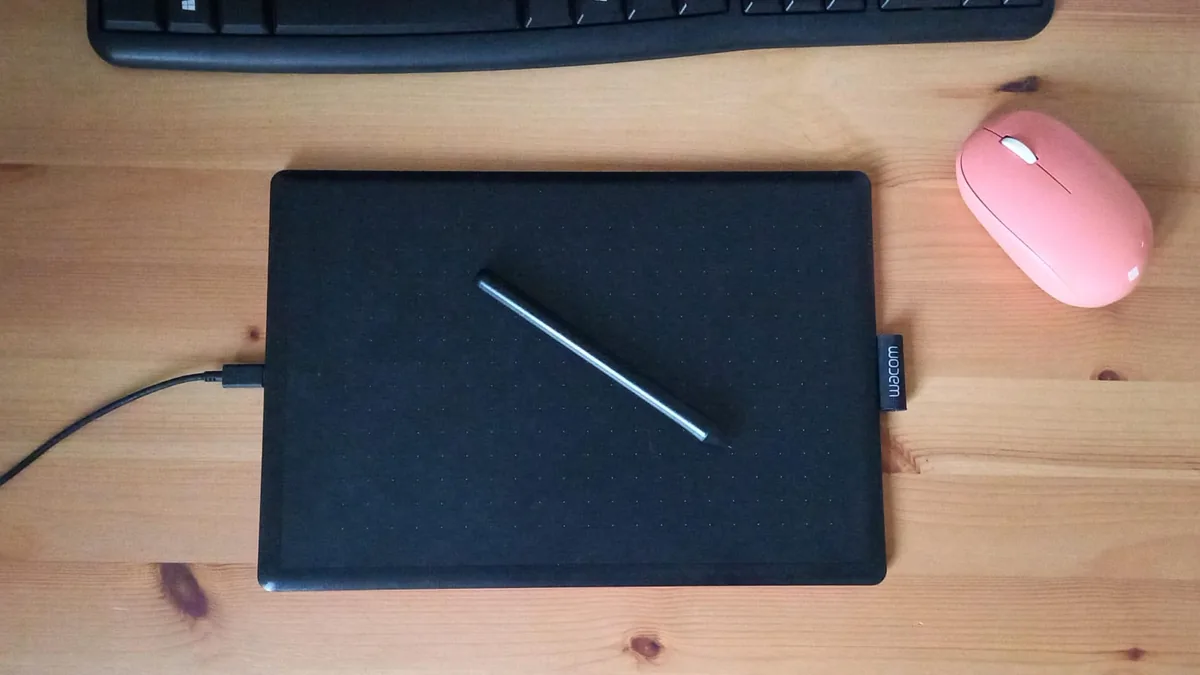
It was too big for a phone and too small for a laptop
The first reason was the size. A tablet is too big to carry in a pocket and too small to work on properly — the screen is big enough to watch a video and too small to write an email, and the keyboard on the screen is too slow to type on. The phone in my pocket does the small jobs, and the laptop on my desk does the big ones, and the tablet in between did neither well. The story of why I stopped using a smartphone is the same shape: a device that promises to do everything and does nothing well enough to keep.
The battery was always dead
The second reason was the battery. A tablet that sits for a week has a dead battery when you pick it up, and the tablet that needs charging before you can use it is the tablet you never use. I counted once — three times I picked it up to read a recipe, and three times it was dead. A laptop is always plugged in, a phone is always charged, and the tablet that is always dead is the tablet that has failed. The best ways to make money with your laptop all start the same way: the machine that is always ready is the machine that earns, and the tablet that is always dead earns nothing.
It made me watch more and do less
The third reason was the watching. The tablet was a screen for watching — videos, shows, and endless scrolling — and the evenings I spent with it were evenings I spent watching instead of doing. The laptop is a machine for making: writing, working, and building things, and the evenings I spend with it are evenings I spend doing something. The tablet did not save time. It filled the evening with watching, and the watching is the part I regret most.
The money
The fourth reason was the money. The tablet cost $329, and then came the extras: the case at $49, the keyboard at $99, and the stylus at $89 — $566 in total for a device that sat on the coffee table. A laptop costs more, but it does the work; a phone costs less, and it fits in a pocket. The tablet was the device in between, and the device in between is the one nobody needs. The maths never made sense once I did it.
What I use instead
For watching, I use the television — bigger, better, and shared with the family. For reading, I use a book — no battery, no notifications, and no screen to charge. For working, I use the laptop — a real keyboard, a real screen, and a machine that does the job properly. Nothing the tablet did needed a tablet; it needed a television, a book, and a laptop. The evenings are better, the coffee table is clearer, and the only screen left on it is the one that tells the time.
What changed after a year
A year without the tablet, and three things have changed. First, my evenings feel longer — without a screen to scroll on, the hours stretch out, and the time that used to vanish in videos is now time I spend on the things I choose. Second, I read more: the book on the table gets picked up where the tablet used to sit, and the pages turn faster than any screen ever scrolled. Third, and most surprising, I miss nothing. The videos still exist, the recipes still arrive, and the world still turns — and the laptop that does the work is the only machine I need. The tablet promised to do everything. The year without it gave me my evenings back — and a coffee table that is clear, quiet, and free.
The bottom line
I do not miss the tablet. I miss the idea of it — the device that does everything, the screen that fits in your hand, the future of computing on the coffee table. The real tablet was too big for a pocket and too small for work, its battery was always dead, and it filled my evenings with watching instead of doing. If yours is sitting on a coffee table, try a month without it. The story of why I stopped using a slow cooker taught me the same lesson: the machine you think you need is usually the machine you can stop paying for, and the laptop you already own does the job better.
Frequently asked questions
Do you still watch videos?
Yes — on the television, which is bigger, better, and shared with the family. The tablet was a small screen for one person, and the television is a big screen for everyone. The videos are the same; the watching is better.
What did you do with the tablet?
I gave it to a friend whose children use it for homework and games. It cost me nothing to pass on, and they use it more in a month than I did in two years — which is a better ending for it than my drawer.
Was the tablet really that expensive?
The tablet was $329, and the extras added $237 more — $566 in total for a device that sat on the coffee table. A laptop costs more but does the work, and a phone costs less and fits in a pocket. The tablet was dear, and the device in between is the one nobody needs.
Is a laptop really better than a tablet?
For work, yes — a real keyboard, a real screen, and a machine that does the job properly. For watching, the television is better. For reading, a book is better. The tablet was the device in between, and the device in between is the one nobody needs.

Keep what speaks to you.
Leave room for your own perspective.