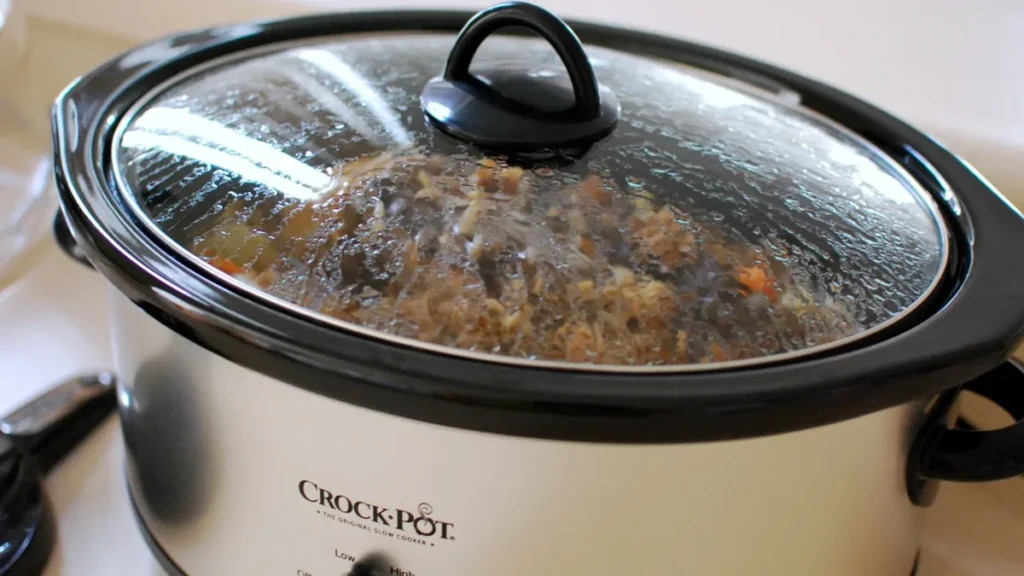
My slow cooker sat on the kitchen counter for two years, and the dinners it made all tasted the same: soft, grey, and faintly of everything at once. The promise was simple — put the food in the morning, come home to dinner — and the reality was a pot that turned every meal into soup, a smell that filled the house by noon, and a heavy ceramic bowl that took longer to clean than the cooking ever saved. So one weekend I unplugged it, put it in a box, and gave it away.
This is why I stopped using a slow cooker, what it was really costing me, and the faster way I cook now instead.
Everything tasted the same
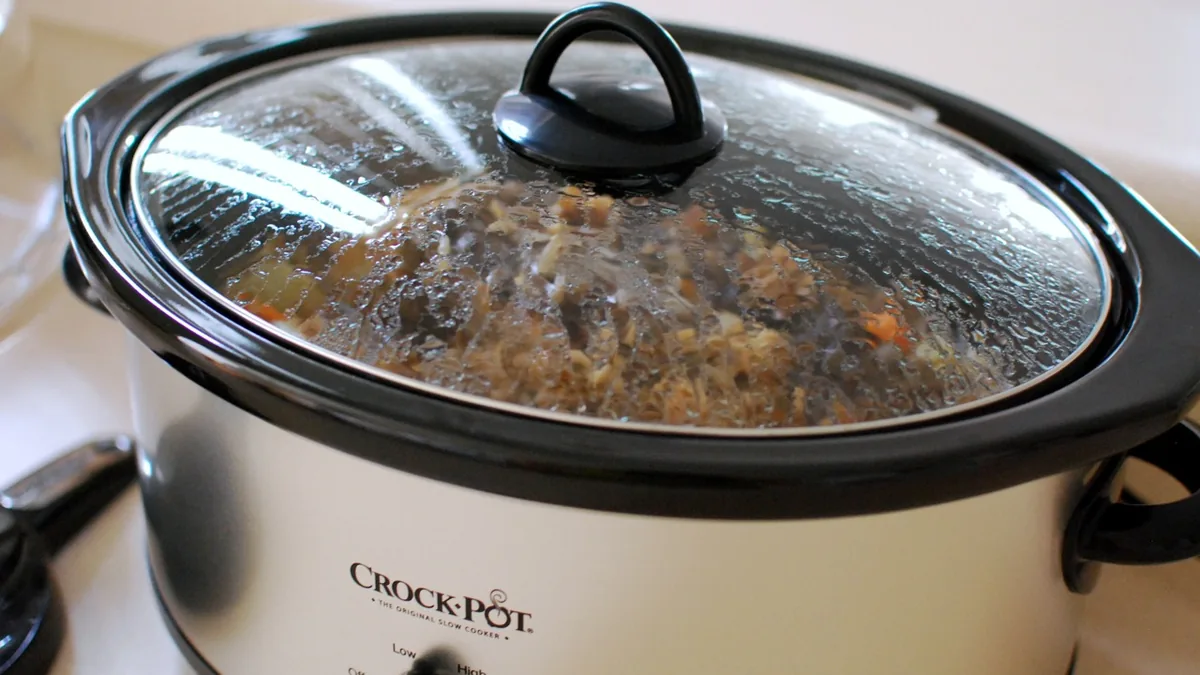
The first reason was the food itself. A slow cooker cooks everything at the same low temperature for the same long time, and the result is always the same: soft meat, soft vegetables, and a sauce that tastes of everything and nothing. A stew should have texture — a carrot with a bite, a piece of meat with a crust — and the slow cooker took all of it away. My cooking got worse when I used it, because every ingredient surrendered to the pot. The story of why I stopped using a food processor is the same shape: a machine that makes everything the same, and calls it convenience.
The smell all day
The second reason was the smell. A slow cooker fills the house with cooking smells by midday, and by six o’clock the smell has soaked into the curtains, the clothes, and the sofa. It is not a bad smell, exactly — but it is the same smell, every single day, and it follows you to the front door when you leave. Guests would arrive and say the house smelled lovely, and I would think: it smells like dinner, and it is only two in the afternoon. A pan on the hob smells of cooking for an hour; a slow cooker smells of cooking all day.
The planning it demanded
The third reason was the planning. A slow cooker only works if you decide dinner at eight in the morning, and my days do not work like that. On the days I forgot, the pot sat empty; on the days I remembered, I spent the morning chopping and browning — the same work the machine was supposed to save me — and then waited eight hours for a meal I could have cooked in forty minutes. The best ways to save money on groceries all start the same way: cook what you have, when you have it, and a machine that demands a plan at breakfast is not helping.

The washing up
The fourth reason was the washing up. The ceramic bowl is heavy, awkward, and too big for the sink, and the food bakes onto it in a ring that needs soaking overnight. I counted once: the bowl, the lid, the chopping board, and the pan I had already used for browning — four things to wash, against one pot for the stew I cook now. The slow cooker did not save time. It moved the work from cooking to cleaning, and cleaning is the part I hate most. The story of why I stopped using a blender taught me the same lesson: eleven parts to wash is not a shortcut.
What I use instead
For stews, I use a heavy pot on the hob: the same ingredients, forty minutes, and a meal with texture — carrots with a bite, meat with a crust, and a sauce that tastes of something. For busy days, I cook a big pot on Sunday and eat it through the week, which is faster than any slow cooker and tastes better on the third day than the first. For the mornings when I want something ready, I use the oven: a tray of vegetables and chicken, one hour, and nothing to wash except the tray. Nothing I made in the slow cooker needed a slow cooker; it needed a pot and forty minutes.
What changed after a year
A year without the slow cooker, and three things have changed. First, my dinners taste better — the pot on the hob gives me control over every minute, and the food keeps its character instead of surrendering to eight hours of steam. Second, my kitchen is easier: no heavy ceramic bowl to soak, no all-day smell in the curtains, and the washing-up pile is smaller every single night. Third, and most surprising, I cook more. Without the morning planning the slow cooker demanded, I cook when I am hungry, with what I have, and the meals that used to feel like a chore now feel like forty minutes of honest work. The slow cooker promised dinner with no effort. The year without it gave me dinner with flavour — and a kitchen that smells of cooking for an hour, not all day.
The bottom line
I do not miss the slow cooker. I miss the idea of it — the dinner that cooks itself while I live my life. The real slow cooker made everything taste the same, smelled up the house by noon, and left a heavy bowl to soak overnight. If yours is sitting on the counter, try a month with a pot. The machine you think you need is usually the machine you can stop paying for, and the pot you already own does the job better — in forty minutes, not eight hours.
Frequently asked questions
Do you still make stews and soups?
Yes — in a heavy pot on the hob, in forty minutes. The stew has texture, the sauce tastes of something, and there is one pot to wash. The slow cooker version took eight hours and tasted of everything at once; the pot version takes forty minutes and tastes like dinner.
What did you do with the slow cooker?
I gave it to a friend with three children who uses hers every week. It cost me nothing to pass on, and she uses it more in a month than I did in two years — which is a better ending for it than my kitchen counter.
Was the slow cooker really that expensive?
The machine was $65, but the real cost was the food: the slow cooker turned good ingredients into grey meals, and I threw away more food in those two years than in any other. The machine was cheap; the dinners it ruined were not.
Is a pot really faster than a slow cooker?
Yes — forty minutes against eight hours, and the pot does not need you to decide dinner at eight in the morning. The slow cooker was faster on paper and slower in practice, because I spent the saved hours planning, soaking, and cleaning. The pot wins the day outright.

Keep what speaks to you.
Leave room for your own perspective.