A garden is not just a hobby — it is a small business waiting to happen. Every vegetable you grow, every plant you raise, and every flower you cut is something someone else will pay for, and the garden that feeds your family can also feed your bank account. You do not need acres of land; a backyard, a balcony, or even a sunny windowsill is enough to start.
Here are seven ways to make money with a garden, from the easiest first harvest to the steadiest year-round income.
1. Sell vegetables at a market stall
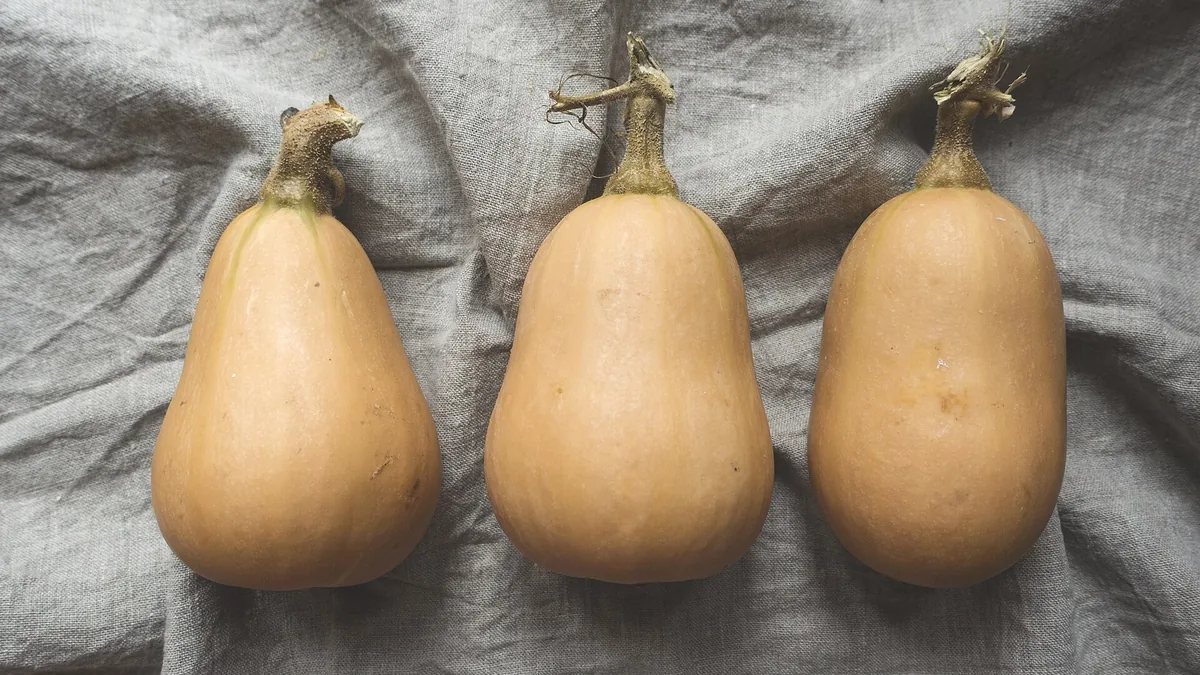
Selling vegetables is the simplest way to earn from a garden, and the demand never stops. Tomatoes, courgettes, beans, and herbs sell for $2 to $5 a bunch at a weekend market, and a good Saturday stall earns $150 to $300 from a garden no bigger than a backyard. Grow what sells — salad leaves, tomatoes, and herbs — and sell what you grow the same day you pick it, because fresh is what the customers pay for. The best ways to make money on a farm work the same way — the land you have, the food people want, and a stall on a Saturday morning.
2. Grow herbs for restaurants
Restaurants need fresh herbs every day, and they pay well for them. Basil, mint, rosemary, and coriander sell for $5 to $10 a bunch, and a restaurant that trusts you will order every week — the same herbs, the same day, and the same pay. Visit three restaurants near you, show them a sample, and ask what they need most; the chef who finds a reliable grower never goes back to the supermarket. Herbs grow fast, they grow in pots, and a windowsill of basil is a business that fits in a kitchen.
3. Sell seedlings and young plants
Seedlings are the garden product with the best margin: a packet of seeds costs $2, and the twenty plants it grows sell for $3 each — $60 from a $2 packet. Start tomato, pepper, and flower seedlings in spring, sell them at the market or online, and the garden pays for itself before the summer even starts. The best ways to make money with a tractor make the same point about small machines and big margins — the tools cost little, the work is honest, and the customers come back every season.
4. Cut flowers for bouquets
Cut flowers are the garden product that sells itself. Sunflowers, sweet peas, and zinnias cost almost nothing to grow, and a bouquet of them sells for $10 to $25 at a market stall or a florist’s door. Grow a row of flowers, cut them in the morning, tie them in bunches, and sell them the same day — the fresher the flower, the higher the price. The florists in your town are always looking for local flowers, and the grower who delivers fresh bunches every week gets the order before anyone else.
5. Sell honey from a backyard hive
A beehive turns a garden into a honey business, and a single hive produces 20 to 40 kilos of honey a year — worth $300 to $600 at market prices. The bees do the work, the flowers feed them, and the beekeeper harvests twice a year; the start-up cost is a hive and a suit, and the local beekeeping club will teach you the rest. The guide to making money as a private chef makes the same point about food businesses: the ingredients are local, the customers are near, and the quality is what they pay for.
6. Open your garden for tours
A beautiful garden is worth more than its vegetables — it is worth a ticket. Open your garden for tours on a summer weekend, charge $5 to $10 a visitor, and a garden that draws fifty people earns $250 to $500 for a morning’s work. Add tea, cakes, and plants for sale, and the tour becomes a small festival. The gardens that draw crowds are the ones with a story — a walled garden, a herb garden, a garden grown from nothing — and the story is what the visitors pay to hear.
7. Rent out a corner of your garden
The easiest money a garden earns is the rent on the corner you do not use. Allotment holders, beekeepers, and market gardeners all need space, and a sunny corner of your garden rents for $50 to $150 a month to someone who will work it. The renter does the digging, the garden gets tended, and you get paid for land you were not using — the simplest garden income there is. Keep a short written agreement, agree who waters what, and the corner that grew weeds last year grows money this year.
The bottom line
A garden earns money because it grows what people want and cannot make themselves: fresh food, fresh flowers, and a beautiful place to spend a morning. Start with vegetables and herbs — the harvest is fast, the customers are near, and the garden pays for itself in a season. Add seedlings, flowers, and honey as the garden grows, and the backyard that fed your family becomes the business that pays for the extras. The garden you already have is the business you already own; the only thing left is to plant it with a plan.
Frequently asked questions
How much money can I make from a garden?
A backyard garden earns $100 to $300 a month in the growing season from vegetables and herbs, and a garden with honey, flowers, and tours earns $500 to $1,000 a month in summer. The income is seasonal — the garden earns most from May to September, and least in the winter — so the money has to be saved for the quiet months.
Do I need a big garden to make money?
No — a backyard, a balcony, or even a sunny windowsill is enough to start. Herbs grow in pots, seedlings grow on a table, and a market stall needs only a table and a box of vegetables. The garden that earns is the one that is planted with a plan, not the one that is biggest.
What grows best for selling?
Salad leaves, tomatoes, herbs, and cut flowers sell fastest and earn the most per square metre. Grow what your market wants — ask the stallholders and the restaurants near you what they buy most, and plant that first.
Do I need a licence to sell garden produce?
Most places let you sell small amounts of home-grown produce at a market without a licence, but the rules vary — some markets ask for a stall fee, and some towns ask for a food hygiene certificate for honey and preserves. Check the rules where you live before the first market day, and keep it simple: fresh vegetables and flowers first, preserves and honey later.

Keep what speaks to you.
Leave room for your own perspective.